Ingredient Encyclopedia
Check the characteristics of the ingredients and how to use them in cooking.
브로콜리
4
6
Broccoli is a vegetable eaten with both the sturdy stem and the small florets, widely used in heat-based dishes like stir-fries, steaming, grilling, and soups. The florets hold sauces and seasonings well, and when the stems are thinly sliced they add a crisp texture. If the outer layer of the stem feels fibrous, peeling only the thick skin and using it separately can reduce waste. The key to cooking is to match the cooking speeds of the florets and stems. Quick cooking retains bright color and a chewy bite, while longer cooking softens it, making it suitable for soups or puréed dishes. However, boiling in water for too long can dull the flavor and cause florets to break apart easily, so if a moist result is not needed, steaming or quick-stir-frying over high heat is preferable.
Taste and Texture
Broccoli has a fresh, slightly bitter vegetable flavor, which becomes more nutty and savory as it cooks, with a hint of sweetness. The florets break down gently while absorbing sauces, and the stems, when well cooked, are firm yet crisp to bite. Overcooking can dull its color and intensify its distinctive aroma. Conversely, if the stems are too hard because they are undercooked, slice the stems thinner or add them to the pan before the florets to regulate the cooking time.
Main uses
- Chopped florets tossed with garlic, oil, soy sauce, or a light sauce for a quick side dish or as a vegetable ingredient in noodles or rice dishes.
- Steamed broccoli pairs well with simple seasonings like salt, pepper, and olive oil, served as a side vegetable. When serving with a sauce-rich main dish, avoid overcooking so it retains its shape for a better plate appearance.
- Roasted broccoli develops a browned edge and deeper flavor. If the broccoli releases a lot of moisture when spread on baking sheets in the oven or air fryer, next time wash and dry thoroughly to keep it more close to steaming than roasting.
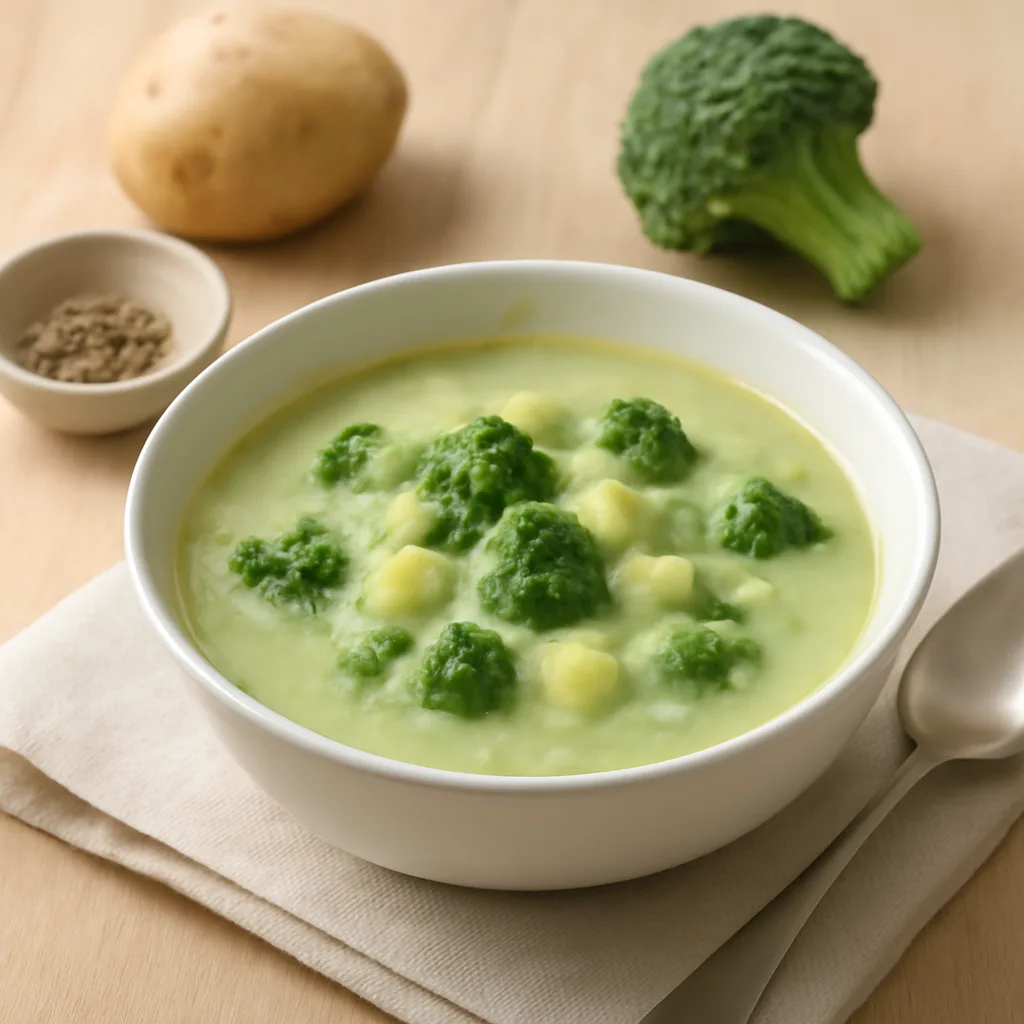
- Tender-cooked broccoli is good in soups, purées, and creamy sauces. In this case, use the stems as well, but remove the tough outer skin to avoid rough fibers when puréed.
Preparation tips
- Cut the florets into small pieces and slice the stems into pieces of similar thickness to match cooking times. If the stems are particularly thick, split them lengthwise and thinly slice, or cook them before the florets.
- Rinse any soil or debris between the florets under running water and dry well. Soaking for long periods can drop the pan temperature and create more moisture when sautéing or roasting.
- If the outer part of the stem is hard and fibrous, trim only the thick parts with a knife or peeler. There’s no need to remove all of it until the stems look tender like young stems.
- For stir-frying, avoid breaking the florets into too small pieces; if small pieces start to burn or clump with the seasoning, next time cut into larger florets.
Cooking characteristics
- Blanching in boiling water makes broccoli tender relatively quickly and preserves color; if you want to keep the stems firm, remove them when the texture just loosens and continue with the next step. Fully cooking now may cause it to fall apart during reheating.
- High-heat stir-frying yields a roasted flavor when the surface dries and small brown spots appear. If the pan is soggy with moisture, either cook in batches or uncover briefly to evaporate moisture.
- Steaming keeps a relatively mild flavor and moist texture, but in dishes where the sauce is thin, the whole broccoli can look mushy. In such dishes, adding it at the end for a short cook can be more suitable.
- With oven roasting, a light oil coating helps drying and browning of the surface. However, if you top too early with cheese or a sweet sauce, the broccoli may color too much before it cooks through, so add toward the end.
Good combinations
- Flavorful ingredients like garlic, onion, and pepper enhance broccoli’s fresh taste, and lemon juice or vinegar adds a bright acidity after cooking.
- Creamy, cheesy, sesame, or nutty ingredients pair well with the mellow broccoli. However, using a lot of cream or cheese can mask broccoli’s flavor, so this is especially good for roasting to keep its flavor strong.
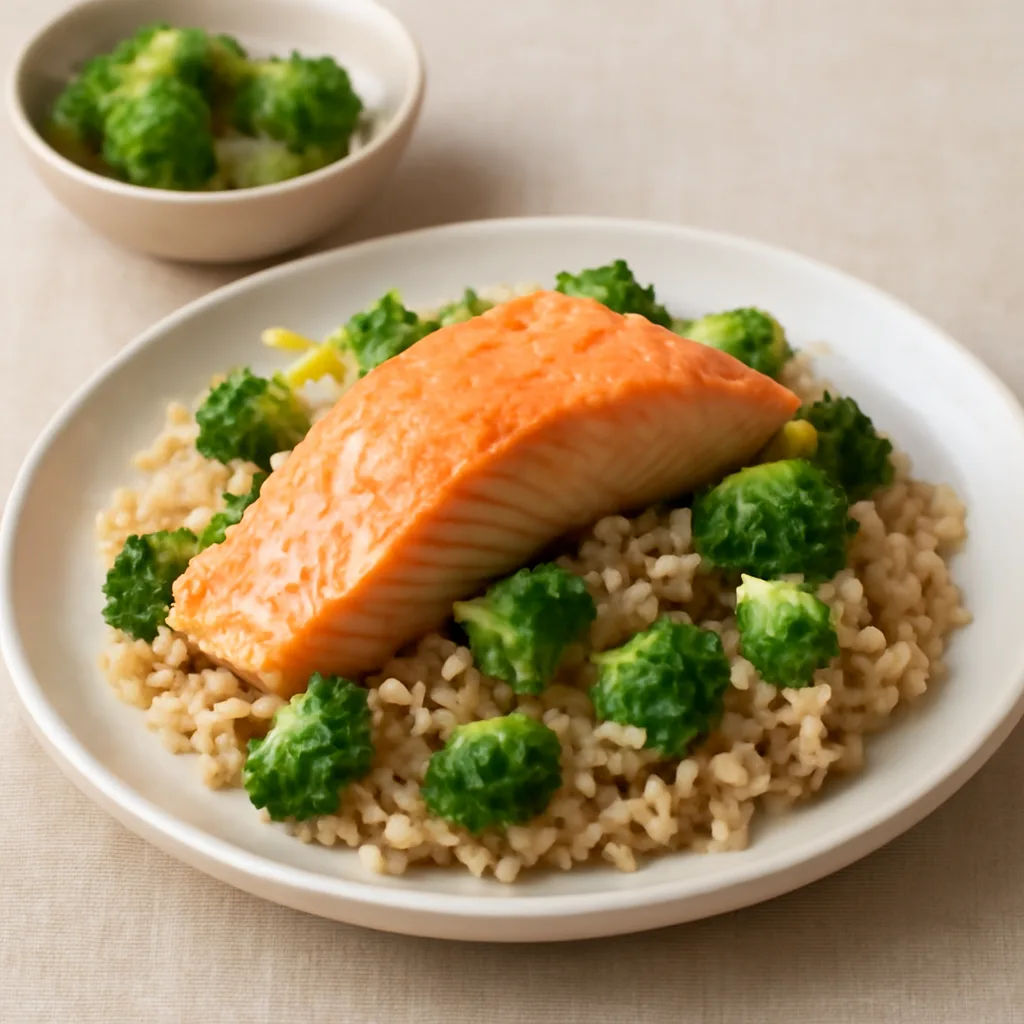
- Stir-frying or roasting with chicken, tofu, eggs, or mushrooms makes a complete one-dish meal. When using soy-based sauces, adjust at the end rather than layering salty ingredients.
- ] ,
- substitutionTips [
Points to consider when substituting
- If you need the florets' texture, cauliflower is the closest in form, but it has a milder taste and less of a bitter note. Start with the same cooking time and adjust by floret size and firmness.
- For keeping greens crisp in stir-fries or roasts, asparagus, peas, or bok choy can be used as substitutes depending on the situation. Note their different cooking times and moisture, so applying the same seasoning may not be ideal.
- In soups or purées, cauliflower, zucchini, or potatoes can be substitutes to achieve a smooth texture. Potatoes will make it thicker, so for dishes relying on broccoli’s light vegetable flavor, you may not get the same result.
Ingredients commonly used together in actual dishes
Aggregated based on the co-occurrence count of representative ingredients in public dishes registered in CookPagoda.
Dishes that use this ingredient
Shows dishes where this ingredient is a representative ingredient, sorted by view count.