Ingredient Encyclopedia
Check the characteristics of the ingredients and how to use them in cooking.
Avocado
6
10
Avocados have creamy flesh and fat, adding body and moisture to sauces, dips, salads, and sandwiches. Ripe ones are good for mashing or thinly slicing for immediate use, while firm ones are better for shaping into pieces for roasting or stir-frying. If you cut the flesh, the exposed surface browns quickly. If not consuming right away, cover the cut surface to reduce air contact, and pairing with acidic ingredients like lemon or lime can make the color change less noticeable. However, too much acidity can mask the rich, mild avocado flavor. Avocado tends to soften the flavor of strong seasonings rather than absorbing them intensely, serving to mellow heat, salt, and acidity. It pairs well with spicy salsas or salty cheeses, but in dishes already loaded with cream or mayonnaise, the overall dish can feel heavy and greasy.
Taste and Texture
Ripe avocados have a gentle, nutty savor and a soft, buttery texture. The aroma is not strong and does not overpower the other flavors. The flesh is creamy and easy to mash; under-ripe avocado is firm and has a green, vegetal taste. If overripe, it has many brown spots and may feel mushy, making it more suitable for sauces or mashing than slicing.
Main uses
- Ripe avocados can be mashed with salt, pepper, and citrus juice (lemon or lime) to make dips or toast spreads. Leaving some chunks gives a chewy texture, while puréed smoothness yields a sauce-like consistency.
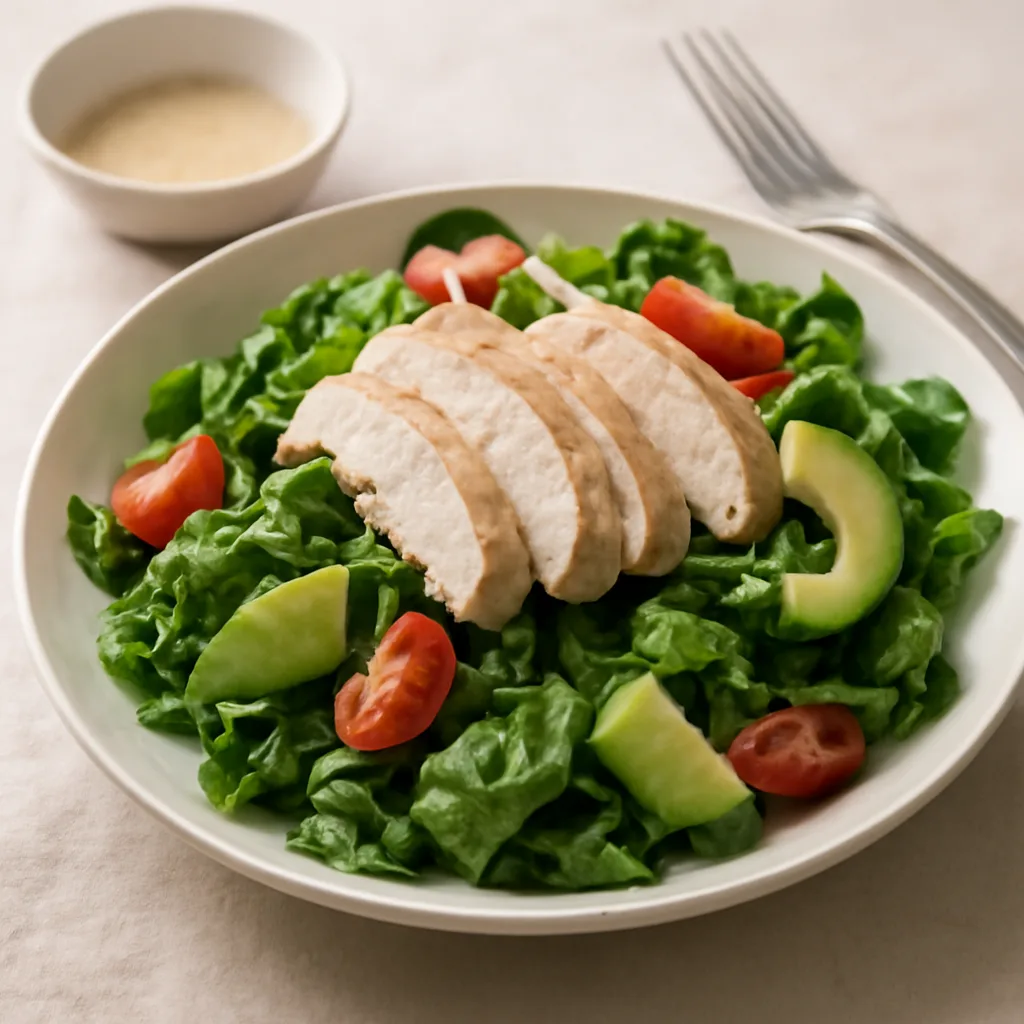
- For salads, grain bowls, tacos, or burritos, dice or thinly slice and add. If you want the avocado to balance a tart dressing with greens, add it together with the vegetables; mixing too long beforehand can cause pieces to break apart.
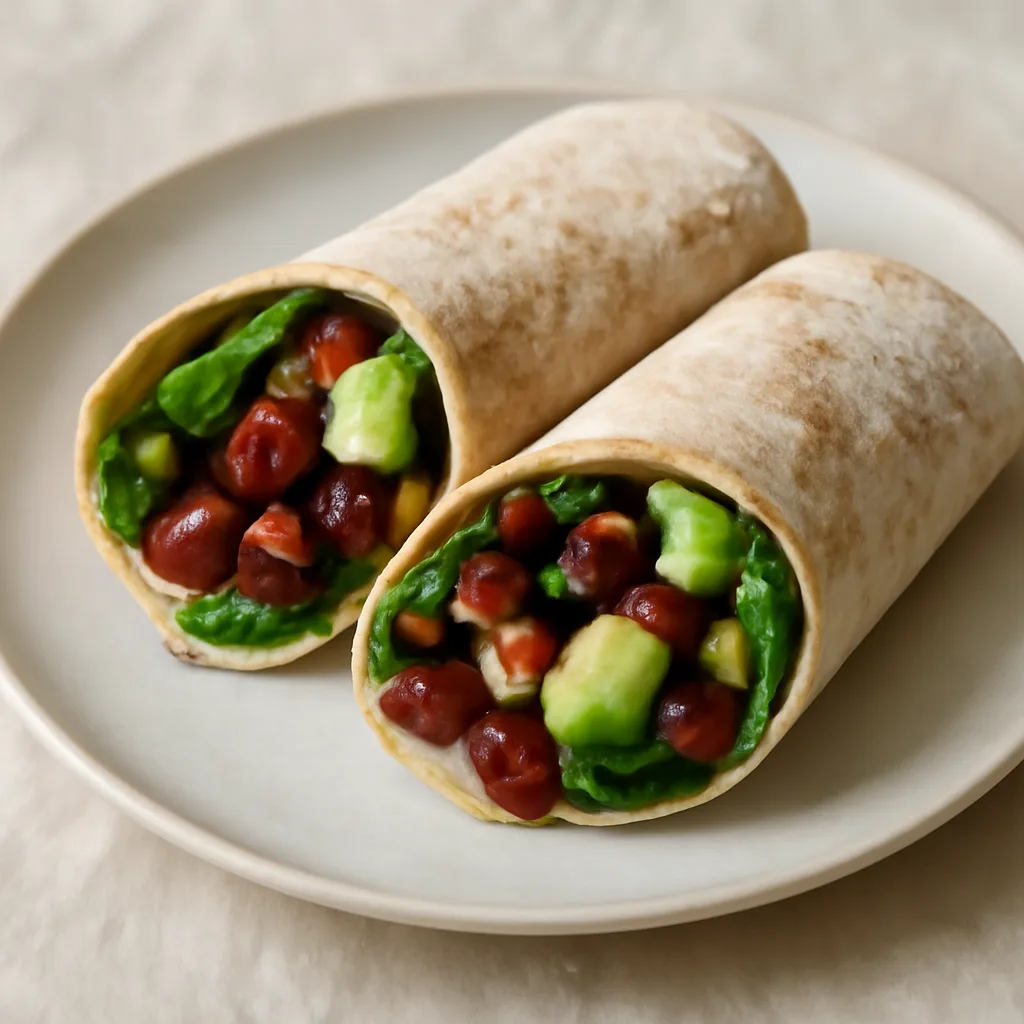
- In sandwiches or wraps, mashed avocado can replace or reduce mayonnaise. If adding many watery tomatoes or pickled vegetables, bread can become soggy, so assemble just before eating.
- Firmly ripe avocado slices can be briefly grilled or seared on a grill to add color. This method adds smoky or grilled aroma, but is not suitable for overly ripe flesh to maintain shape.
Preparation tips
- If the flesh yields with gentle pressure but isn’t mushy, it’s good for raw slicing or mashing. If very hard with a green taste, let it ripen a bit more before using for a dish that isn’t immediate.
- Slice around the pit, twist to separate, and scoop out the pit with a spoon rather than stabbing it with a knife to minimize flesh loss.
- After cutting, lightly spray with lemon or lime juice and cover tightly to reduce browning. If the dish doesn’t need acidity, don’t overdo the juice and cut just before cooking to preserve flavor.
- Even near the skin, the darkest green flesh remains soft; don’t dig too deeply with a spoon. However, discard any blackened or mushy parts and use only as needed for a clean result.
Cooking characteristics
- Avocado flesh breaks down quickly and becomes oily when exposed to high heat for long. When adding to warm dishes, turn off the heat and mix in at the end to preserve shape and fresh flavor.
- On pans or grills, briefly cook the firm avocado cut side down to add a grilled aroma; if pieces stick or tear easily, they are too soft—use a firmer avocado or grill with the skin on.
- Mashed avocado provides natural thickness to cold sauces, but unlike stable emulsified sauces, it can change color and texture if stored long. For smooth dressings, gradually add acidity and a small amount of water or oil while blending just before use.
- Slow simmering in a clear broth makes it unlikely to retain a sharp texture; if aiming for a softer, thicker consistency, blend a small amount at the end, but it can look muddy in a clear, light broth.
Good combinations
- Lemons and limes, tomatoes, onions, and cilantro—bright acidity and aroma balance avocado’s richness. If acidity is strong, add salt gradually to hit the flavor balance.
- Chili, pepper, and smoky paprika provide spicy or smoky notes that contrast with the soft flesh. In already spicy dishes, keep avocado in chunks to mellow the heat in each bite.
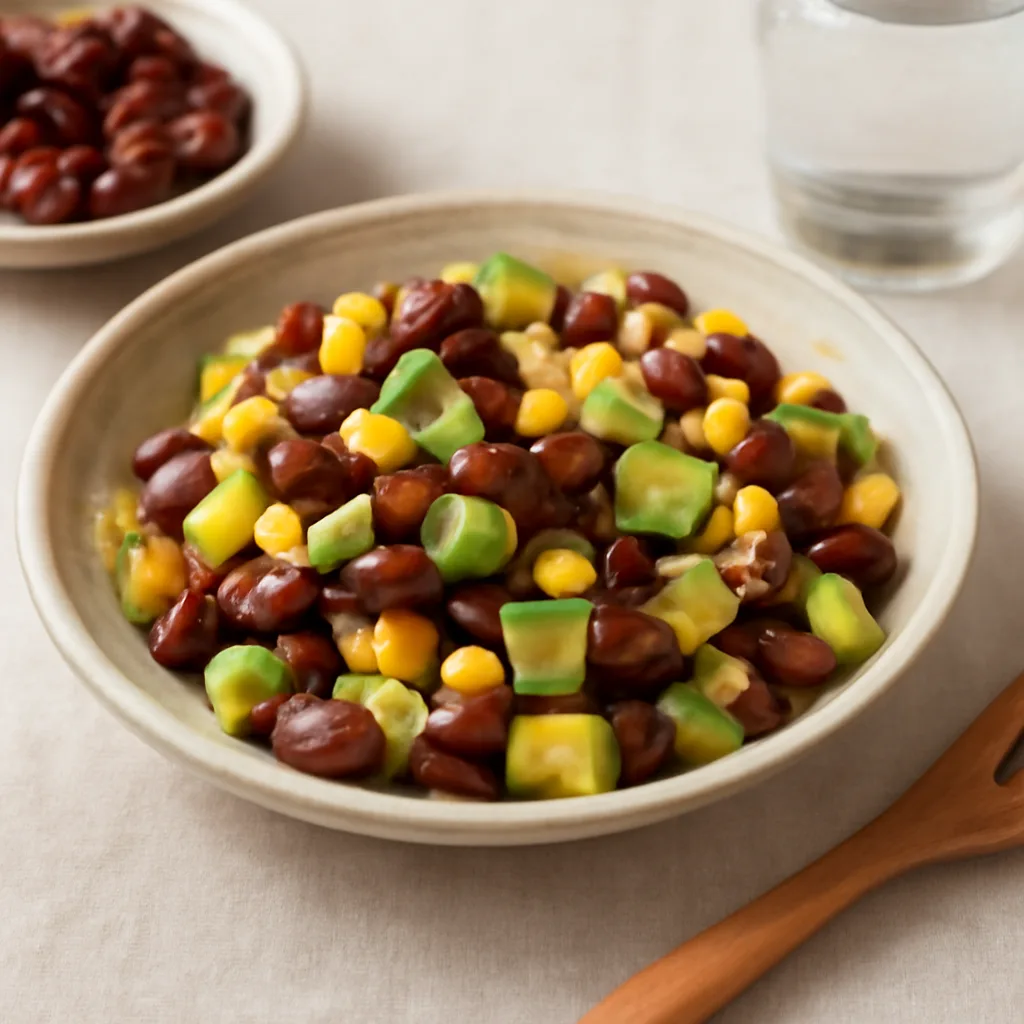
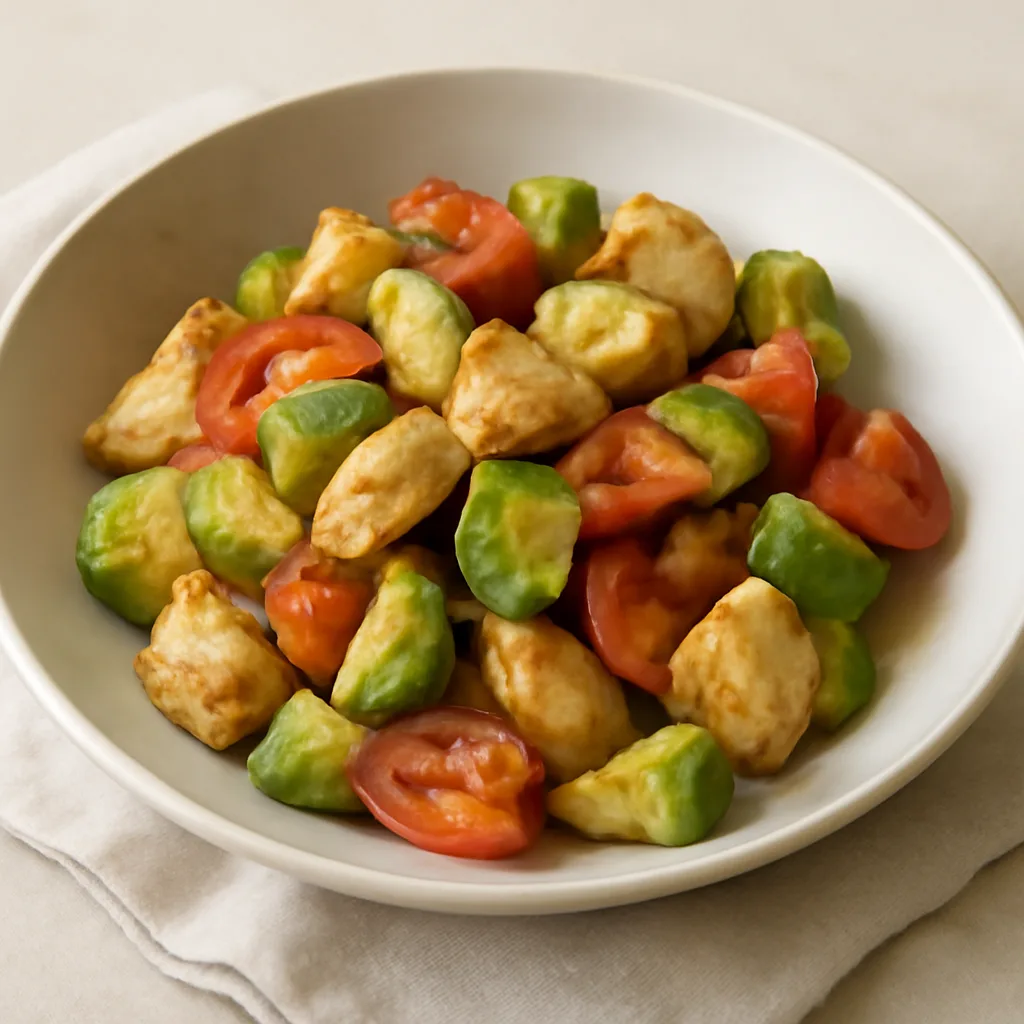
- Combining with eggs, beans, chicken, fish, or shrimp adds a creamy texture to lean proteins. When pairing with fatty cheeses or mayo, add acidic vegetables or herbs to lighten the weight.
Points to consider when substituting
- If you want the soft texture of mashed avocado, you can use mashed green peas or white bean purée, but the avocado’s nuttiness and fat will be reduced. In this case, a small extra olive oil can help make it less pasty.
- In sandwiches or salads, thin slices of avocado can be replaced with soft cheeses, boiled eggs, or olive oil dressing. However, because saltiness, aroma, and moisture differ, adjust seasonings accordingly rather than using the same amounts.
- It’s hard to fully substitute for solid, shape-maintaining pieces with a firm avocado. Depending on whether you need just a creamy element or a grilled piece texture, choose a substitute accordingly.
Ingredients commonly used together in actual dishes
Aggregated based on the co-occurrence count of representative ingredients in public dishes registered in CookPagoda.
Dishes that use this ingredient
Shows dishes where this ingredient is a representative ingredient, sorted by view count.