Ingredient Encyclopedia
Check the characteristics of the ingredients and how to use them in cooking.
Kidney Beans
1
3
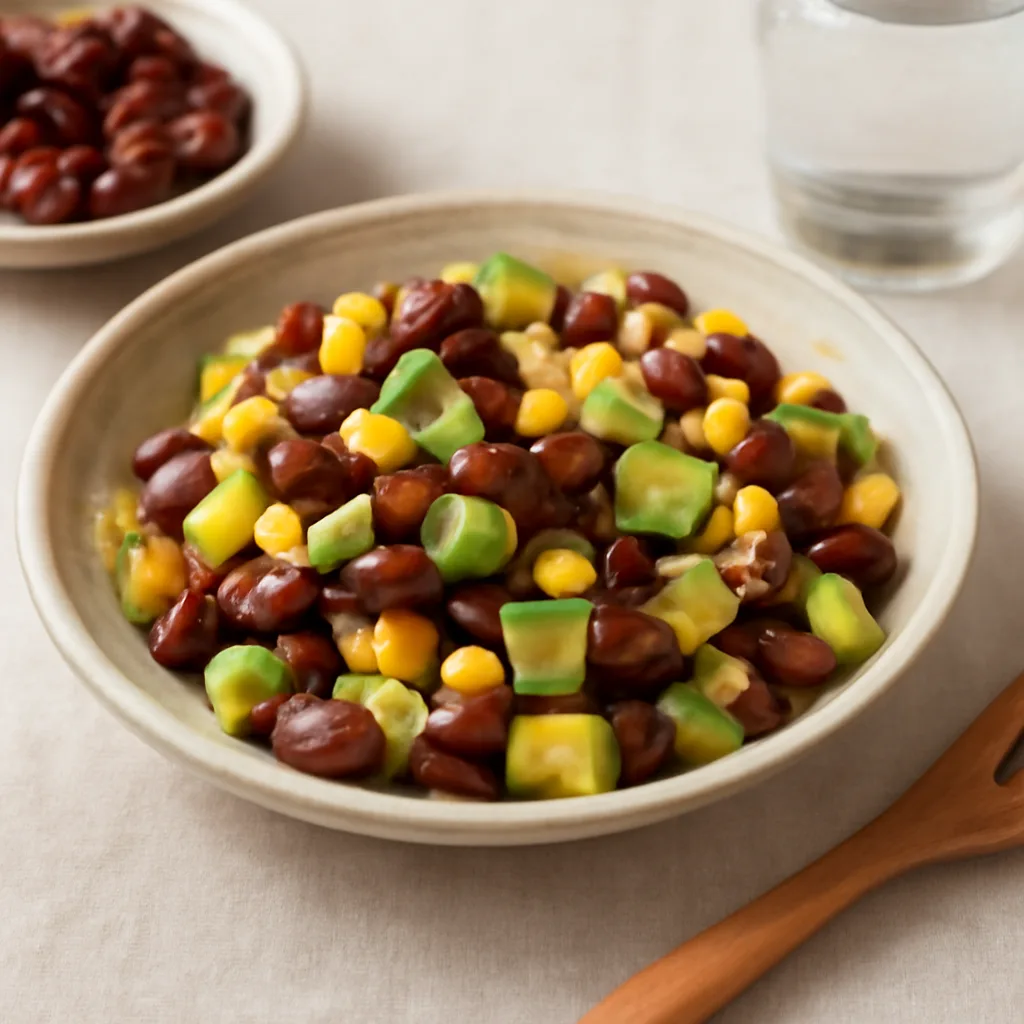
Cannellini beans are beans with plump kernels and a firm skin, used widely from soups to rice, salads, and stews. Dried cannellini beans must be soaked and cooked thoroughly; canned varieties can be used fairly directly after draining and rinsing. Cooked cannellini beans add a chewy texture and substantial density to dishes, and when some starch granules loosen, they can slightly thicken soups or sauces. To keep the bean distinct, add near the end of cooking; to thicken, mash a portion and fold in. They pair well with tomato sauce, vegetable soups, curry, chili-styled stews, and bean rice. When using with highly acidic ingredients and long simmering, let the beans become very tender before adding the acidic components to predict cooking time.
Taste and Texture
Cannellini beans have a relatively mild, nutty flavor and, when cooked, a clean, starchy taste. They do not have a strong aroma, making them compatible with broth, spices, and sauces. Fully cooked beans have soft, creamy interiors, but the skins retain some shape. If over-stirred, the skins can shear away and the beans may break, so gently fold them for salads or stir-fries that need distinct kernels.
Main uses
- Cooked cannellini beans add chew and natural body to tomato-based soups or stews. If the broth is too thin, mash in some beans, but in clear broth dishes it’s better to keep the beans whole to avoid cloudiness.
- When cooking rice, you can mix soaked cannellini beans with the rice to make a bean rice. Because the beans are large, they may not cook through in the same time as rice, so pre-boil or use well-soaked beans for reliability.
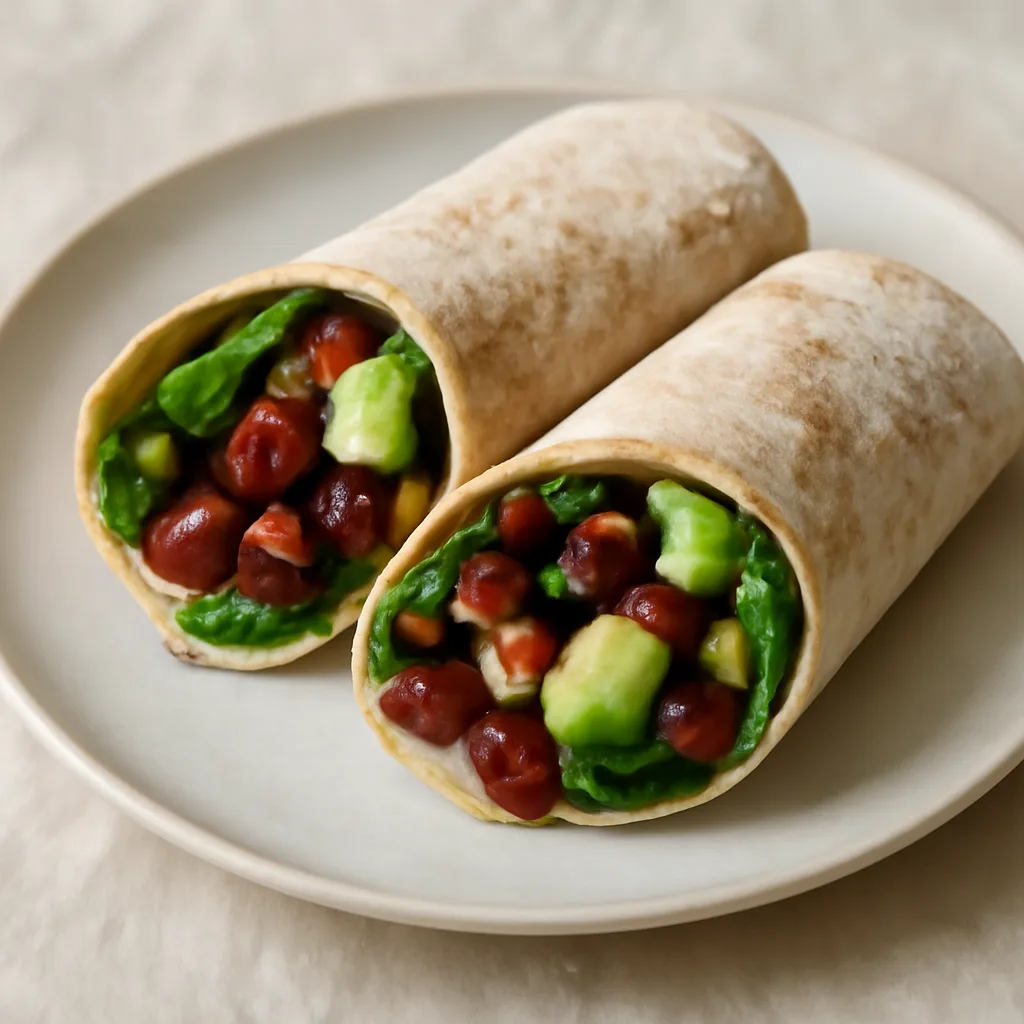
- Canned cannellini beans are convenient for salads, wraps, and side dishes. They can be tossed with dressing and eaten immediately, but if left to sit, surface saltiness and acidity can feel uneven.
- Finish curry or spicy stews by adding cooked cannellini beans at the end to heat through. Cooking them for too long from the start can dull flavor and cause the beans to split, making the sauce too thick.
Preparation tips
- Dried beans: first remove any debris or damaged beans, rinse, and soak. After soaking, if the center is still firm, boil in fresh water until the interior is tender when split open to check. If foaming heavily while boiling, skim to reduce overflow. If the water reduces too much and beans surface, add hot water to maintain even cooking.
- Canned beans: drain in a sieve, and rinse lightly. If can saltiness or viscosity remains and would dull the sauce flavor, rinse well and dry thoroughly before using.
- For salads, cook the beans, drain, cool slightly, and mix with dressing. If mixed while hot, the skins may peel away easily.
Cooking characteristics
- Cannellini beans increase in volume as they absorb water, and when fully cooked the starches inside become soft and creamy. Dried beans' cooking time varies with soaking and bean condition, so don’t follow a fixed time blindly—check whether they mash easily in the center.
- Simmering gently for a long time lets them absorb the broth flavor, but vigorous boil and frequent stirring can cause the beans to rupture. For dishes where shape matters, keep at a gentle simmer and minimize stirring.
- Acidic ingredients like tomatoes, vinegar, or wine can slow the softening of beans. If adding dried beans to an acidic sauce from the start results in largely hard beans, cook them almost through first, then add the sauce.
- Salt can be adjusted during cooking, but canned beans may already be salted. Taste one bean before adding to a sauce, then finish seasoning after the beans are added.
Good combinations
- Pairs well with aromatics like tomatoes, onions, garlic, and celery to deepen the mild bean flavor.
- Warm and bright spices like smoked paprika, cumin, chili, and pepper complement the beans’ mild taste. In heavily spiced dishes, the bean’s creaminess rather than flavor can contribute to the sauce’s texture.
- In salads with olive oil and lemon or vinaigrette, add crisp vegetables and herbs to contrast with the soft beans. If the acidity is too strong, add dressing gradually to preserve the nutty bean flavor.
- Pairs well with starchy neutrals like rice, corn, and bread to serve with stews or braises.
Points to consider when substituting
- For dishes requiring the plump kernels and soft interior of cannellini, you can substitute cannellini with cannellini? Wait that repeats. Use cannellini? Actually substitution mentions cannellini, pintos, black beans. Translate as: You can use cannellini beans, pintos, or black beans as substitutes for the plump kernels and creamy interior. However, each bean has different size and shell firmness, affecting cooking time and texture.
- For dishes where red color is important, choose similarly colored red beans to avoid visible change; smaller beans will cook faster, so add them toward the end.
- If the goal is to increase broth thickness, chickpeas will not puree as easily as cannellini or boiled lentils; conversely, for salads where distinct kernels are needed, lentils have too small a texture and may not be suitable.
- If canned cannellini are unavailable, cooked other beans can be used, but substituting dried beans by equal amounts is not appropriate. Consider volume differences before and after soaking and cooking to adjust cooked amounts.
Ingredients commonly used together in actual dishes
Aggregated based on the co-occurrence count of representative ingredients in public dishes registered in CookPagoda.
Dishes that use this ingredient
Shows dishes where this ingredient is a representative ingredient, sorted by view count.