Ingredient Encyclopedia
Check the characteristics of the ingredients and how to use them in cooking.
Tortilla
2
4
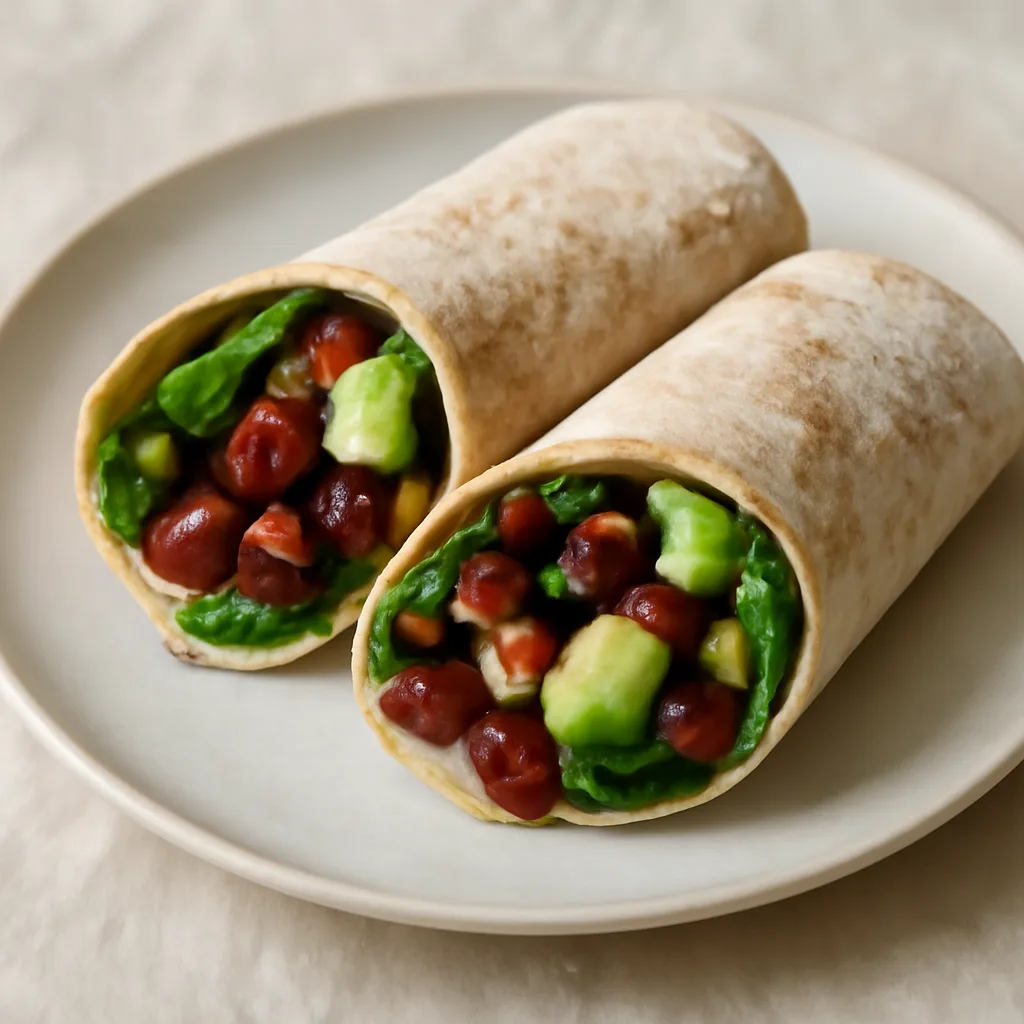
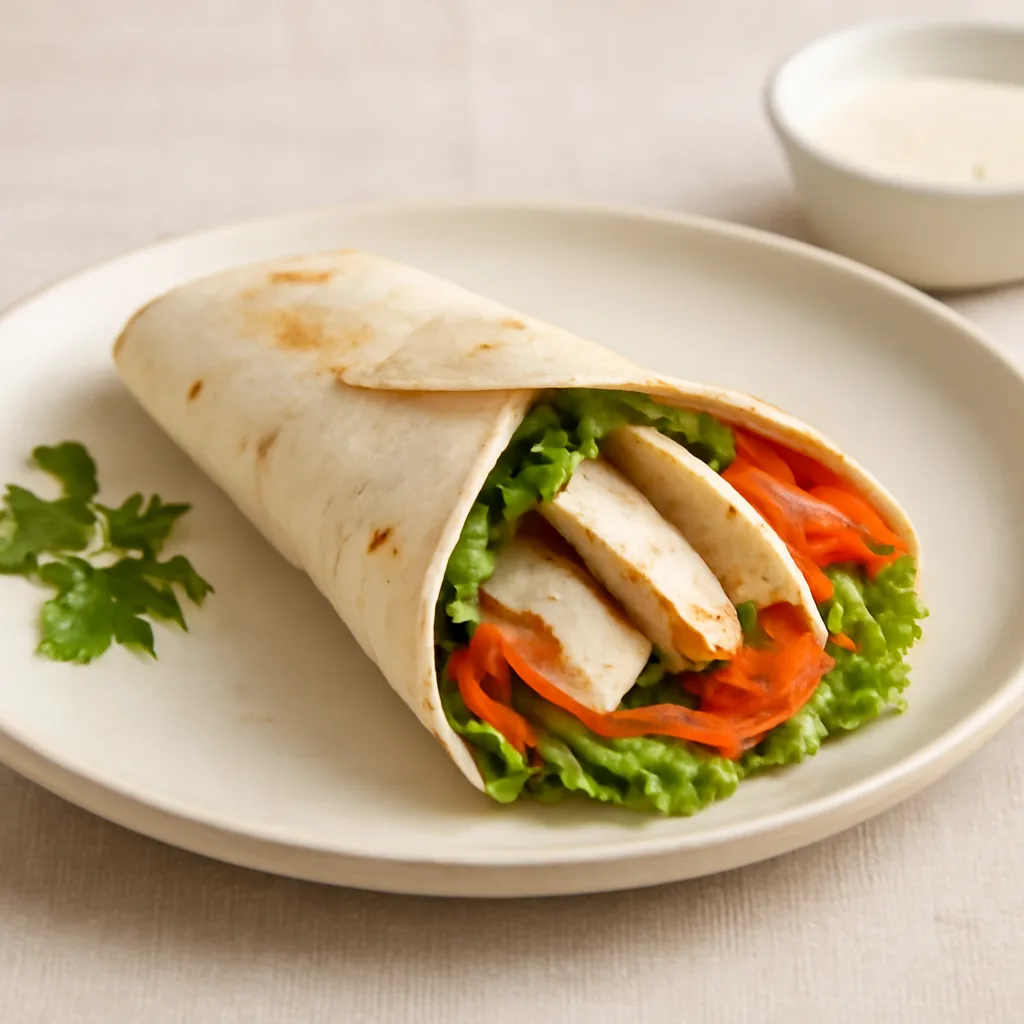
Tortillas are thin, round flatbreads baked to be used for wrapping or layering fillings. Wheat tortillas are relatively soft and flexible, making them easy to roll, while corn tortillas have a nutty grain aroma and a slightly more pronounced texture. They are used not only for wrapping ingredients in dishes like burritos, wraps, and tacos, but also for baking to a crisp in quesadillas, nachos, or tortilla pizzas. When cold and stiff, the edges can crack when folding, so a brief warming process suited to the intended use greatly affects the finished result. If the cooked filling releases a lot of moisture, tortillas can become soggy quickly. In that case, first reduce the moisture from the filling, or serve with sauce on the side and assemble just before eating.
Taste and Texture
The flavor is generally mild and acts as a backdrop to the filling and sauce flavors. Wheat tortillas are subtly toasty and soft, while corn tortillas carry a more pronounced corn-forward aroma. When used as is, they are flexible, but heating in a pan or oven dries the edges and makes them crisp. Properly warmed tortillas are pliable, but if overheated or exposed to high heat too long, they become dry and prone to breaking.
Main uses
- Fold or wrap fillings like sautéed meat, beans, vegetables, cheese, and salsa to use as tacos and wraps.
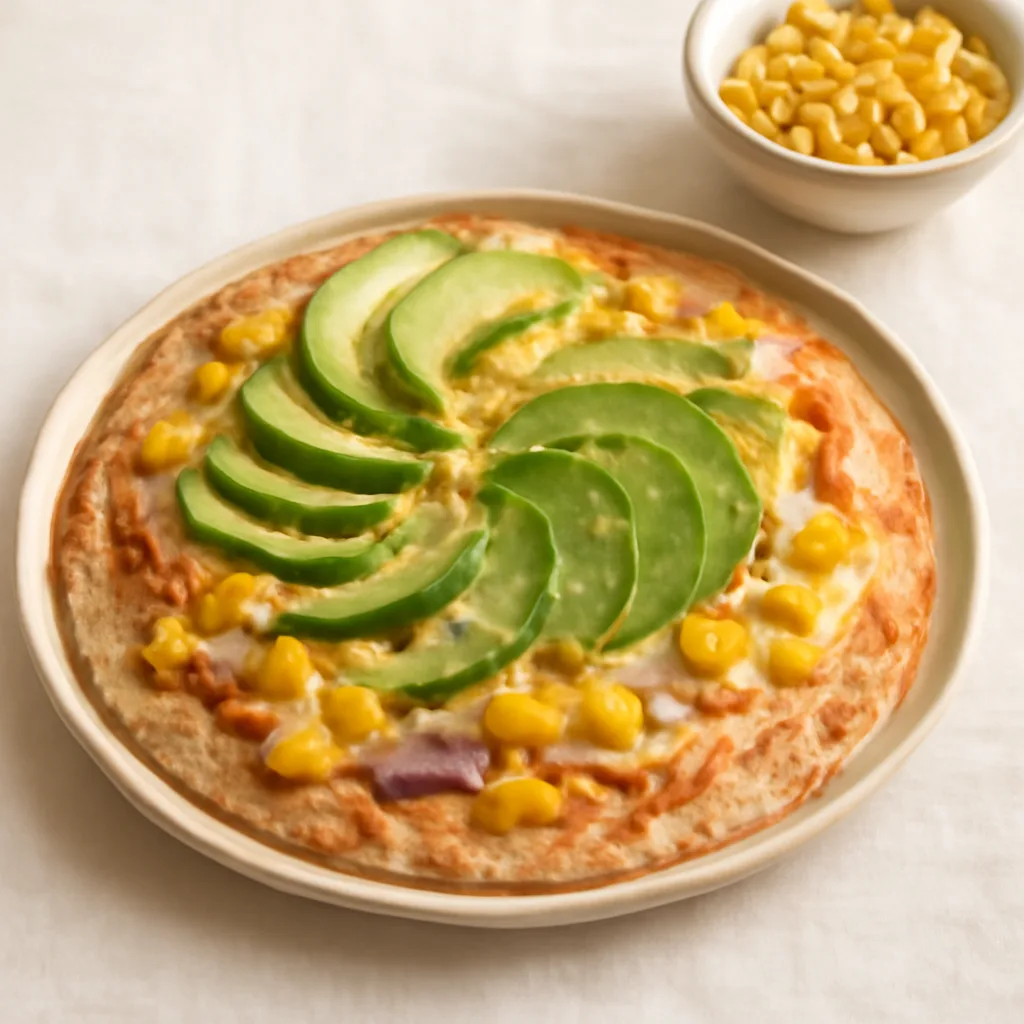
- Place cheese and cooked fillings between layers and grill like a quesadilla. Since cheese acts as a binder, avoid packing ingredients too thick so they don’t spill when flipped.
- Cut into triangles to bake without oil to make chips, or fry. If serving with dip, it’s better to crisp the edges rather than bake too thin and crumbly.
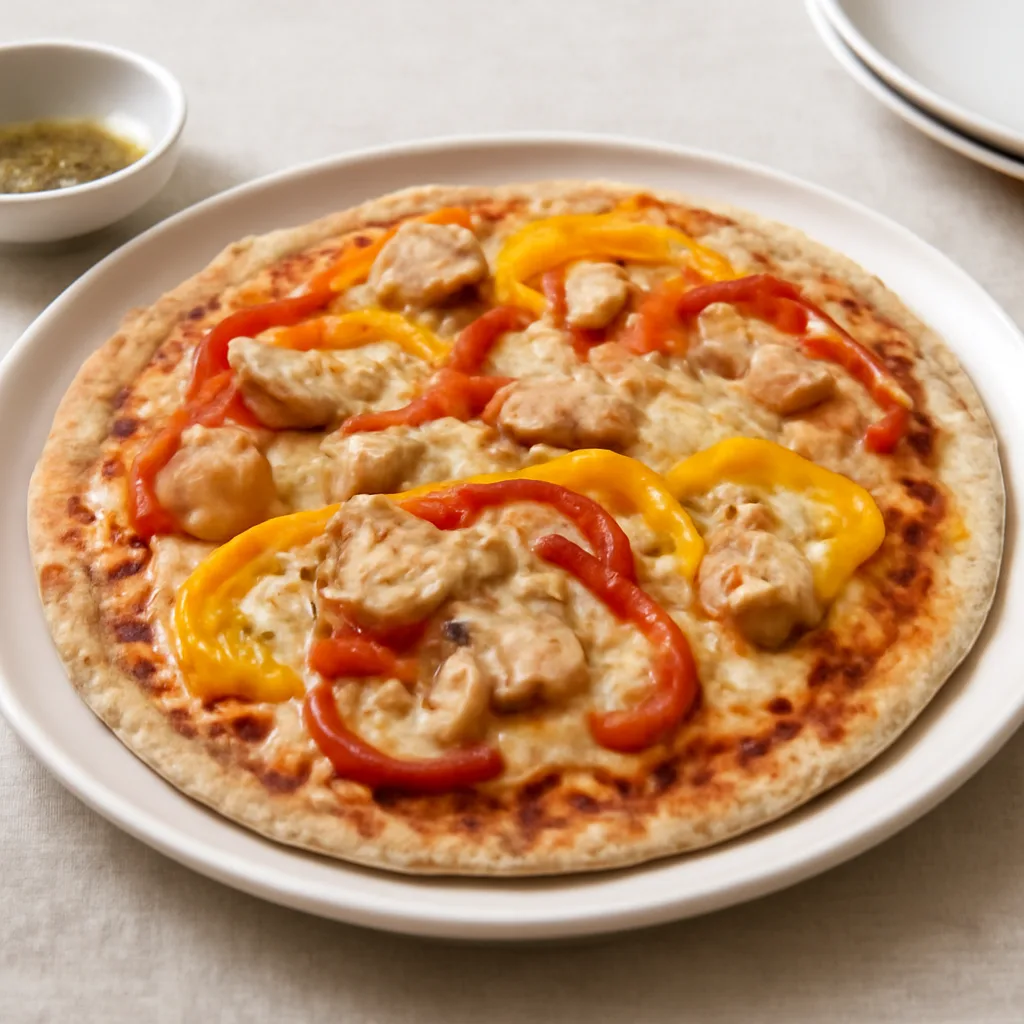
- Top with sauce, cheese, and leftover roasted vegetables to make a simple tortilla pizza. Spreading a lot of thin sauce will make the center soggy, so spread it thin.
Preparation tips
- To make tortillas flexible for wrapping or folding, warm briefly in a dry pan, microwave, or steam with a pot; warmth and pliability should be enough, and there’s no need to heat until dark brown spots appear.
- When warming in a pan, heat over medium, briefly cook both sides, then stack on a plate and cover to trap heat. Exposing to air for too long will dry them out and make them stiff again.
- For wrap fillings, let the sautéed ingredients rest briefly to release steam before using. If hot steam is trapped inside the tortilla, the bottom can become wet, so it’s better to drain moisture from ingredients like cabbage, mushrooms, or minced meat.
- For crispy chips or tortilla pizzas, you can brush a very light layer of oil on the surface. Using too much oil can make the result heavier and oilier rather than crisp.
Cooking characteristics
- When heated on a dry pan, light brown spotting develops on the surface and the aroma becomes more toasty. While spotting can signal proper heating, if the burned areas spread quickly, lower the heat or reduce the time.
- When adding cheese, tortillas help trap some heat and moisture inside, creating an environment where cheese melts easily. However, if the filling is cold and thick, the outside can become crispy first while the inside stays underheated, so pre-cooking the filling or rolling thinner is advantageous.
- In an oven or air fryer, the edges dry out quickly and become chip-like. If you want a soft wrap result, these dry-heat methods are not ideal; shorter pan-warming is more suitable.
- Moist fillings can soften tortillas and cause tearing if they touch for too long. If the bottom starts to sag, reduce the sauce or place a relatively firm layer such as cheese, mashed beans between vegetables and protein.
Good combinations
- Pairs well with cheese, black beans or kidney beans, sautéed chicken or beef, avocado, onion, bell pepper, tomato salsa. A tart salsa or lime-flavored sauce balances the mild tortilla, but if there are already many pickled ingredients, use less sauce to avoid a salty or soggy overall result.
- Corn tortillas pair well with roasted corn, beans, chilies, and rich, bright salsas for a hearty, pronounced flavor; wheat tortillas naturally go well with creamy cheese, eggs, and tender chicken fillings.
- For crispy tortilla chips, pair with chunky dips like guacamole, bean dip, or salsa. Soaking chips in a thin soup or sauce makes them soft easily, so dipping is more suitable.
Points to consider when substituting
- For recipes that need to be rolled or folded flexibly, a large wheat tortilla is the closest substitute. Pita or thin flatbreads can be used but differ in thickness and elasticity, affecting how much filling you can wrap.
- For dishes where the corn flavor of the tortilla is important (like tacos), corn tortillas are best. Substituting with wheat tortillas is easier to handle but changes the flavor to be milder and less corn-forward.
- For quesadillas or tortilla pizzas, you can use thin roti or a thin flatbread. However, moisture absorption and cooking time differ, so reduce toppings and sauce amounts first and adjust as needed.
- For chips, you can substitute with thin pita or thinly sliced flatbread, but the characteristic lightness and crisp of tortillas will be different. If the dip must withstand weight, a slightly sturdier substitute is more practical than an overly thin one.
Ingredients commonly used together in actual dishes
Aggregated based on the co-occurrence count of representative ingredients in public dishes registered in CookPagoda.
Dishes that use this ingredient
Shows dishes where this ingredient is a representative ingredient, sorted by view count.