Ingredient Encyclopedia
Check the characteristics of the ingredients and how to use them in cooking.
Cheddar cheese
3
5
Cheddar cheese is a hard cheese made by coagulating and aging milk, and in cooking it is used to add a salty savory flavor and creamy fat. The color ranges from ivory to orange, and color variation matters less than aging and moisture content in how it melts. It pairs well with melting dishes like sandwiches, burgers, omelets, macaroni and cheese, and can be grated over soups, potato dishes, or salads as a finishing touch. Mild cheddar melts smoothly, while aged cheddar can be more flavorful but may separate fat or become grainy when heated, so choose according to use. If you want a pronounced flavor, add it at the end of cooking and melt briefly, or choose a mid-aged product to melt slowly at low heat for a smooth sauce. Very strong-aged cheddar is good for lifting mellow ingredients, but can overpower delicate fish or clear broth dishes.
Taste and Texture
Cheddar cheese is salty and nutty, with a deeper flavor and a slight tang as it ages. Mild cheddar is relatively mild and creamy, while aged cheddar is richer and sometimes has a sharp, tangy taste. When cold, it is firm for slicing or grating; as it comes closer to room temperature, it becomes softer. Mild cheddar tends to be elastic and soft when melted, while well-aged cheddar can crumble or have a slight crystal texture.
Main uses
- Slice thinly and add to burgers, ham sandwiches, or grilled cheese sandwiches to enhance the rich flavor that binds bread and fillings.
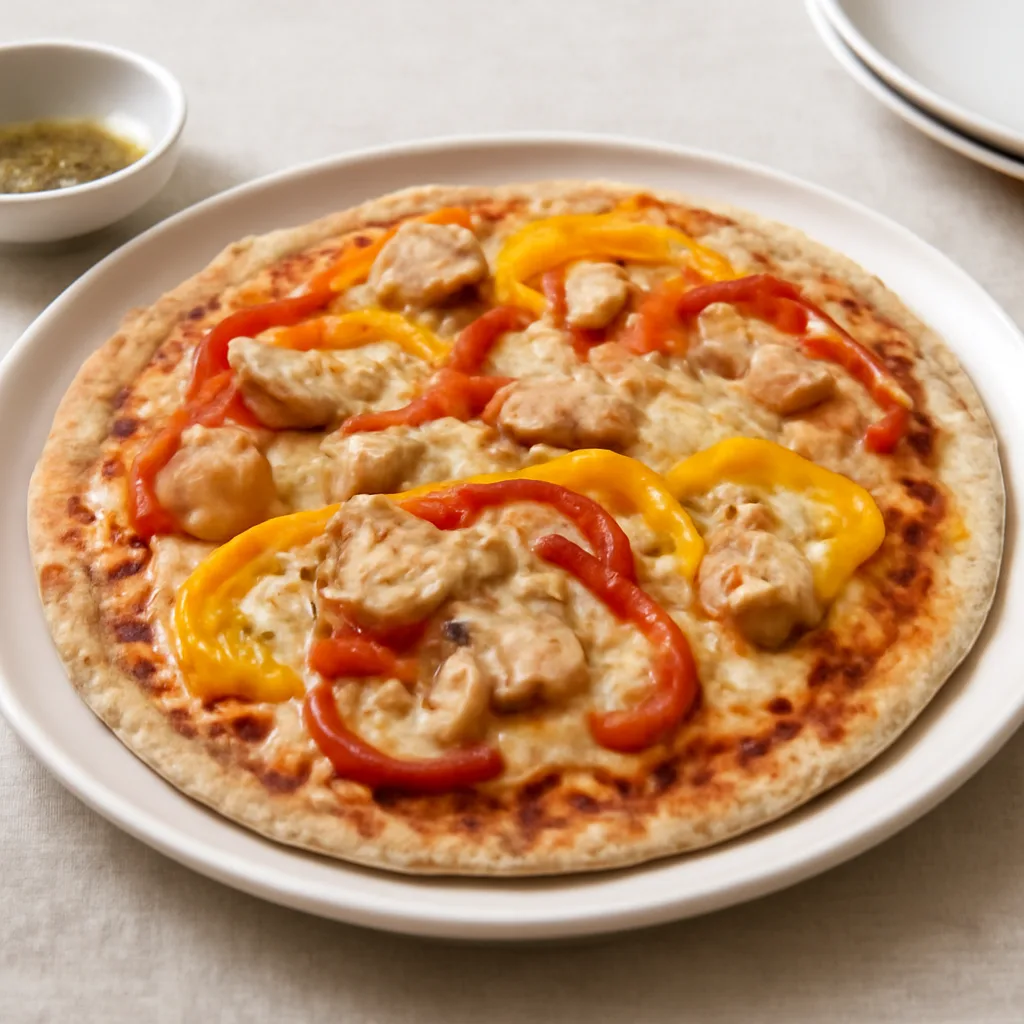
- Grate and melt over macaroni, potato gratin, or roasted vegetables to create a golden surface in the oven or under the grill.
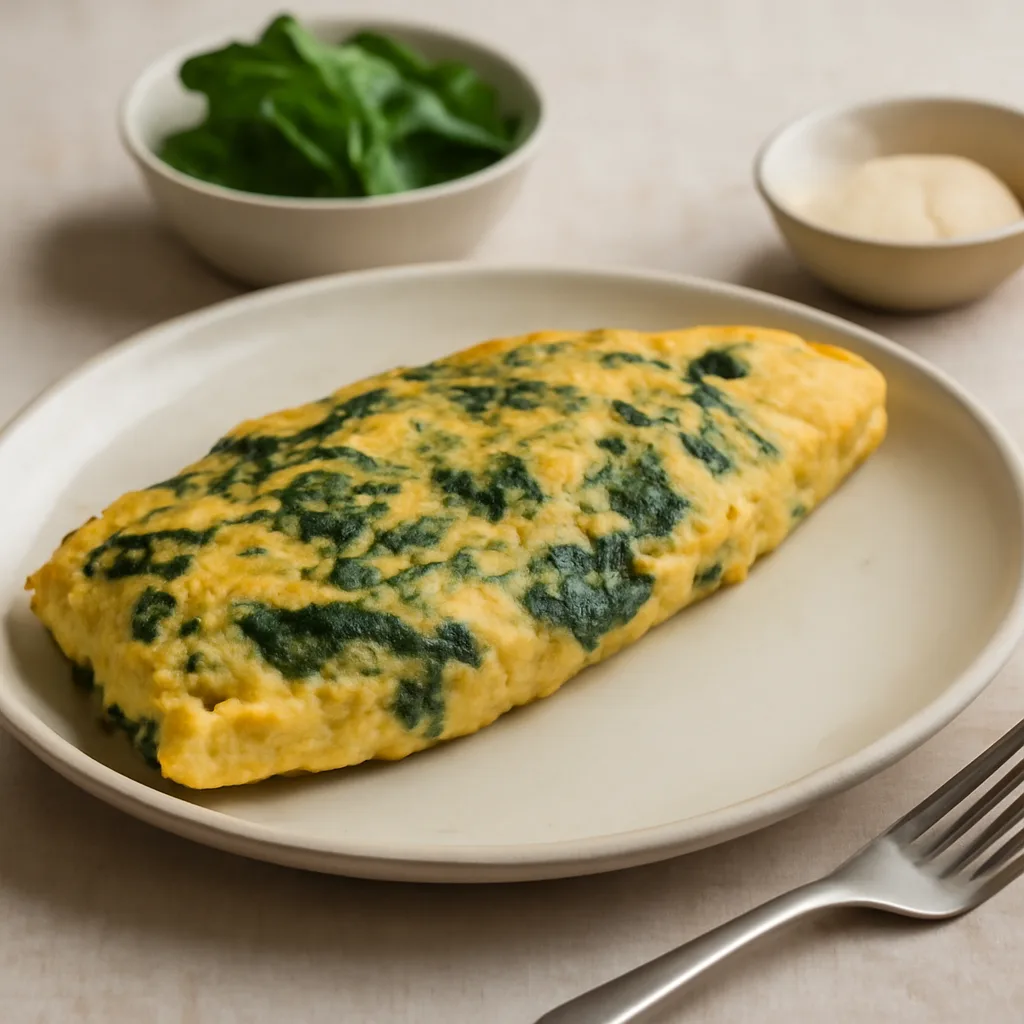
- Add to quick-heating dishes like omelets, scrambled eggs, or quesadillas to keep the inside moist and flavorful.
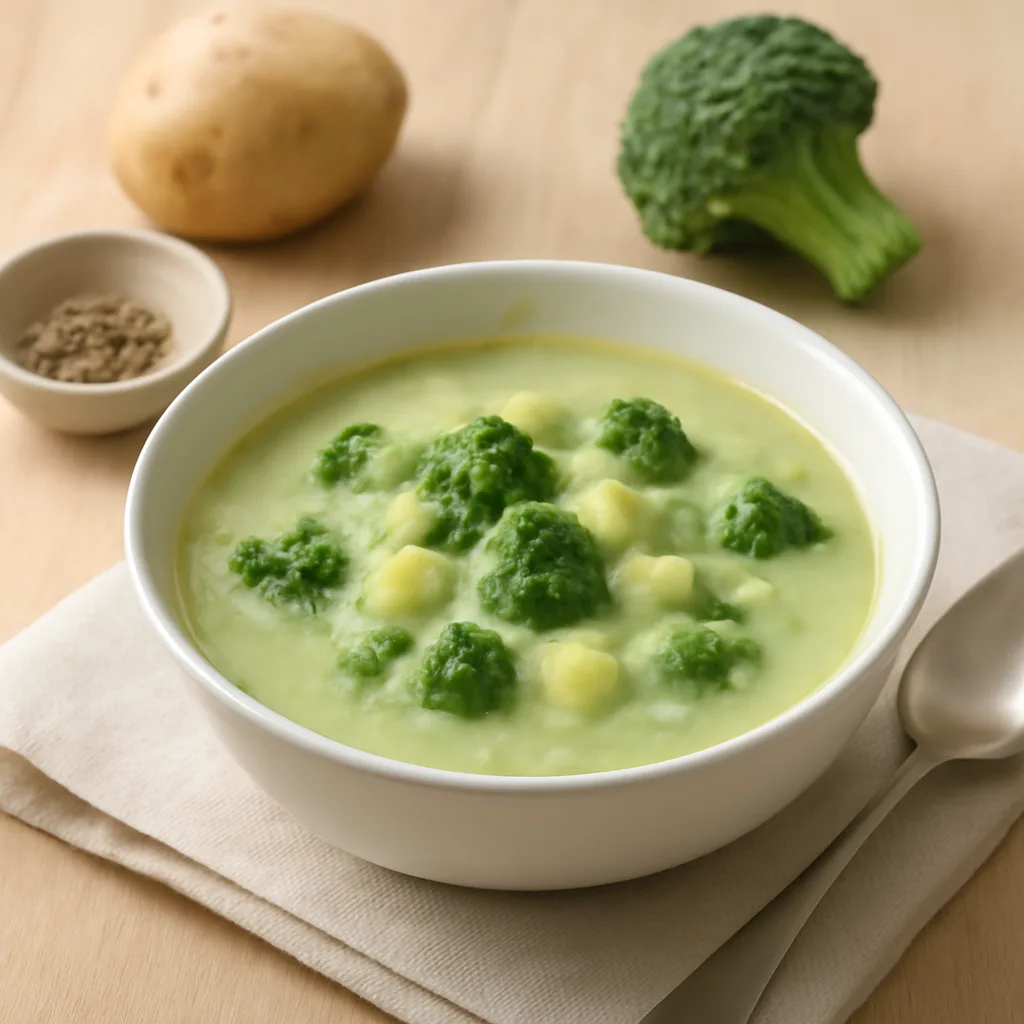
- Use in cheese sauces based on milk or cream to pair with pasta, boiled broccoli, or cauliflower.
- Grate finely or cut into small pieces and serve on a cold platter with apples, pears, or crackers.
Preparation tips
- When melting, grating the chunks yourself rather than using pre-grated packaged cheese helps the sauce blend more evenly. Pre-grated cheese can be treated to prevent clumping, which may affect smooth sauces.
- Cold cheese is easy to chop finely or slice thinly, so trim as much as needed before cooking and add right before cooking.
- When making cheese sauce, heat the liquid base such as milk or cream first, then reduce heat and gradually stir in cheese; if clumps form, add a small amount of warm liquid and stir slowly to loosen the sauce.
- For a golden surface, you can mix finely and slightly coarsely grated cheese on top. If too thick, the top may brown too quickly while the food underneath finishes.
Cooking characteristics
- Cheddar softens as fat and protein structures loosen with heat, but prolonged exposure to high heat can cause fat to separate and a grainy texture. If you see an oil layer in the pan or sauce, reduce heat and add warm liquids such as milk, cream, or pasta cooking water gradually to emulsify. Young cheddar with more moisture melts easily in toast and sauces, while aged cheddar is more flavorful and may melt less smoothly at the same amount. For sauces, base the primary ingredient on milder cheddar and stir in some aged cheddar to boost flavor as needed.
- pairingTips2? (note: keep existing properties)
- pairingTips: Cheddar's salty, nutty flavor pairs well with apples, pears, and onions which have a mild sweetness.
- pairingTips: Potatoes, pasta, bread, and tortillas as neutral starch ingredients complement cheddar's flavor and melt.
- pairingTips: Broccoli, cauliflower, mushrooms, and sautéed onions emphasize the earthy flavors of vegetables.
- pairingTips: Mustard, pickles, and tomatoes add acidity to balance richness, but long-simmering with highly acidic sauces may cause cheddar to separate, so add at the end.
Good combinations
- Cheddar의 짭짤하고 고소한 맛은 사과, 배, 양파처럼 은은한 단맛이 있는 재료와 균형이 좋습니다.
- 감자, 파스타, 빵, 또르티야처럼 담백한 전분 재료는 체다의 풍미와 녹은 질감을 잘 받아들입니다.
- 브로콜리, 콜리플라워, 버섯, 볶은 양파와 함께 쓰면 채소의 구수한 맛을 강조할 수 있습니다.
- 머스터드, 피클, 토마토처럼 산미가 있는 곁들임은 느끼함을 줄이지만, 산미가 강한 소스에 오래 끓일 때는 치즈가 분리될 수 있으므로 마무리에 넣는 편이 낫습니다.
Points to consider when substituting
- 녹는 치즈가 필요한 샌드위치나 그라탱에는 콜비, 몬터레이 잭, 고다처럼 비교적 잘 녹는 치즈를 대체로 사용할 수 있습니다. 다만 맛이 더 순하거나 달라질 수 있으므로, 체다의 진한 풍미가 핵심인 경우에는 머스터드나 볶은 양파 같은 보완 재료를 소량 더하는 방법을 고려할 수 있습니다.
- 치즈 소스에는 젊은 고다나 콜비가 무난하지만, 숙성 파르미자노처럼 단단하고 짠 치즈만 같은 양으로 바꾸면 소스가 지나치게 짜고 매끈하게 녹지 않을 수 있습니다. 이런 치즈는 일부만 섞어 마무리 풍미용으로 쓰는 편이 적합합니다.
- 색감만 주황색 체다처럼 맞추려는 목적이라면 다른 치즈로도 조리는 가능하지만, 색이 같다고 녹는 성질이나 맛까지 같지는 않습니다. 버거처럼 치즈의 늘어짐이 중요하면 부드러운 녹는 치즈를, 차가운 플래터처럼 풍미가 중요하면 숙성 고다나 단단한 치즈를 선택하는 것이 더 알맞습니다.
Ingredients commonly used together in actual dishes
Aggregated based on the co-occurrence count of representative ingredients in public dishes registered in CookPagoda.
Dishes that use this ingredient
Shows dishes where this ingredient is a representative ingredient, sorted by view count.