Ingredient Encyclopedia
Check the characteristics of the ingredients and how to use them in cooking.
Spinach
8
17
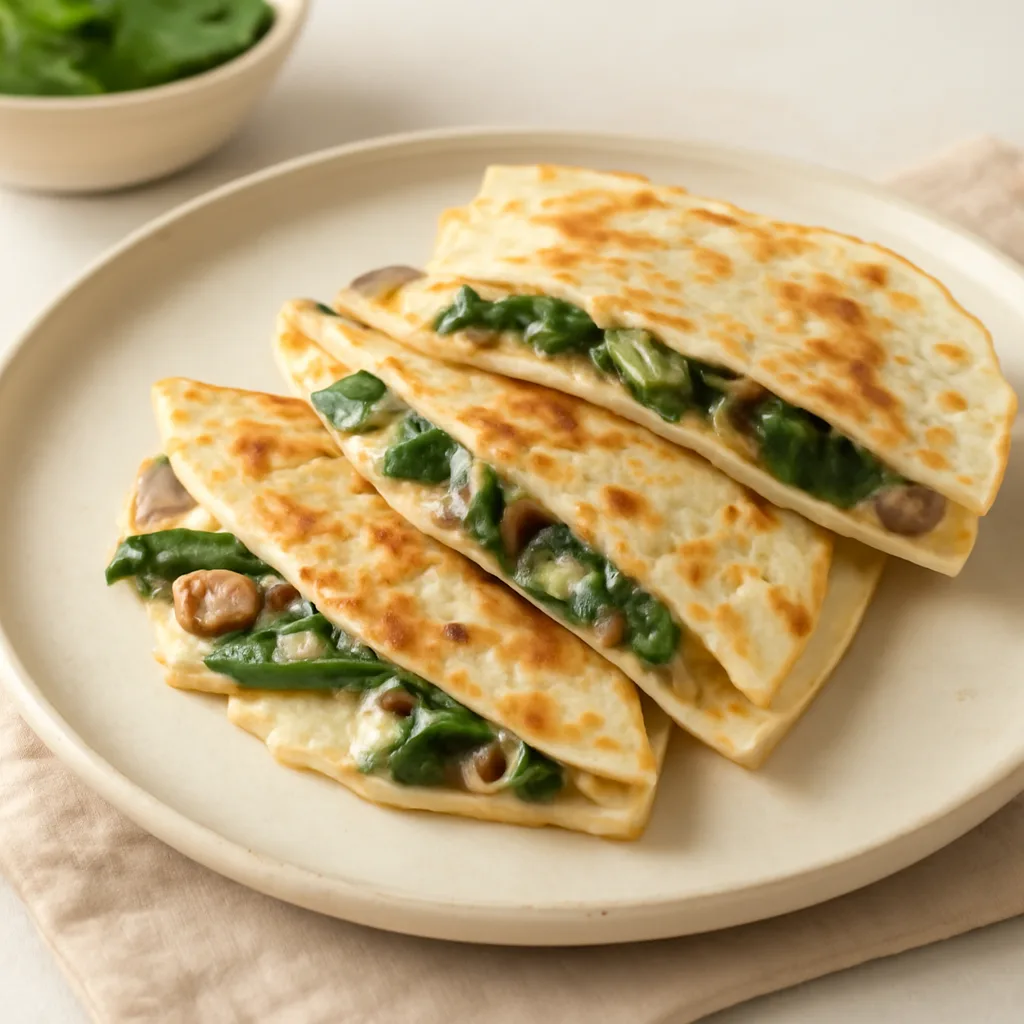
Spinach is a soft leafy green eaten with both leaves and stems, versatile in soups and stews, namul, stir-fries, and egg dishes. Young leaves are good raw in salads; mature leaves can be blanched or sautéed to reduce volume and used as side dishes or fillings. When heated, volume reduces quickly and moisture is released, so a large amount may appear but cooks down to a small amount. For clear soups, add at the end and cook briefly to preserve color and tender texture; for stir-fries, heat the pan well and add in batches to minimize water release. Even if the leaves look wilted, as long as there are no yellowed or slimy parts, they can be used for cooking, but fresh, firm leaves are better for raw use. Very thick stems take longer to cook than leaves, so staggered addition times can reduce textural differences.
Taste and Texture
Spinach has a fresh, faint earthy aroma, and cooking mellowens the flavor with a slight sweetness. Fresh leaves are tender when young, but thick stems and large leaves can feel chewy or slightly bitter. A brief blanching yields a moist, tender texture, but overcooking makes them mushy and dull in color. Using savory ingredients like oil or sesame can help soften the spinach’s aroma and round out the flavor.
Main uses
- Blanched spinach, after squeezing out water, is stir-fried with salt, minced garlic, sesame oil, and sesame seeds to make namul. If water isn’t drained well, the seasoning may be too thin, so after mixing and placing on a plate with water, it’s good to squeeze lightly again.
- In miso soup or clear soups, add near the end to cook briefly. If boiled for too long from the start, the leaves become overly soft, so turn off heat when they're wilted and stems are tender.
- Eggs: can be added to omelets, frittatas, or scrambled eggs. If adding many raw spinach leaves, moisture can make eggs watery, so briefly sauté to reduce moisture or chop finely and add little by little.
- Also pairs well with pasta, creamy sauces, risotto, or curries. However, cooking too long in sauce can cause the leaves to lose their presence, so add at the end to retain color and texture.
Preparation tips
- Rinse well, separating leaves to remove soil between roots and stems; trim the base and rinse several times. If sand remains, swish in a large bowl of water, drain, and ensure dirt doesn’t resettle on the bottom.
- For namul, parboil in salted boiling water, starting with the stems then the leaves briefly. Cool immediately to reduce residual heat causing further softening; avoid vigorous wringing to prevent tearing leaves.
- For stir-fried spinach, remove as much water as possible after washing. Beads of water on surface will cause steaming rather than sautéing, so dry with a salad spinner or clean cloth.
- Cut thick, long stems to about leaf length or slice lengthwise to promote even cooking. Young spinach stems are more tender, so avoid over‑mincing to prevent breakdown during cooking.
Cooking characteristics
- Spinach wilts and loses volume quickly as its cell walls break down and moisture escapes when heated. Do not crowd the pan; cook in batches over high heat or use a wide pan to prevent watery results.
- Blanched spinach will become tender with just a bit more cooking; watch until leaves turn bright green and stems soften. Reheating in soups or sauces after blanching is fine for a soft texture, but not ideal if you want to preserve shape.
- If you sauté garlic or onion in oil first, the aroma transfers to the leaves, but if garlic browns darkly it can overpower the delicate spinach flavor. Add spinach when the garlic aroma is rising and finish quickly.
- When cooking with acidic ingredients or very saucy recipes, account for the moisture spinach releases. Add at the very end to just wilt or pre‑saute to reduce moisture before mixing to maintain sauce consistency.
Good combinations
- Sesame oil, perilla oil, sesame seeds, garlic, soy sauce, and miso complement the fresh spinach flavor and provide a savory backbone for namul and soups.
- Pairs well with mild-tasting ingredients like eggs, tofu, mushrooms, and potatoes to keep spinach’s soft texture. In high-moisture combinations, dishes like soups or omelets that can absorb moisture are more stable than stir-fries.
- Cream, cheese, or butter suit rich sauce dishes, but too much strong cheese can mask spinach’s aroma. To keep spinach flavor, finish by adding leaves at the end rather than reducing sauce excessively.
- A splash of lemon juice or vinegar can brighten the flavor of cooked spinach. Don’t overdo it at the start; adjust after tasting.
Points to consider when substituting
- For dishes where the soft leaf texture matters, alternatives like chard, bok choy tender leaves, or mustard greens can be used as appropriate; however, their stems may be more watery or thicker, so cook stems first and adjust seasoning at the end.
- Kale, young beet greens, or arugula can substitute in stir-fries or pasta, but taste and texture will differ. Kale is tougher and may not soften with short cooking; arugula can lose flavor with heat, so add at the end.
- Fresh spinach raw salads can use a mix of baby greens or mild romaine, though they won’t perfectly replicate spinach’s moist, tender texture; consider substitutions when aiming for a refreshing salad.
- Frozen spinach can be used when the sauce needs color or body; thaw and squeeze out moisture well, or the sauce may become thin. If needed, reduce other liquids to adjust.
Ingredients commonly used together in actual dishes
Aggregated based on the co-occurrence count of representative ingredients in public dishes registered in CookPagoda.
Dishes that use this ingredient
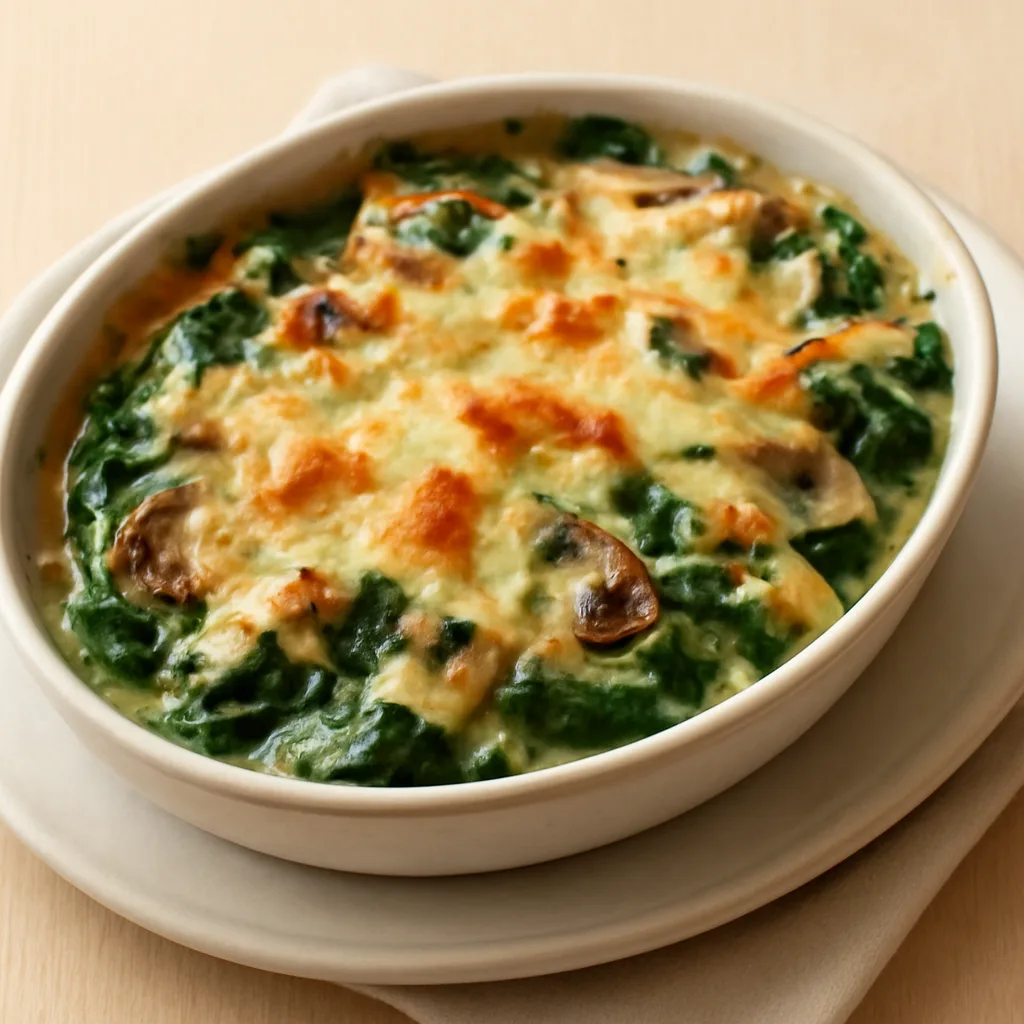
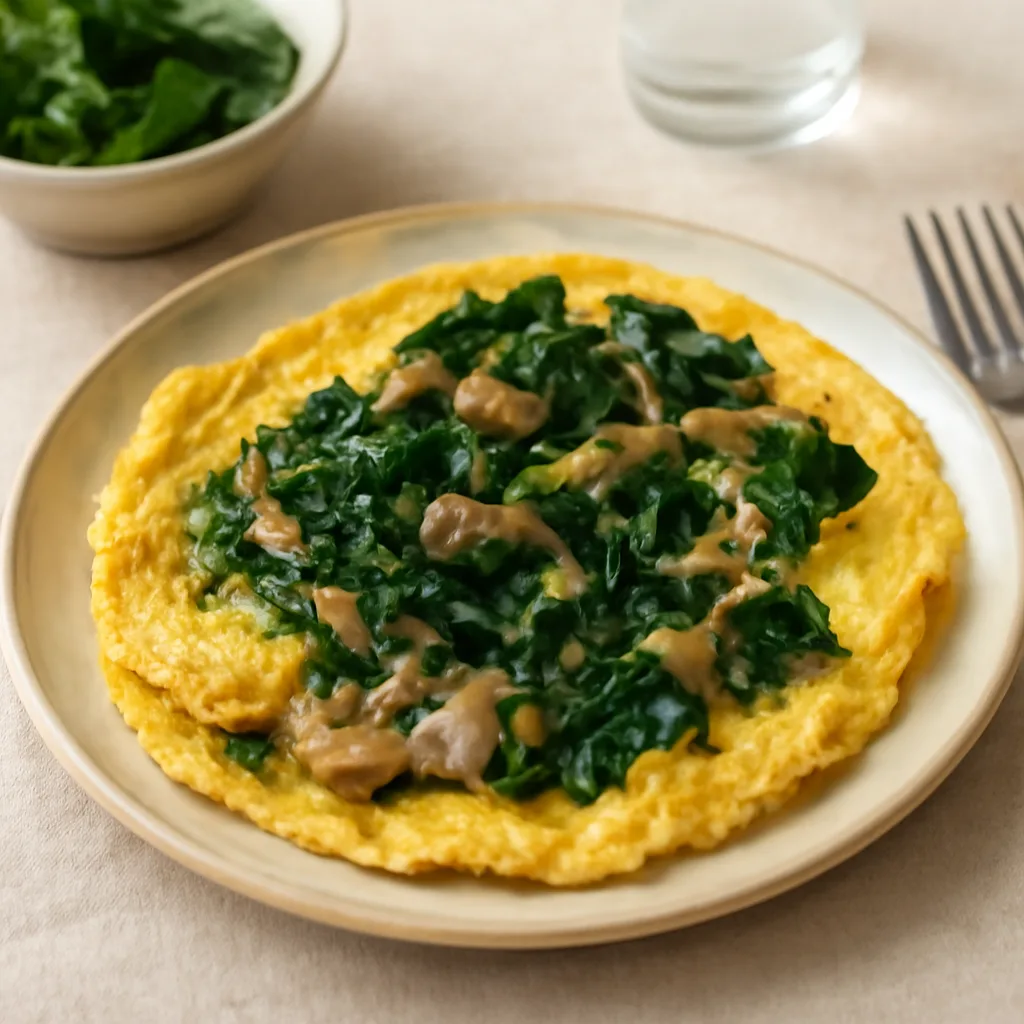
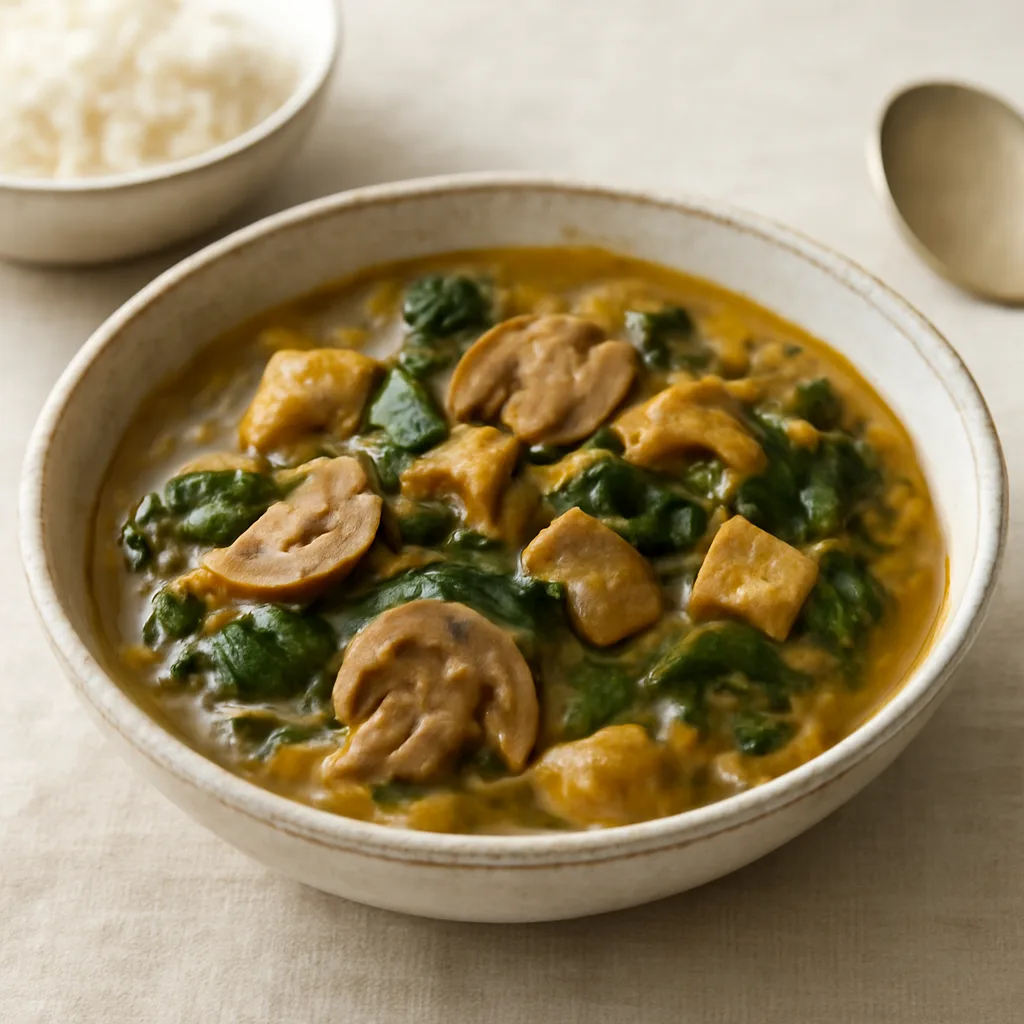
Shows dishes where this ingredient is a representative ingredient, sorted by view count.