Ingredient Encyclopedia
Check the characteristics of the ingredients and how to use them in cooking.
Coconut milk
4
7
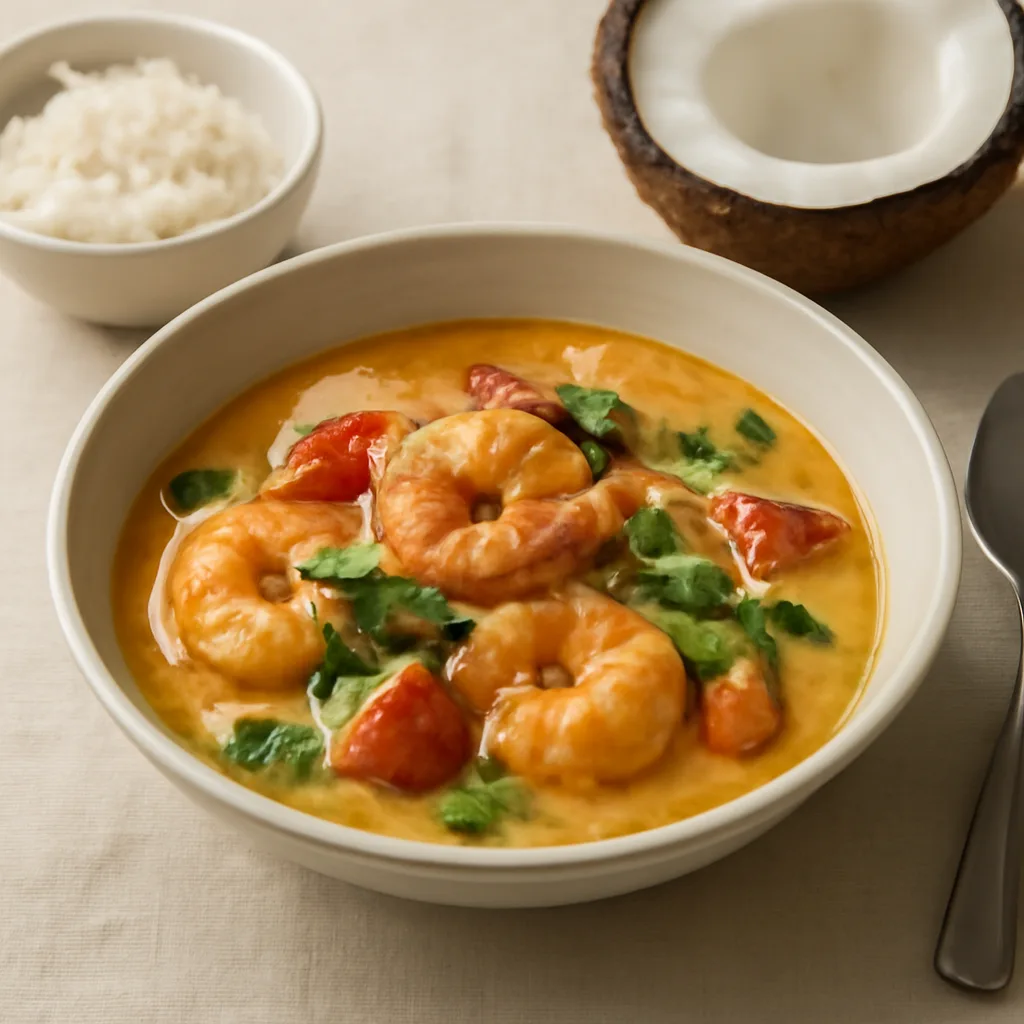
Coconut milk is a liquid ingredient made by squeezing finely ground coconut flesh with added water, featuring fat content and a subtle sweetness. It is used in dishes such as curries, soups, sauces, and desserts to add body and creaminess, rather than drinking like milk. When you open a can, a thick cream layer may be at the top and a thinner liquid may separate below. If you need a smooth, uniform sauce, shake or stir well, and if you want the oil to bloom spices, start with the thick cream layer and add the rest. Coconut milk, paired with acidic ingredients like tomatoes or citrus and with hot peppers or curry spices, will round out flavors. However, it can make many dishes rich, so for clear broths or dishes with delicate herb-forward profiles, use a small amount or consider a thinner coconut beverage.
Taste and Texture
Savory and creamy, with a distinctly sweet hint of coconut aroma. Because products vary in sweetness and thickness, sweetened coconut beverages are not ideal for savory curry-style coconut milk. When heated, it adds gloss and a rich mouthfeel to sauces, but prolonged vigorous simmering can cause fat to separate, making the surface look oily. This is more a sign of emulsification breaking than spoilage, so gently stir over low heat to restore texture.
Main uses
- Add to curries and stews to mellow spiciness and bitterness of spices and to thicken the broth. It pairs especially well with relatively bland ingredients like vegetables, chicken, and seafood, though it can feel heavy in dishes already rich with butter or cheese.
- Replace some of the broth or water in soups and sauces with coconut milk to add a smoother texture and nuttiness. Rather than swapping everything from the start, add only part first and adjust with broth or water if coconut aroma dominates the base.
- Use in cold or soft desserts like pudding, tapioca desserts, and ice cream bases. If the product is not sweetened, adjust sugar or other sweeteners separately.
- When cooking rice, use it as part of the cooking water, or use it as the liquid for simmering beans and vegetables. If the rice becomes too soft and oily, next time reduce the coconut milk ratio and increase water or stock.
Preparation tips
- Shake the container before use to mix the contents. If the cream layer is thick, soak it briefly in warm water and stir to blend smoothly.
- In dishes where you sauté spice pastes or minced garlic/ginger, add a small amount of the thick coconut milk first and simmer in a fried manner. When the surface releases a bit of oil and the aroma intensifies, add the remaining coconut milk or stock gradually.
- If a thin sauce is a problem, start by adding more coconut milk, then open the lid and simmer gently to check thickness. If too thick, gradually add water, unsalted stock, or tomato purée to adjust toward the dish's direction.
- Acidic ingredients are best added after the coconut milk has boiled enough for flavors to settle. If lime juice or vinegar is added too early and makes the flavor sharp, add small amounts at the end for balance.
Cooking characteristics
- When heated slowly over medium-low, fat and water mix well to form a smooth sauce. If the edges boil vigorously and an oil film forms on the surface, lower the heat and stir, adding a small amount of extra liquid if needed.
- Simmering longer concentrates both moisture loss and coconut aroma. It is advantageous for rich curries, but for seafood or delicate vegetables that cook quickly, reduce the sauce first to the desired thickness and then add at the end.
- When heated with starch-containing sauces, it can thicken more stably. However, too much starch can yield a glue-like texture instead of the coconut's soft mouthfeel, so add mixed with a slurry gradually.
- Chilled fat chunks will melt when heated, but a rapid boil over high heat may not yield a perfectly smooth texture. Use a whisk and heat slowly.
Good combinations
- Pair with lemongrass, ginger, garlic, chili, and curry spices to soften the strong spice profile with the sweetness of coconut.
- Lime juice, tamarind, or tomato—ingredients that add acidity—help cut richness. If acidity is too strong, adjust gradually at the end to preserve coconut aroma.
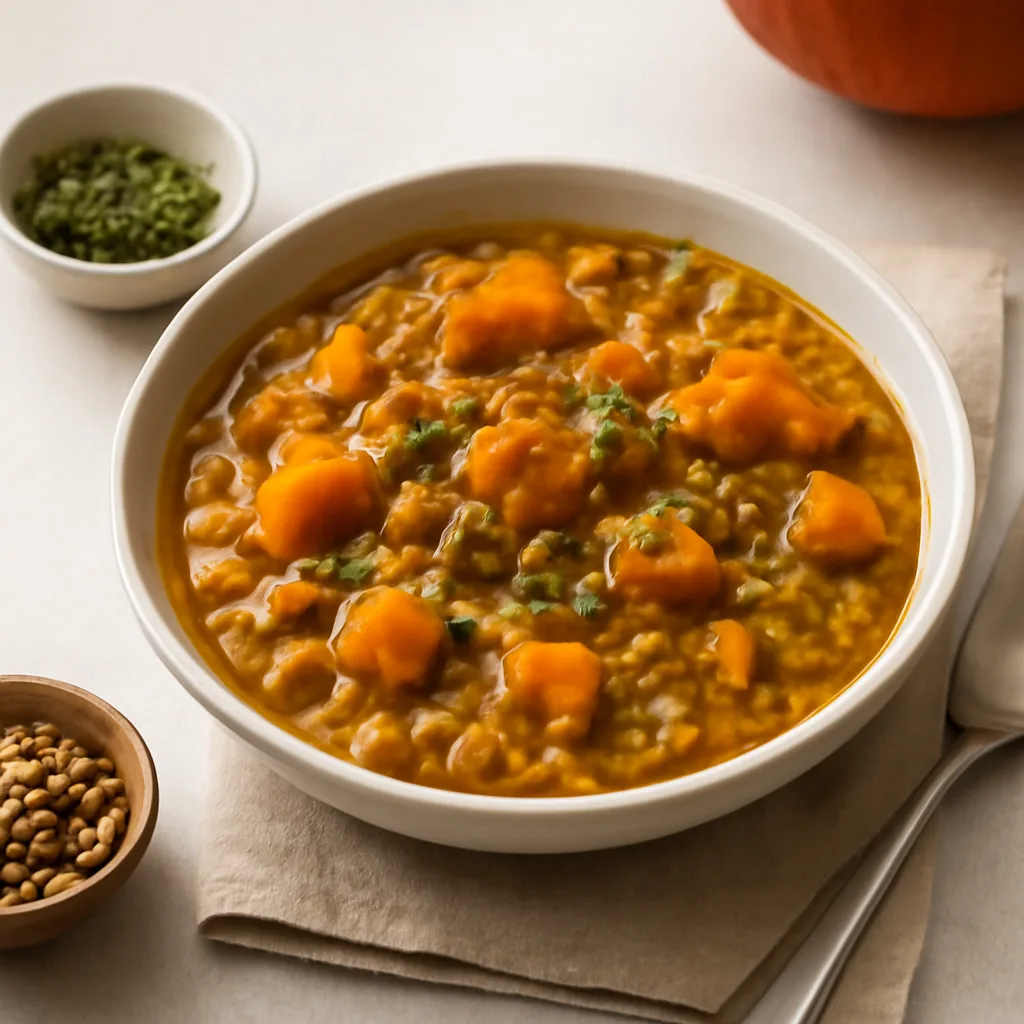
- Pairs well with highly absorbent ingredients like chickpeas, lentils, mushrooms, pumpkin, and eggplant to let the sauce’s flavors meld.
- Fresh herbs like cilantro, basil, and mint added at the end or just before serving provide a bright contrast to the heavy texture.
Points to consider when substituting
- For curry or soups that need coconut flavor, you can dilute coconut cream with water or stock as a substitute. Coconut cream is richer and fattier, so using the same amount can make the sauce too heavy.
- If coconut flavor is not essential, you can use unsweetened cream, half-and-half, or plant-based creams adjusted for the dish’s thickness. These substitutes won’t reproduce the coconut aroma and mild sweetness, so adjust lime, spices, and stock amounts accordingly.
- Thin coconut beverages may lack enough fat and solids to directly replace coconut milk in rich curries. If used, reduce water and simmer longer, or employ other method to adjust thickness as appropriate for the dish.
- In desserts, substitutions may strongly affect sweetness and texture. Replacing with milk or plant-based drinks changes flavor and body, so for puddings or ice creams where coconut flavor is core, a full substitute may not be suitable.
Ingredients commonly used together in actual dishes
Aggregated based on the co-occurrence count of representative ingredients in public dishes registered in CookPagoda.
Dishes that use this ingredient
Shows dishes where this ingredient is a representative ingredient, sorted by view count.