Ingredient Encyclopedia
Check the characteristics of the ingredients and how to use them in cooking.
Lentils
2
4
Lentils are small, flat legumes that are widely used in soups, curries, salads, and grain dishes after boiling or simmering. They don’t take long to soak, among dry beans they cook relatively quickly, but cooking time and how well they hold shape vary by variety and storage conditions. When added to broth, the starch and softened lentil flesh naturally thicken the liquid, and when cooked with the grains they provide a chewy element. For salads or pilafs where a firm texture is desired, avoid overcooking; for thick soups or sauces, you can cook them softer and even mash some portion. Lentils pair well with spices, acidity, and roasted vegetables, but depending on the dish you should adjust the cooking method. For example, adding acidic ingredients early can keep the bean skins from becoming soft too soon, so it’s more stable to add tomatoes, vinegar, or lemon juice after the lentils are nearly cooked.
Taste and Texture
The flavor is relatively mild and nutty with earthy notes. When cooked, it gains depth reminiscent of nuts. It blends well with strongly scented ingredients, but in delicate, clear broths the lentil’s own savor can change the character of the broth. Cooked lentils can be firm and grainy or easily break down into a creamy texture, depending on variety and cooking time. If the grains start to split, they’re suitable for thickening soup, but for salads it’s better to remove from heat as soon as the desired texture is reached.
Main uses
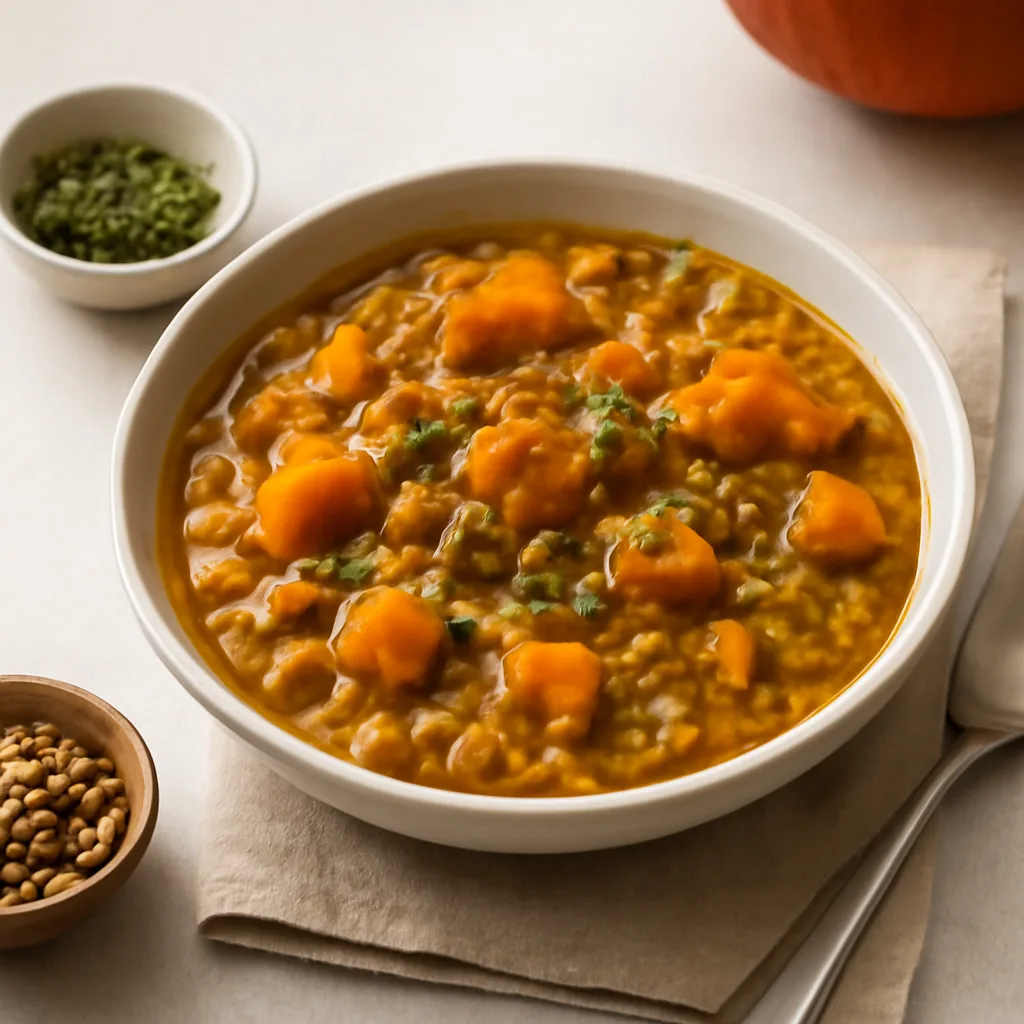
- Lentils are used as the base for soups and stews by sautéing onions, garlic, carrots, and celery with stock or water, then simmering. When some of the beans break apart, the broth naturally becomes thicker without extra thickeners.
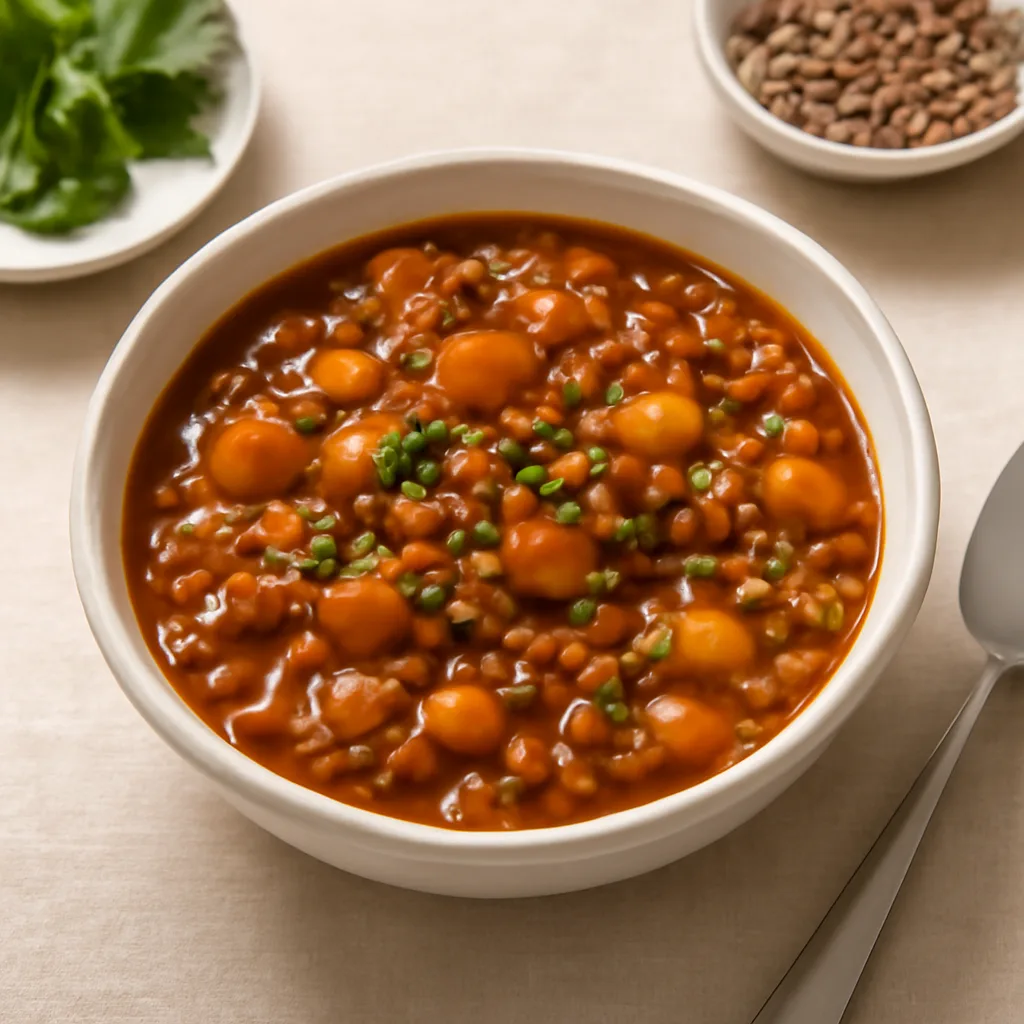
- Used in curries, tomato stews, and bean dishes with spices, they absorb flavors while providing satisfying chunks. When using acidic ingredients like tomatoes or vinegar, add them after the lentils are sufficiently tender to ease cooking time estimation.
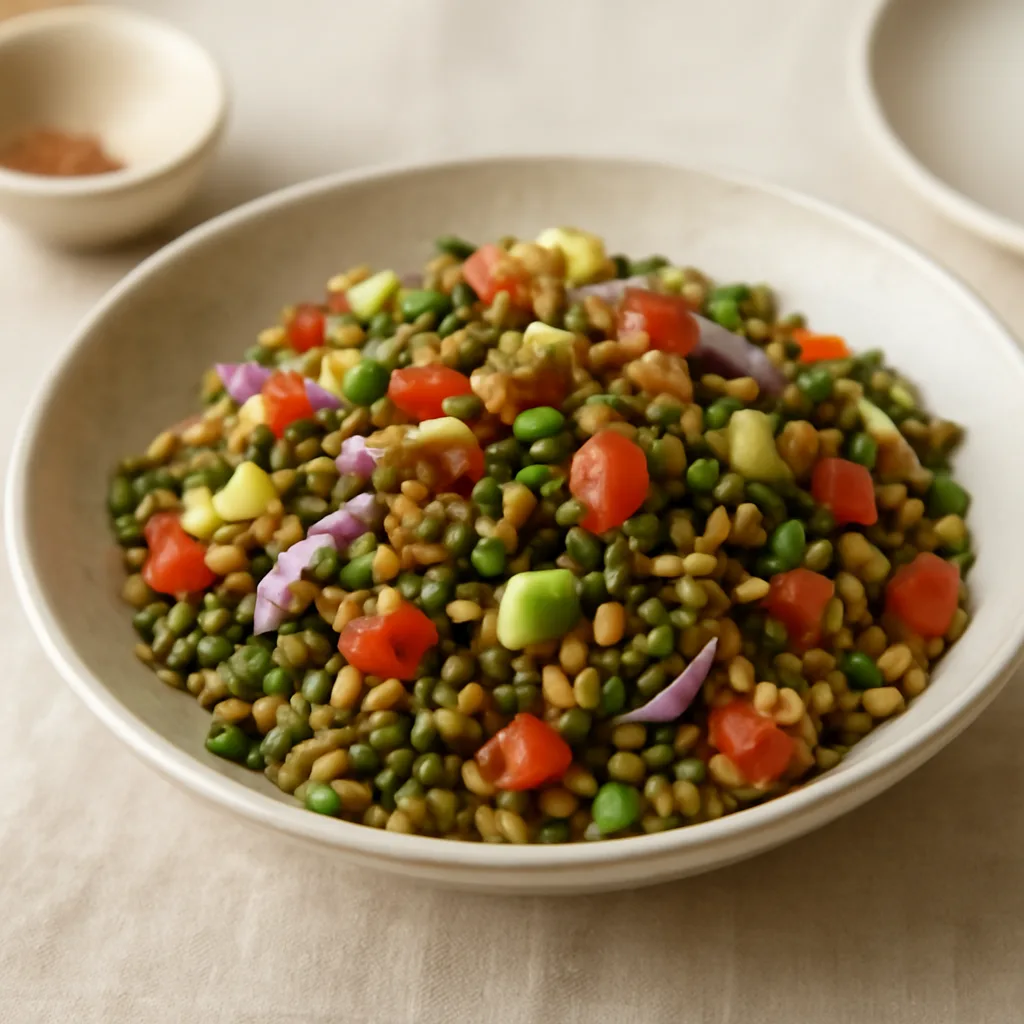
- Firmly cooked lentils are good in salads, grain bowls, and vegetable mixes. After boiling, spread them out to let steam escape to prevent over-softening from residual heat.
- Softly cooked lentils can be mashed or blended for patties, dips, or vegetable fillings. If the dough becomes too loose, add a small amount of bread crumbs or grain flour to help shape.
Preparation tips
- Sort dried lentils first to remove stones or damaged seeds, then rinse under running water several times. If the rinsing water is murky, it may be surface powder or debris, so rinse until the water runs clear for a cleaner broth.
- Soaking is not mandatory, but soaking a little can shorten cooking time or help even cooking. If soaking for a long time, and there are still hard seeds, boil from fresh water.
- For salads, boil lentils just until tender and remove from heat when they still hold shape under finger pressure. If they become too soft, better use them in soups, sauces, or mashed preparations.
- Salt can be added at the beginning or middle, but very salty broths or soy sauces make final seasoning difficult. Cook gently to finish with balanced flavor.
Cooking characteristics
- Lentils absorb water, increase in volume, and as heat continues, the skins split and the inside becomes soft. This helps thicken broths but for dishes needing whole grains keep a gentle simmer and check occasionally.
- Rapid vigorous boils and frequent strong heat can cause lentils to break apart quickly. Simmer with a steady number of small bubbles so they cook evenly and maintain shape.
- Acidity from tomatoes, wine, vinegar, or citrus can keep lentils firmer. If lentils stay hard after adding acidic ingredients, stop adding more acid and add water or stock, then cook further.
- When cooked lentils are fried in a pan, surface moisture evaporates and a nutty aroma develops, but very soft beans can easily crumble. In this case, rather than vigorous stirring, spread them out and heat softly, or mix into sauces.
Good combinations
- Sauté onions, garlic, carrots, and celery first to develop sweetness and aroma, then add lentils for a mild, deeper flavor.
- Warm-spice blends like cumin, coriander seeds, paprika, turmeric, and pepper pair well with the lentil’s nutty flavor. If the spices have faded, toast briefly in oil to release aroma before adding liquid.
- Tomato, lemon, vinegar, and yogurt add acidity to balance the soft lentil flavor. Add acidic elements after the lentils are fully cooked to control texture and cooking time.
- Pair with leafy greens like spinach, roasted root vegetables, mushrooms, and grains such as rice or couscous for textural contrast. When adding to a soft soup, pair with crispy bread or roasted nuts to brighten the texture.
Points to consider when substituting
- If you don’t have lentils for thick soups or curries, split peas or cooked chickpeas can be used. Split peas blend more easily to achieve similar thickness, but taste and color will differ; chickpeas have firmer texture and may require adjusted cooking times.
- For salads where grainy texture is important, firm-cooked chickpeas, white beans, or black beans can be alternatives. They are larger and chewier than lentils, so adjust dressing and other components accordingly.
- In mashed patties or dips, cooked beans can substitute, but moisture content differs so dough texture may change. If too loose, add a little flour; if too stiff, add water or sauce gradually.
- Lentils’ quick cooking and ability to form broth make them not a perfect substitute in some dishes. If time is tight, rather than cooking whole beans longer, add canned beans at the end and mash some portion of the broth to adjust thickness.
Ingredients commonly used together in actual dishes
Aggregated based on the co-occurrence count of representative ingredients in public dishes registered in CookPagoda.
Dishes that use this ingredient
Shows dishes where this ingredient is a representative ingredient, sorted by view count.