Ingredient Encyclopedia
Check the characteristics of the ingredients and how to use them in cooking.
Pumpkin (butternut squash)
2
2
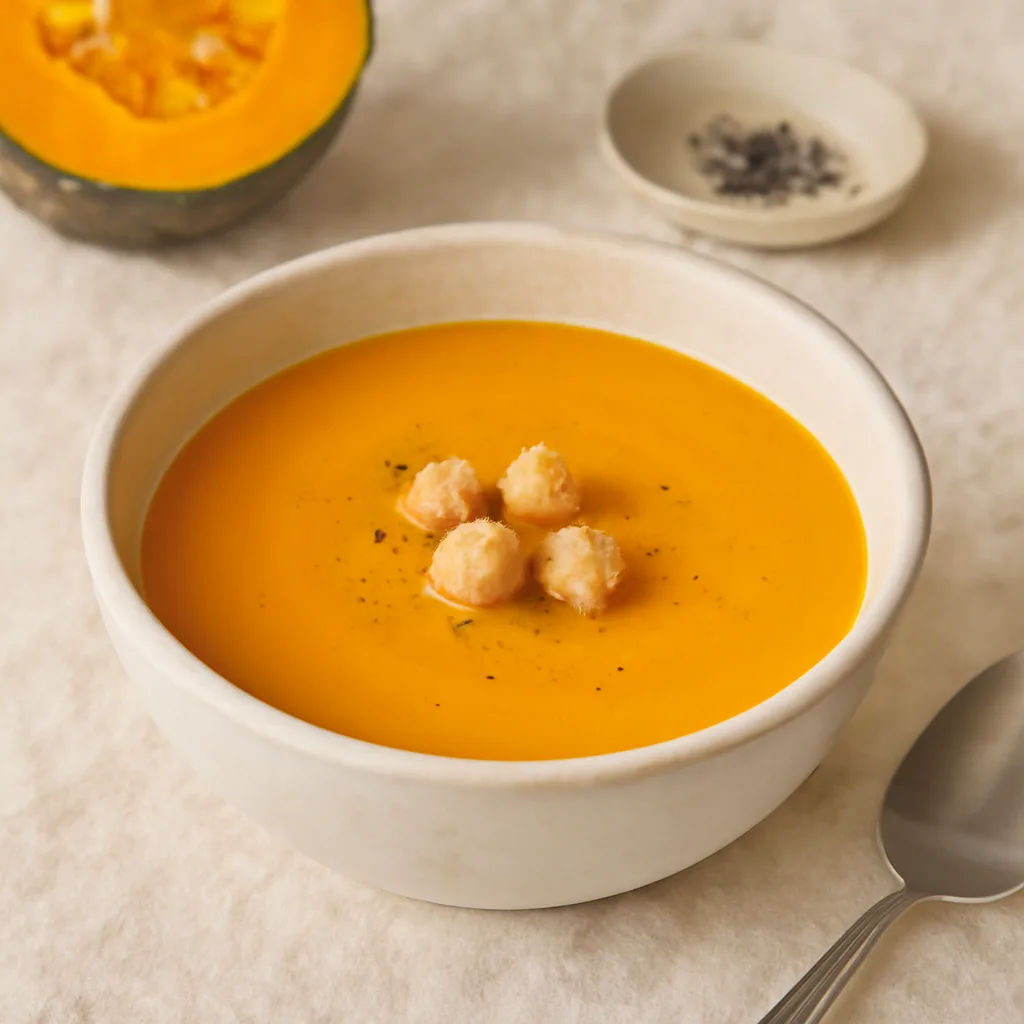
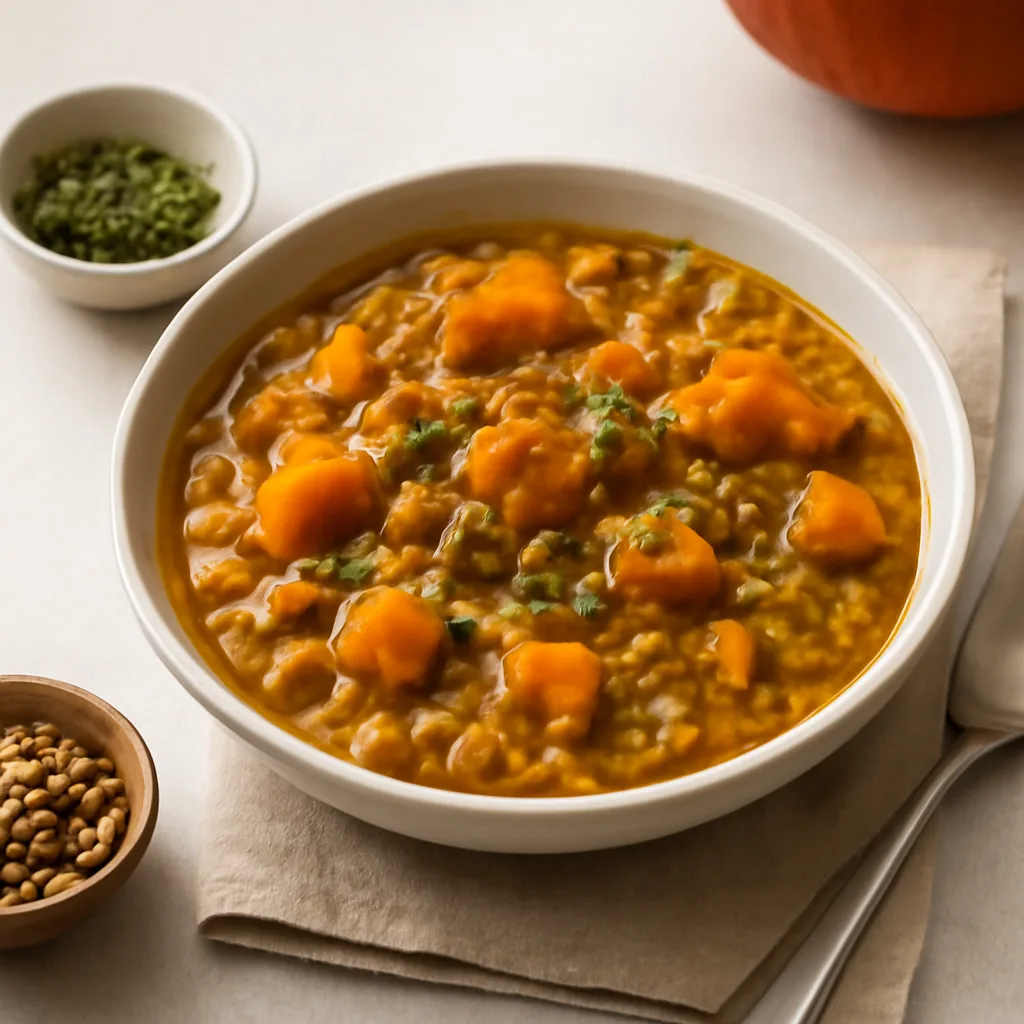
Pumpkin (kabocha) is a winter squash used widely for steaming, roasting, porridge, soups, and salads, highlighting its sweetness and fluffy, creamy texture. It holds its shape relatively well when cooked with the skin on, so it’s great for stuffing and serving in large pieces, or mashing after cooking to add natural body and thickness. Before cooking, stabilize the hard skin by trimming and making a flat surface to prevent wobbling, then cut. Lightly cook with microwave or steaming to ease handling, then trim; this makes the knife less slippery and the cuts more even. For sweeter flavor, roast; for a softer texture and more moisture, steam or boil. The natural sweetness of pumpkin is already pronounced, so adding a lot of sugar or very sweet sauces can weigh down the flavor. Conversely, adding savory ingredients such as cream, cheese, or nuts or salty seasonings like salt and pepper can sharpen the sweetness.
Taste and Texture
Cooked pumpkin offers a gentle yet distinct sweetness and a nutty flavor, with a fluffy, chestnut-like texture. When fully cooked, the interior softens easily but the skin can retain some shape. Steamed pumpkin is mild and moist, while roasting in the oven or on a pan concentrates sweetness and savoriness as surface moisture evaporates. If added directly to soup, chunks may remain undercooked, so puree only after the pumpkin is tender enough for a smooth texture.
Main uses
- Pumpkin can be steamed and eaten as a side or snack, or mashed as a base for porridge and soups.
- Large pieces roasted in oven or air fryer have edges slightly dry and interior soft, making it great for salads, grain dishes, and roasted meat accompaniments.
- Mashed pumpkin can be mixed into bread, pancakes, croquettes, dumplings, or pasta fillings to add sweetness and body.
- The skin is sturdy enough to function as a vessel, so halving and removing seeds to stuff with rice, cheese, or chopped vegetables and then baking is also possible.
Preparation tips
- Wash the surface, trim the hard stem and bottom, create a flat side to prevent wobbling, then cut.
- If the fresh pumpkin is very hard, briefly heat it whole or in large pieces to soften slightly, let cool a bit, then slice. When the knife starts to cut in easily, divide to your desired sizes, but full softness will ruin shapes intended for certain dishes.
- Scoop out seeds and fibrous strands with a spoon. When stuffing and roasting, don’t hollow out too much so the skin vessel stays intact.
- The skin can be eaten after cooking, but if you dislike a rough texture, remove the flesh after cooking and use only the flesh. For a smooth purée, remove skin and press through a sieve once.
Cooking characteristics
- Steaming or boiling loosens the starchy flesh into a puree that thickens soups and porridge. If you blend with too much water, flavor can dilute, so start with less liquid and add stock or milk gradually as needed.
- Roasting concentrates sweetness and nutty aroma as surface moisture evaporates. If pieces are tightly packed, they may steam instead of brown; to get browned edges, lay them in a single layer.
- Small cubes cook relatively quickly, but overcooking can cause edges to crumble, making it harder to use in stir-fries or salads. Turn off heat when forks can enter with pieces still intact.
- Acidity in ingredients can make pumpkin sweetness more pronounced. However, adding vinegar or lemon juice too early can sharpen the overall flavor, so add a bit at the end for soups or salads.
Good combinations
- Butter, olive oil, heavy cream, milk, and cheese soften the fluffy texture and pair well with soups and gratins.
- Salt, pepper, garlic, onion, and herbs balance sweetness, making it suitable as a side dish or accompaniment to main dishes.
- Nuts and seeds provide a contrasting crunch against the soft pulp, ideal for roasted pumpkin salads or mashed pumpkin toppings.
- Citrus juice, vinegar, and yogurt add brightness, but may not suit sweet desserts where high acidity is not desired.
Points to consider when substituting
- In pureed dishes like soups, porridge, or purées, aged pumpkin or sweet potato can be used as substitutes. Aged pumpkin may have more moisture, so add liquid gradually to adjust thickness.
- For dishes where the roasted piece form and fluffy texture matter, chestnut squash or other solid winter squashes are close alternatives. Different substitutes vary in sweetness and cooking rate; even cut the same size, monitor doneness mid-way.
- Potatoes add sweetness and density but not the distinctive pumpkin aroma and moist texture. If filling and baking as a vessel, substitutes may not be suitable.
- Zucchini has high moisture and softens quickly, so it is not a good one-to-one substitute for pureed or roasted pumpkin. It can be used in light stir-fries or broths, but adjust cooking time and thickness separately.
Ingredients commonly used together in actual dishes
Aggregated based on the co-occurrence count of representative ingredients in public dishes registered in CookPagoda.
Dishes that use this ingredient
Shows dishes where this ingredient is a representative ingredient, sorted by view count.