Ingredient Encyclopedia
Check the characteristics of the ingredients and how to use them in cooking.
Carrot
9
16
Carrots are a root vegetable that add sweetness and bright color; when raw they stay crisp, and when cooked they become soft and sweet. Depending on method of handling moisture and heat—broth, sautéing, braising, salads—their role changes greatly. Sliced thin, they cook quickly and blend with other ingredients; cut into larger chunks, they keep their shape for dishes like steaming, curry, and stews. However, too-large pieces may have a soft exterior with a hard center, so adjust size to match cooking time. Carrots can form the base flavor in dishes with strong aromatics like onion and celery, and can contribute color and subtle sweetness to eggs and meat dishes. They are useful in recipes needing sweetness, but in sauces that are already very sweet, adding a lot can make the overall flavor feel heavy and sweet.
Taste and Texture
Raw carrots are crunchy and firm when bitten, with a fresh earthy aroma and a gentle sweetness. Carrots with thicker, denser centers can have a more pronounced texture when sliced into thin strips. When heated, the tissue softens and the sweetness becomes more pronounced. Sautéed or roasted, the edges brown and develop a toasty flavor, but simmering in water for a long time dulls both aroma and texture contrast.
Main uses
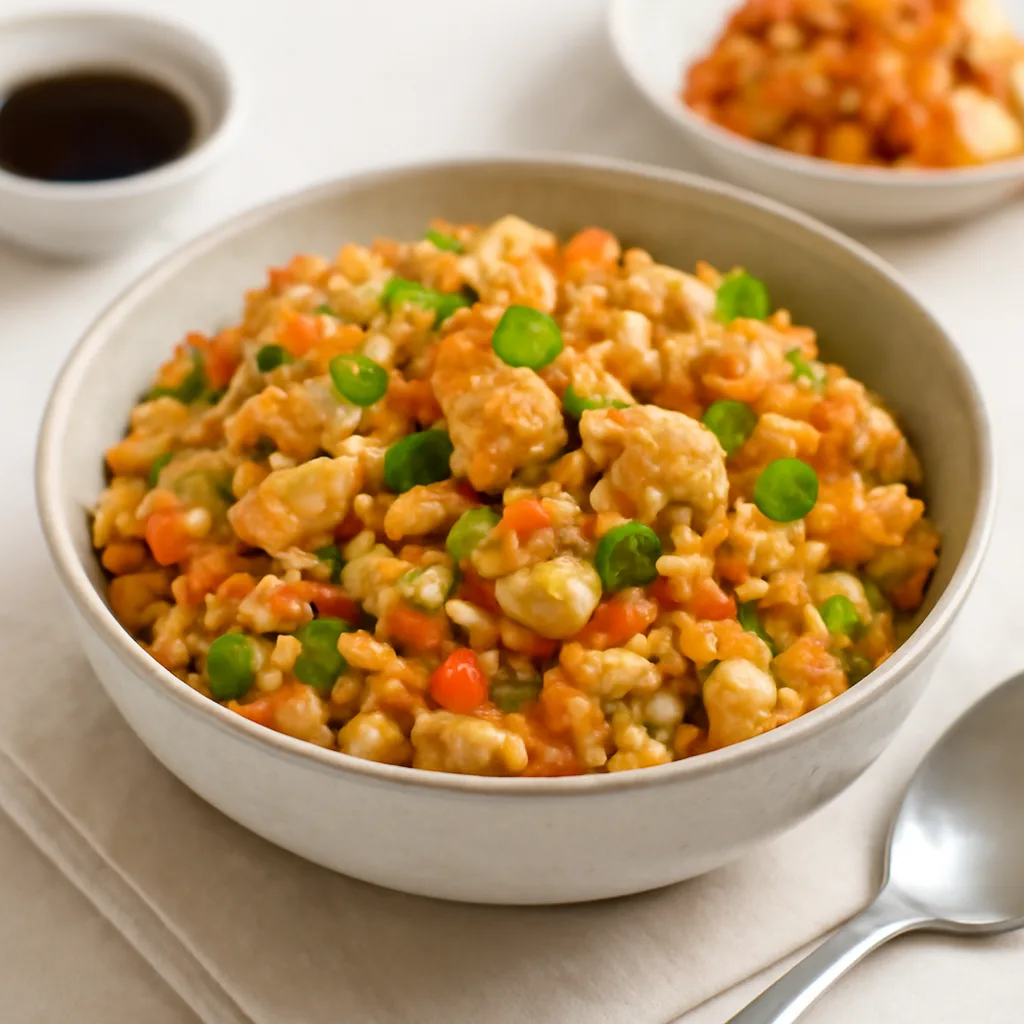
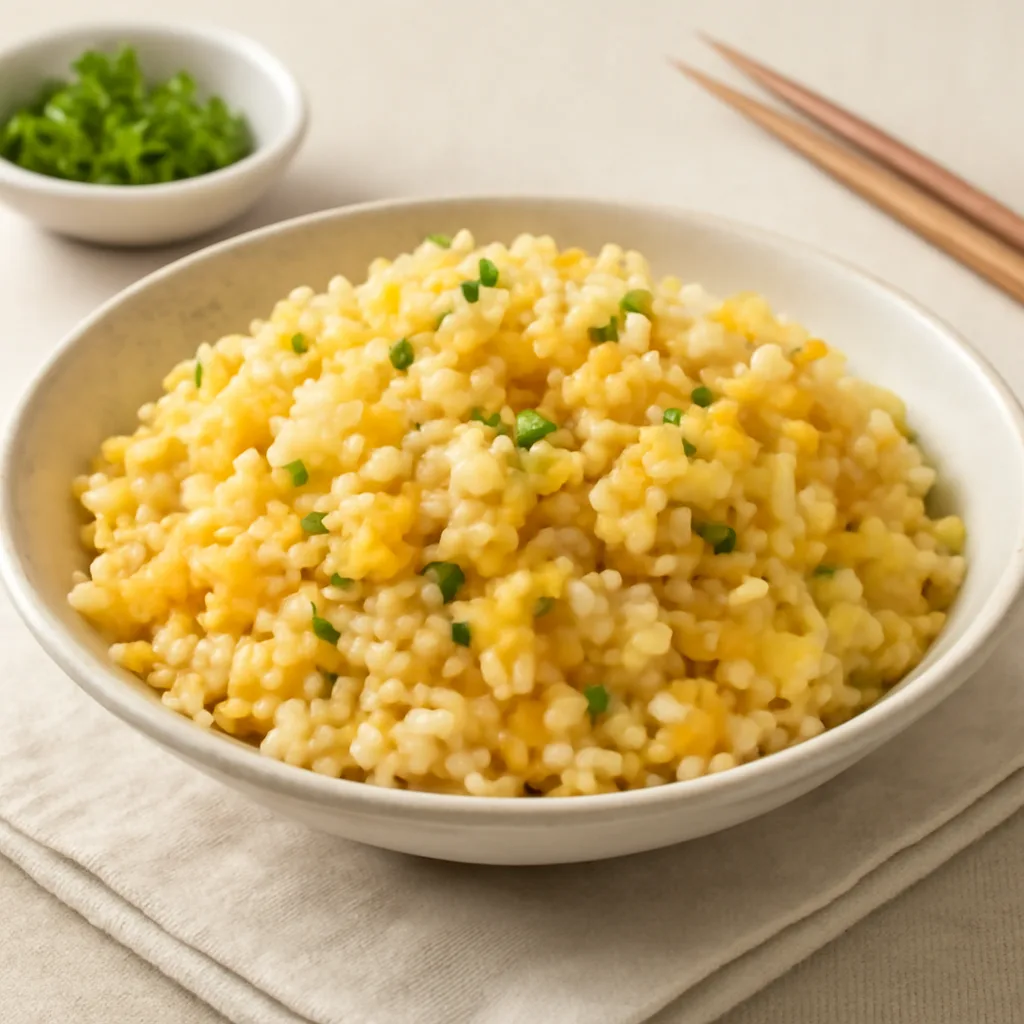
- Finely chopped carrots are used with onions and celery as a base for soups, sauces, curries, and fried rice. Start with medium-high heat to avoid rapid browning on the edges, then reduce to medium and cook slowly to develop aroma.
- Shredded carrots add color and crispness to salads, bibimbap, kimbap, and pickles. If they taste very fresh, briefly salt and press to remove moisture, or blanch lightly before using.
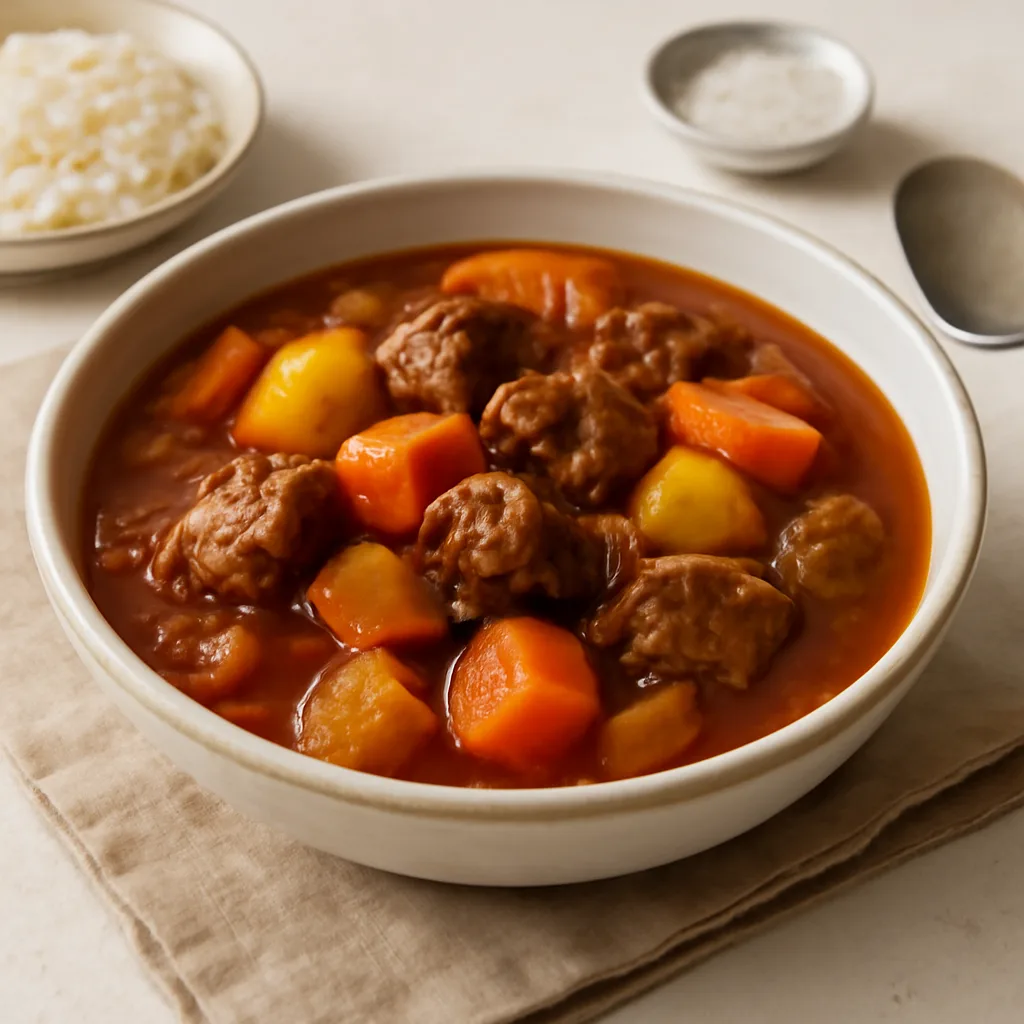
- Coarsely chopped carrots go into curries, braises, stews, and braised dishes as soft chunks. When cooking with potatoes, add the firmer carrots first and add the thinly sliced ones later to prevent them from becoming too mushy.
- Grated or finely minced carrots mix well into pancakes, meatballs, vegetable patties, and doughs. If too much moisture is released, reduce the amount grated or adjust moisture from other ingredients.
Preparation tips
- Rinse under running water to remove soil and debris, trimming around the stems or rough patches as needed. If the skin is clean and smooth, peeling is not necessary, but remove tough surfaces or damaged areas for even texture.
- Carrots with uneven thickness cook at different rates. For sautéing or broth-based dishes, slice to similar thickness to ensure uniform doneness.
- Salad vegetables can dry out if cut too far in advance. If used later, cover to prevent drying and toss with dressing just before serving.
- When braising or roasting, pat dry the surface of the carrot. Excess moisture lowers the pan temperature, causing water to evaporate first and delaying browning and flavor development.
Cooking characteristics
- When heated, the carrot’s firm structure softens and its sweetness becomes more noticeable. If a fork can easily slide to the center, it’s done; if you want to keep some shape in a broth-based dish, turn off the heat just before that point.
- Frying with oil blends the carrot’s flavor with fat-soluble spices, garlic, and onion, and adds a roasted, toasty note. If the pan dries out and color darkens too quickly, lower the heat or add a small amount of water or stock to finish cooking.
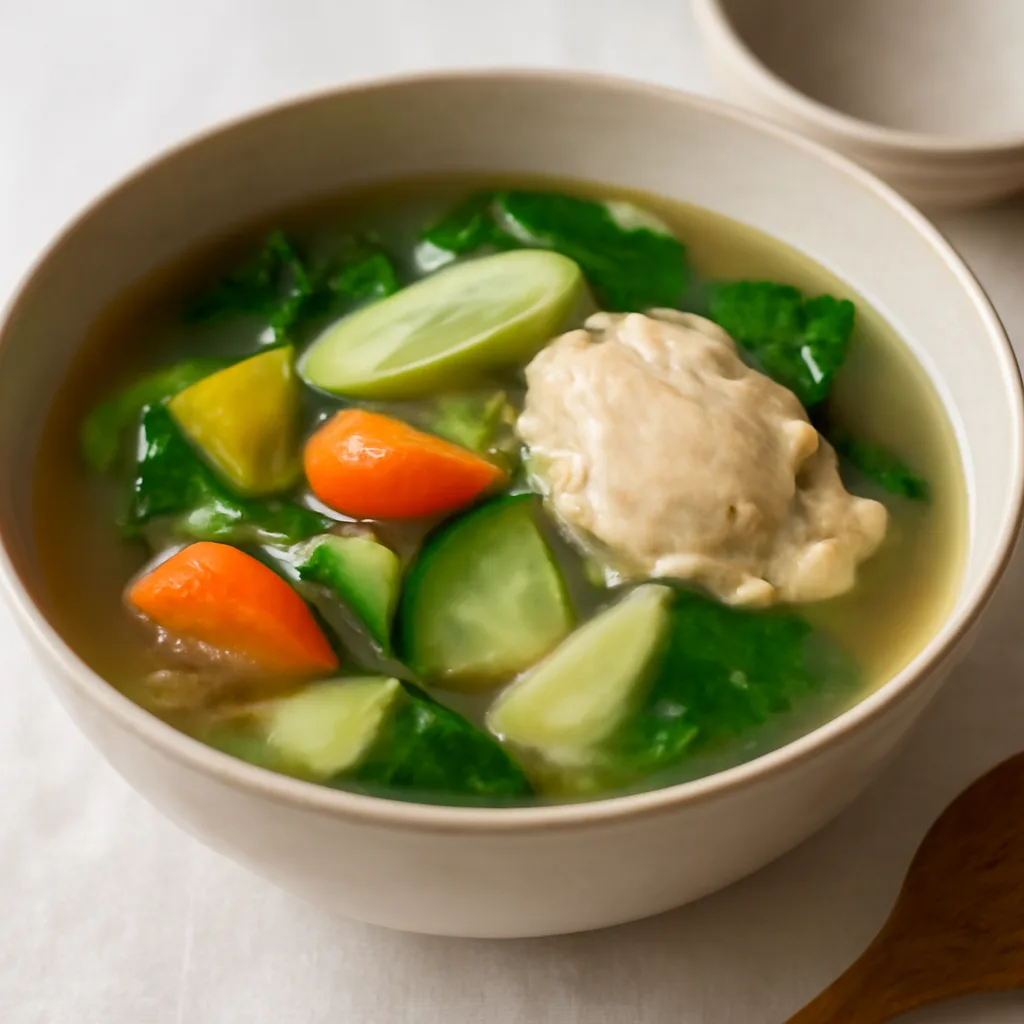
- Simmering in water or stock lets the carrot’s sweetness diffuse into the broth, rounding the overall flavor. To maintain a clear broth, avoid overcooking, and remove or reduce heat when the desired tenderness is reached.
- Roasting in the oven or on a pan concentrates moisture and sugars, enhancing sweetness and roasted aroma. Very small pieces can become dry and tough, so roast thin slices quickly at high heat or flip halfway.
Good combinations
- Pair with onion, garlic, celery, and scallions to mellow the sweet carrot notes and form a flavorful base for soups, sautés, and broths.
- Fats like butter, olive oil, or sesame oil enhance the soft, savory aroma of cooked carrots. Oils with strong aroma (like sesame oil) should be used sparingly in salads to avoid masking the fresh carrot flavor.
- Acidic elements like lemon juice, vinegar, and yogurt balance the carrot sweetness and suit salads or roasted carrots. If a dish already contains acidic pickles or strong vinaigrette, add acidity gradually to preserve sweetness.
- Pairing with beef, chicken, chickpeas, and lentils helps balance the delicate sweetness with a richer taste. While spicy peppers or strong spices are helpful, carrots do not replace the heat themselves.
Points to consider when substituting
- For soups, curries, and stews that need carrot’s soft sweetness and chunk texture, you can substitute parsnip, pumpkin, or sweet potato as appropriate. Note that sweet potatoes and pumpkins soften faster or be sweeter, so adjust quantity and timing accordingly.
- For crunchy color in raw dishes, alternatives include radish, kohlrabi, or bell pepper. These have different sweetness and chewiness, so for dressings that rely on sweetness, add some fruit or a sweeter ingredient separately.
- In fried rice or ground meat preparations, you can swap small carrot pieces for zucchini, bell pepper, or onion, but moisture and cook time will differ. Using zucchini can release moisture, so sear quickly on high heat to drive off water; if color is the only need, add bell pepper at the end.
- Carrot as the main ingredient in roasted carrot dishes, braises, or soups is highly substitution-sensitive; even similar root vegetables require adjusting sweetness, color, and cooking time, so a one-to-one substitution is rarely possible.
Ingredients commonly used together in actual dishes
Aggregated based on the co-occurrence count of representative ingredients in public dishes registered in CookPagoda.
Dishes that use this ingredient
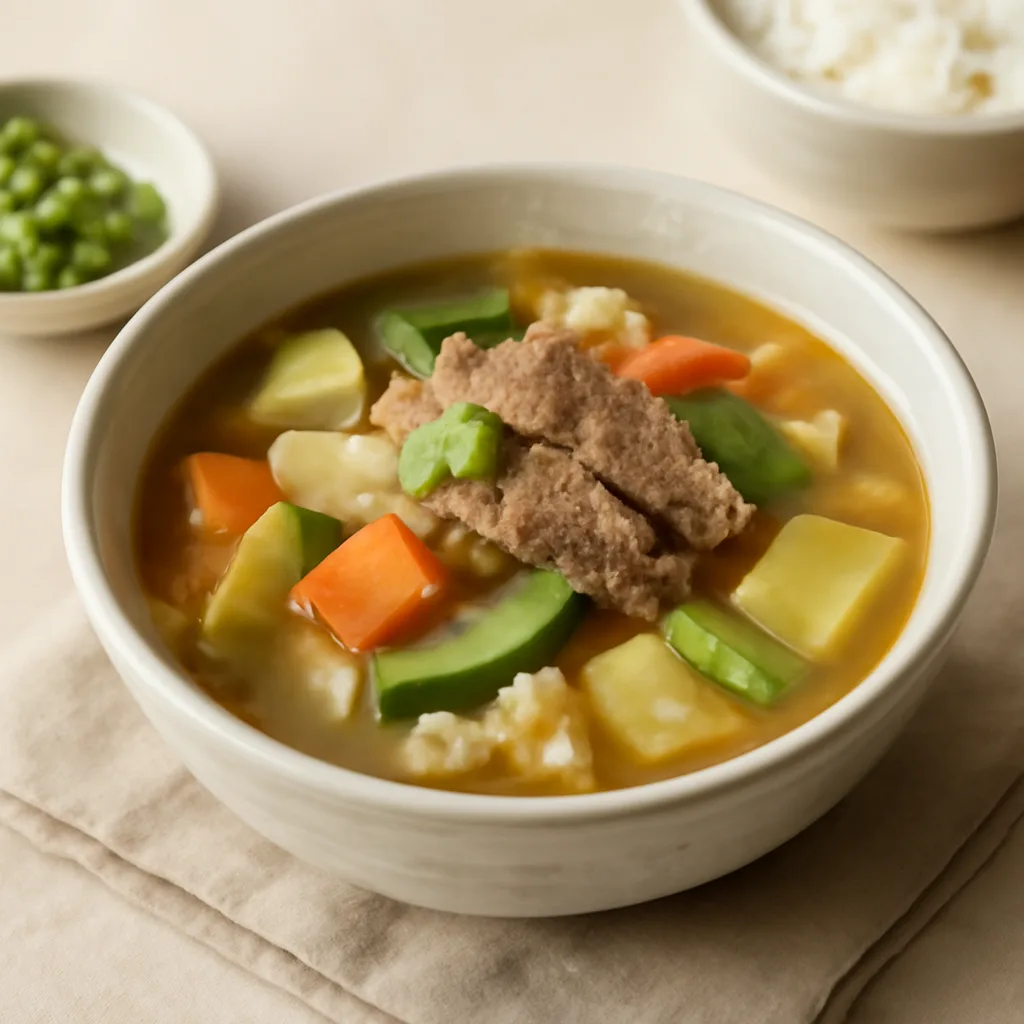
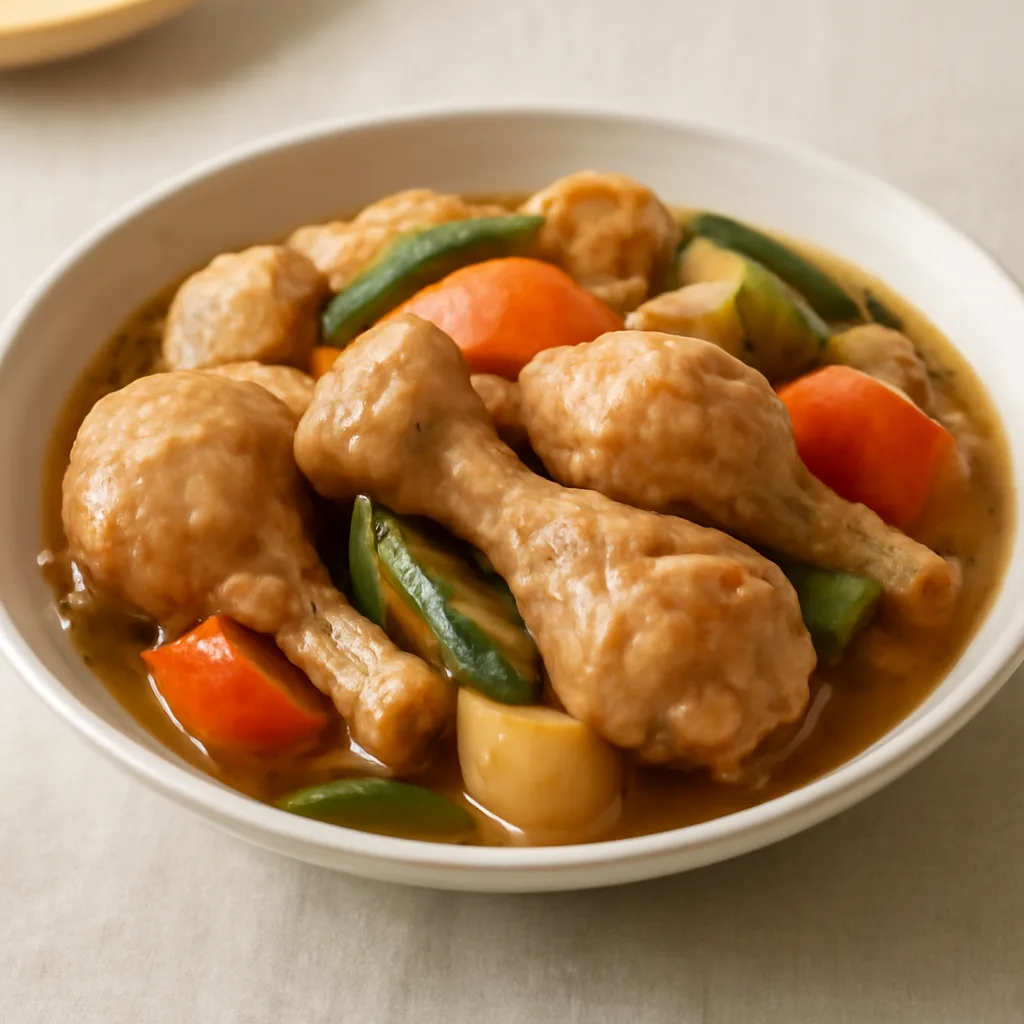
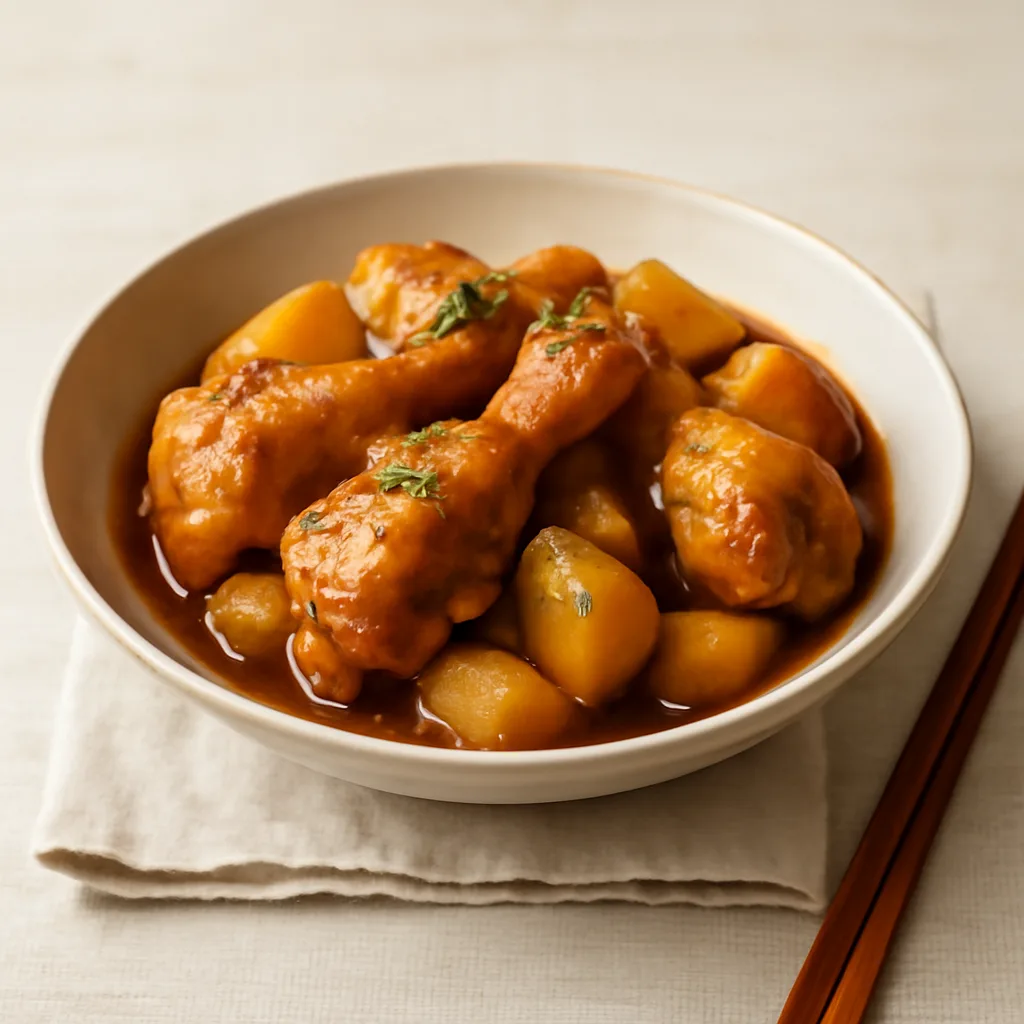
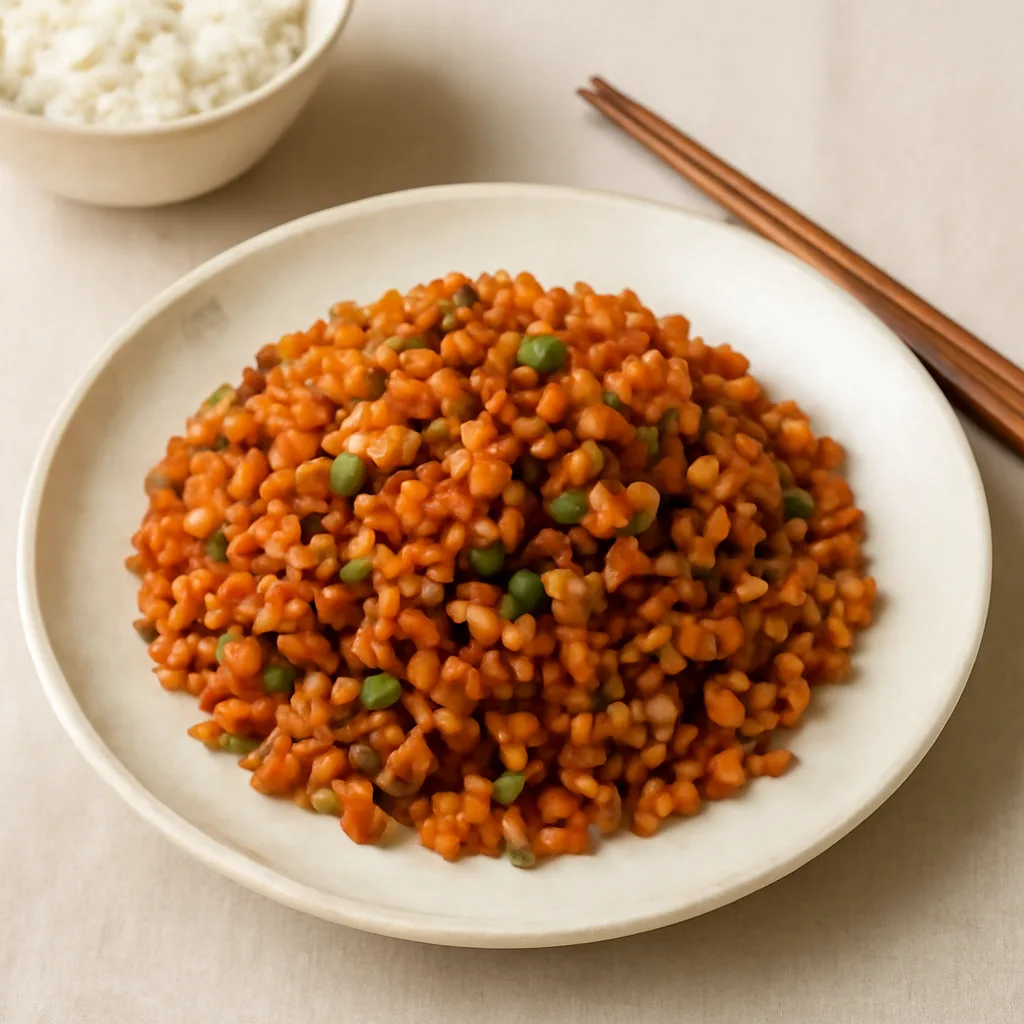
Shows dishes where this ingredient is a representative ingredient, sorted by view count.