Ingredient Encyclopedia
Check the characteristics of the ingredients and how to use them in cooking.
Burdock
1
3
Youngre? Actually 우엉 = burdock root. Translate all values to English. Keep JSON structure. Do not add facts. Provide natural cooking guidance. Ensure consistency of terms across sections. If already in target language preserve.
Taste and Texture
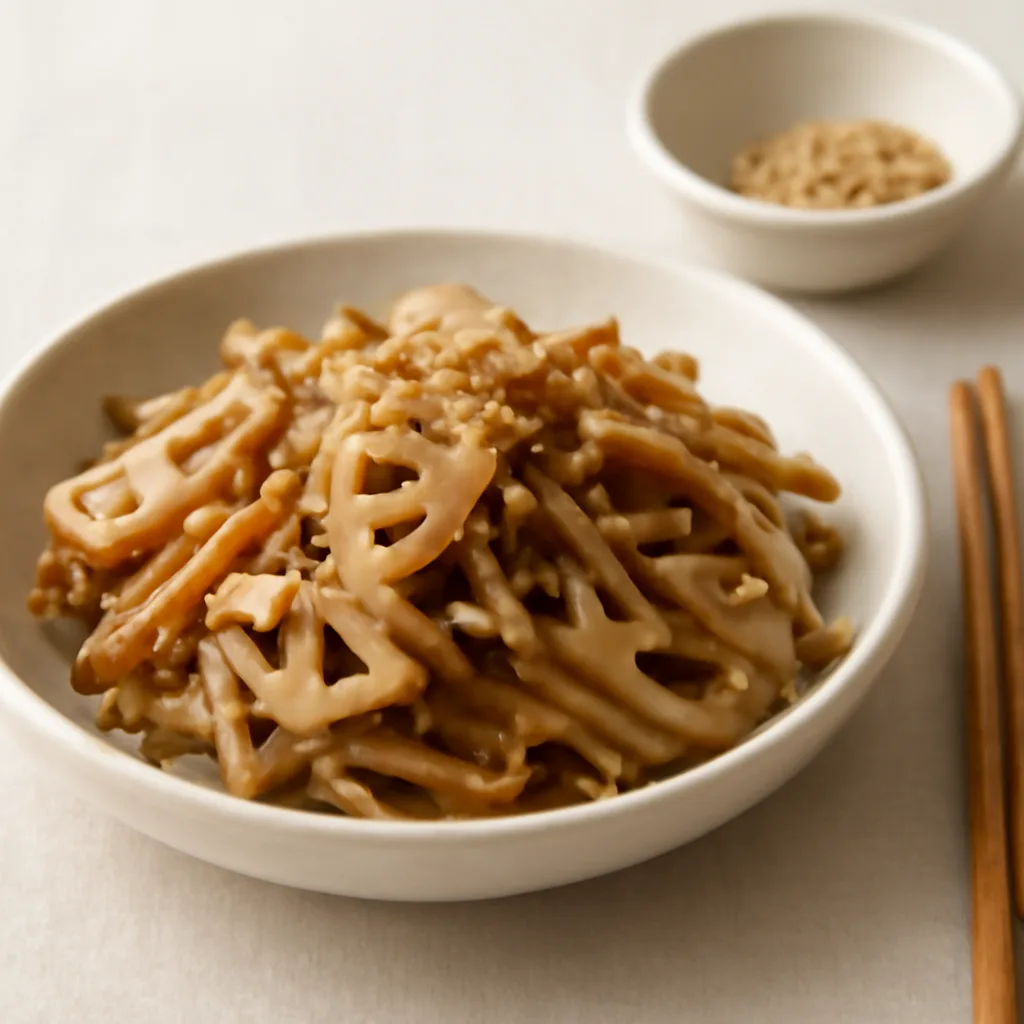
Burdock root has an earthy, wood-like aroma, gentle sweetness, and a slightly bitter finish, rather than a soil-like smell. When cooked with soy sauce, sugar, and corn syrup, it gains a savory, glossy note that pairs well with rice dishes or as a sushi filling. Raw burdock is firm with noticeable fibers; when sliced thin and cooked it remains crunchy with a bite. Properly cooked, it softens but the fibrous texture does not completely disappear, so it's not ideal for ultra-smooth textures.
Main uses
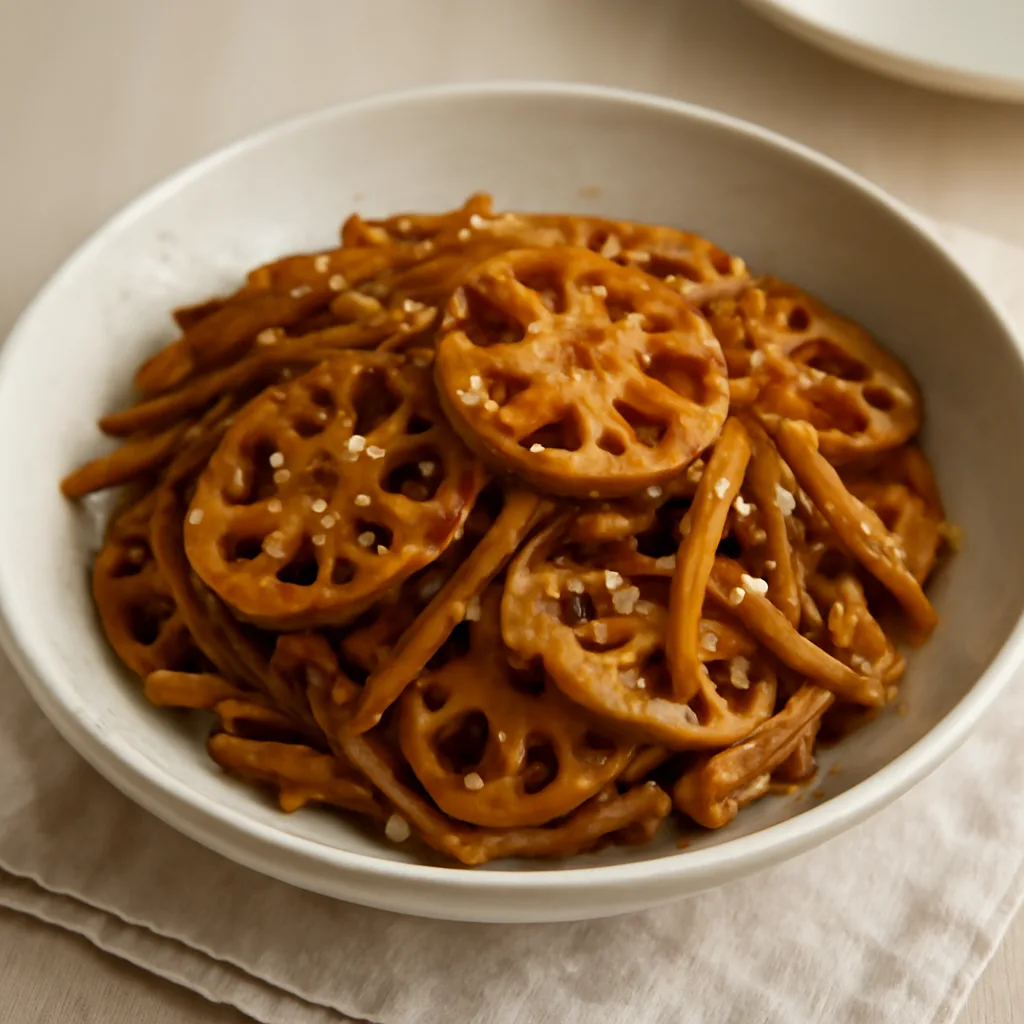
- Slice burdock thin and sauté, then braise in soy sauce to make burdock kinpira. Adding sesame oil or sesame seeds at the end enhances the nutty aroma.
- In sushi (kimbap), use burdock cut into long strips to add sweetness and chewiness. If the sauce is too thin, the rice may get soggy, so cool it with surface sauce almost reduced before adding.
- Cut burdock into oblique or half-moon slices to use as garnish in soups, stews, or broths. The aroma lightly infuses the broth, but it does not dissolve into a very soft vegetable even after long simmering.
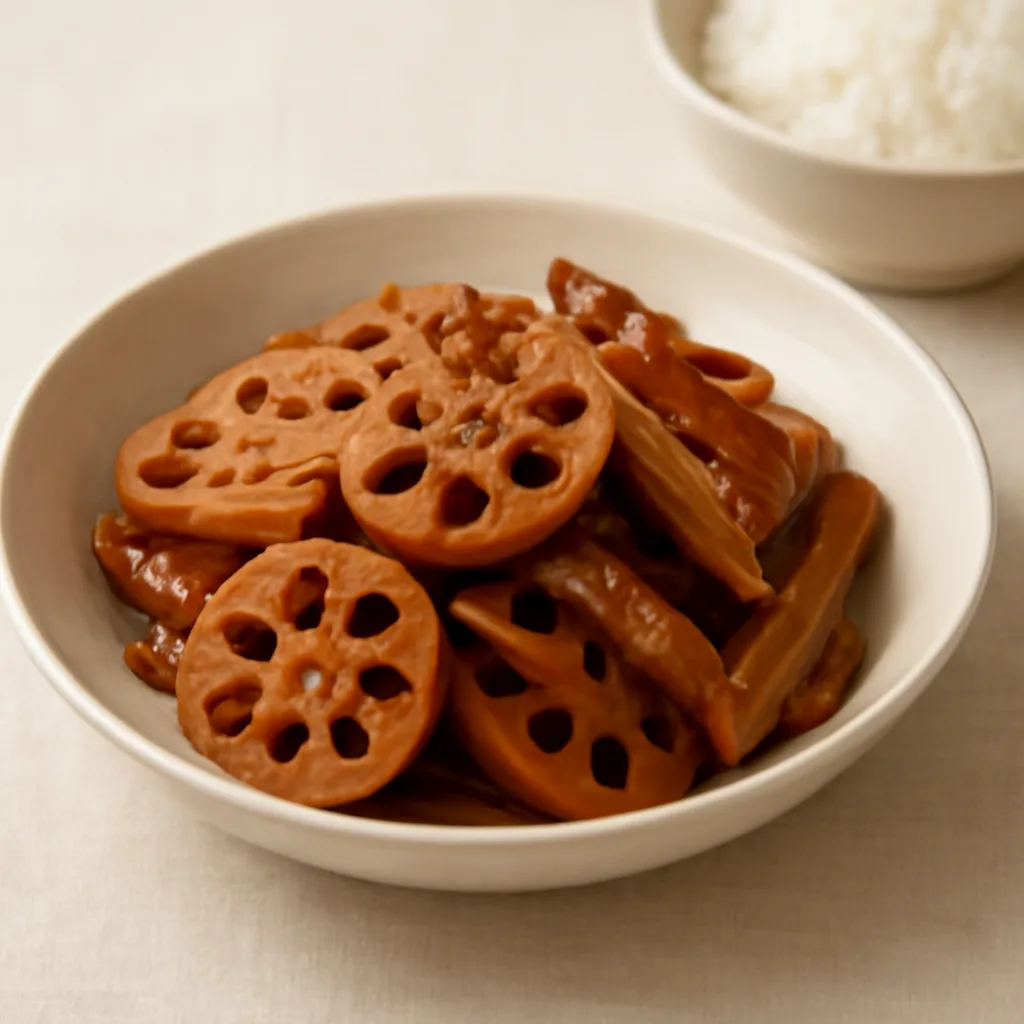
- Stir-fry with carrots, lotus root, and mushrooms for side dishes or veggie toppings for bowls. Since each ingredient cooks at a different rate, start by sautéing the firmer burdock first and add moisture-rich ingredients later.
Preparation tips
- Wash under running water, scrubbing the surface with a brush, and peel away the rough parts with a knife edge or peeler to thinly trim. Thick peeling weakens aroma and may cause pieces to break easily.
- For braising or stir-frying, cut into thin, uniform sticks along the grain. If pieces vary in thickness, thin ones dry out and thick ones may stay undercooked, causing textural contrast.
- If browning of the sliced burdock bothers you, soak briefly in water then drain well in a sieve. Excess moisture on burdock for stir-frying can lead to boiling rather than frying and dilute the seasoning.
- To reduce the bitter edge of burdock, rinse in water after slicing or boil briefly. If you want to emphasize its strong aroma, shorten or skip this step.
Cooking characteristics
- If you start by frying in oil, surface moisture reduces and the nutty aroma enhances, helping the braising sauce adhere well. If a lot of moisture comes out when added to the pan, raise the heat slightly to evaporate moisture before adding the sauce.
- When braising with soy sauce and sugar, boil vigorously on high heat so the surface sauce thickens quickly; lower to medium-low and stir until reduced, adding a small amount of water if the bottom becomes sticky so the inside cooks through.
- Burdock maintains a certain crispness even when heated. For a softer braise, cook with water or stock first to tenderize, then reduce the sauce.
- Acidic sauces can brighten burdock’s aroma, but adding too much vinegar early can dampen the rounded sweet-salty flavor; if using vinegar, add a small amount near the end and adjust.
Good combinations
- Soy sauce, sugar or corn syrup, sesame oil, and sesame seeds are a classic pairing with burdock’s earthy aroma.
- Pair with carrots for color and sweetness; add lotus root for extra crunch in texture.
- When stir-frying with beef or pork, add garlic and soy sauce to complement the earthy burdock with meatiness.
- Gochujang or red pepper flakes are possible, but strong spicy flavors can mask burdock’s aroma. If you want burdock to shine, reduce the amount of spicy seasoning.
Points to consider when substituting
- There is no exact substitute that replicates burdock’s unique aroma and texture for dishes like burdock braise or kimbap filling. Lotus root has a similar crunch but different cross-section and aroma; carrots cook sweeter and softer.
- If you only need the root’s bite, you can use lotus root, daikon, or parsnip adjusted to the dish’s seasoning. Daikon has more moisture, so adjust timing or reduce moisture first to prevent diluting the sauce.
- In broths, you can substitute turnip or lotus root, but the burdock aroma will be missing; if it seems empty, consider adding hearty ingredients like mushrooms or roasted scallions to bring that rustic note.
Ingredients commonly used together in actual dishes
Aggregated based on the co-occurrence count of representative ingredients in public dishes registered in CookPagoda.
Dishes that use this ingredient
Shows dishes where this ingredient is a representative ingredient, sorted by view count.