Ingredient Encyclopedia
Check the characteristics of the ingredients and how to use them in cooking.
Shiitake mushroom
5
9
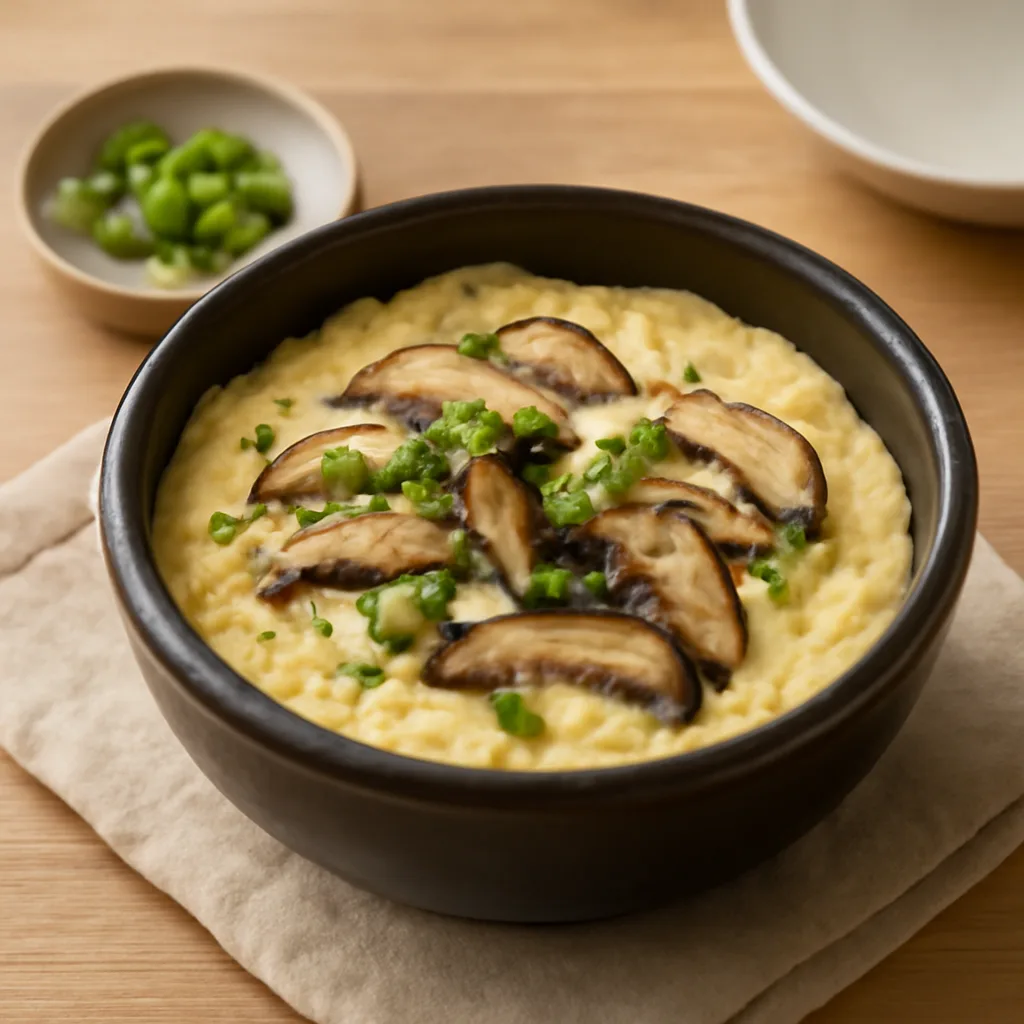
Shiitake mushrooms add depth to soups, stir-fries, stews, and hot pots with their distinctive aroma from cap and stem. Fresh shiitake have a moist, soft texture, while dried shiitake concentrate aroma when rehydrated for a stronger fragrance in dishes. Inside the cap, if the wrinkles are relatively clear and the surface is firm, they are good for stir-frrying or grilling; thinly sliced shiitake are suitable for soups or rice bowl sauces where other ingredients meld. Since shiitake aroma is central, start with a small amount in clear, mild dishes and increase to taste as the dish develops.
Taste and Texture
When cooked, shiitake give a woodsy aroma and umami; the cap is soft and the edges become slightly chewy. The stem is tougher than the cap, but finely chopping or long simmering can extract flavor. Dried shiitake have more concentrated aroma, so a small amount goes a long way. Because the aroma is strong, reduce the amount in delicate dishes like plain egg custards or delicate seafood dishes to avoid overpowering flavors.
Main uses
- Thinly sliced shiitake pairs well with beef or pork for donburi, bibimbap toppings, or japchae.
- For soups, stews, and hot pots, add the whole cap or large slices to enjoy the chewy texture and the broth’s savoriness.
- minced shiitake mixed with tofu, ground meat, or vegetables makes a filling for dumplings or meatballs, adding moisture and depth.
- Dried shiitake can be rehydrated and used in braises or pickling-style seasonings, and the soaking liquid can be strained and added to soups or cooking liquid.
Preparation tips
- Fresh shiitake should be brushed off surface debris with a dry brush or paper towel. Soaking in water for long makes the surface soft and releases more moisture when cooking.
- If the stems are firm, detach from cap and shred or finely chop for soups or fried rice. Keeping stems small helps reduce toughness.
- Dried shiitake should be rehydrated in lukewarm water until softened through, then trim the hard bottom parts. If the soaking liquid contains sediment, strain it through a fine mesh or cloth before use.
- When using shiitake for stir-frying, avoid making the slices too thin, as they may shrink more than desired.
Cooking characteristics
- When you add many shiitake at high heat all at once, the temperature drops and they may release water rather than fry. For a browned, flavorful surface, heat the pan well and stir-fry in batches, adding salt or soy sauce after the mushrooms have started to cook through.
- Shiits are a moisture-losing, volume-reducing ingredient as they cook. If they look small at first in a stir-fry, plan for the final amount and prepare a little extra.
- In broths, aroma and savoriness infuse while simmering, but overcooking fresh shiitake can reduce the cap’s resilience. If you want a chewy texture, add near the end; if a stronger flavor is desired, add earlier.
- Dried shiitake absorb seasonings well after soaking, but if soaking is insufficient the center may remain tough. If pressing on the flat side reveals a hard core, give more soaking time.
Good combinations
- Use with soy sauce, sesame oil, garlic, and scallion to bring out shiitake’s earthy aroma; tofu and eggs support the aroma without overpowering it.
- Pairs well with beef, chicken, or pork in stir-fries or hot pots; simmer with kombu or radish to layer broth flavors.
- To keep shiitake’s aroma bright, reduce other strongly flavored mushrooms or smoked ingredients. Conversely, a spicy dish can keep their presence by slicing shiitake into larger pieces.
Points to consider when substituting
- If fresh shiitake aren’t available, you can use oyster mushrooms or king oyster mushrooms, but aroma depth will differ. Use king oyster for dishes where texture is important (stir-fries), or oyster mushrooms for brothy dishes needing softer mushroom notes.
- In dishes needing the strong aroma of dried shiitake in broth or braises, it may be hard to substitute with fresh shiitake alone. In this case, you can combine fresh shiitake with kombu stock or other mushrooms to fill flavor gaps.
- For fillings or mince, you can combine finely chopped king oyster, button, and rehydrated wood ear mushrooms. Note that wood ear provides crisp texture rather than shiitake’s umami.
Ingredients commonly used together in actual dishes
Aggregated based on the co-occurrence count of representative ingredients in public dishes registered in CookPagoda.
Dishes that use this ingredient
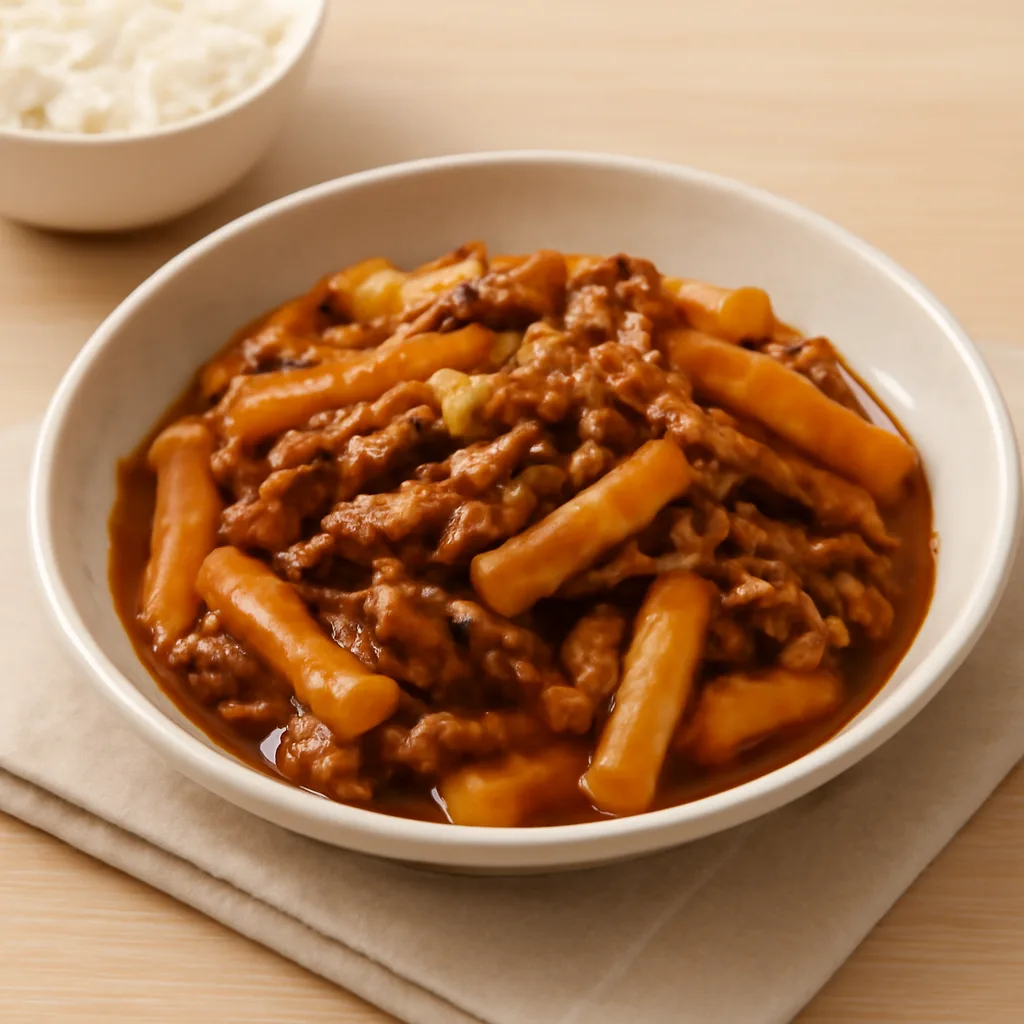
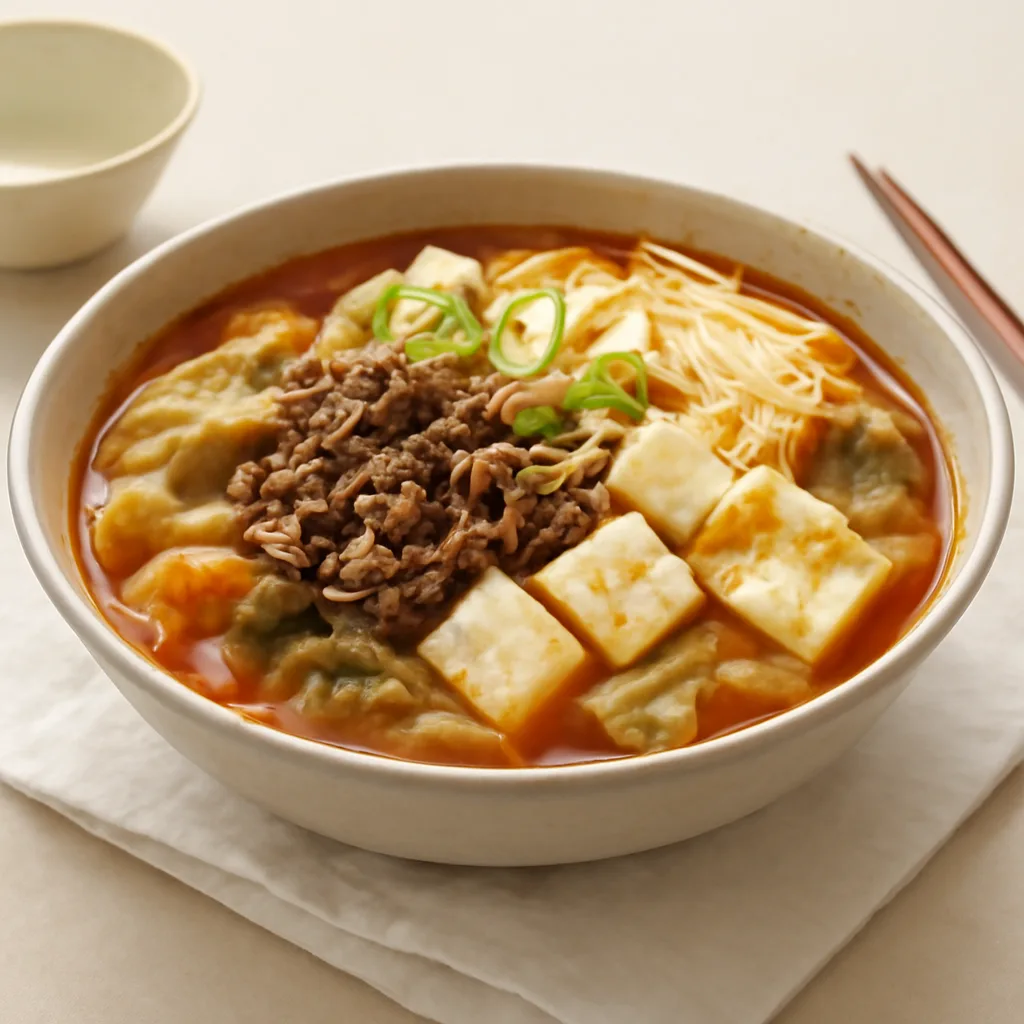
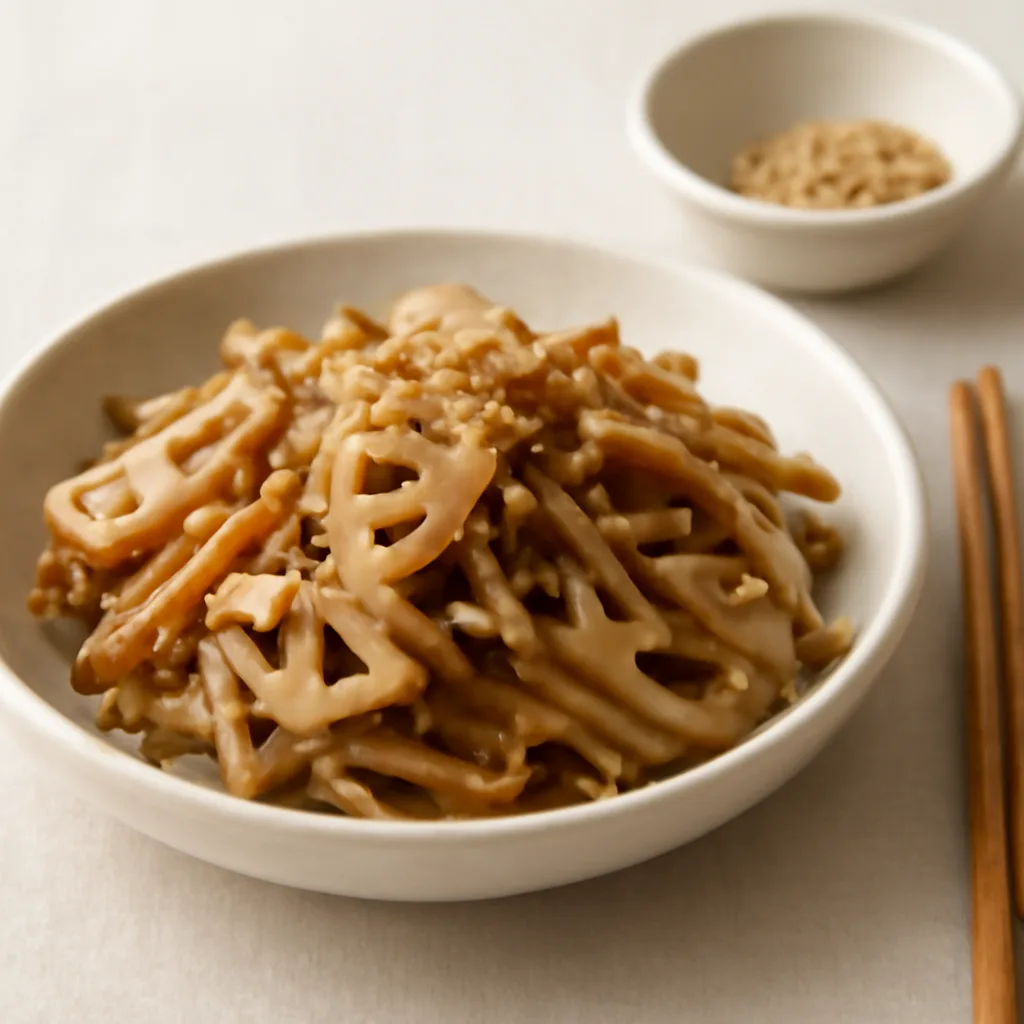
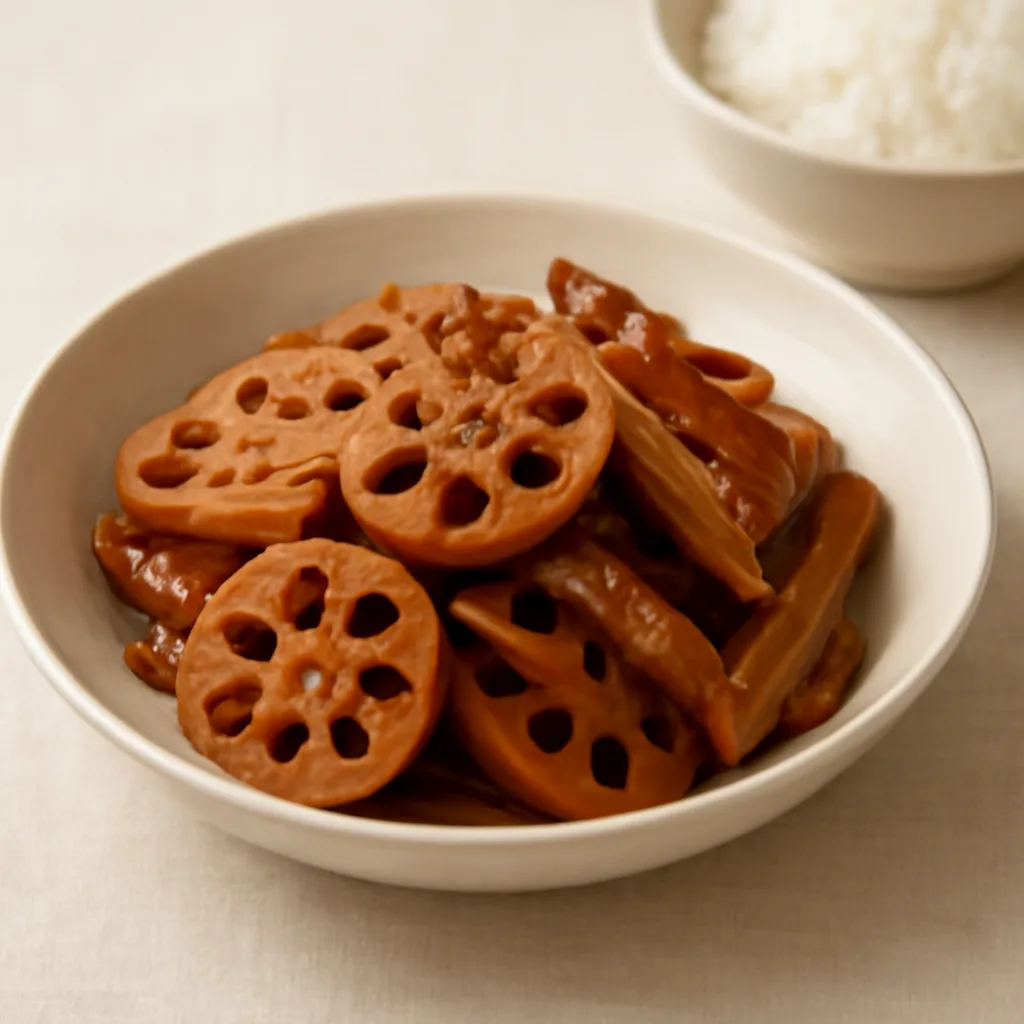
Shows dishes where this ingredient is a representative ingredient, sorted by view count.