View recipes
Check the reference data for the selected food.
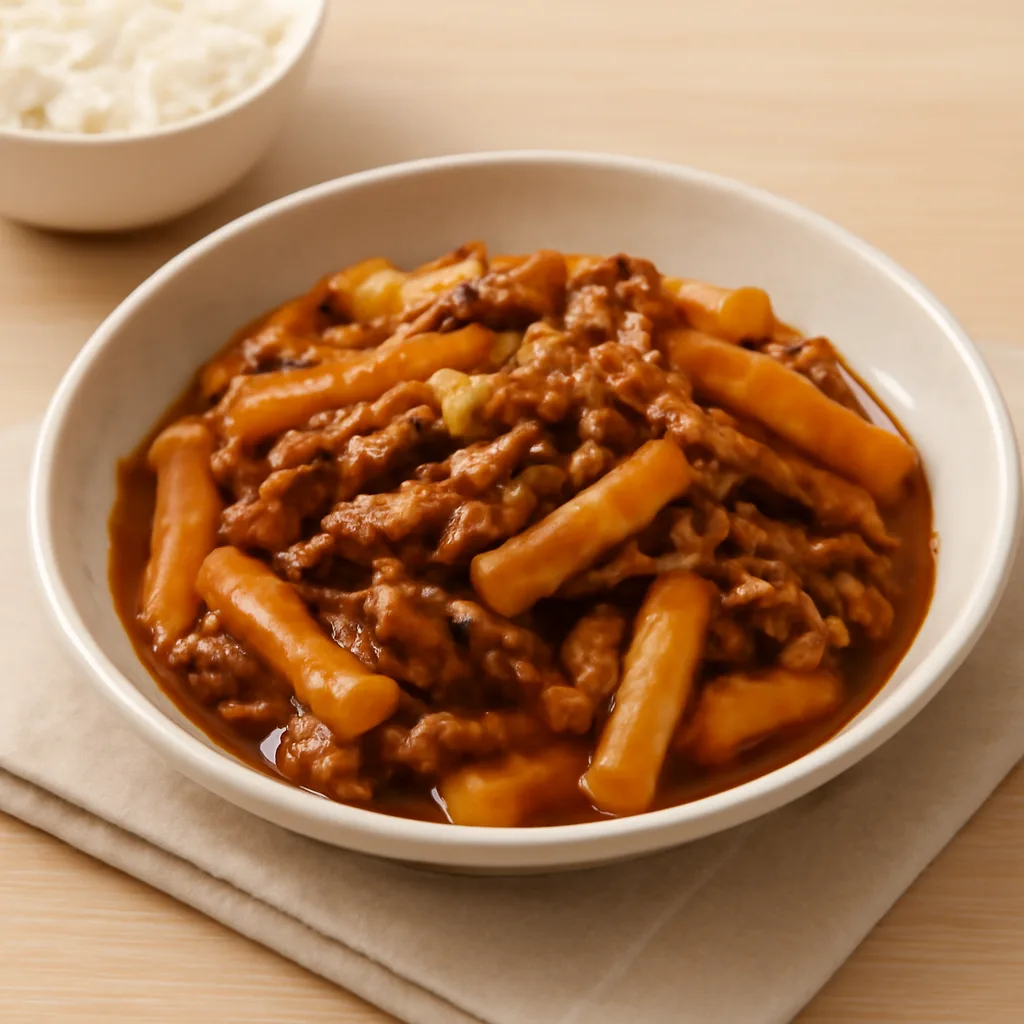
Tteok Beef Stir-Fry
Tteok beef stir-fry is a dish where soft tteok (rice cakes), savory beef, and fragrant shiitake mushrooms come together in harmony. A subtly sweet soy sauce glaze adds a kid-friendly flavor. During the stir-frying process, the ingredients release their flavors and the texture is enjoyable.
Main Ingredients
Related Themes
9
View0
Like1
AI recommendations0
CreatedAbout this recipe
Tteok-sogo-bokkeum (rice cake and beef stir-fry) coats chewy tteok with the savory notes of beef and shiitake mushrooms, while green onion fragrance is balanced by a soy sauce–sugar glaze. When the glaze lightly coats the surface of the tteok, the ingredients come together in every bite. The key to cooking is managing the tteok texture and the moisture in the pan. If the tteok is firm, first soften it so the glaze adheres evenly; too much moisture in the pan can turn it into more of a braise than a stir-fry. Conversely, leaving it on high heat too long can burn the sugars, so after the ingredients are cooked, just reduce the glaze briefly to give a glossy finish and balanced texture. About 30 minutes total is comfortable; prepare the ingredients and glaze in advance for a steady flow. If cooking with kids, cut shiitake and green onion into bite-sized pieces and let the tteok cool slightly before serving so it isn’t too hot.
Taste and Texture
Soft, chewy tteok forms the core, with beef contributing a nutty richness and shiitake mushrooms adding a deep aroma and tender chew. Green onion softens with sweetness and aroma as it cooks, lightening the weight of the soy glaze. Flavor is led by the savory-salty soy and the sweetness from sugar. If you simmer the glaze too long, the sweetness and saltiness intensify and the tteok surface becomes sticky, so turn off the heat when a moist sheen remains for a balanced texture.
Key to making it delicious
- If the tteok sticks together or feels firm, separate it into individual pieces before frying; if you put them in as a lump, the exterior will burn while the inside stays firm, so depending on the state, briefly blanch or steam to soften first.
- Cook the beef after the pan is well heated and spread it out; once the red color largely disappears, add the next ingredient. If it sits in one clump, moisture will escape and you may get a boiled texture rather than a roasted stir-fry aroma.
- Watch for moisture pooling on the pan bottom from the shiitake and green onion; if there is a lot of moisture, briefly raise the heat to evaporate and then add the glaze so the tteok isn’t coated with a runny glaze.
- Add the soy sauce and sugar glaze when the ingredients are nearly cooked, then swirl the pan to coat quickly; since sugar-based glaze thickens with longer heating, when color starts to darken too much, reduce the heat or turn off immediately.
Common mistakes
- If the tteok sticks to the pan and the surface cracks, the pan may be too dry or the tteok hasn’t softened enough; don’t force-turn, add a small amount of moisture and briefly loosen it.
- If the beef releases a lot of water and everything is wet, you may have put too many ingredients in at once or the pan wasn’t hot enough; next time divide the beef and fry separately or spread the ingredients to evaporate moisture.
- If the glaze tastes too salty and sticky, the reduction time may have been too long; turn off the heat, blend the remaining glaze into the tteok and mushrooms, and adjust with a small amount of water to loosen the concentration as needed.
- If the green onion aroma isn’t noticeable, you may have cooked it too long at the start; add some of the green onion toward the end for a brighter aroma and texture.
Application Ideas
- If shiitake aroma feels strong, reduce usage and emphasize the sweetness by using more white part of green onion to adjust toward a sweeter aroma.
- For a lighter flavor, reduce sugar and avoid over-reducing the glaze; reducing sweetness makes the soy saltiness more pronounced, so taste at the end and adjust safely.
- If you prefer a softer texture than chewy tteok, prepare the tteok softened in advance and briefly fry; but don’t overcook or the tteok may break apart.
- If you want a stronger beef flavor, fry the beef first to develop surface color and aroma before combining ingredients; conversely, if you want a moister stir-fry, this method can feel a bit dry, so keep the glaze thinner.
Pairing ideas
- Spread the finished dish on a plate immediately to prevent clumping and showcase beef, shiitake, and green onion evenly.
- Serve with warm rice; the sweet glaze pairs well as a side; if the glaze is very thick, prepare a bit more rice to balance.
- When serving with kids, cut tteok and beef into bite-sized pieces and let cool briefly before serving; freshly fried tteok can be very hot inside, so avoid serving straight away.
- Pair with relatively light side dishes so the soy glaze doesn’t overpower the meal.