Theme guide
Check the selection criteria and cooking ideas for foods that match this theme.
Simple cooking is a way to quickly prepare a meal or sides while reducing ingredient count, cooking steps, and dishwashing burden. Rather than the duration itself, it is practical to choose based on whether you can finish with what you have now without forcing it. Dishes like stir-fry, donburi, soups/stews, sandwiches, and noodle dishes that end in one pan or pot are often suitable, but not all simple recipes use the same method. Having few ingredients does not automatically keep flavor balanced simple. If you combine one main ingredient with an aromatic ingredient, a seasoning that provides saltiness or umami, and elements that add moisture or accompaniment, the selection becomes easier. However, if you choose heavily trimmed whole ingredients or ingredients that require long cooking times, the preparation time can actually be longer than the name suggests, so it’s better to focus on ready-to-use ingredients like chopped vegetables, canned foods, frozen items, or leftover rice."
Well-suited for these people
- Suitable for people who want to finish cooking and tidying up quickly on weekdays.
- Good when you have a small amount of ingredients left in the fridge such as leftover rice, eggs, vegetables, tofu, or noodles, to decide on a menu.
- Appropriate when starting to cook and feeling burdened by managing heat and seasoning ratios all at once.
- For menus with multiple courses or dishes that rely on long aging for flavor, simple cooking criteria may not be suitable.
Food Selection Guide
- If washing, peeling, and thawing steps are many when you take out ingredients before cooking, switch to menus with pre-chopped ingredients or interchangeable ingredients to save real time.
- If you need a staple, pick a form of carbohydrate you have at home such as rice, noodles, or bread, and pair it with one protein ingredient like eggs, tofu, meat, or legumes to form a donburi, stir-fried noodles, or sandwich.
- If vegetables are likely to release a lot of water, avoid menus that rely on broth or sauce; opt for high-heat quick sauté instead unless you adjust.
- If the seasoning is based on salty ingredients like soy sauce or salt, check whether there are ingredients to add sour, sweet, or nutty notes; if not, start with a smaller amount to season gradually.
Frequently paired ingredients
- Eggs, tofu, tuna canned, and legumes are commonly used in simple dishes as ingredients that don’t require long processing or softening.
- Onions, green onions, garlic, leafy greens, mushrooms; even a small amount adds aroma and texture, and when they start to wilt, use them cooked rather than raw.
- Basic carbohydrates like rice, noodles, ramen noodles, and bread form the base to bind leftover ingredients into a meal.
- Common seasonings like soy sauce, miso, gochujang, salt, and cooking oil are convenient, but be mindful that using processed foods or broth ingredients can stack saltiness, so add one by one.
Compatible cooking methods
- Pan-frying is good for quickly cooking finely chopped ingredients, but if the pan is too small and ingredients overlap, moisture can accumulate, so cook in batches or reduce portion sizes.
- One-pot cooking is convenient for soup, stew, and noodle dishes; add firmer vegetables or ingredients that take longer to cook first, and add leafy greens and noodles later to control doneness.
- Microwave cooking is useful for egg custards, reheating, and cooking vegetables, but heating for too long at once can dry or overflow edges, so cook in shorter intervals and check.
- Grilling adds simple flavor to bread, tofu, vegetables, and meat pieces, but thick ingredients can brown only on the outside, so slice thinly or cook with lower heat until cooked through.
Tips for beginners
- In the beginning, fix one main ingredient, one vegetable, and one seasoning (or two) to narrow the flavor direction and ease judgment during cooking.
- If moisture forms and colors fade in a stir-fry, it’s usually because ingredients were added all at once; next time, dry them and cook in small batches over high heat.
- If the flavor is weak, you can add a little more at the end, but starting with too much seasoning makes it hard to adjust; taste with less sauce and salt first.
- Even if there’s a given recipe order, different ingredient sizes and amounts at home can change cooking speed, so focus on whether the ingredients are tender and hot throughout rather than timing.
Menu Composition Tips
- For a single meal, keep it simple: one staple like rice or noodles, one protein, and one cooked or fresh vegetable to streamline shopping and cooking.
- To reuse the same ingredients, day one can be stir-fry or donburi, day two switch to soup or sandwich fillings to reduce monotony.
- When planning a single-pan menu, avoid loading too many water-rich ingredients and crunchy textures at once; if you want both, cook the crispy ingredient first and combine at the end.
- On days with especially tight time, it may be more suitable to combine leftovers like rice, soup, and side dishes rather than introducing a new dish, and supplement missing elements with quick ingredients like eggs or vegetables.
Foods included in this theme
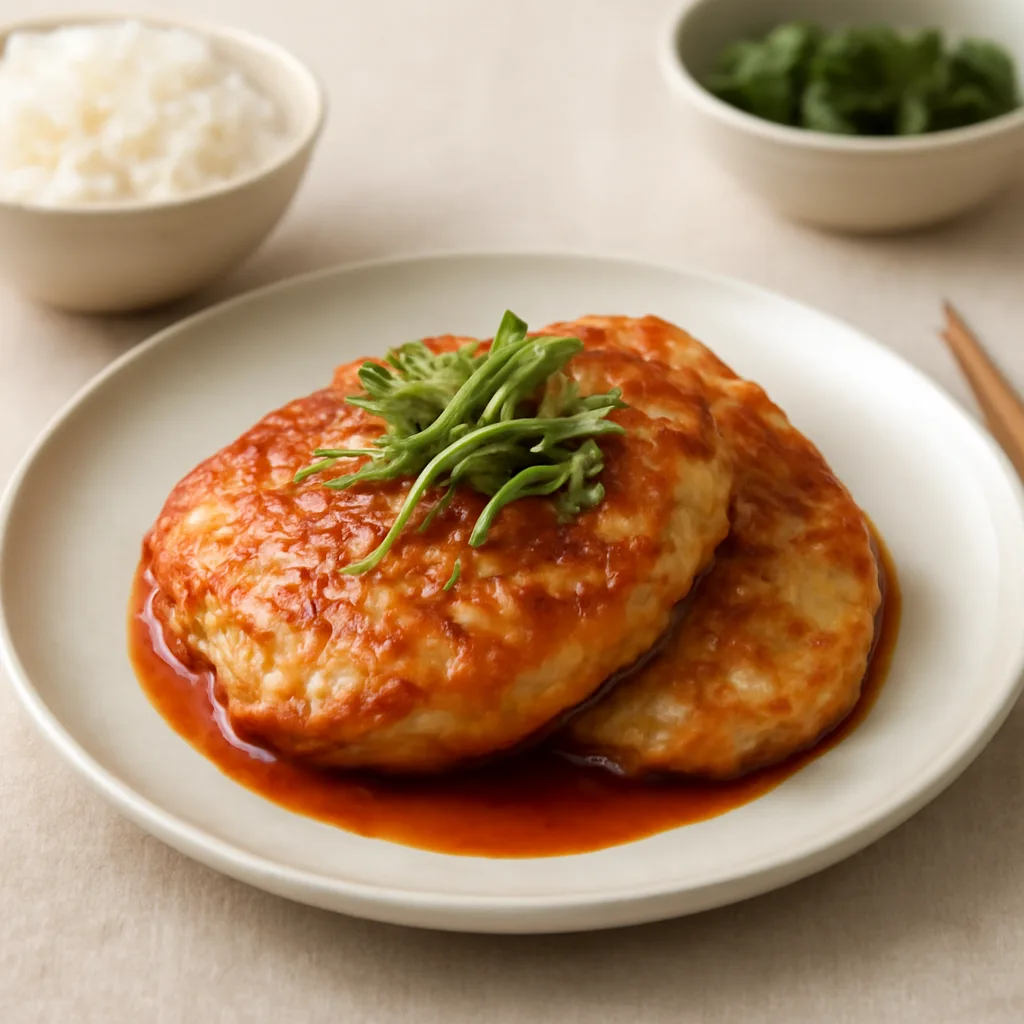
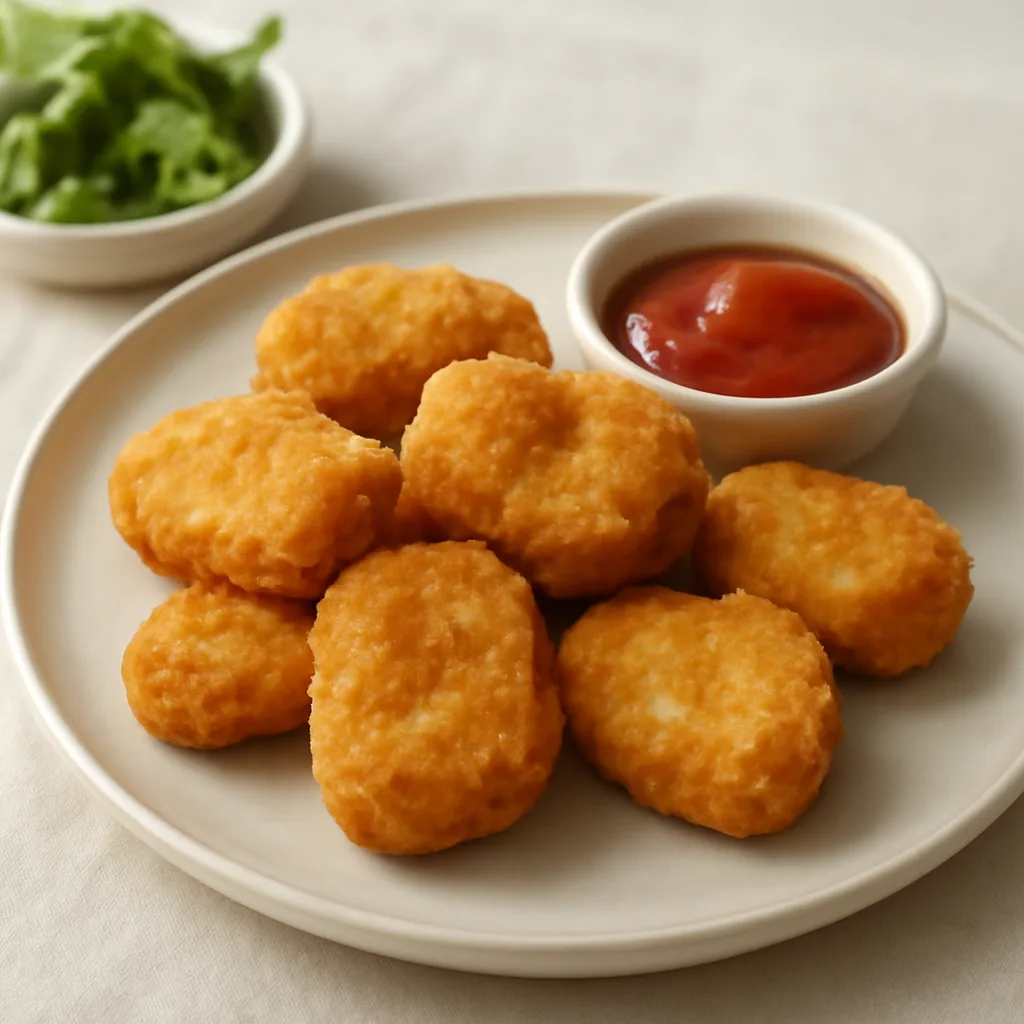
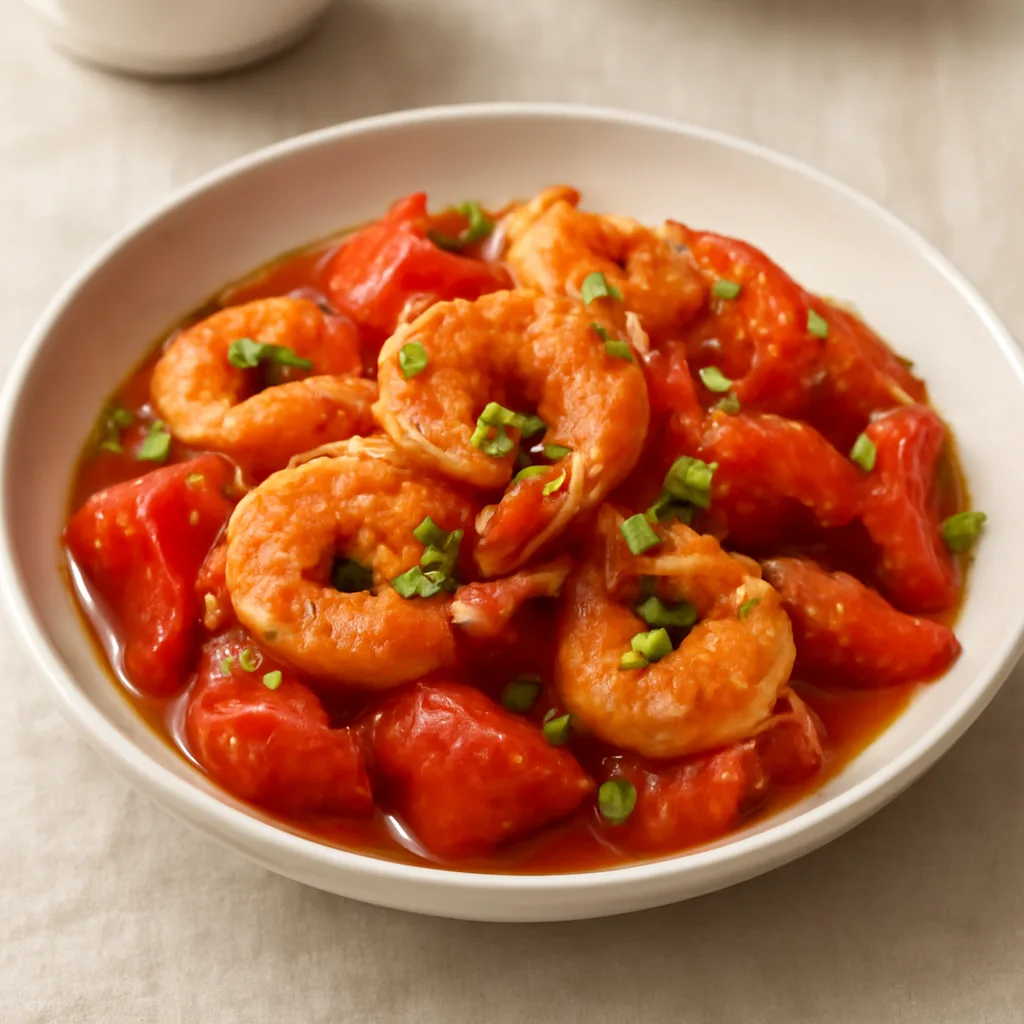
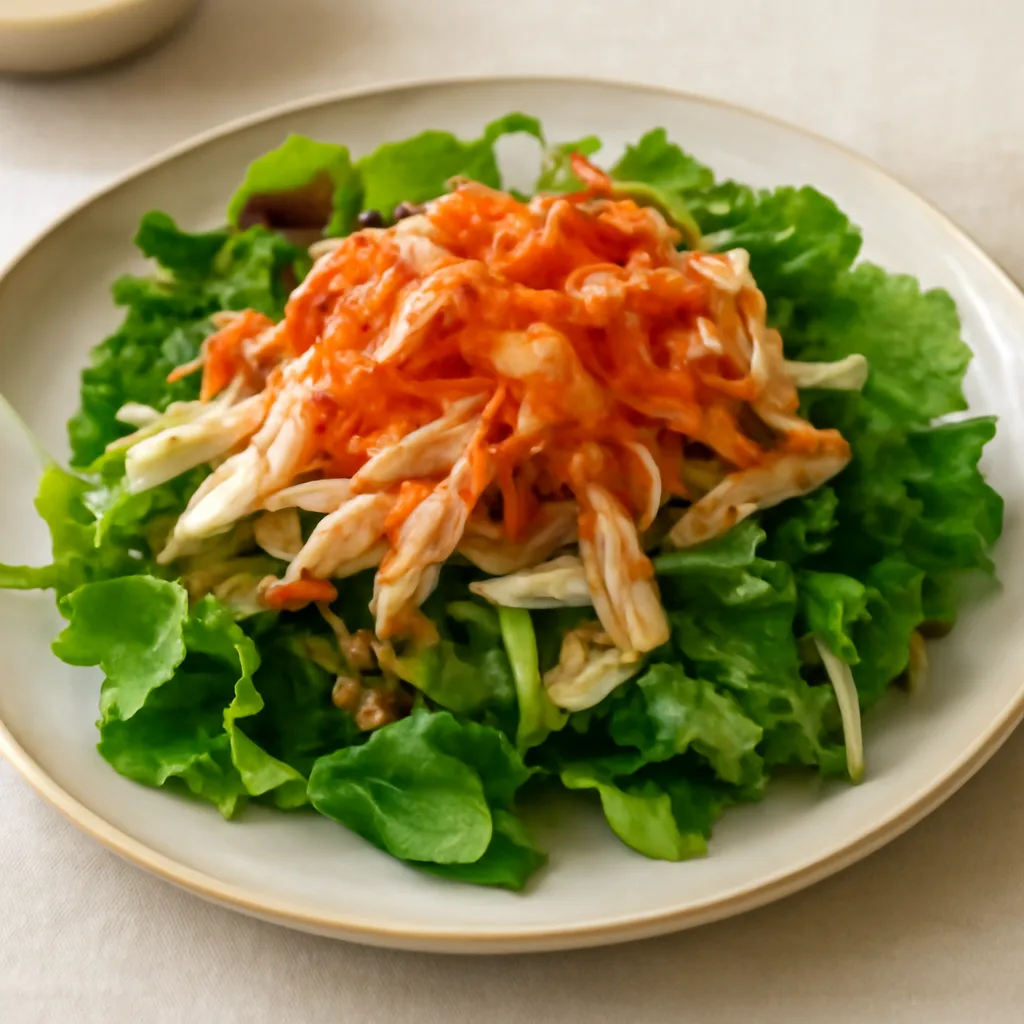
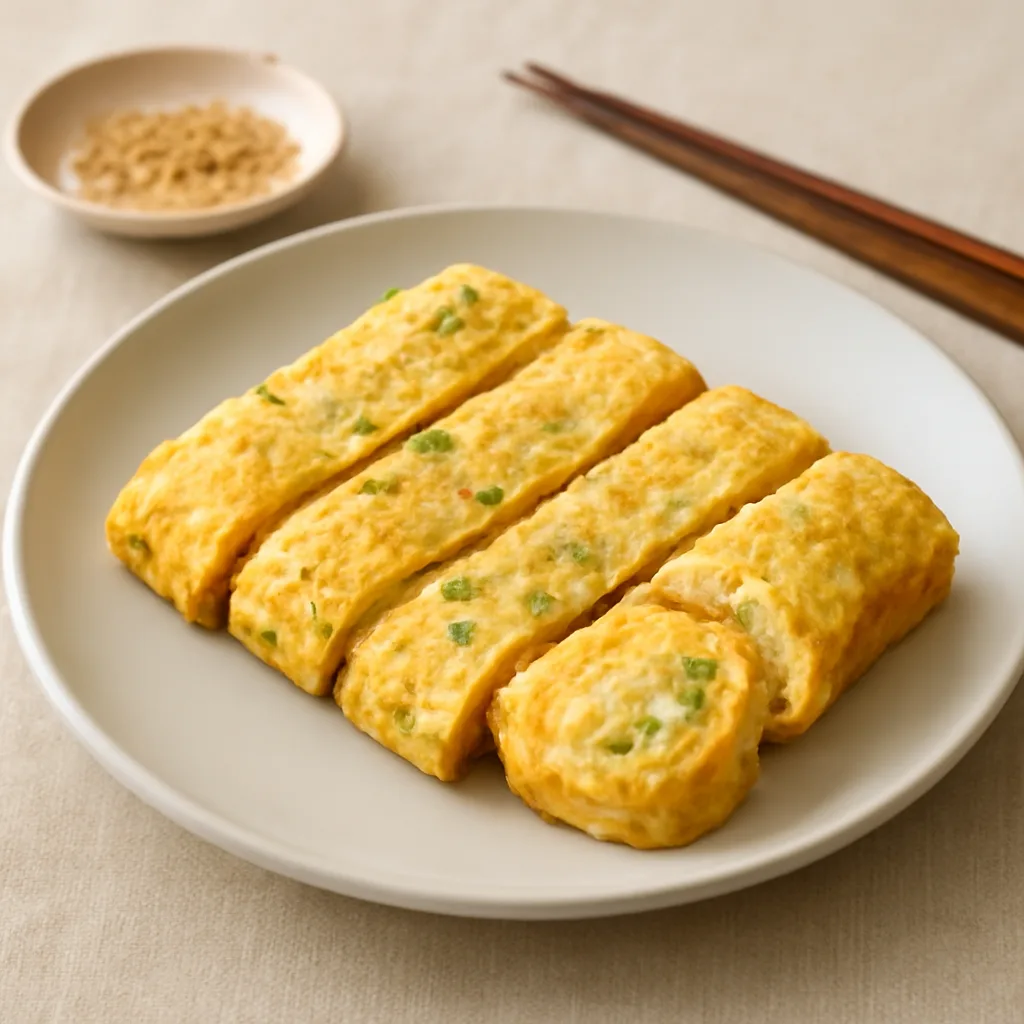
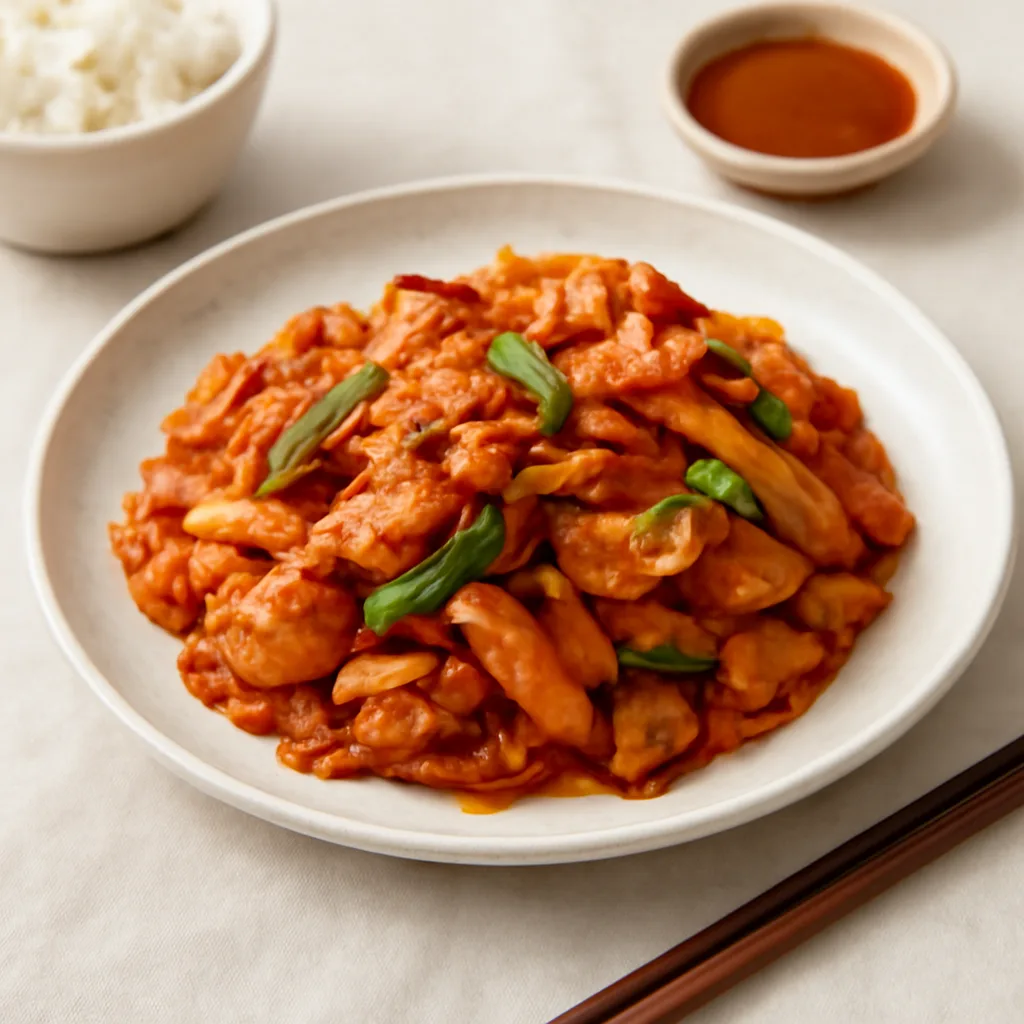
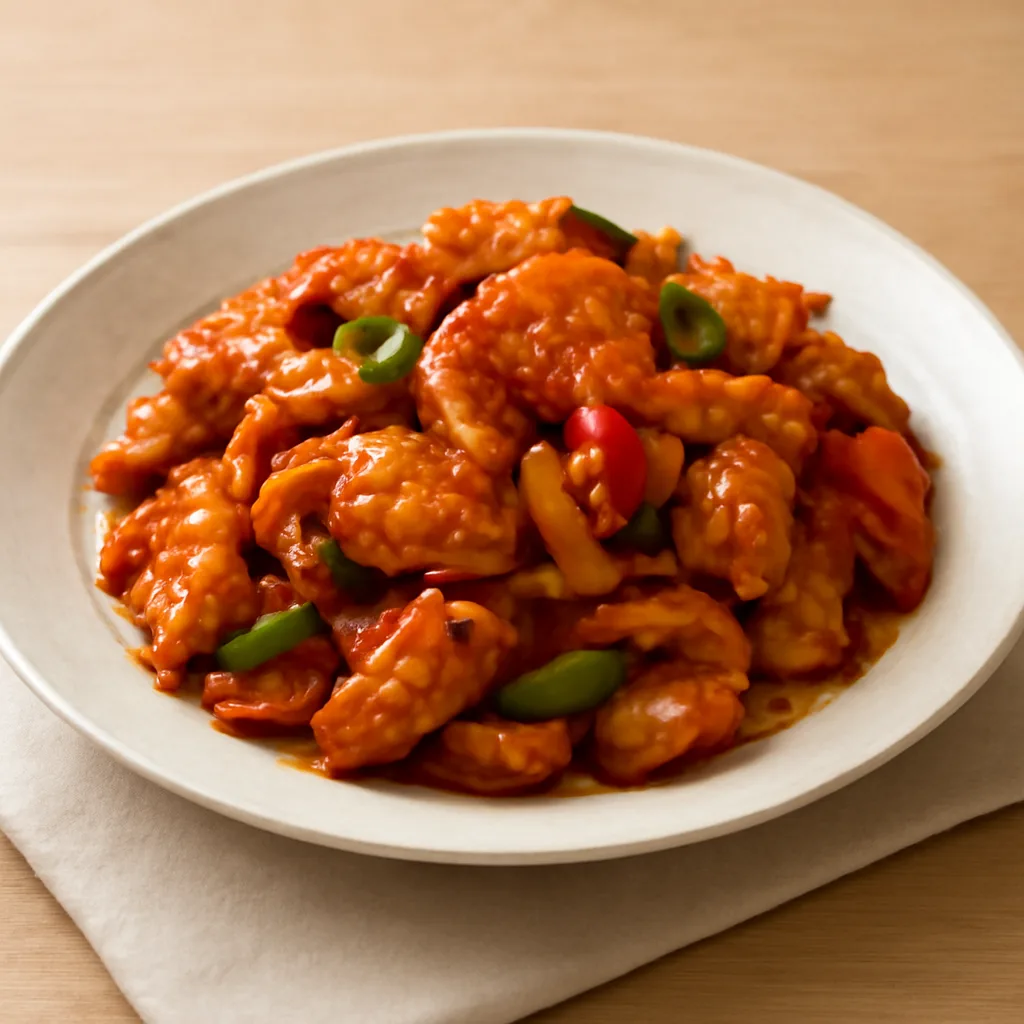
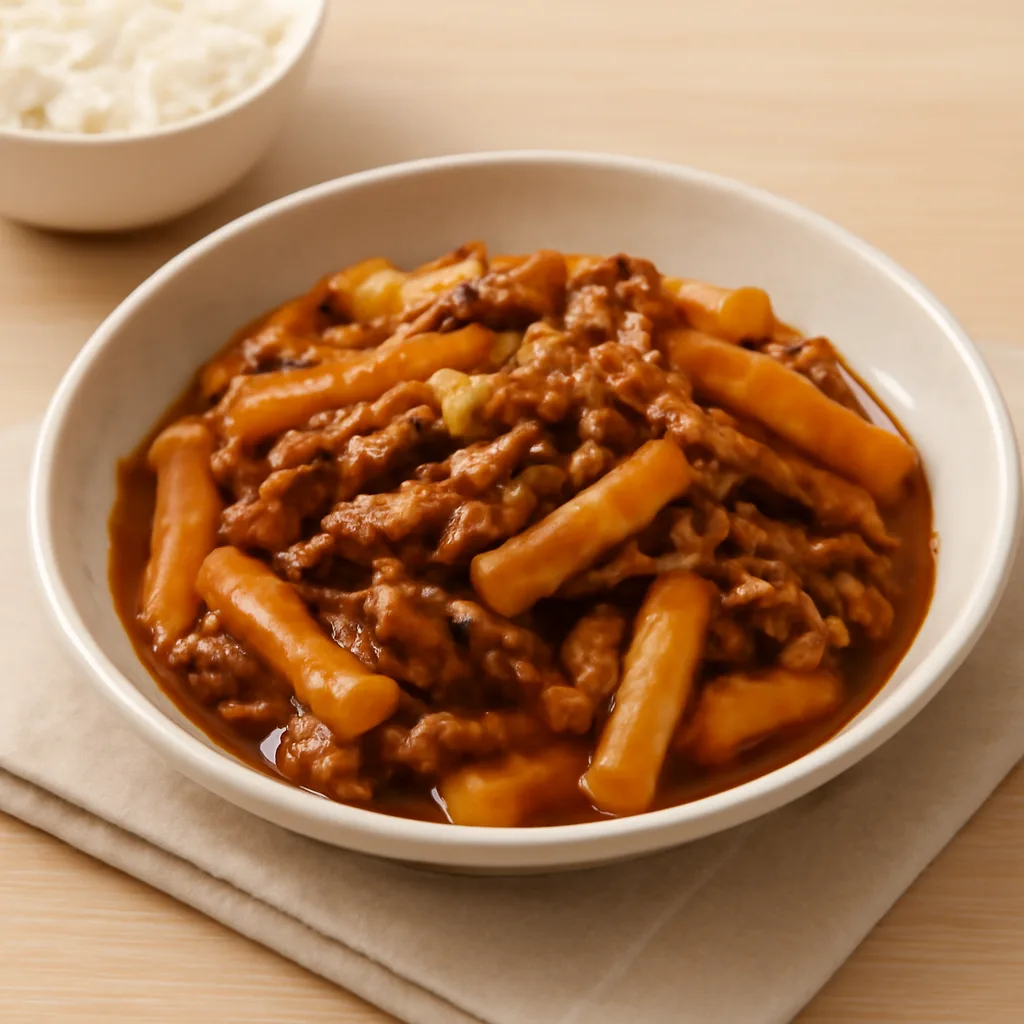
Here are the foods included in this theme, sorted by views from CookPagoda's public food.