View recipes
Check the reference data for the selected food.
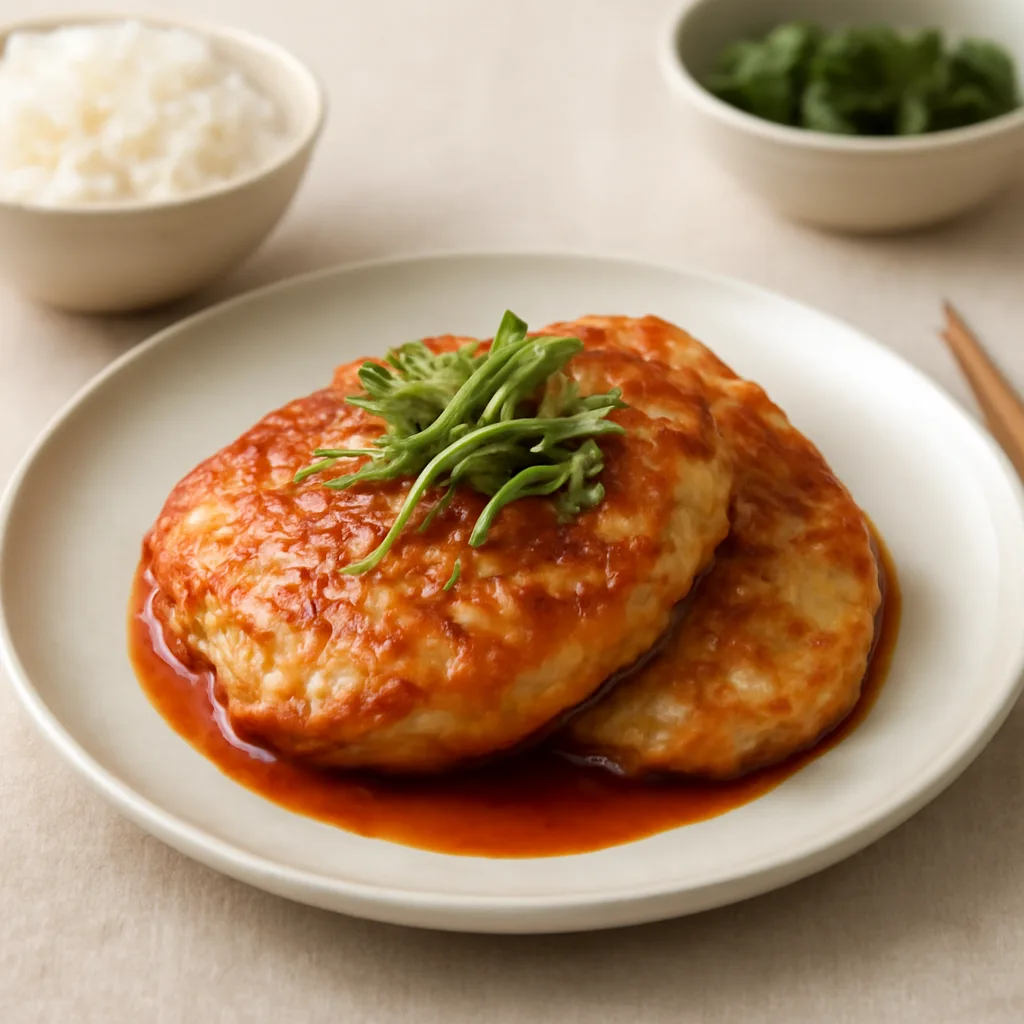
Chicken Breast & Beltfish Steak
A steak made by grilling chicken breast and beltfish together, characterized by a tender texture and savory flavor. Simple to prepare, suitable for busy evenings.
Main Ingredients
Related Themes
19
View1
Like1
AI recommendations0
CreatedAbout this recipe
A simple main dish where chicken breast and saurel (squared mackerel) are fried in a single pan in sequence. Start with the chicken breast to develop color on the surface, then add the relatively quickly cooking saurel later, making it suitable for a short 15-minute-ish cook time. Both ingredients are seasoned with only salt and pepper, so the moisture state of the ingredients and the pan temperature greatly affect flavor. If the chicken breast is too thin it dries out easily, and the saurel is delicate and can crumble when flipping, so keep each about 1.5 cm thick and handle with different timing. Lemon juice is optional, but adding a small amount at the end helps clarify the nutty richness of the saurel and the mildness of the chicken breast. However, if you add lemon too early, the pan temperature drops and browning on the surface becomes difficult, so it is best to plate and then use it.
Taste and Texture
Chicken breast offers a savory, browned crust with a firm texture and distinct grain. The saurel adds a fatty, melt-in-the-mouth inner flesh for contrast within a single plate. When using light salt and pepper, the flavors of the two ingredients stay clear, and lemon juice at the end lightens the finish. Conversely, strong seasonings or excessive acidity can mask the saurel’s flavor.
Key to making it delicious
- Before cooking, lightly pat the surfaces of the chicken breast and saurel to remove moisture, which helps achieve a golden color as they touch the pan and reduces steam.
- Preheat the pan and cooking oil over medium heat until hot, then place the chicken breast so the surface browns first; avoid frequent movement at first and wait until one side develops a brownish color.
- After flipping the chicken breast, add the saurel to minimize the risk of the saurel overcooking or drying out. If the saurel flesh becomes opaque and strands separate easily, avoid further heating.
- When flipping the saurel, lift with a wide turner to support the entire body. If the flesh sticks to the pan, it’s better to let it cook a little longer until the surface releases naturally rather than forcing it apart.
- When the thickest part of the chicken breast is not overly soft and the flesh is cooked without pinkness, turn off the heat. It will dry out more if cooked further.
Common mistakes
- If the pan isn’t preheated enough, moisture will come out from the chicken breast and saurel, and they will cook more than sear, leaving the surface pale. Make sure the oil is just barely shimmering before adding ingredients and don’t crowd the pan if it’s small.
- If you add the saurel at the same time as the chicken breast, the saurel may overcook or crumble. Wait for the chicken’s first side to develop enough color, then add the saurel to separate the cooking times.
- If salt is added too early, moisture will be drawn to the surface. In particular, avoid using too much salt on the saurel; if needed, adjust a bit after cooking on the plate.
- Continuously pressing the chicken breast while cooking or flipping it many times causes moisture loss and uneven browning. Cook the first and second sides steadily, and check doneness only at the end.
Application Ideas
- Finish with a small squeeze of lemon to brighten the mild chicken and the nutty saurel, or serve lemon separately if you don’t like the tartness.
- If you want a stronger pepper aroma, season mainly with salt before cooking and add freshly ground pepper after turning off the heat. However, too much pepper can mask the delicate flavor of the saurel.
- If the two ingredients’ cooking times feel uneven, cook the chicken breast first, move it to a plate briefly, then cook the saurel, and finally return the chicken to the pan briefly to adjust temperature.
- To reduce oil, wipe a thin layer with a paper towel rather than using a lot of oil across the pan. In pans with weak nonstick coatings, the saurel skin or flesh may stick, so more oil could be helpful.
Pairing ideas
- Plate the chicken breast and saurel side by side and accompany with lemon wedges so each person can adjust the acidity at the moment of eating.
- Because the combination is mild, pair with warm rice or grains that aren’t heavily seasoned so the fish and chicken flavors don’t get buried.
- If there is leftover oil in the pan, drizzle a small amount over the ingredients only if it doesn’t have burnt bits; otherwise avoid it as it can taste bitter.
- For crunch, pair with raw vegetables or lightly cooked vegetables, and lean toward salt, pepper, or lemon for seasoning rather than strong sauces to complement this dish.
Essential ingredients
Chicken breast
beltfish
salt
pepper
cooking oil
Optional ingredients
No separate optional ingredients.
Cooking order
Slice the chicken breast and beltfish into 1.5 cm thick pieces.
Season the chicken breast with salt and pepper, and also season the beltfish with salt and pepper.
Pour cooking oil into a skillet and preheat over medium heat.
Add the chicken breast to the skillet and cook for 5 minutes. When one side turns golden, flip.
After flipping the chicken, add the beltfish and cook 3–4 more minutes until the beltfish is cooked through.
When both are cooked, transfer to a plate and finish with lemon juice if desired.