Ingredient Encyclopedia
Check the characteristics of the ingredients and how to use them in cooking.
Chicken breast
8
15
Chicken breast is the lean meat from the chest area of a chicken, characterized by relatively low fat and a light, clean flavor. Its fiber is firm and after cooking it can be easily shredded finely or sliced thin, making it versatile for salads, stir-fries, soups, and sandwich fillings. Because it has little moisture and fat, it can become dry if cooked for too long. When the center loses its translucency and becomes firm, reducing heat or resting it helps minimize juices loss. For dishes needing rich oil flavor or a crispy crust, chicken thigh may be more suitable. Cooking methods such as roasting whole, slicing into bite-sized pieces for stir-frying, or boiling/steaming and shredding can greatly change the texture. When serving with sauce or broth, it’s best to add chicken breast at the end to warm through, giving a softer result.
Taste and Texture
Its flavor is mild and clean, and it readily absorbs bold seasonings such as spices, herbs, soy sauce, garlic, and gochujang. Because its own aroma isn't strong, the sauce’s concentration and saltiness often determine the final flavor. If cooked properly, you can enjoy a firm yet tenderly shreddable texture, but overcooking tightens the fibers, making it dry and stringy. Thin slices cook quickly but tend to dry out, so keep high-heat cooking short.
Main uses
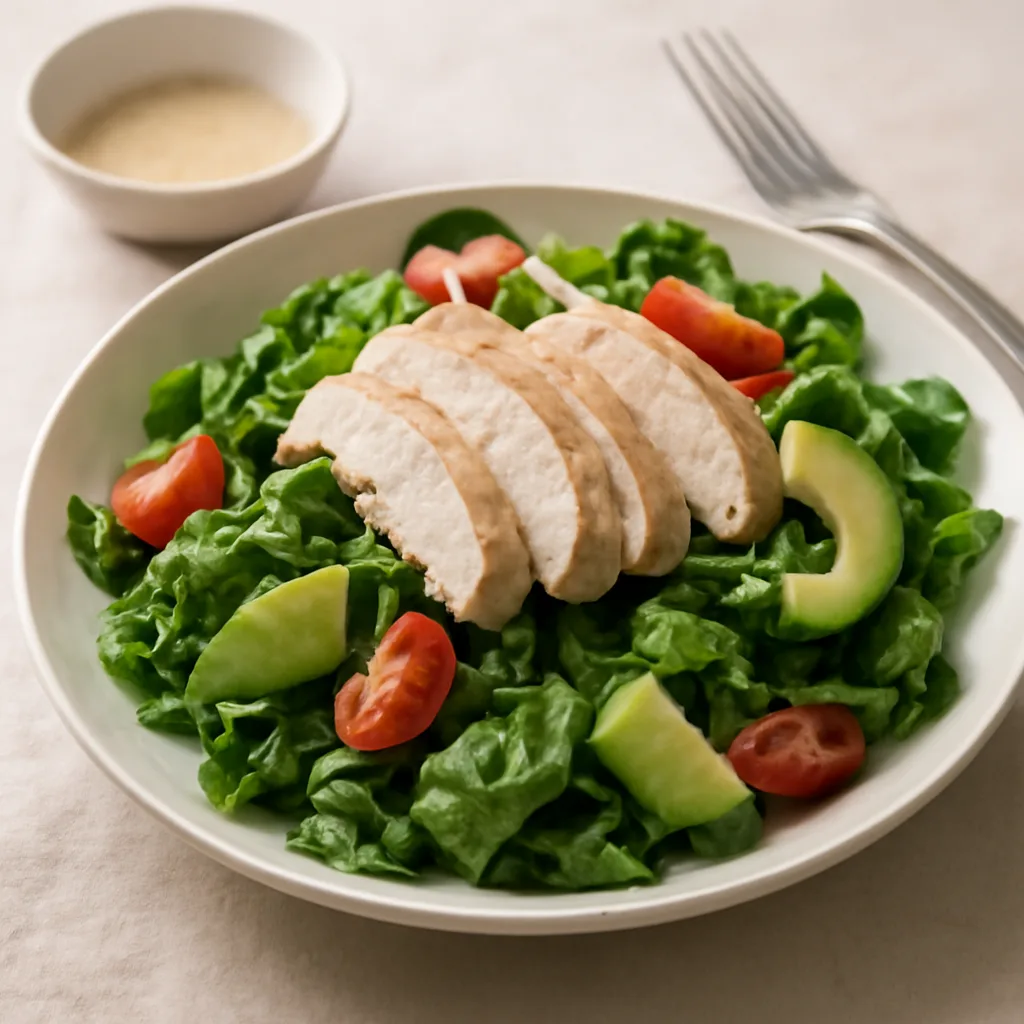
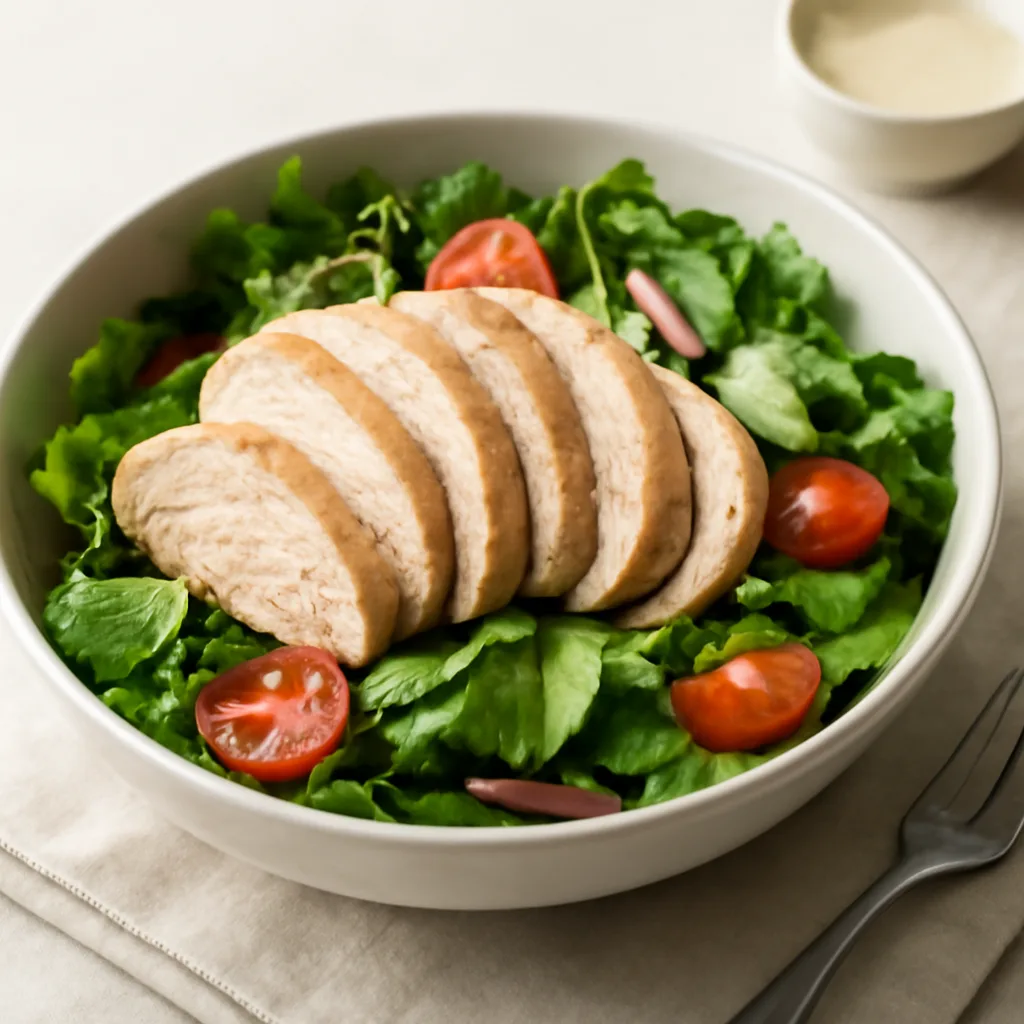
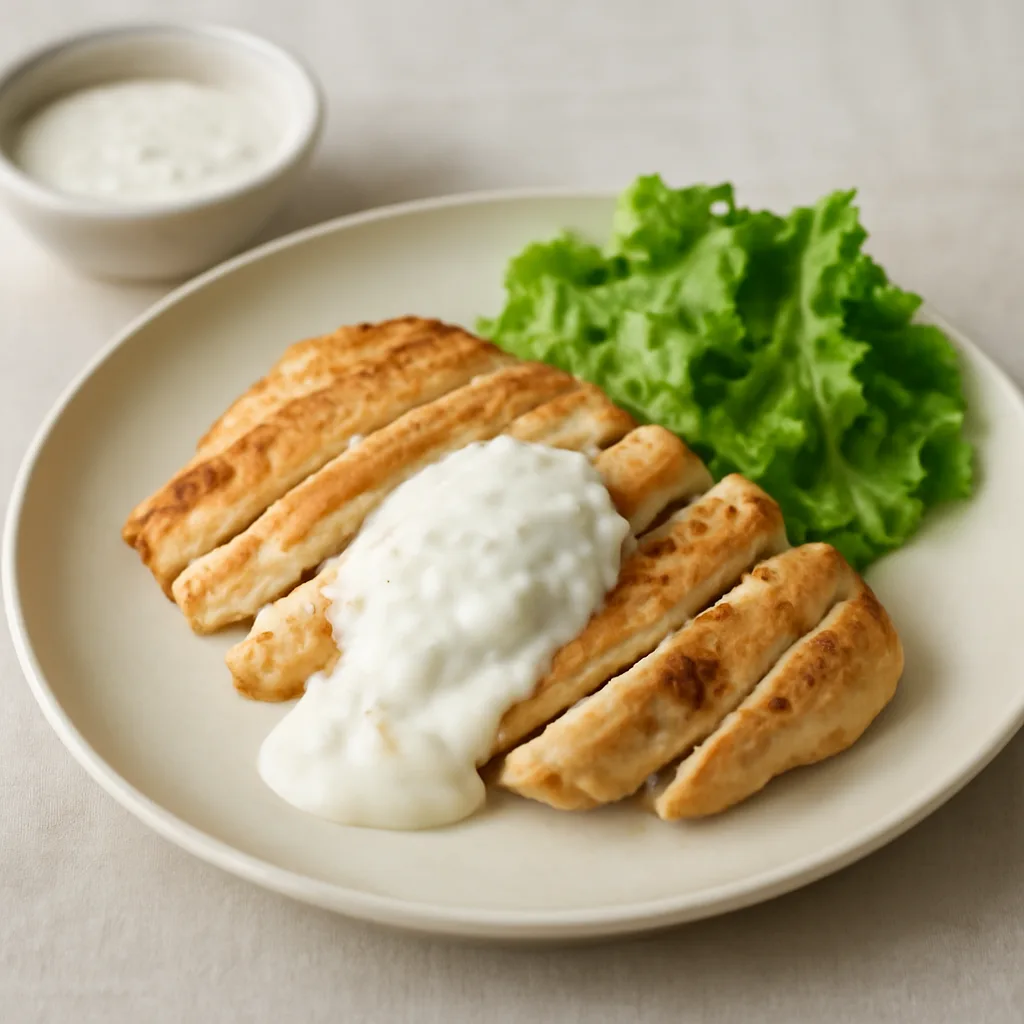
- Season with salt and pepper and grill in a pan, then thinly slice to top salads, grain bowls, or sandwiches. When cold, slice after completely cooling to prevent more breakage on the cut surface.
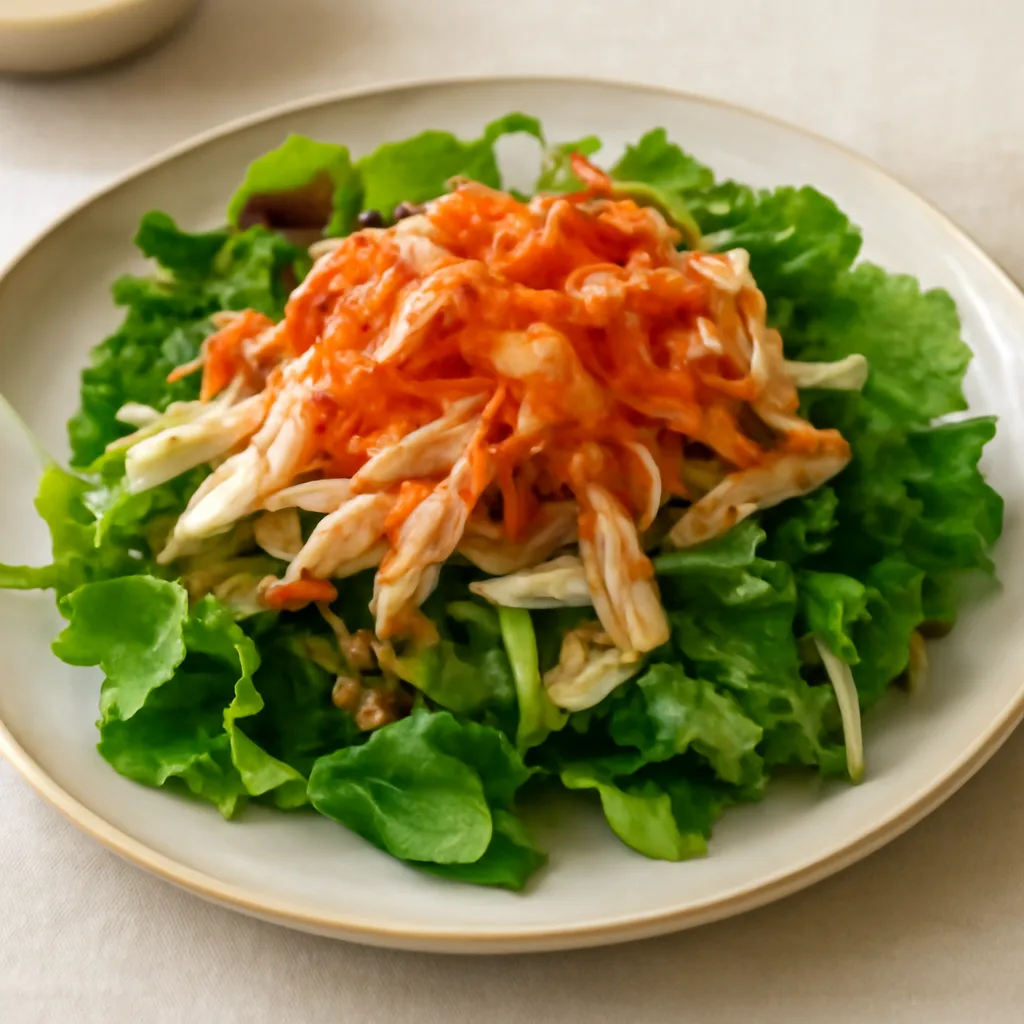
- Boiled or steamed chicken breast can be shredded for salads, dips, soups, noodle toppings, or fillings for tortillas or kimbap. If it seems dry, mix a small amount of broth or dressing after shredding.
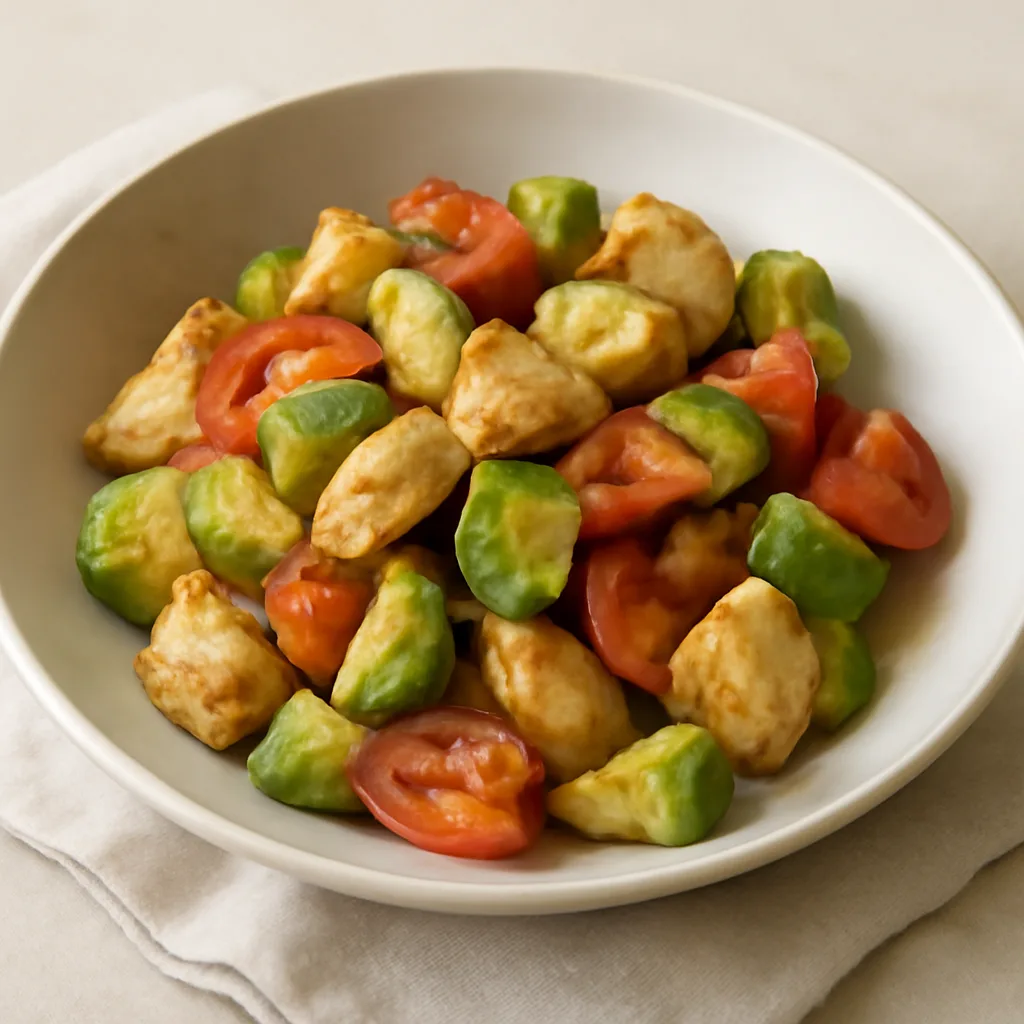
- Dice into small cubes and stir-fry with vegetables for a quick meal. If vegetables release a lot of moisture, cook the chicken breast first and set aside, then combine at the end to reduce a watery texture.
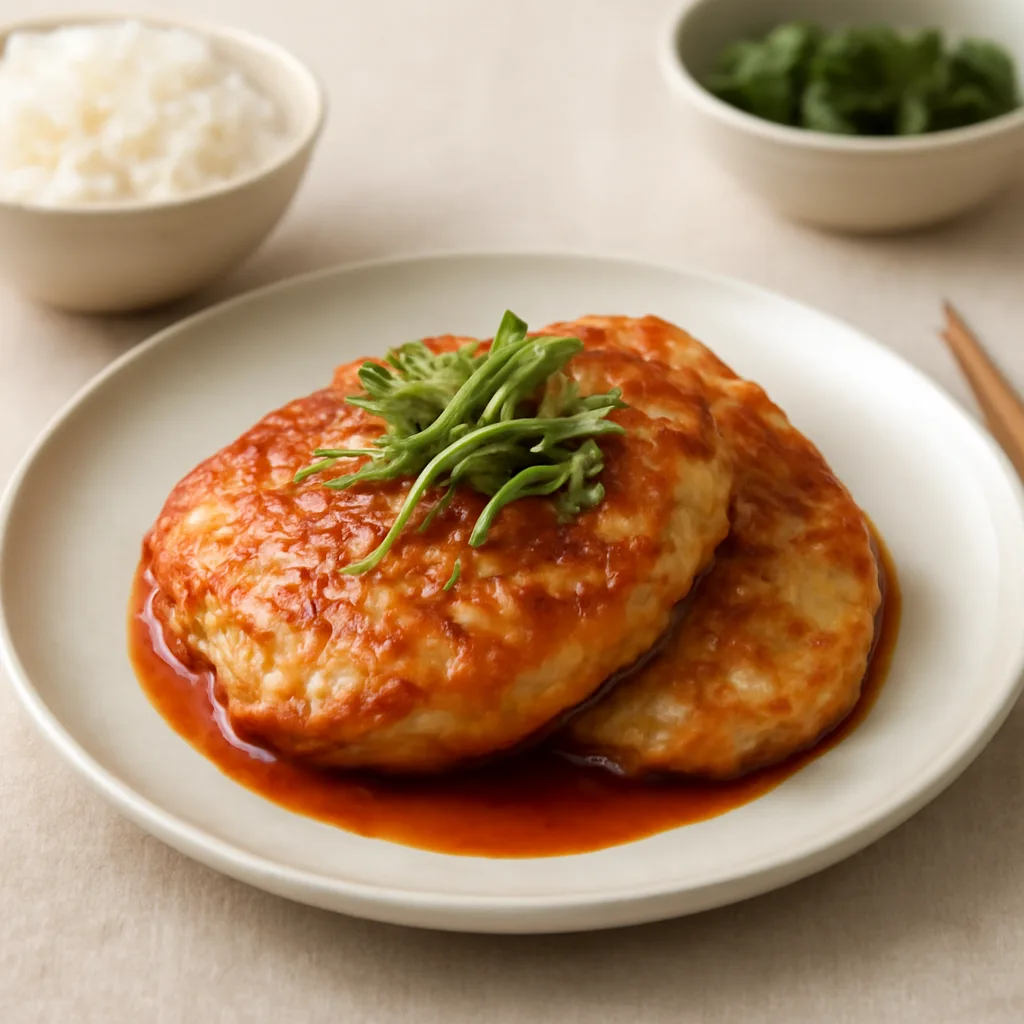
- Minced chicken breast can be used for meatballs, patties, or dumpling fillings. Since it’s lean, the mixture can be dry or crumbly; consider adding minced vegetables, egg, breadcrumbs, or sauce to bind it together.
Preparation tips
- For whole chicken breasts with uneven thickness, flatten the thicker parts slightly or even out the thickness to reduce edge drying. After patting dry, seasoning helps prevent excessive moisture loss when pan-frying or sautéing.
- When stir-frying, slice across the grain to keep the bite tender and less fibrous. If shredding for fillings, check the grain direction and shred along it after cooking for a finer pull.
- Soaking in soy sauce, lemon juice, or vinegar for too long can make the surface squeeze or alter texture. Very acidic marinades are best used briefly or added later as a sauce.
- Cold, thick pieces of breast can have a large internal-external cooking difference. Let them sit briefly to reduce chill, or start cooking on low heat to cook the inside first, then finish with higher heat.
Cooking characteristics
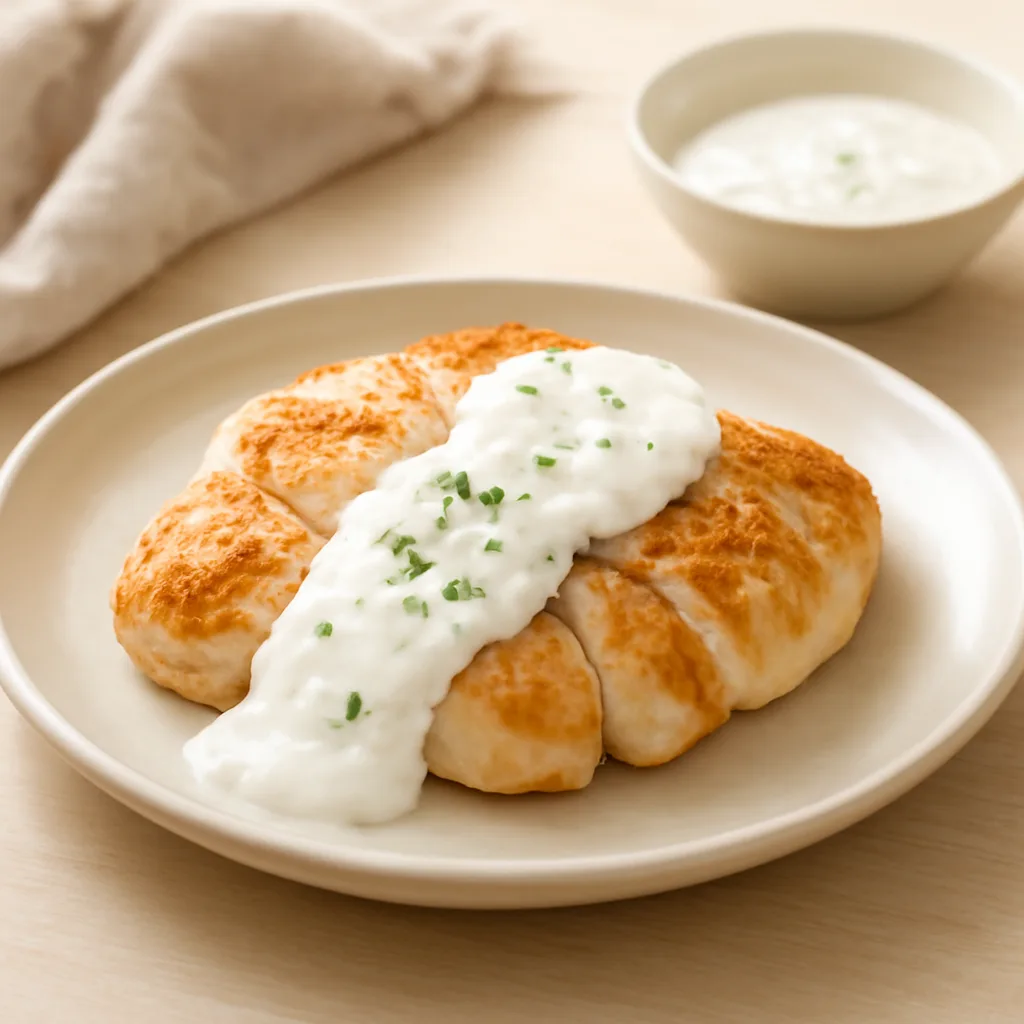
- When pan-frying, turning too often from the start prevents a nicely browned surface. When one side releases easily from the pan and shows a pale brown color, flip and briefly cook the other side.
- High heat with small pieces cooks the surface quickly but also dries interior moisture fast. If the pieces turn white and you still continue to fry, lower heat and finish briefly with sauce or vegetables.
- Boiling or blanching for too long with vigorous boiling can tighten the meat. After fully cooking, turn off heat and remove after resting in broth to reduce rapid moisture loss.
- When adding to thick sauces like cream or curry, it’s best to almost cook the chicken breast first, then mix in at the end. If cooked from the start for too long, the sauce may be delicious but the chicken texture can become rough.
Good combinations
- Bold-flavored ingredients like garlic, ginger, pepper, scallions, and herbs emphasize the mild chicken breast flavor. If using strong spices, adjust salt to avoid overlapping salty notes.
- A touch of lemon or vinegar adds freshness, but with dressings or pickled vegetables that are already acidic, avoid adding too much sourness.
- Creamy or fatty elements like avocado, olive oil, nuts, sesame seeds, or mayonnaise help balance the dry impression of chicken breast. For lighter broths, mushrooms, onions, or leek that contribute moisture and savoriness can be more suitable than heavy fats.
- Soy sauce or gochujang-based seasonings pair well with cabbage, onion, green onion, and mushrooms; when using herbs and lemon, pairing with potatoes or leafy greens works well.
Points to consider when substituting
- For dishes requiring the lean white meat like grilling, sautéing, or curry, chicken tenderloin is the closest substitute but it is smaller and may cook faster. Check doneness to avoid drying.
- If a more moist and deeper flavor is desired, substitute with skinless chicken thigh. They produce more fat and juiciness, so you may want to adjust oil and seasoning later in stir-fries or sauce-based dishes.
- Shredded chicken breast in salads or sandwiches can be replaced with cooked turkey breast or a pale white fish with a delicate texture. Fish can crumble more easily and has a different aroma, so light dressings are preferable.
- For balls or ground meat dishes, you can use ground chicken thigh, but it won’t have the same firm texture as chicken breast. If you want a crispy patty surface, drier substitutes may be harder to manage; a slightly fattier minced option can be easier to handle.
Ingredients commonly used together in actual dishes
Aggregated based on the co-occurrence count of representative ingredients in public dishes registered in CookPagoda.
Dishes that use this ingredient
Shows dishes where this ingredient is a representative ingredient, sorted by view count.