Ingredient Encyclopedia
Check the characteristics of the ingredients and how to use them in cooking.
Gochujang
8
9
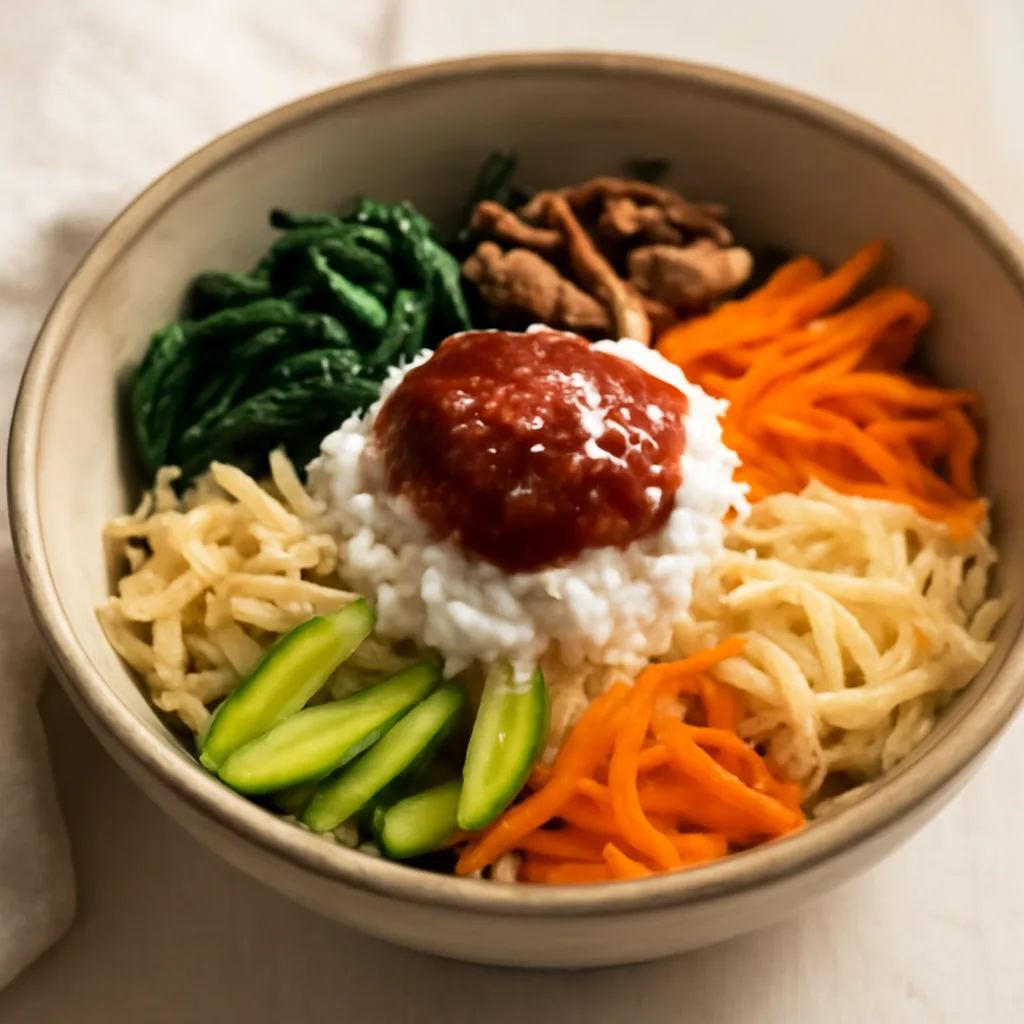
Gochujang is a thick Korean seasoning made from chili powder, with sweetness, saltiness, and the depth of fermentation. A single spoonful adds color and a spicy-sweet core flavor to stir-frying, braising, stews, and bibim sauces. Concentration, spiciness, and sweetness vary greatly by product. When first making a sauce, it is more stable to taste with only a portion of gochujang rather than adding it all, then adjust saltiness and thickness with soy sauce, salt, water, or stock. If the gochujang is particularly sweet, it can feel heavy in light broths, so start with small amounts. Rather than eating it as is, mix it with sesame oil, vinegar, minced garlic, soy sauce, and water to spread the flavor evenly. It is especially good for bibimbap sauces or vegetable namul to add acidity and a toasty oil to balance the heavy sweet-salty taste.
Taste and Texture
A hot chili aroma with a layering of saltiness and sweetness, plus a deep, toasty umami from fermentation. The spiciness tends to linger with the sweetness rather than shocking the palate immediately, and it can range from quite mild to strong depending on the product. The texture is thick and viscous, sticking well to the surface of ingredients. If used on very wet ingredients, the sauce can become runnier, so in stir-fries or namul, first manage the moisture of the ingredients for a clearer flavor.
Main uses
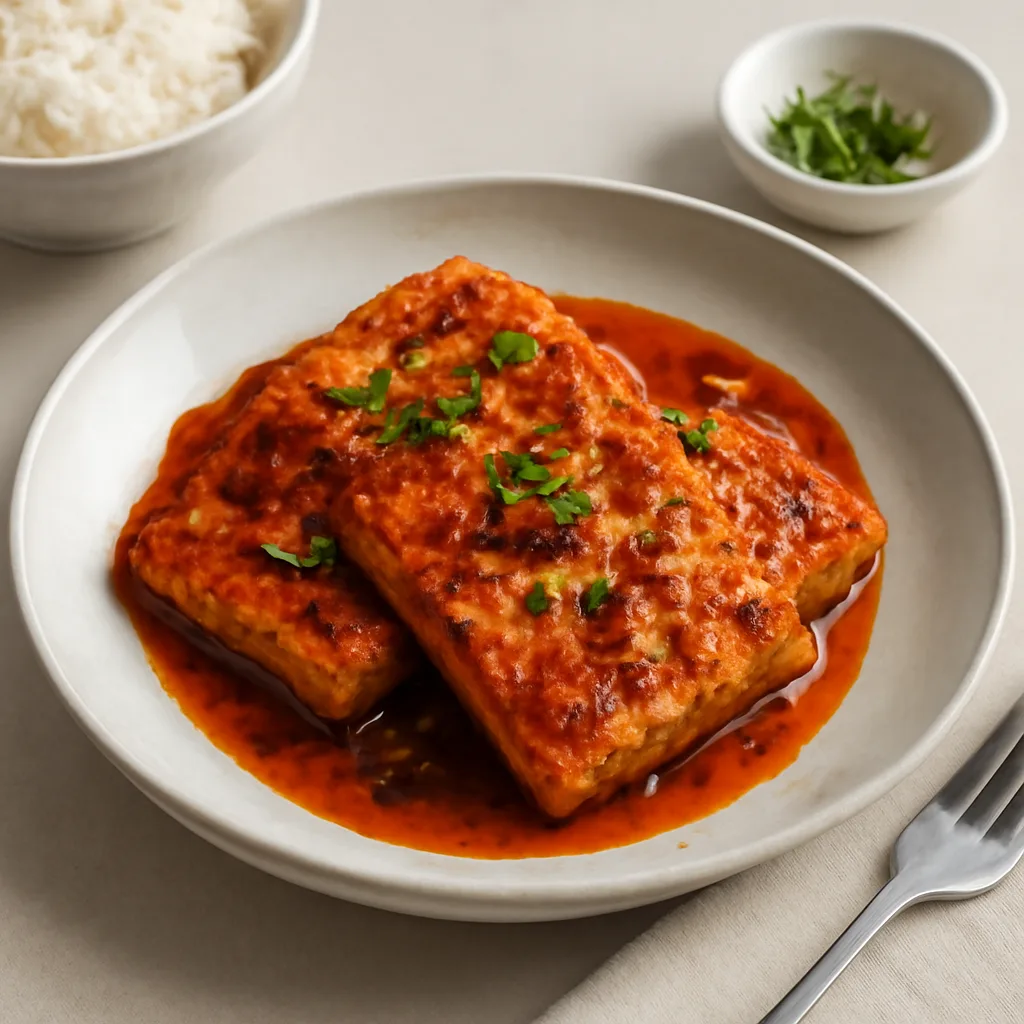
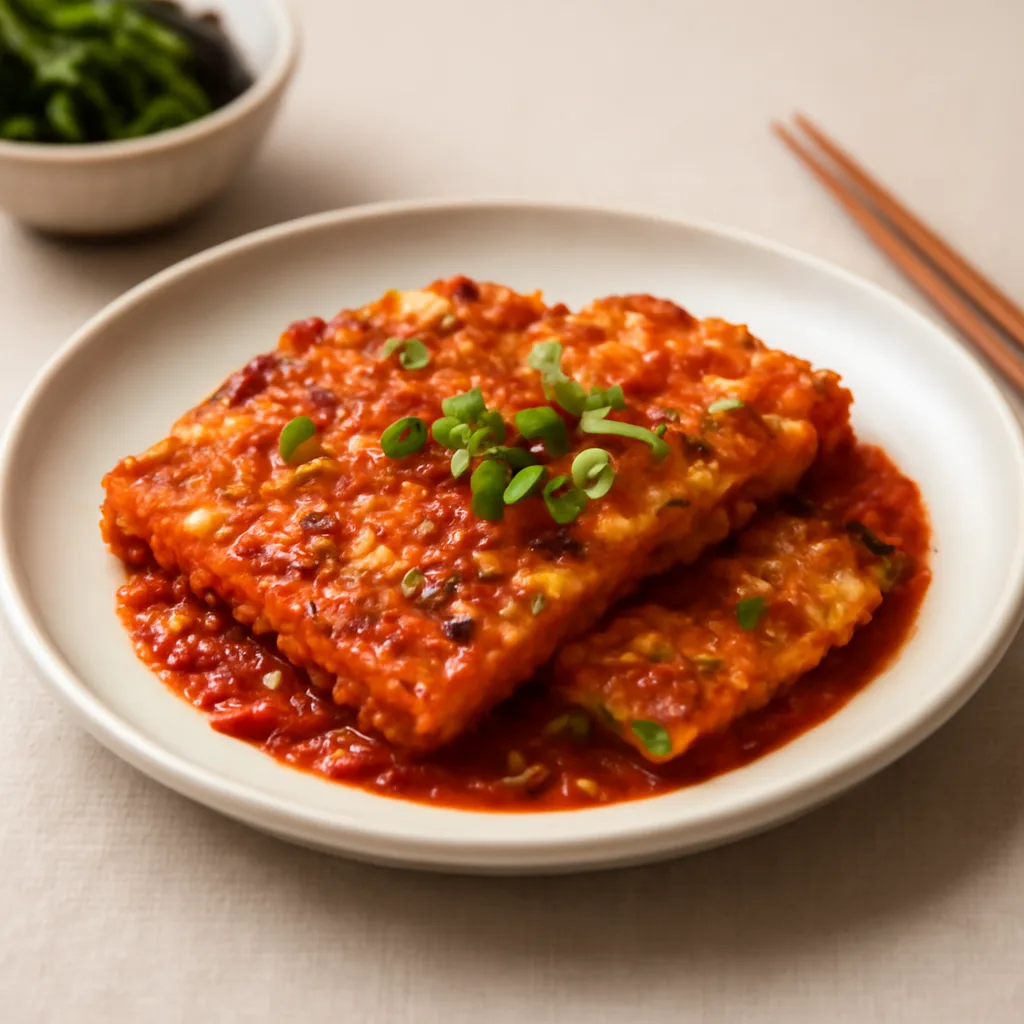
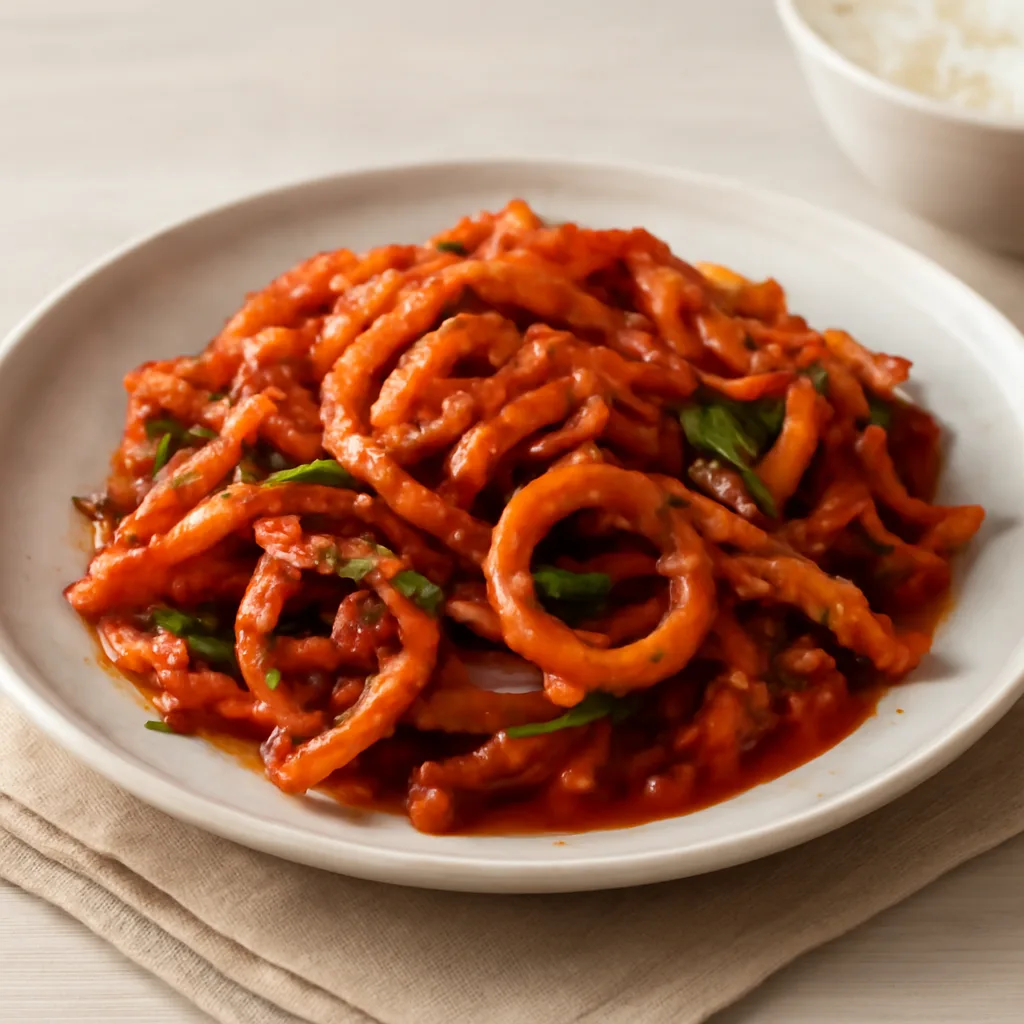
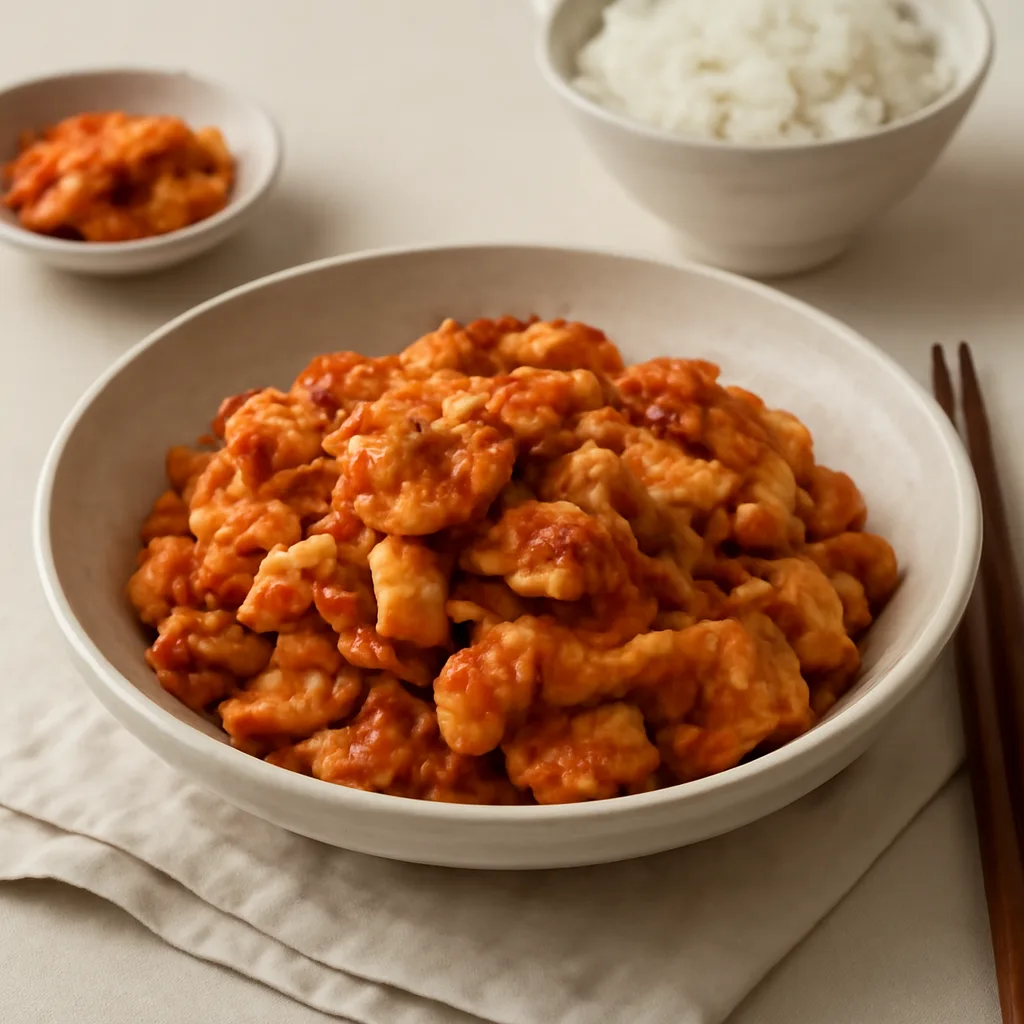
- Use as a central seasoning when stir-frying pork, chicken, tofu, or mushrooms to add a red hue and a spicy-sweet flavor. When seasoning meat, it is common to combine with soy sauce or garlic to balance saltiness and aroma.
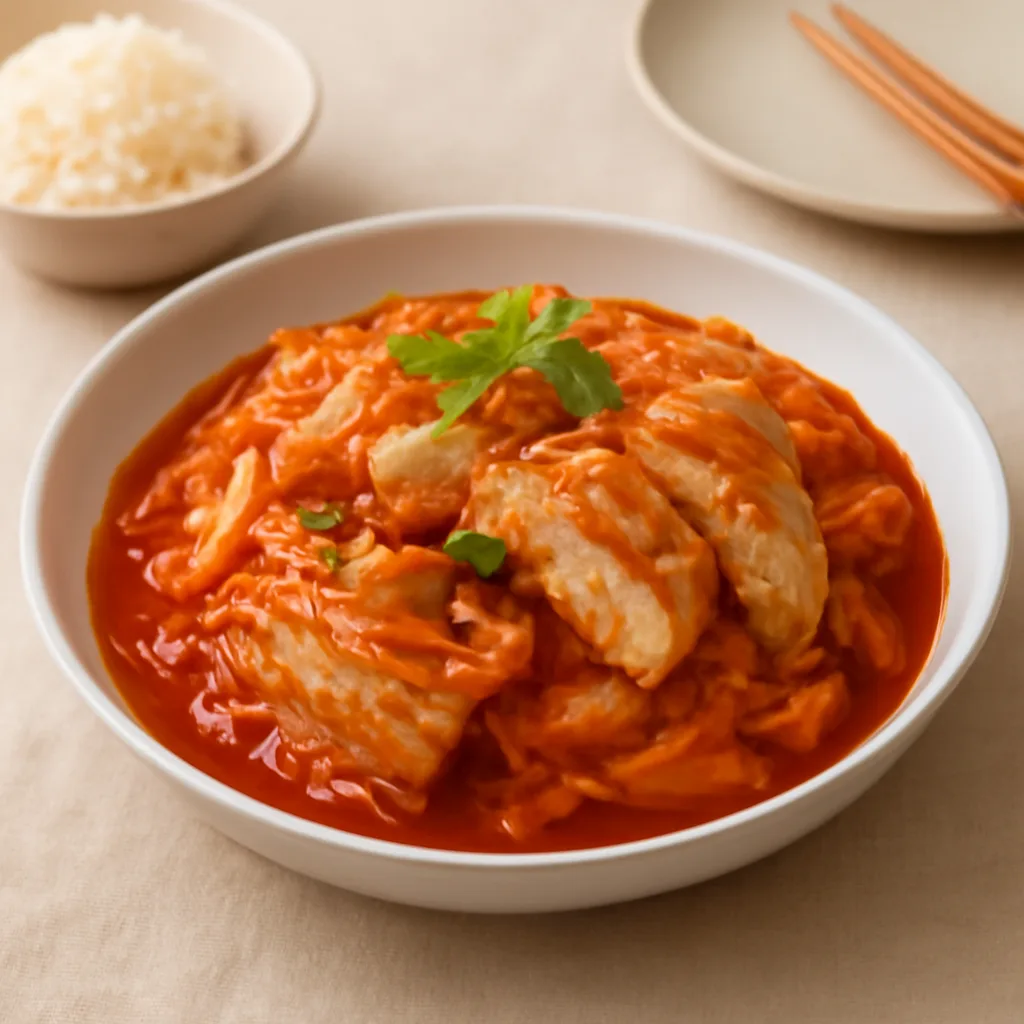
- In stews or soups, add a small amount with chili powder to bring spiciness and depth. If too much gochujang is used, the broth can become cloudy and sweet, so for a clean, hot broth, favor a higher ratio of chili powder.
- For bibimbap, bibim guksu, and vegetable namul, use a sauce mixed with vinegar and sesame oil. If the tanginess is lacking, adjust at the end with a touch of acidity to prevent dullness.
- When used in tteokbokki or braising sauces, it creates gloss and thickness with ingredients containing starch. If the sauce thickens too quickly during cooking, dilute with water or stock.
Preparation tips
- Before use, scoop with a clean spoon to measure out the needed amount for consistent sauce thickness and seasoning. If it is thick and hard to dissolve, first blend a small amount of water, stock, soy sauce, or vinegar to smooth it before adding to ingredients.
- For stir-fry sauces, mix gochujang with minced garlic, soy sauce, a touch of sweetness, and water to reduce scorching at the pan. If the sauce is too thick, adjust to a runnier consistency so it coats ingredients instead of forming clumps.
- When vegetables with high water content like cucumber or lettuce are used in namul, either salt and drain lightly or season right before serving. If water is released too much over time, gochujang’s flavor will dilute, so start with conservative seasoning.
- Because the saltiness and sweetness vary by brand, taste the sauce before adding other salty ingredients. If already salty, balance with water, acidity, or aromatic ingredients rather than adding more soy sauce.
Cooking characteristics
- Overheating in a pan can cause sugars in gochujang to stick to the bottom and give a bitter char. To reduce this, sauté aromatics in oil first, then lower the heat to medium-low and add the sauce or cook with a diluted sauce.
- Heating can soften the sharp fermented aroma and bring out more sweetness and a toasty aroma. Therefore, when braising with a product already high in sweetness, avoid adding sugar or corn syrup at the start and only supplement after reducing the sauce if needed.
- When water is present, it becomes a sauce, but simmering for a long time thickens quickly and sticks heavily to ingredients. For a glossy braise, adjust the thickness at the end, and for soups, add water during simmering to maintain the consistency.
- Acidic ingredients pair well, but boiling vinegar too early can dull the tanginess. If a bright finish is important, add vinegar or lemon juice after turning off the heat.
Good combinations
- Sesame oil, sesame seeds, garlic, and green onions naturally complement the nutty, spicy flavor of gochujang and work well with bibim sauces and stir-fry sauces.
- Adding a small amount of soy sauce or doenjang broadens the salty and savory facets, but both are salty, so reduce gochujang gradually while adjusting.
- Ingredients with mild sweetness and moisture like pear, apple, or onion can soften and round the meat seasoning. For strong-sweet gochujang, adding more fruit or sugars can make it overly sweet.
- Acidic elements like vinegar, lemon juice, or pickled vegetables help balance the richness in heavy dishes like savory meat or tteokpokki.
Points to consider when substituting
- Substitutes vary depending on whether the goal is spiciness, red color, or the distinctive salty-sweet fermented flavor of gochujang. There is no single substitute that perfectly matches its flavor and texture.
- Mix a little miso or doenjang into chili powder, then add soy sauce and a small amount of sugar to resemble the flavor direction for stir-fry or braising. This may have a thinner or grittier texture than gochujang, so reduce water and adjust by tasting.
- Chili paste (chili bean paste) can supplement spiciness but may differ greatly in sweetness and fermentation notes. For dishes where gochujang is a primary flavor, such as bibim sauce, supplement with vinegar, sweeteners, and fermented pastes in small amounts, but expect different results.
- To reduce spiciness, reduce gochujang and adjust basic seasoning with doenjang or soy sauce, then add very little chili powder to adjust color. For dishes like tteokbokki where gochujang helps determine both sauce thickness and flavor, it is better to balance thickness and sweetness as you simmer rather than fixing substitute ratios.
Ingredients commonly used together in actual dishes
Aggregated based on the co-occurrence count of representative ingredients in public dishes registered in CookPagoda.
Dishes that use this ingredient
Shows dishes where this ingredient is a representative ingredient, sorted by view count.