Ingredient Encyclopedia
Check the characteristics of the ingredients and how to use them in cooking.
Sugar
11
7
Sugar is a basic sweetener that adds sweetness to foods, but it also affects balance of flavor, color, and texture. It can soften tart edges in acidic fruits or tomato dishes, and make saltiness, heat, and spiciness more pronounced in sauces and seasonings. In baking, sugar is not only about sweetness. It participates in moisture and air incorporation in dough, influencing cookie spread, cake tenderness, and meringue stability. However, reducing sugar can change not only sweetness but also color and texture, so adjust it to suit the cooking purpose. When heated, it melts into syrup, and at higher heat it darkens and develops a caramel-like aroma. This change adds depth to desserts and sauces, but if the heat is too high or stirring timing isn’t right, bitterness can develop quickly.
Taste and Texture
Sugar provides a clean and direct sweetness, and even small amounts can soften the impression of sourness, saltiness, and bitterness. The aroma itself is not strong, so it does not mask scents like vanilla, fruit, spices, or coffee. In crystalline form, there is a crunchy granularity, but when it dissolves in water or more moist ingredients it becomes a smooth sweetness. If not mixed well with fats or butter, grains can remain in dough, and conversely fully melted syrup adds gloss and viscosity to sauces.
Main uses
- Used in baking where sweetness and texture need to be controlled together, such as cookies, cakes, meringues, and creams. In particular, creaming butter and sugar helps incorporate air and produce relatively light doughs.
- Adds a small amount to stews, sauté sauces, dressings, and tomato sauces to balance saltiness, acidity, and heat. For dishes using soy sauce or fruit purée that already have sweetness, it is better to judge at the end rather than adding a lot from the start.
- Fruit preserves, jams, and syrups develop their thickness and sweetness as they mix with the fruit’s moisture. Since each fruit has different moisture and acidity, results can vary even with the same amount.
- Used in cooking that caramelizes sugar directly, such as caramel sauces, crème brûlée topping, and nut coatings. In these uses, the timing for achieving color and the moment before bitterness develops are more important than sweetness.
Preparation tips
- When measuring, lightly fill a measuring cup with sugar and level the top to reduce packing; for precision baking, weighing is easier to get consistent results.
- Cold liquids cause sugar to dissolve slowly; for syrups or cold drinks, dissolve a small amount of sugar in warm water first or stir well to ensure no grains remain. If grains stay at the bottom, sweetness won’t distribute evenly.
- Cream butter and sugar until the color lightens slightly and the texture becomes soft. In recipes that use melted butter, this step may not generate much air, so it might not suit expectations for a fluffy cake.
- When adding to egg white foam, add in parts after the foam has risen to a certain height to give more time for the crystals to dissolve. If adding all at once slows foam formation, adjust speed and add gradually.
Cooking characteristics
- Sugar melts with moisture to form syrup, and as moisture evaporates, viscosity increases. If the sauce cools and appears thicker, turning off heat a bit earlier can be advantageous to reach the target consistency.
- When melting sugar in a dry pan, the edges become transparent liquid first, then it caramelizes as it turns amber. If it darkens quickly or smokes, reduce heat or remove the pan from the heat briefly to reduce bitterness.
- In an oven, sugar contributes to surface browning and crunch. If cookies with significantly reduced sugar spread less and look pale and hard, it may reflect not only sweetness but also moisture and structural balance.
- Syrups boiled with acidic ingredients can crystallize differently. If a rough crust forms after finishing, wipe sugar from the pan walls with a damp brush and avoid stirring too often afterward.
Good combinations
- With sharply acidic ingredients like lemon, berries, grapefruit, or tomato, a small amount of sugar rounds the flavor. For dressings or pickles where acidity is the lead, it is better not to overdo the sweetness to maintain character.
- It can balance salty and savory ingredients like salt, soy sauce, and miso. When glazing or simmering, dissolve sugar first and taste, but as the mixture reduces, the flavor concentrates, so adjust the final seasoning conservatively.
- Pairs well with cinnamon, vanilla, ginger, coffee, and cocoa, softening their bitterness or warm aromas. However, in delicate teas or clear fruit desserts, sugar can mask subtle aroma differences.
Points to consider when substituting
- You can replace sugar with other sweeteners, but the moisture, aroma, and viscosity will differ, changing the result. Honey or syrups add liquid, so reduce other liquids accordingly in cookies or cakes, and first judge whether their distinct aroma complements the dish.
- Brown sugar can add molasses-like flavor and a moist texture, suitable for cookies, barbecue sauces, and rich braises. For meringues or light syrups where a bright color and clean flavor are desired, you may not achieve the same result as with the original sugar.
- Powdered sugar contains starch, which is convenient for decoration but may not be a simple substitute for caramel or syrup made by dissolving granulated sugar due to differences in crystal size and texture.
- Simply reducing sugar can be easier to manage in sauces or drinks, but in baked goods it also affects spread, browning, and moisture. For cakes or meringues where structure matters, it is practical to test small reductions rather than large cuts.
Ingredients commonly used together in actual dishes
Aggregated based on the co-occurrence count of representative ingredients in public dishes registered in CookPagoda.
Dishes that use this ingredient
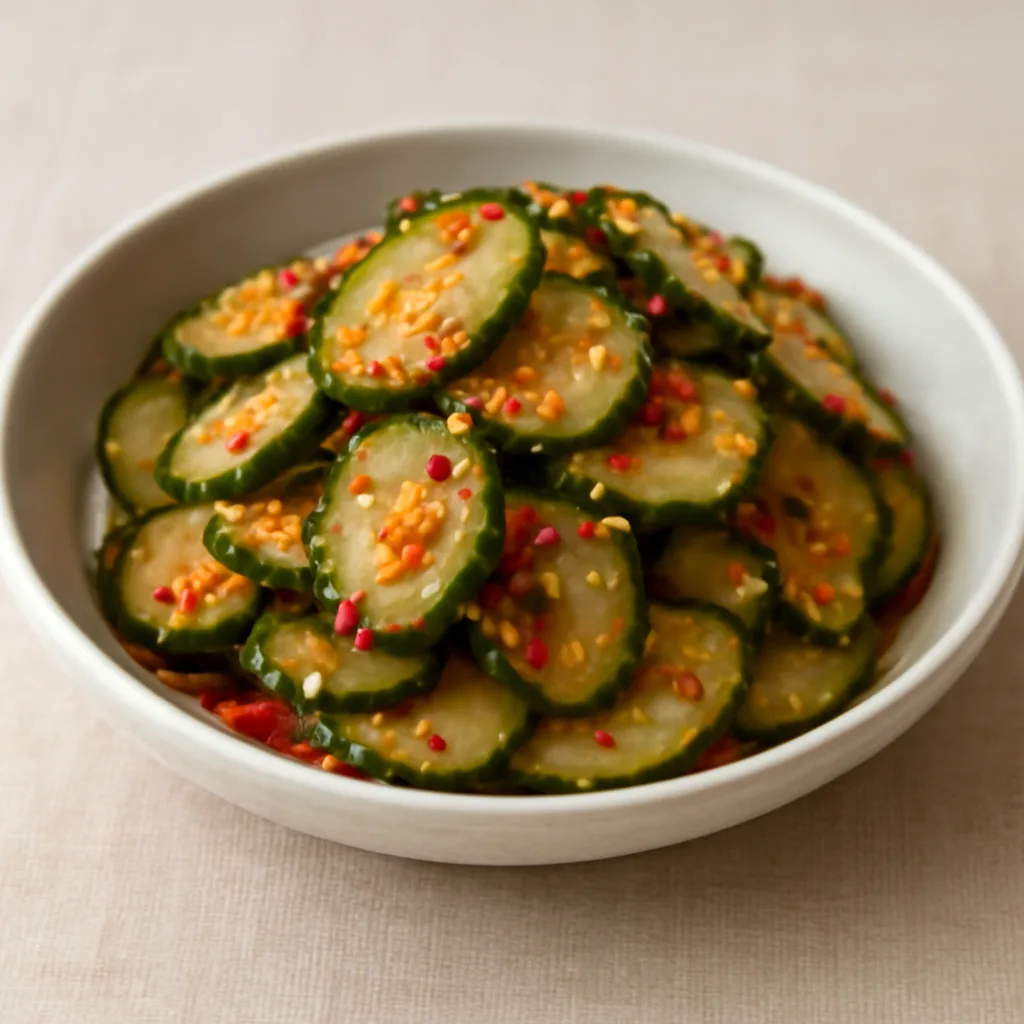
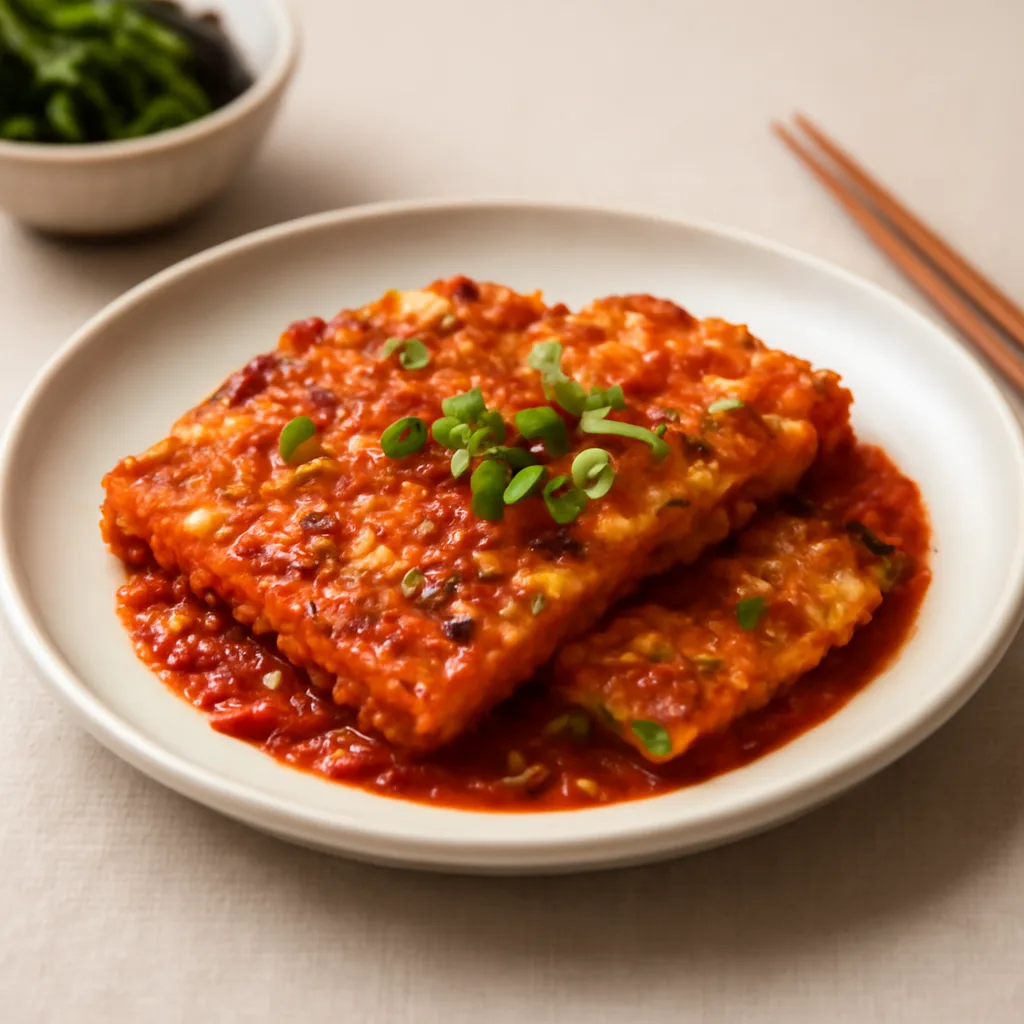
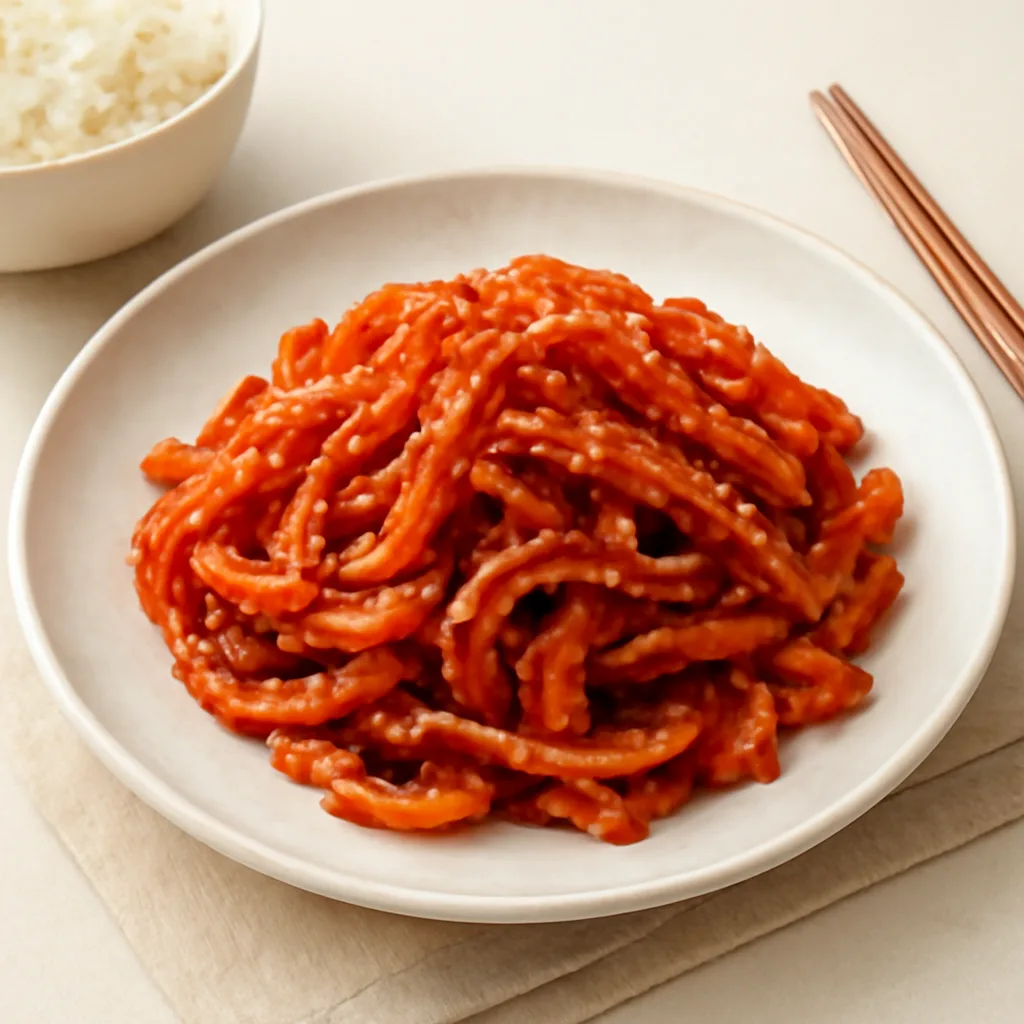
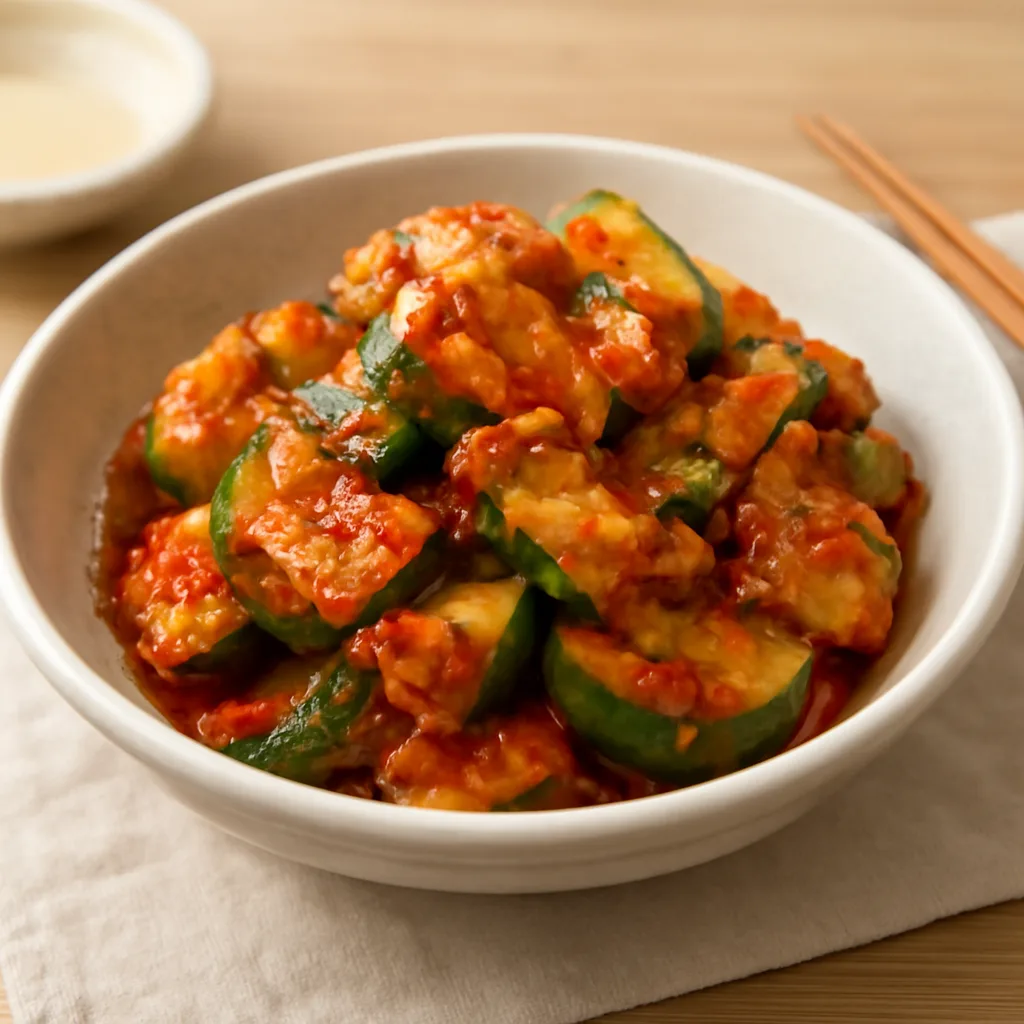
Shows dishes where this ingredient is a representative ingredient, sorted by view count.