Ingredient Encyclopedia
Check the characteristics of the ingredients and how to use them in cooking.
Soy sauce
11
12
Soy sauce is a salty liquid seasoning made by fermenting soybeans, adding not only saltiness but also deep umami and color to foods. It is versatile—from soups and stews to stir-fries, braises, and dipping sauces—and even among the same soy sauce, products differ in saltiness, aroma, and color depending on whether they are jin-ganjang (dark soy), guk-ganjang (soup soy), or yangjo ganjang (brewed soy sauce). For stir-fries or braises, soy sauces with relatively distinct color and flavor tend to pair well, while for clear broths it is easy to choose guk-ganjang that does not darken the color too much. However, because saltiness varies by product, it is more stable to start with a moderate amount and adjust by tasting. Soy sauce spreads quickly when it meets the moisture of ingredients, so in marinades you should also consider the amount of other liquid ingredients. If the saltiness feels strong, another approach is to balance the overall flavor by adding small amounts of sweetness, acidity, or fragrant herbs rather than simply increasing water or stock.
Taste and Texture
The dominant flavor is saltiness, but it carries umami from fermentation and a toasty aroma, with a subtle sweetness or deep aged aroma depending on the product. Darker soy sauces tend to color the surface and broth brown. The texture is a thin liquid that readily permeates between ingredients. Therefore, it quickly imparts flavor to moist ingredients like tofu or mushrooms, but if left to soak for a long time, the overall saltiness can become higher than on the surface.
Main uses
- Used to season soups, stews, and broths; for clear broths, choosing a type that changes color less makes it easier to preserve the color of the ingredients.
- In meat marinades for dishes like bulgogi or galbi, it forms the base of saltiness and umami. If you use ingredients that add sweetness such as sugar, pear, or onion, along with garlic, the saltiness of soy sauce shifts less to one side.
- Add a small amount to stir-fried vegetables, mushrooms, or tofu to bring out aroma and color in the pan. If you add too much early for moisture-rich vegetables, it can resemble braising more than stir-frying.
- In braising, make a braising sauce with water or stock, and season lean ingredients like radish, potatoes, eggs, or fish with its salty flavor.
- A dipping sauce made by mixing soy sauce with vinegar or citrus juice, sesame oil, and minced garlic.
Preparation tips
- Shake the bottle lightly before use to reduce flavor variance, and measure with a spoon to make saltiness easier to control.
- When substituting guk-ganjang for jin-ganjang, don’t use the same amount all at once; start with about half and check color and saltiness. Guk-ganjang is better for clear broths, jin-ganjang for braises and stir-frying.
- When marinating meat or tofu in soy sauce, consider the moisture that will be released from the ingredients and make the marinade slightly thicker. If the marinade becomes too thin after marinating, don’t use all of it; use only what is needed.
- In stir-frying, sear the edge of the pan with soy sauce briefly to lift aromas, then mix with the ingredients. If the pan is very hot or the sauce is high in sugar, it can burn quickly, so lowering the heat is better.
Cooking characteristics
- When heated, the sharp aroma of raw soy sauce softens and a toasty aroma can become more pronounced. Short heating preserves aroma, but long simmering reduces its delicacy and makes saltiness stand out more.
- As moisture reduces during braising, the soy sauce itself does not spread, so the saltiness increases. If the broth visibly reduces compared to before, pause adding more soy sauce, taste the ingredients, and adjust the thickness with water or stock.
- Soy sauce in fried dishes can create a brown surface flavor, but if there is a lot of moisture in the pan, boiling phenomena occur before browning. In this case, it is better to cook in portions or evaporate moisture before adding soy sauce on high heat.
- When combined with acidic elements like vinegar or citrus juice, the perceived saltiness can lighten, which is suitable for salads or dipping sauces. Conversely, if you add too much acidity to braising that simmers for a long time, the sourness may dominate over the soy sauce aroma.
Good combinations
- Garlic, ginger, scallions, and onions harmonize with the ferment aroma of soy sauce to balance meat or fish marinades.
- Sesame oil and sesame seeds add a toasty finish and are especially good for greens or tofu seasonings. However, in dishes with strong sesame oil aroma, less soy sauce should be used so other ingredients' scents aren’t masked.
- Sugar, corn syrup, and the sweetness from fruits or vegetables help round out the saltiness for braises and grill marinades.
- Vinegar, lemon juice, and chili powder add acidity and heat to soy-based sauces to balance fatty or bland ingredients.
Points to consider when substituting
- If you don’t have soy sauce, season with salt to taste and add small amounts of ingredients like stock, mushrooms, or miso to compensate for the savory depth, but the fermentation aroma and brown color from soy sauce won’t be reproduced.
- If using guk-ganjang instead of jin-ganjang, start with a small amount and avoid forcing more brown seasonings; you may adjust braising time instead. This substitution can be relatively natural in broth dishes, but in strong stir-fry or braising, the flavor and color differences can be noticeable.
- When using jin-ganjang instead of guk-ganjang, be aware that the color may become cloudy, so for clear broths or egg drop soup, it may not be suitable. If needed, add only a small amount and balance the rest with salt.
- Tamari and other soy products can be substitutes, but their saltiness and aroma vary. Adjust gradually by tasting rather than replacing with the same amount.
Ingredients commonly used together in actual dishes
Aggregated based on the co-occurrence count of representative ingredients in public dishes registered in CookPagoda.
Dishes that use this ingredient
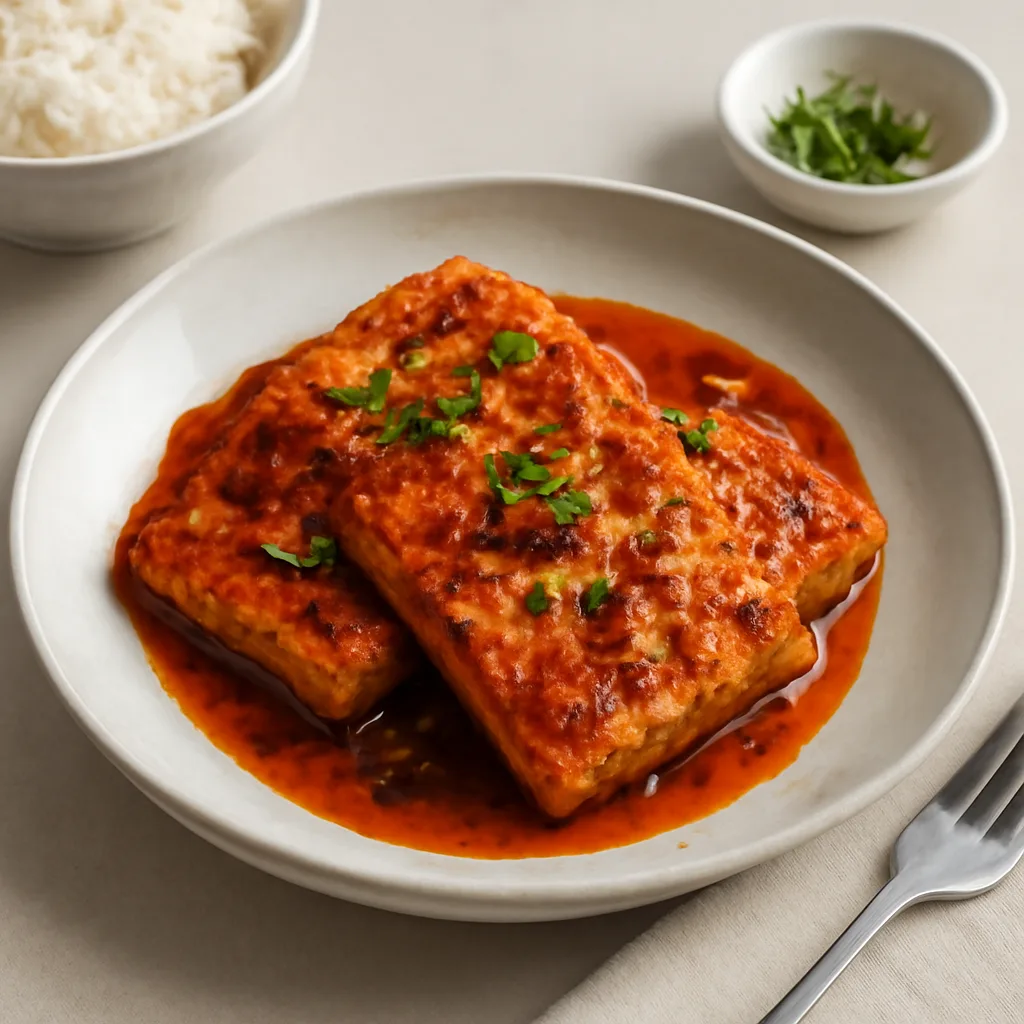
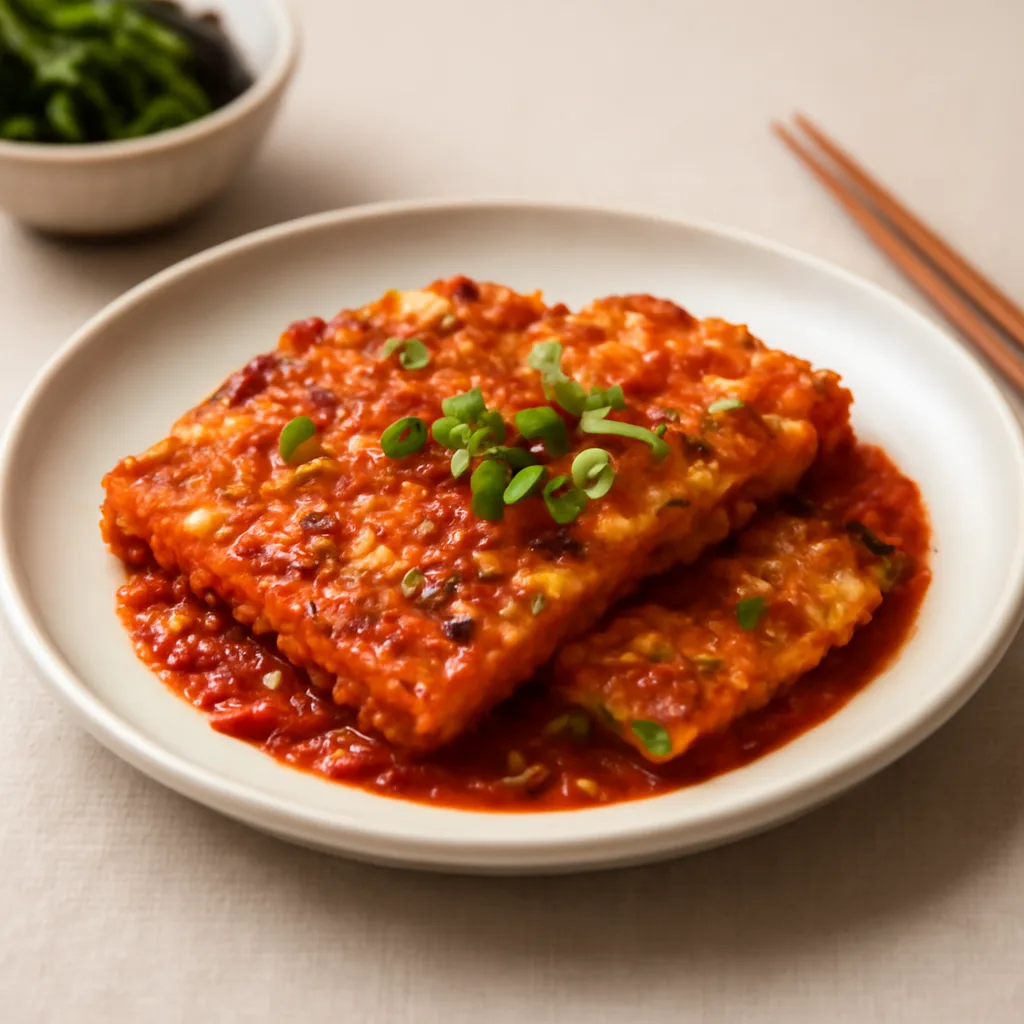
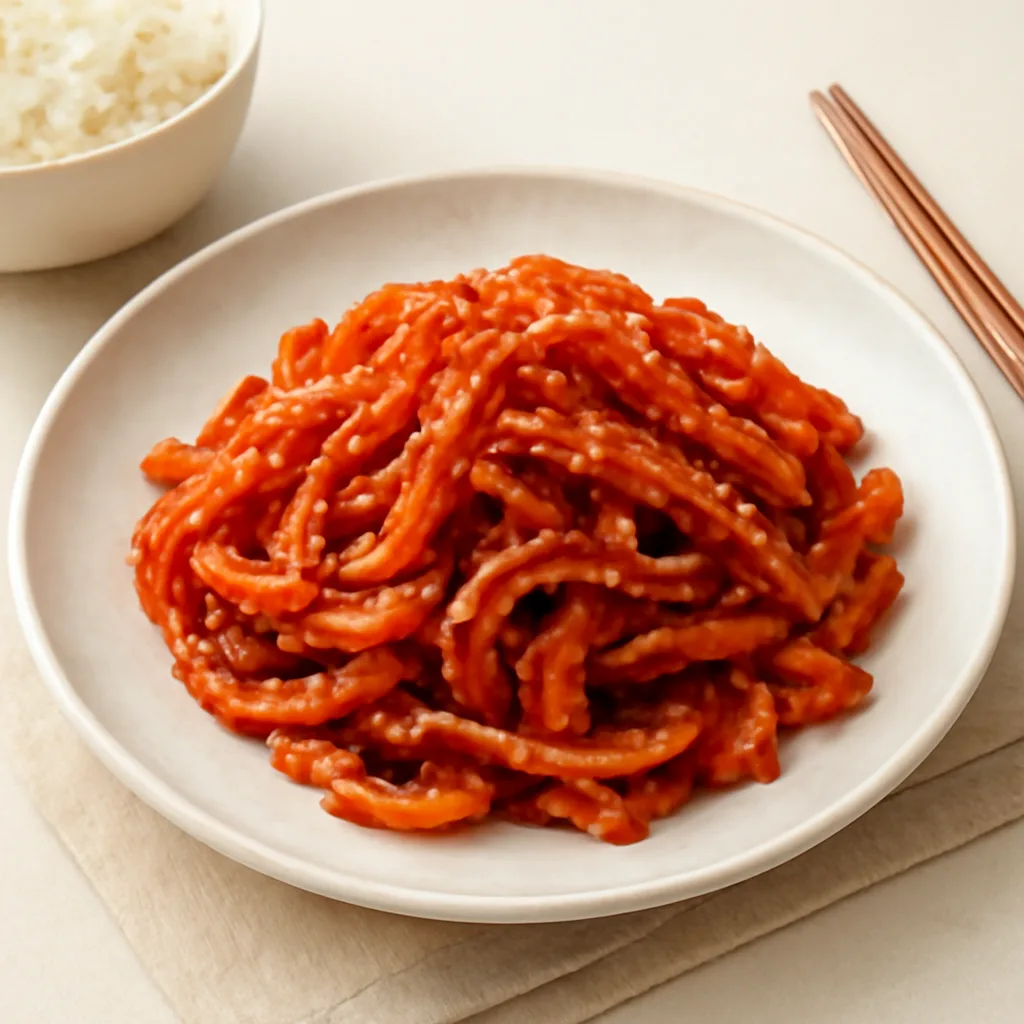
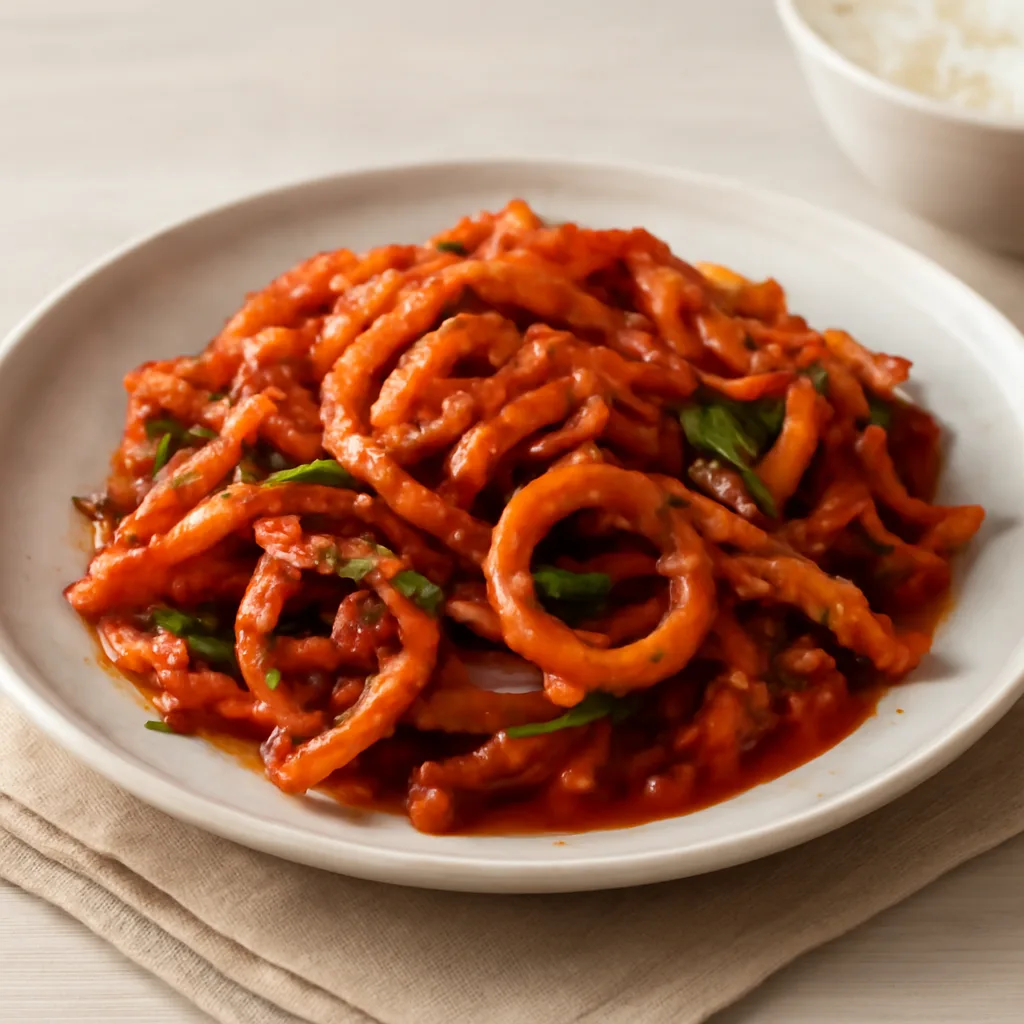
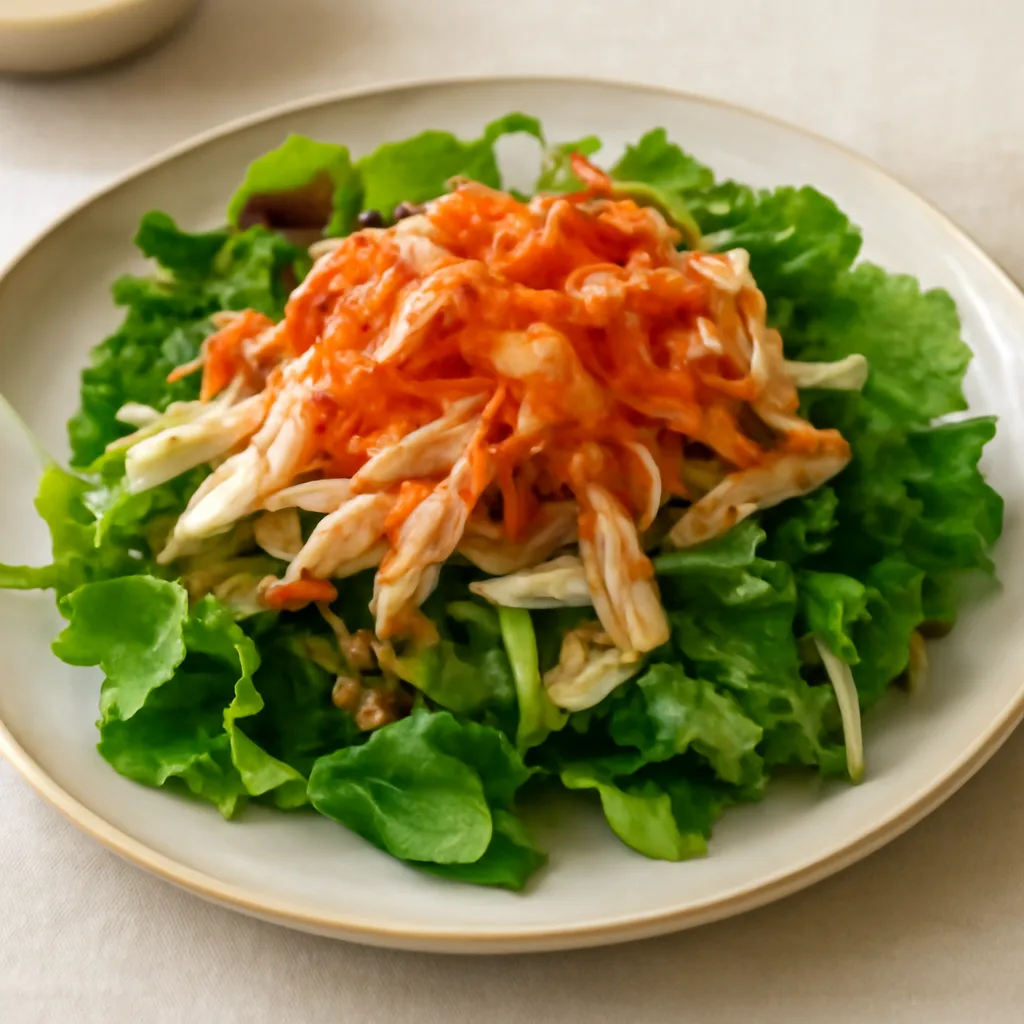
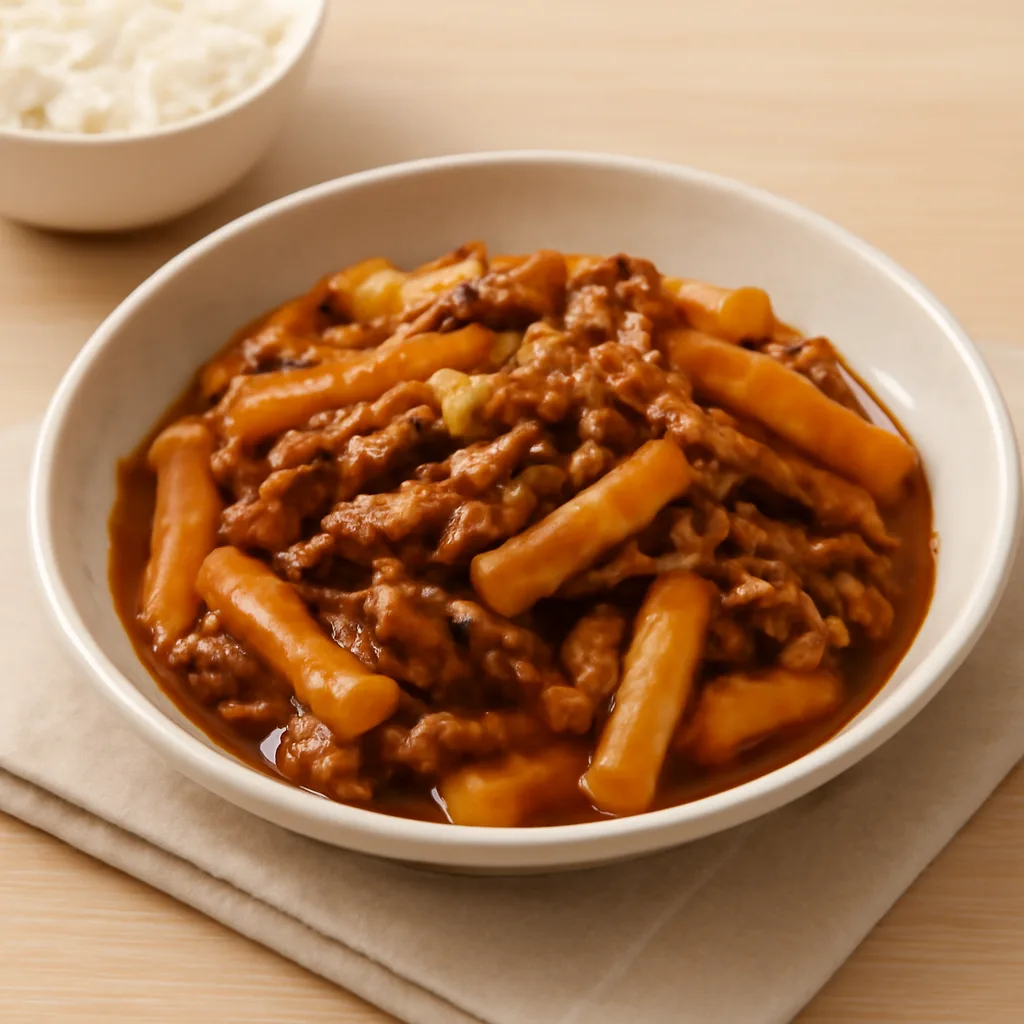
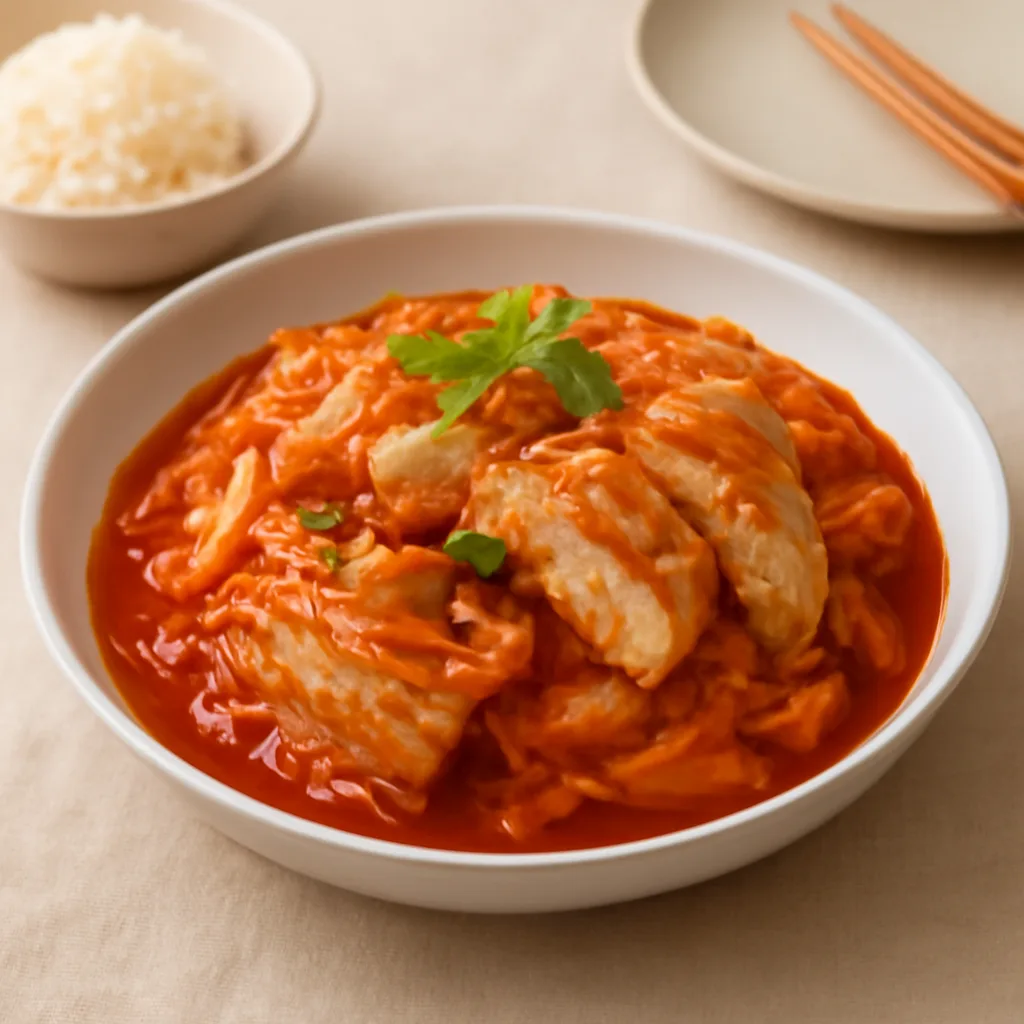
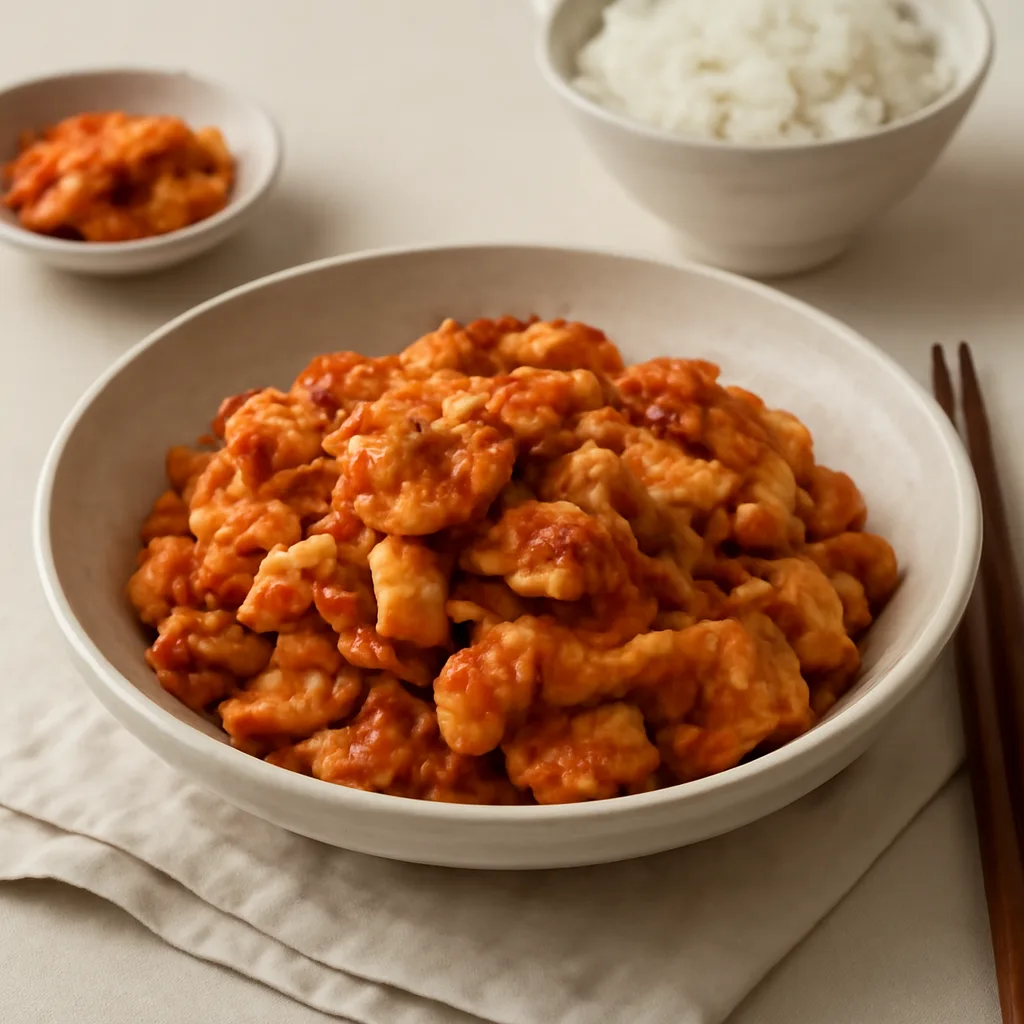
Shows dishes where this ingredient is a representative ingredient, sorted by view count.