Ingredient Encyclopedia
Check the characteristics of the ingredients and how to use them in cooking.
Radish
6
8
Daikon is a root vegetable widely used in Korean cuisine for broth, kimchi, braising, and salad. When raw, it adds moisture and a fresh mild spiciness; when cooked, its sweetness becomes prominent and it gives a clear, cool impression to the broth. Daikon that is firm and heavy with a smooth surface generally has enough moisture, so when sliced it remains crunchy. In soups or stews, cut large to support other ingredients’ flavors; in braising, cut thick to absorb the seasoning. Since the texture can vary with preparation methods—soft and translucent for braising or a quick cook to preserve shape for soups like mu guk or fish braises—decide first whether to cook quickly to keep the shape or simmer for tenderness. The ends can taste relatively sharp, so for raw salads or pickles, it’s convenient to use the sweeter, upper part. Conversely, for broths or pickles where the spice and aroma are absorbed into the seasonings, the taste of different parts is less of an issue.
Taste and Texture
Raw daikon delivers clear moisture, subtle sweetness, and a mild spiciness that won’t bother the nose. Thin slices are crisp and light, while thick slices offer a firmer chew that lasts longer. When heated, the spiciness softens and the sweetness becomes more pronounced. Fully ripe daikon turns translucent at the edges and becomes fluffy or tenderly crumbly; in long-simmered broths, its own flavor becomes secondary to the broth’s saltiness and aroma.
Main uses
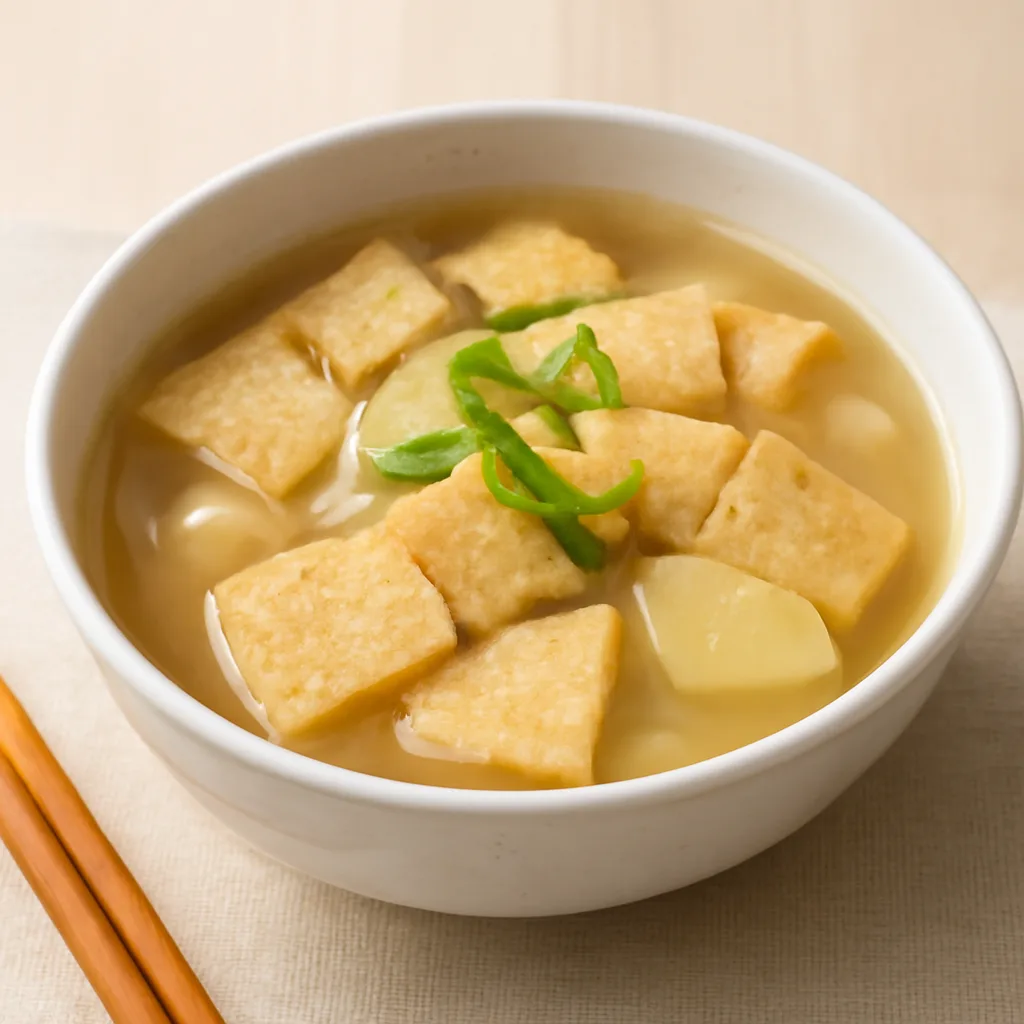
- For soups and stews, add in chunky slices or large chunks to bring a mild sweetness and cool broth flavor.
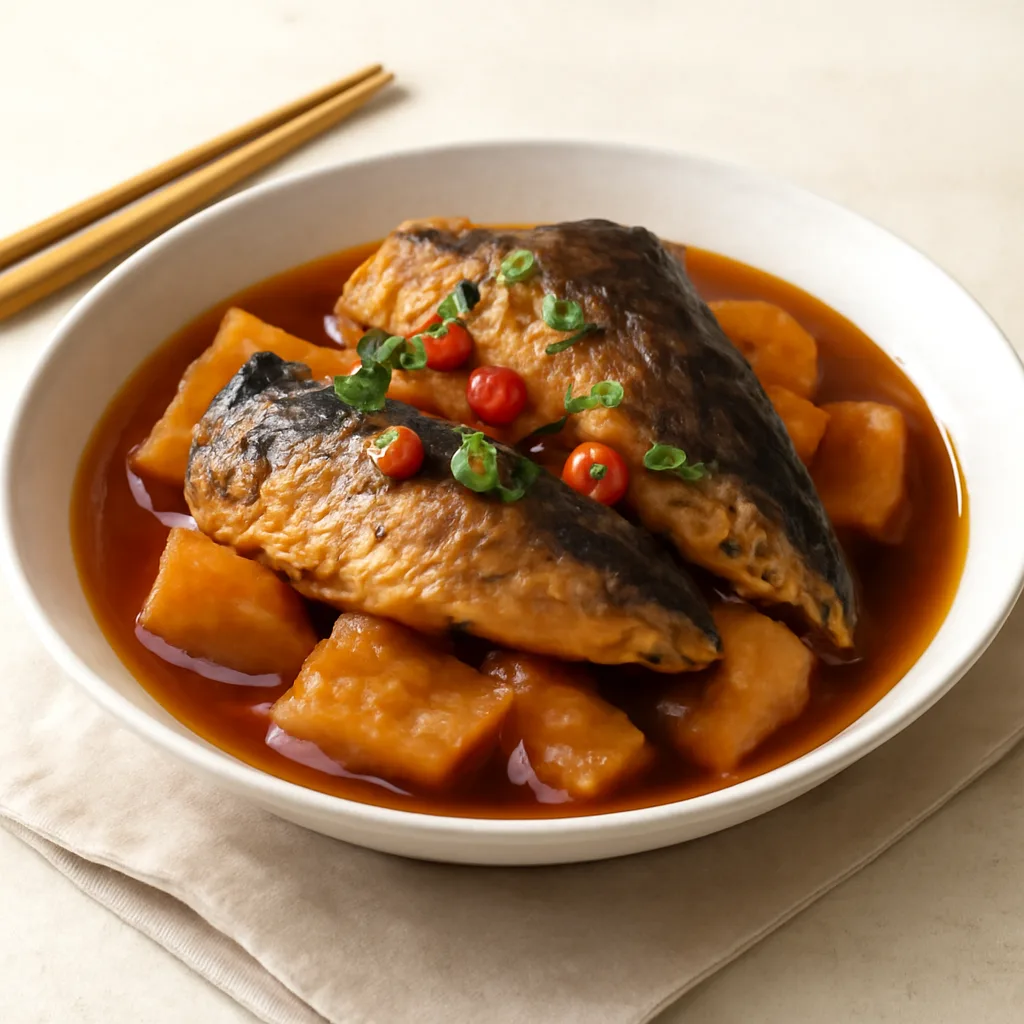
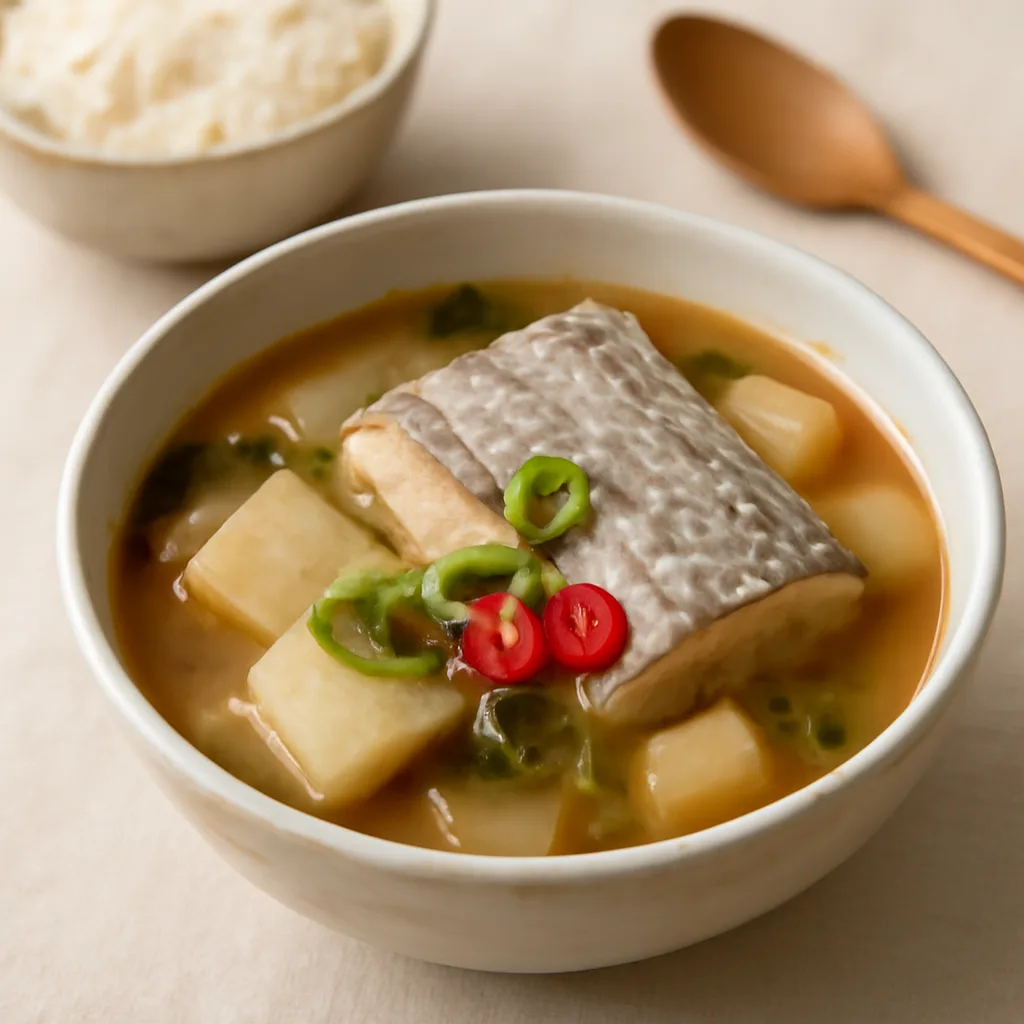
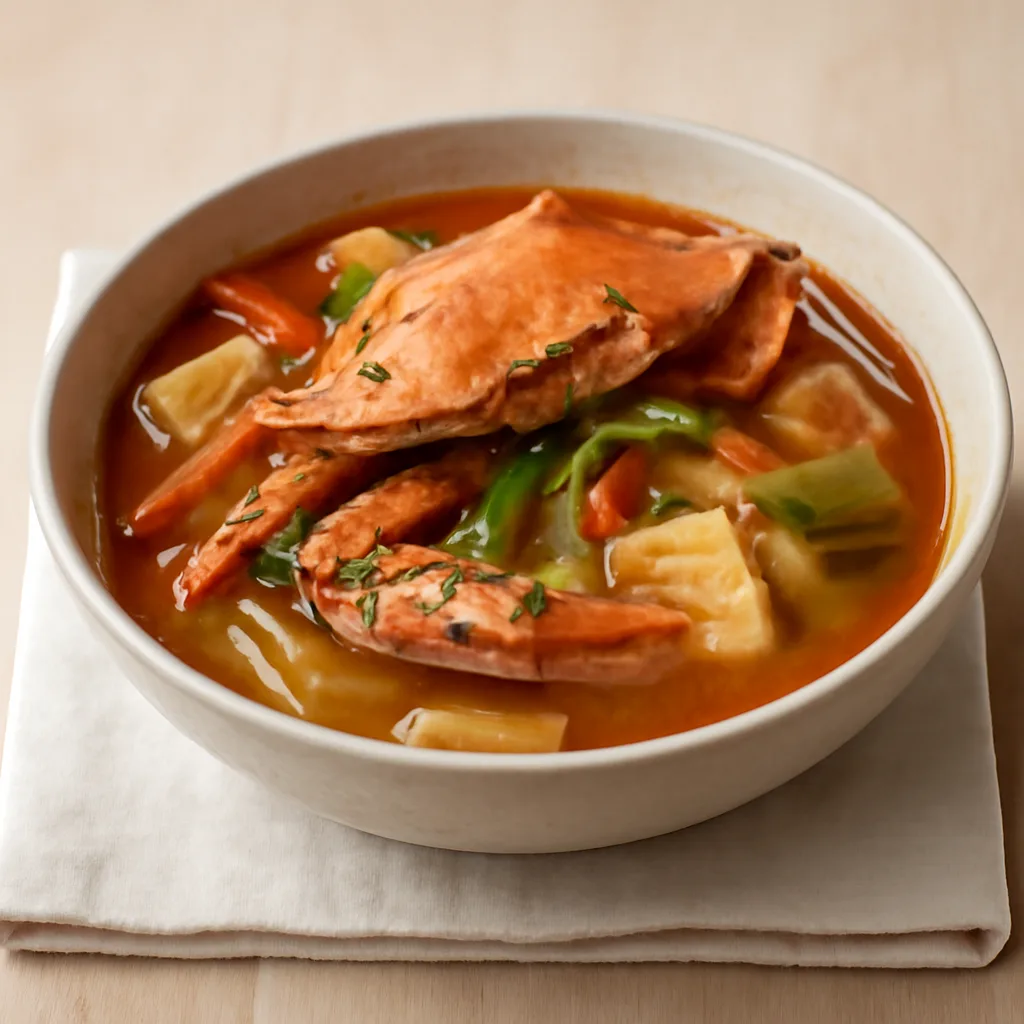
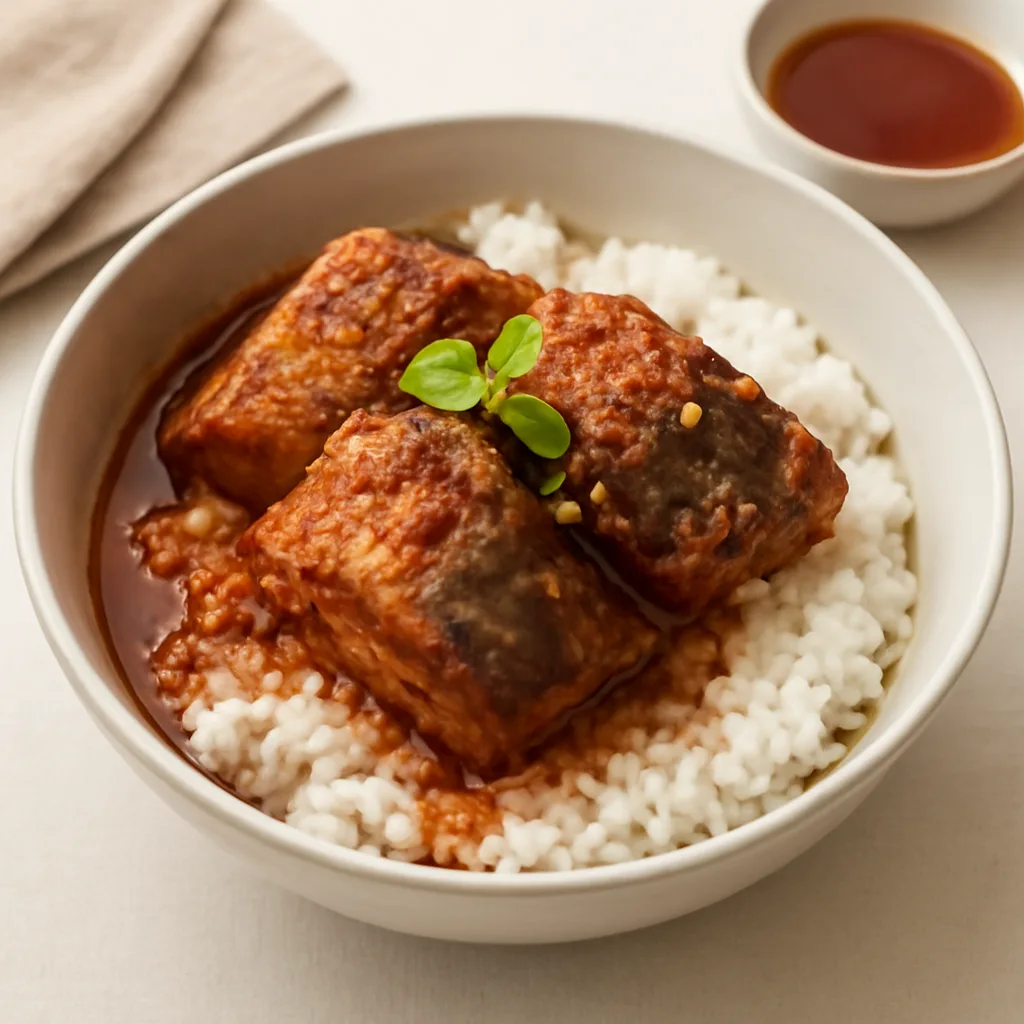
- For braising, slice thick and slowly cook with the seasoning; when the daikon becomes translucent and a fork can enter easily, it is cooked through, then coordinate with fish or meat doneness.
- Use in pickles or seasoned side dishes such as kkakdugi, segakji, or musengchae. If crunch is key, avoid over-pickling softens the daikon, aiming for a texture that remains firm after pickling.
- Sliced daikon adds a fresh texture to bibimbap, noodle toppings, or salads. In dishes with strong sauces, the moisture in the daikon can thin the sauce, so drain or lightly control its moisture after shredding.
Preparation tips
- Wash off soil and rind; thinly remove any tough or damaged parts. Since aroma and firm texture can stay near the skin, when using for broth not to trim too thickly.
- For broth, cut into similarly sized pieces for even cooking. If only some pieces become overly translucent and crumble, likely size difference; next time, standardize thickness.
- For raw salads or fresh cuts, lightly salt the sliced pieces or rinse in cold water to draw out excess moisture. If no moisture is removed, seasonings may loosen quickly, but very tightly squeezed will reduce crisp moisture and sweetness.
Cooking characteristics
- Daikon is firm at the start of heating, but as it cooks, the edges become translucent and soft. If the center remains opaque and firm when added to broth, continue cooking; if it crumbles too easily, reduce heat or delay adding.
- During simmering, daikon releases moisture and a mild sweetness, so do not over-salt the broth from the start for easier adjustment. Especially when braising with soy sauce or fish sauce, taste after doneness and adjust to avoid excessive saltiness.
- Frying briefly in oil before simmering can add an oily aroma and a deeper broth; for a clear, light broth, skip the frying and simmer directly in water or stock.
- If boiled on high heat for too long, daikon can overcook quickly and its edges may crumble, making the broth cloudy. For braising where shape matters, reduce to a medium-low heat after it starts to boil and cook slowly.
Good combinations
- Pair with umami-rich ingredients like beef, anchovy, or kelp to naturally blend the sweetness of the daikon into the broth. In fish braises, laying daikon on the bottom helps absorb flavors from the seasoning and fish.
- Strong seasonings like chili pepper, garlic, ginger, and salted shrimp pair with daikon’s moisture to create bold flavors in kimchi or radish salads; too much ginger or garlic may mask the fresh daikon.
- Vinegar or citrus acidity enhances the crispness of shredded daikon. With sour seasonings, first check the intrinsic sweetness of the daikon rather than over-sugaring with fruit juices to maintain balance.
Points to consider when substituting
- To substitute daikon’s soft sweetness and moisture in broths or braises, you can use kohlrabi, turnip, or sturdy cabbage stalks as appropriate. Note these have different aroma, sweetness, and cooking rates, so the texture and broth flavor may not be identical.
- For raw, crisp, and sharp-tasted dishes like musengchae, kolrabi or turnip are relatively close alternatives, but the unique clear moisture of daikon may be reduced. If the substitute is firmer or more aromatic, adjust seasonings gradually while tasting.
- For dishes where the daikon’s ability to soak up seasoning and cook to a soft texture is important, such as fish braises, potatoes can be used. However, potatoes become fluffier and can thicken the broth, so they are less suitable for clear seasonings and the transparent texture of the daikon.
Ingredients commonly used together in actual dishes
Aggregated based on the co-occurrence count of representative ingredients in public dishes registered in CookPagoda.
Dishes that use this ingredient
Shows dishes where this ingredient is a representative ingredient, sorted by view count.