Ingredient Encyclopedia
Check the characteristics of the ingredients and how to use them in cooking.
Beef
5
5
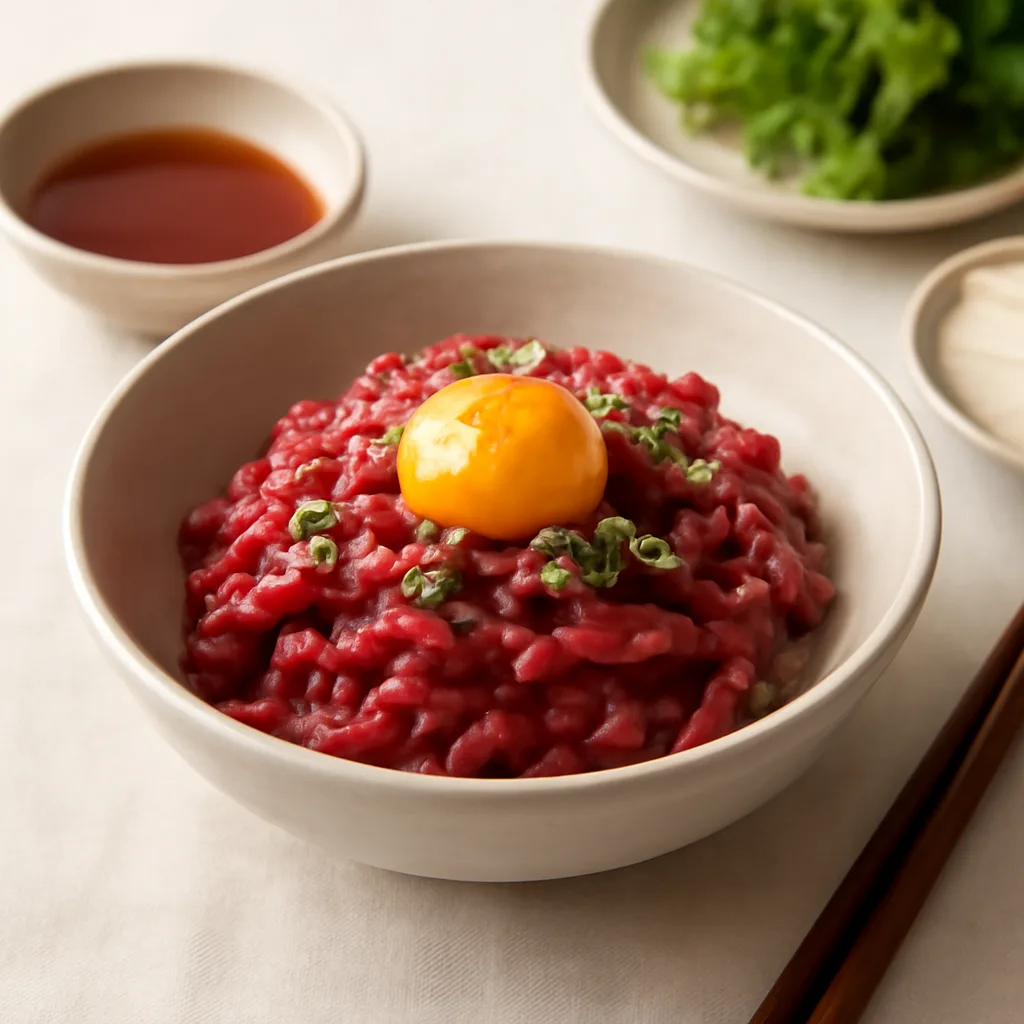
Beef is a ingredient whose suitable cooking methods vary greatly depending on the cut, fat content, and grain direction. Areas with evenly distributed fat and marbling become flavorful even when cooked briefly by grilling or stir-frying, while cuts with more connective tissue become tender when cooked longer with added moisture. Even for the same beef, choosing the cut for its purpose can make a bigger difference than balancing the seasoning. Thinly sliced beef is good for bulgogi, jeongol, and stir-fries, while minced beef provides a savory base for meatballs, patties, and sauces. Large chunks should brown the outside first to build flavor, then cook to the desired doneness, or in broth dishes cook slowly over gentle heat. If surface moisture is high, the pan may not be properly preheated or too much meat may be added at once, so it is better to cook in batches. Checking the grain before and after cooking is useful. For tougher chew, slice thinly across the grain after cooking. Conversely, for steaks or roasts where juiciness is important, cutting too thin or turning too often can reduce surface browning.
Taste and Texture
Beef has a hearty, rich aroma, and the more fat a cut has, the more nutty flavor and moist mouthfeel it gains. Lean cuts are relatively mild in flavor and have a clear grain, making them good at absorbing seasonings, sauces, and soups. Shortly cooked beef is springy and juicy, but overcooking makes it shrink, become firm, and dry. In contrast, cuts with a lot of tendons and connective tissue may be tough at first, but slow, moist cooking can deepen the broth and create a tender grain.
Main uses
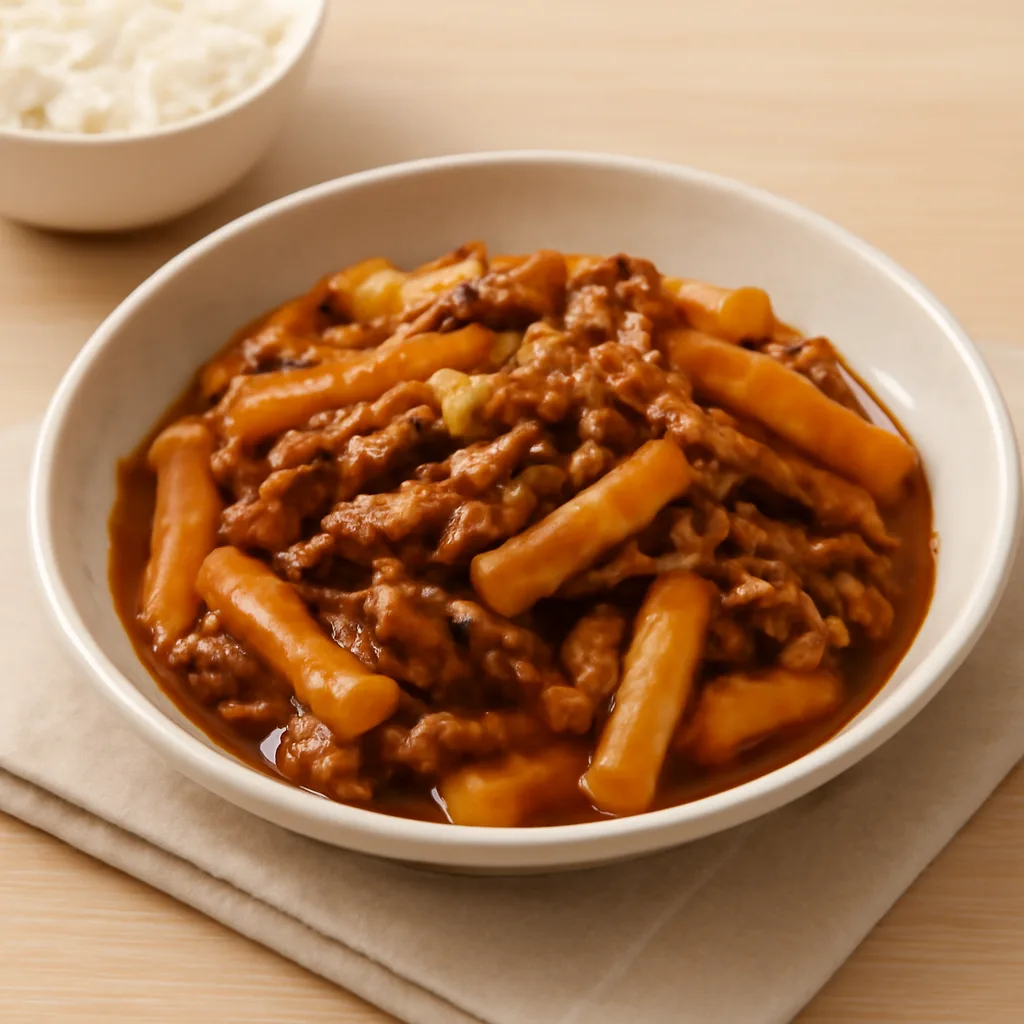
- Thinly sliced beef is good for soy sauce, garlic, and sesame oil-based bulgogi or vegetable stir-fries. Marinated beef should be cooked quickly in multiple batches rather than long, on high heat, to minimize moisture loss.
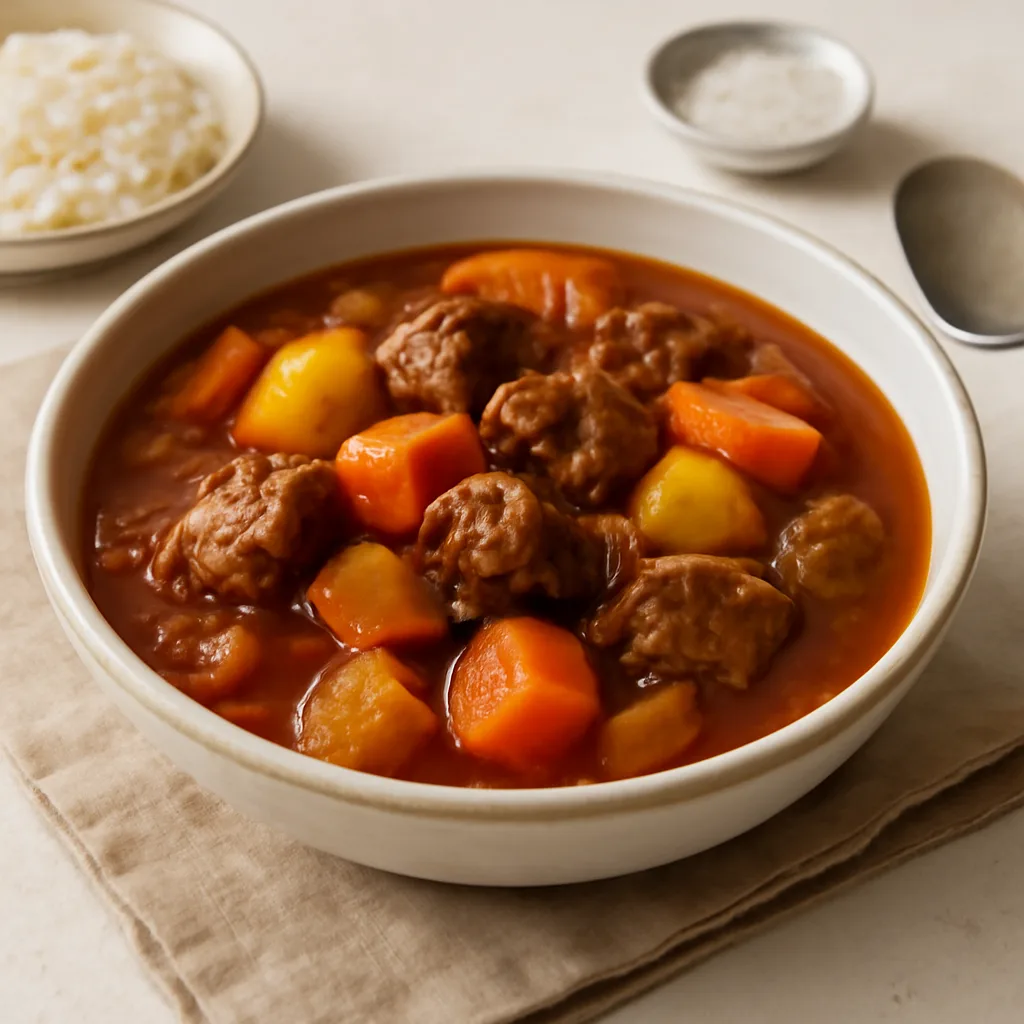
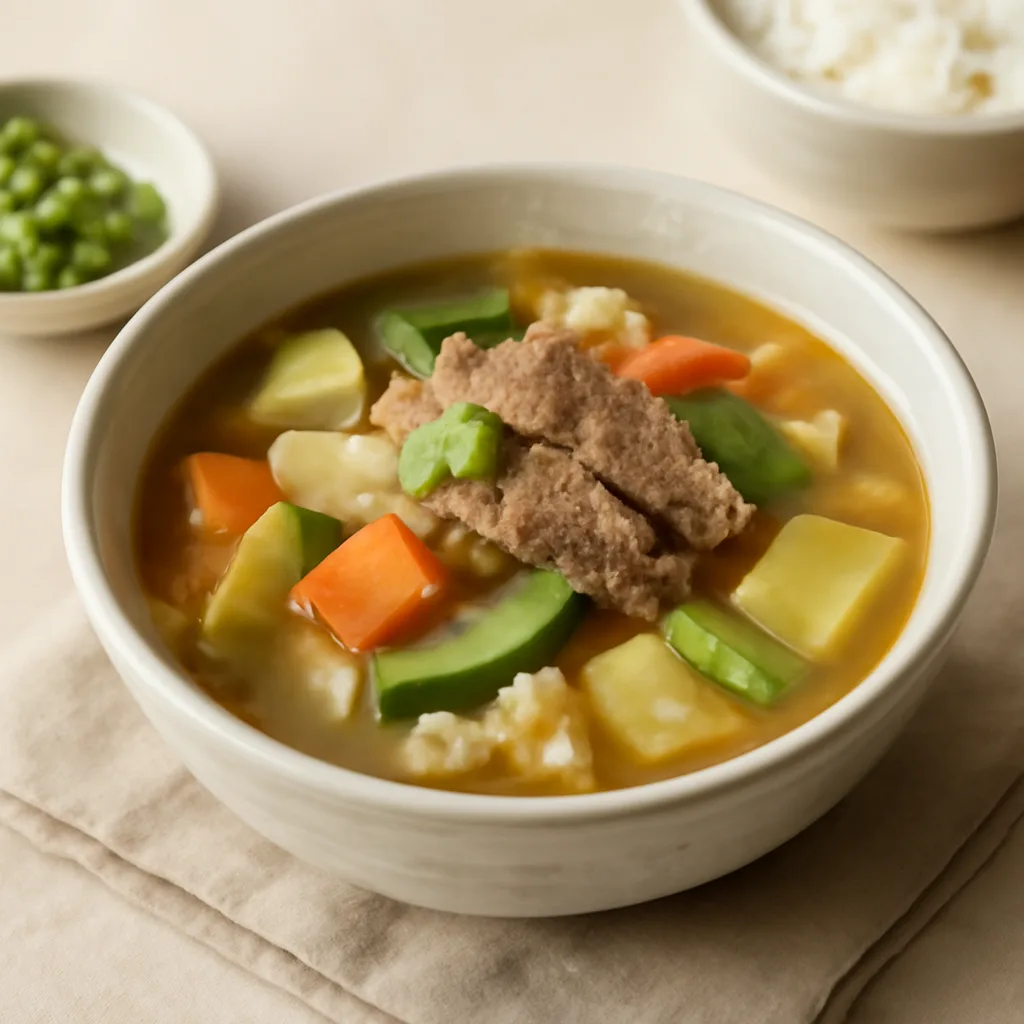
- For soups or stews, use beef with some grain to add depth to the broth; after cooking through, slice thinly or shred to use as ingredients. If the broth looks cloudy or oily, skim the surface oil, and simmer gently rather than boiling vigorously from the start.
- Minced beef is suitable for fillings like meatballs, dumplings, curry, and meat sauce. When stir-frying, if large pieces remain, break them up with a spatula to increase surface area, but over-mincing can reduce texture.
- Roast beef is best with simple seasonings like salt and pepper to highlight the meat flavor, or pair with wraps and grilled vegetables. For thick cuts, searing only the outside first and then lowering the heat to finish is advantageous.
Preparation tips
- Before cooking, gently blot excessive surface moisture with paper towels. If the surface is dry, it browns more easily in the pan, but thin cuts or marinated meat can release moisture again if left too long, so trim just before cooking.
- For broths or long braises, cut into larger chunks so they don’t fall apart during long cooking. Conversely, for stir-fry, slicing across the grain in thin slices helps reduce toughness in a short cooking time.
- If the marinade contains a lot of sugar or fruit components, the surface may darken quickly. If color darkens too fast, reduce heat slightly or add the marinated meat in batches so the outside doesn’t burn before the inside is cooked.
- Large, refrigerated cuts can go directly onto a pan before cooking, but very thick pieces may have a large temperature difference between outside and inside if too cold. In this case, sear the outside first and then regulate with medium-low heat rather than pushing with high heat for a long time.
Cooking characteristics
- Beef browns and develops flavor when the surface contact temperature is sufficiently high. If the pan is not hot enough or the meat is crowded, moisture accumulates and the dish may look boiled rather than stir-fried, so preheat the pan and cook in batches.
- Lean meat tends to become tougher the longer it is heated. If the desired color appears but it starts to toughen, remove from heat for a moment rather than cooking further.
- Cuts with a lot of connective tissue may not soften during short cooks. For braises or soups, keep the broth at a gentle simmer, and check tenderness by pressing with a fork and adjust time accordingly.
- Fat melts during cooking, adding flavor and gloss, but too heavy a sauce or stir-fry can feel greasy. In such cases, skim some fat or use ingredients that are light and moist, like potatoes, mushrooms, or leafy greens.
Good combinations
- Garlic, scallions, onions, and pepper pair well with the beef’s strong aroma, and salty seasonings like soy sauce or doenjang deepen flavor for stir-fries and soups.
- Ingredients like radish, napa cabbage, mushrooms, and potatoes naturally complement beef broth or braises. However, adding too many watery vegetables early in a stir-fry can drop the pan temperature, so cook the meat first, then add vegetables.
- Sesame oil and sesame seeds add nuttiness to bulgogi or side dishes, but for fatty roast cuts you may not need much added.
- The acidity from kimchi, pickled vegetables, or a touch of vinegar can help balance the richness of fatty cuts.
Points to consider when substituting
- Substitutions should match the cooking goal. Thin beef for stir-fries can be replaced with pork or chicken, but fat, cooking speed, and seasoning concentration will differ, making the same result unlikely.
- To replace the beef’s rich flavor in broths or long braises, pork or chicken alone may alter the depth; use mushroom, miso, or soy sauce to supplement umami, keeping in mind the broth’s character will change.
- Ground beef can be replaced with ground pork, chicken, turkey, or chopped mushrooms. Low-fat substitutes may yield crumbly meatballs or patties, so adjust moisture with onions, tofu, or breadcrumbs according to the recipe.
- For dishes centered on the beef’s own aroma and bite, switching to other meats will markedly change the cooking time and final flavor. In this case, it is more practical to shift toward a cooking style suited to the new ingredient.
Ingredients commonly used together in actual dishes
Aggregated based on the co-occurrence count of representative ingredients in public dishes registered in CookPagoda.
Dishes that use this ingredient
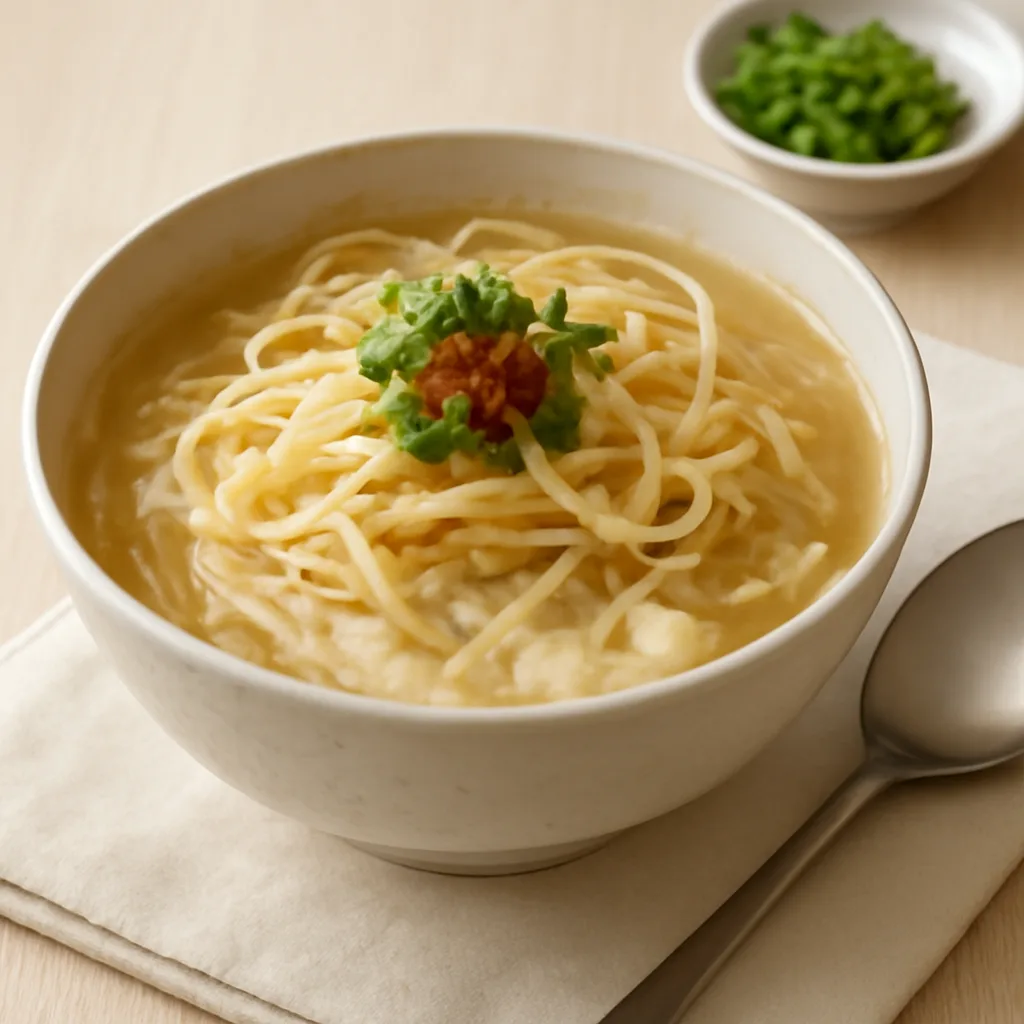
Shows dishes where this ingredient is a representative ingredient, sorted by view count.