Ingredient Encyclopedia
Check the characteristics of the ingredients and how to use them in cooking.
Tteok
2
2
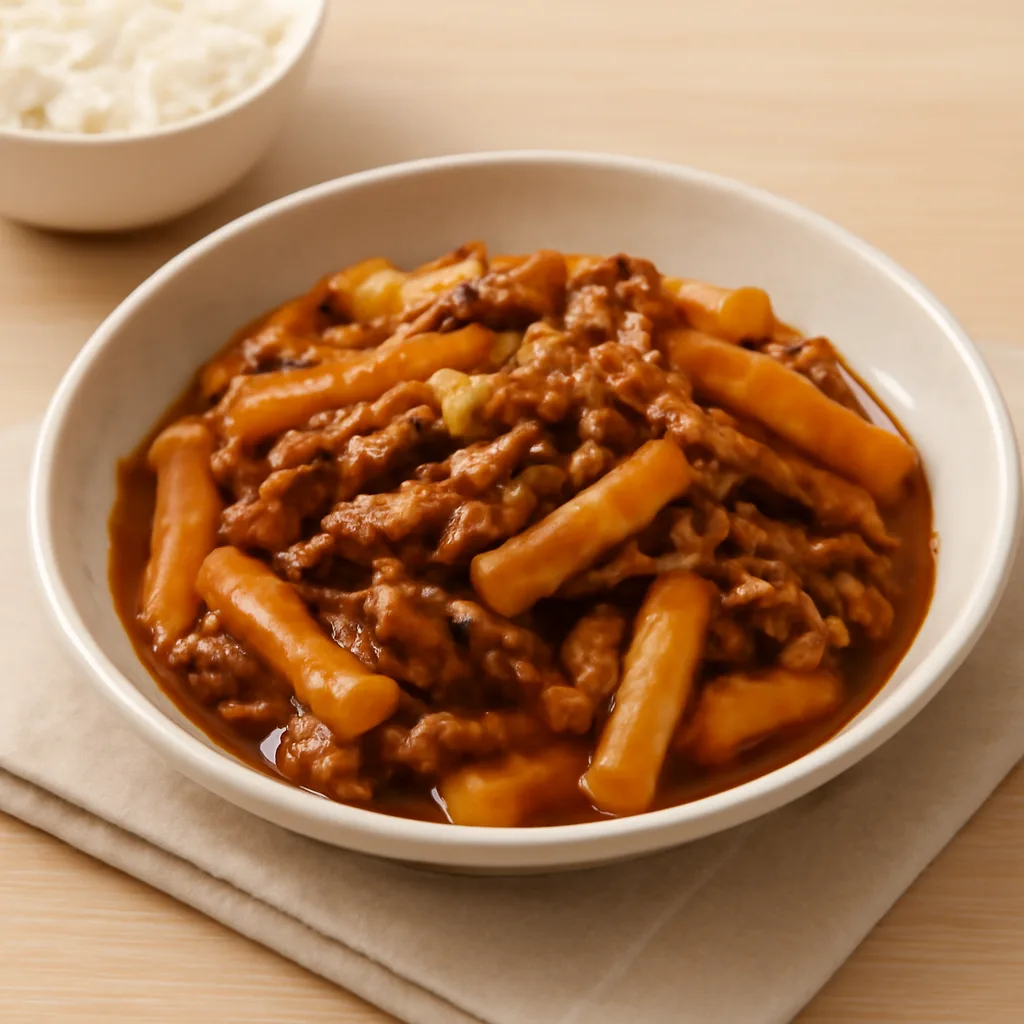
Rice cake is a food made by kneading or steaming grain flours such as rice or glutinous rice; depending on the type, it can be a hearty staple or added to soups, stir-fries, or desserts. For cooking, there are common forms like long tteokguk tteok, thin sliced tteokguk-tteok, and bite-sized tteok. Even with the same tteok, whether it is made from rice flour or glutinous rice flour and its moisture state can greatly affect the cooking result. Neutral-tavored tteok acts as a base that absorbs the flavors of sauces and broths, and it pairs well with rich sauces like gochujang-based tteokbokki. On the other hand, tteok with sweetness or fillings can muddle flavors in savory dishes, so it’s best to check the package label and flavor first. Tteok tends to harden when cold or firm; if given enough moisture and heat, it becomes soft again. However, overboiling or continuous stirring over high heat can loosen the outside and cause sticking, so once the desired chewiness is reached, finish cooking in a shorter time.
Taste and Texture
Basic rice tteok has a soft grain aroma and a mild taste, allowing the flavors of seasoned sauces to come through clearly. Higher glutinous rice content yields a chewier, more elastic bite, while millet rice tteok is relatively firm and cleanly separated when bitten. When warmed, tteok is soft and chewy, but if heated without sufficient moisture, the center may become hard and the surface feel soft and slack. In broth it softens but retains elasticity, and when grilled or stir-fried in a pan it develops a slightly roasted aroma on the surface and a chewy crust.
Main uses
- Cut cylindrical or garaetteok into pieces for tteokbokki with gochujang sauce, soy sauce sauce, or creamy sauces, and check that the tteok is soft before the sauce reduces too much; if still firm, add a little water or broth to continue cooking.
- For tteokguk and mandukguk, thinly sliced tteok goes in and cooks briefly from the heat of the broth; when the tteok floats and the edges soften, it is generally ready to eat, so avoid boiling too long or the broth becomes too thick.
- Heat a little oil in a pan and toast the tteok, then coat with soy sauce, honey, corn syrup, or spicy sauces to make a snack or accompaniment. When using sweet-tasting tteok, reduce the sugar or syrup in the seasoning to avoid overpowering flavor.
- Tteok can be added to dishes with sauce and broth such as bulgogi, dak galbi, or jeongol. However, since tteok absorbs seasoning and moisture, adding too much at the start can make meat or vegetables taste under-seasoned.
Preparation tips
- If refrigerated or frozen tteok stick together, soak briefly in cold or lukewarm water to separate surfaces, then separate one by one and pat dry before use.
- Firmly hardened tteok benefit from soaking before cooking to soften evenly to the center. Very soft fresh tteok should only be rinsed briefly to avoid softening too much.
- When adding to thick sauces like tteokbokki, the tteok can absorb sauce quickly and stick to the bottom; if the sauce thickens too much, add water or broth gradually and spread the bottom with a wide spatula to cook.
- When pan-frying, dry the surface of the tteok to reduce oil splatter and achieve a grilled color; if flipped too quickly over high heat, the outside may brown while the inside remains hard, so heat gently over medium-low and cook evenly.
Cooking characteristics
- As tteok heats, it absorbs moisture and the starch softens to become chewy. When the edges are soft and there is no hard core when pressing from the center in boiling broth, it is time to finish with the next ingredients.
- If left too long in broth or sauce, some starch from the tteok can dissolve and the liquid becomes hazy and thick. To keep a clear broth, add tteok near the end and simmer briefly.
- In stir-frying, drier tteok makes the surface contact with the pan easier to brown, but if too dry they can stick or crack. If the pan looks dry and the tteok becomes stiff, add a small amount of water and loosen with steam first, then stir-fry.
- Acidic ingredients or strong sauces do not instantly tenderize tteok; more important is sufficient moisture and heat. In dishes with a rich sauce, adjust the consistency with water or broth to avoid over-salting the tteok before it cooks.
Good combinations
- Strongly flavored sauces like gochujang, gochugaru, soy sauce, garlic, and sesame oil create the flavor center for neutral tteok. For spicy sauces, pair with vegetables like cabbage, green onion, and onion to add moisture and sweetness and balance the flavors.
- Clear broths based on beef or anchovy pair well with thin tteok, and adding seaweed, egg, and scallion keeps the mild flavor. If the broth is already salty, the tteok will absorb some salt but the broth itself will not become watery, so it’s better to start with a lighter seasoning.
- For pan-grilled tteok, use savory combinations like soy sauce and sesame oil, or sweet combinations of honey, corn syrup, and nuts. If you use both directions strongly at once, the tteok’s mildness may be overwhelmed by the sauce, so choose one flavor axis.
Points to consider when substituting
- If rice tteok for tteokbokki is not available, you can cut garaetteok to similar lengths; for tteokguk-tteok, slice thinner and reduce cooking time. Adding thin tteok to the same cooking time can cause it to break apart, so add it toward the end when the sauce is almost finished.
- In dishes requiring chewy texture, udon noodles or potato tteok can be used as substitutes, but the absorption of seasoning and cooking speed differ, so results won’t be identical. Udon softens faster, and potato tteok can become starchier, so adjust sauce consistency and cooking time.
- In broth-based dishes, hand-cut noodles or kalguksu can be substitutes for a filling alternative, but they won’t replicate the tteok’s characteristic elasticity and mild chew; if maintaining the texture of clear tteokguk is essential, it’s better to change only the type of tteok rather than replacing other ingredients entirely.
- Sweet-tasting dessert tteok is often not a good substitute for ordinary cooking tteok; if tasting a piece reveals sweetness, use it as a separate snack dish instead.
Ingredients commonly used together in actual dishes
Aggregated based on the co-occurrence count of representative ingredients in public dishes registered in CookPagoda.
Dishes that use this ingredient
Shows dishes where this ingredient is a representative ingredient, sorted by view count.