Ingredient Encyclopedia
Check the characteristics of the ingredients and how to use them in cooking.
Cabbage
7
13
Cabbage is a vegetable that can be finely chopped or cut into larger pieces and used both raw and cooked. It has a mild sweetness and moisture, adding volume and texture to salads, stir-fries, soups, and pickles. Cooking method greatly changes its character. When heated briefly, it stays crisp; when cooked longer, it becomes soft and the sweetness stands out. Therefore, for a crisp stir-fry, quick high-heat cooking is suitable, while for stuffing or soups, longer cooking is better. If the outer leaves are wilted or damaged, remove them. Use the inner leaves that are firm and tightly packed to keep the shape relatively even when chopped. Large leaves are good for wraps or rolls, while thinly sliced leaves are great for salads and pancake batters.
Taste and Texture
Raw cabbage is mild with a faint grassy note, and as you chew, a gentle sweetness and crisp moisture come through. The thicker parts near the core are firmer and have a more pronounced texture than the leaf tips. When heated, the tissue softens and sweetness becomes more noticeable. However, boiling or frying for too long can make it mushy and the characteristic aroma stronger, so adjust the heating time to achieve the desired texture.
Main uses
- Thinly sliced cabbage is used in salads or as a side vegetable, and a tangy dressing accentuates its mild flavor.
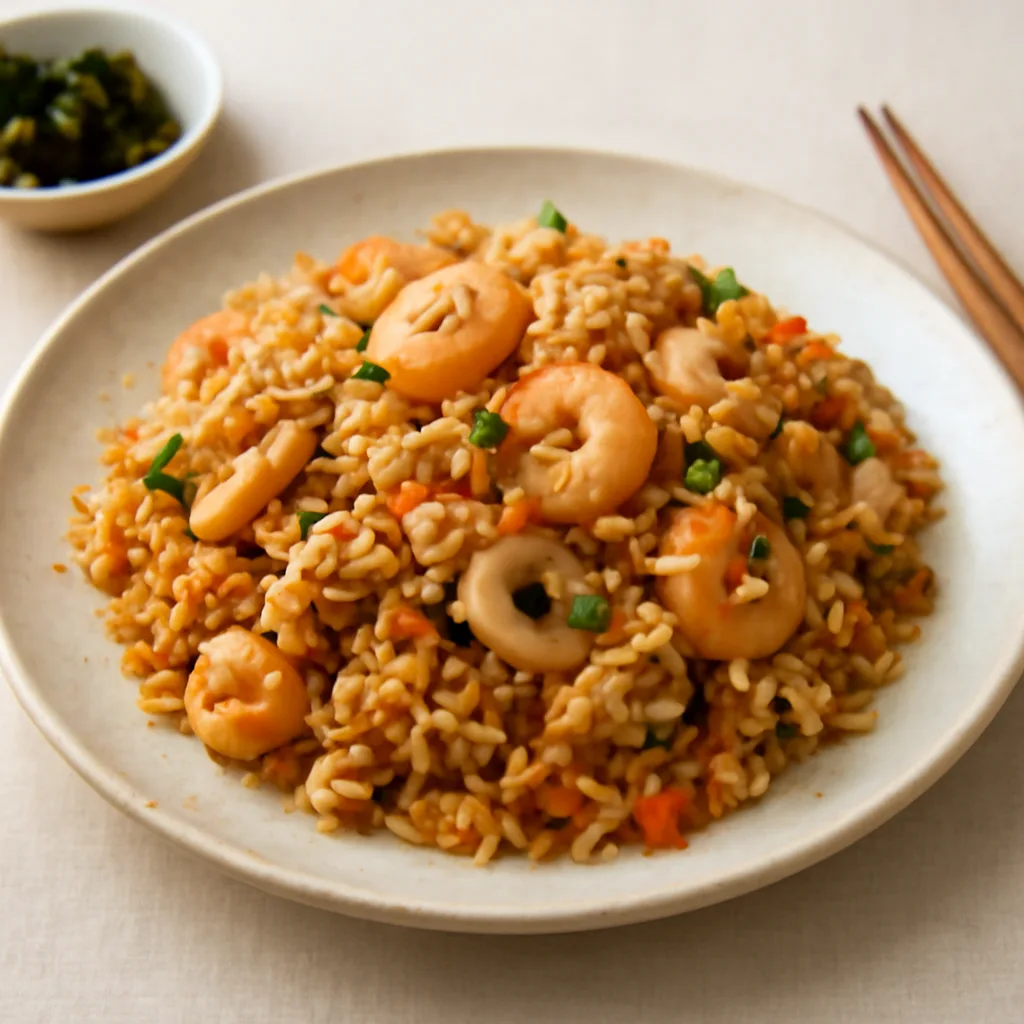
- Stir-fried rice, stir-fried noodles, and vegetable stir-fry use cabbage cut to a similar thickness. If cooked longer than other ingredients, it can release water and become soggy, so it's best to stir-fry quickly over high heat or add toward the end of cooking.
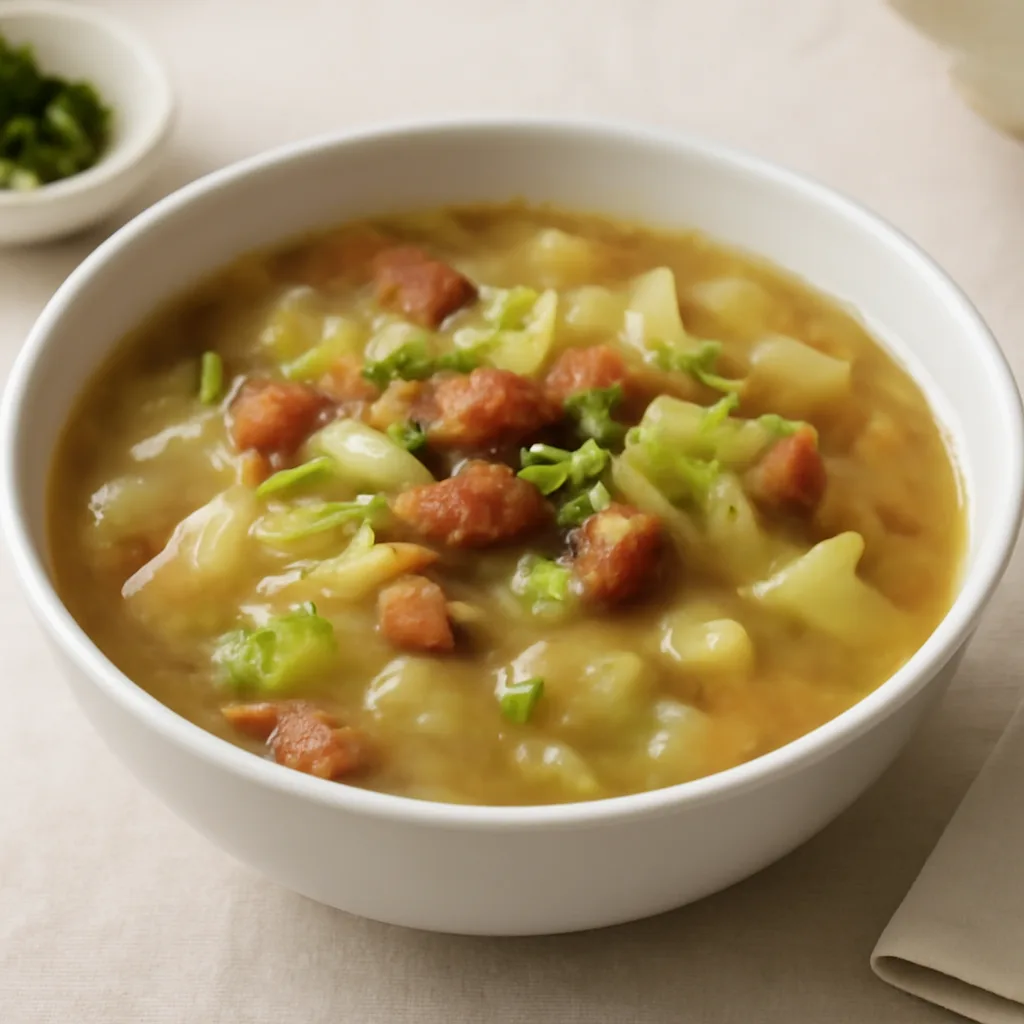
- In soups, stews, and hot pots, cut into larger pieces to contribute sweetness and a soft texture. If the broth will simmer for a long time, avoid overly thin slices so the shape remains.
- The broad-leafed part can be used to wrap minced meat, grains, or vegetables in rolls. Blanching the leaves lightly before use helps prevent tearing.
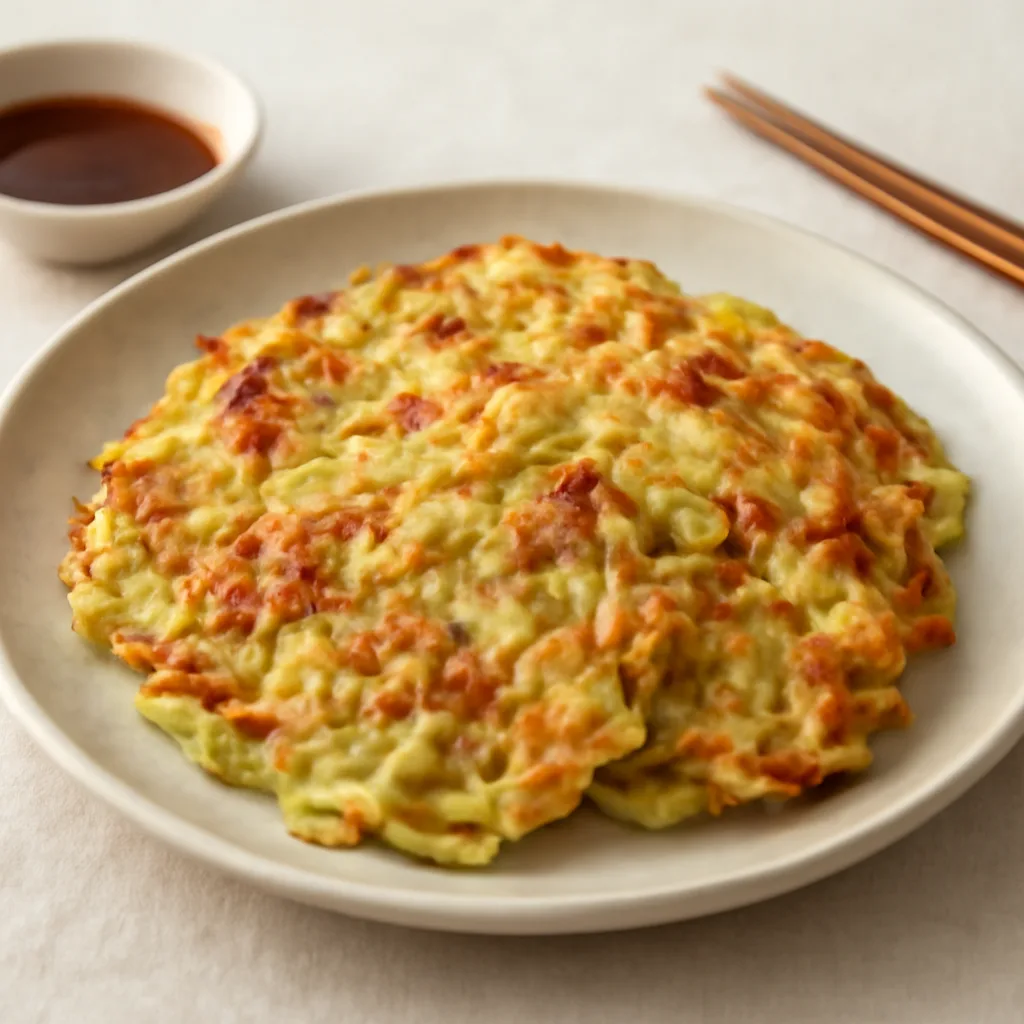
- Finely chopped cabbage can be mixed into pancake batters or meatballs to add moisture and a chewy bite. If the batter becomes too watery, adjust the amount of flour or binding ingredients based on the cabbage’s water released.
- preparationTips,??
Preparation tips
- Working from the base, cut in half or quarters and trim the tough core in a V shape to separate leaves more easily. If you slice the core with the leaves, it can leave hard chunks, so when eating raw, it’s better to finely slice or exclude the core.
- After slicing, rinse briefly under cold water and dry thoroughly. Excess surface moisture can steam when stir-frying and loosen the dressing flavor.
- If using raw for a crisp texture, avoid cutting too thickly; make the pieces evenly thin. For stir-fries or soups, slightly thicker cuts help maintain texture.
- When making rolls, blanch the leaves only until the edges become flexible rather than fully cooking, so they don’t tear when rolled.
Cooking characteristics
- Stir-frying over high heat can create a light brown edge and enhance sweetness and nutty aroma. If the pan is too small or crowded, steam will cause water to release instead of browning, so cook in batches or use a wide pan.
- Salt draws moisture from the cabbage. If crispness is the aim, add salt later or adjust seasoning after most of the moisture is released. For pickling or de-watering, sprinkle salt first and then squeeze out the released liquid.
- Boiling or steaming softens leaves and makes them easier to wrap or mash. However, overcooking intensifies aroma and breaks down the shape, so add to the broth toward the end if you want texture from the solid pieces.
- Acidic ingredients brighten the flavor, but adding too much vinegar early can dull the savory note of a stir-fry. In stir-fries, it's best to add acidity just before turning off the heat or at the finish.
Good combinations
- Pair with aromatic vegetables like garlic, scallions, and onions during stir-frying to add depth to cabbage’s mildness.
- Greasy ingredients such as pork or minced meat pair well with cabbage’s moisture. If there are many fatty ingredients, add a tangy element like vinegar, lemon juice, or mustard to cut the heaviness.
- Savory seasonings like soy sauce, miso, or gochujang complement the sweetness of cooked cabbage, while mayo or yogurt-based sauces suit raw cabbage’s crispness.
- Mixing with raw-friendly ingredients like apples, carrots, or cucumbers adds texture contrast. Cucumber’s moisture can loosen a dressing if not dried first.
Points to consider when substituting
- If crisp texture is key in raw dishes or salads, you can substitute with red cabbage, sturdy inner leaves of cabbage, or romaine. Red cabbage offers more color and aroma, which may not suit milder dishes.
- In stir-fries or soups, cabbage is the most accessible substitute, but its leaves soften faster and release more moisture. Add them slightly later or cut larger to preserve texture.
- Radishes、ne? leaf thing—wait. The original: "말이 요리에는 큰 배추잎이나 근대 잎을 사용할 수 있습니다." translates to: For rolls, large cabbage leaves or chard leaves can be used. So: Substitute with large cabbage leaves or beet greens? Actually
- 근대
- chard
- leafy greens.
- broccoli?
- ,
Ingredients commonly used together in actual dishes
Aggregated based on the co-occurrence count of representative ingredients in public dishes registered in CookPagoda.
Dishes that use this ingredient
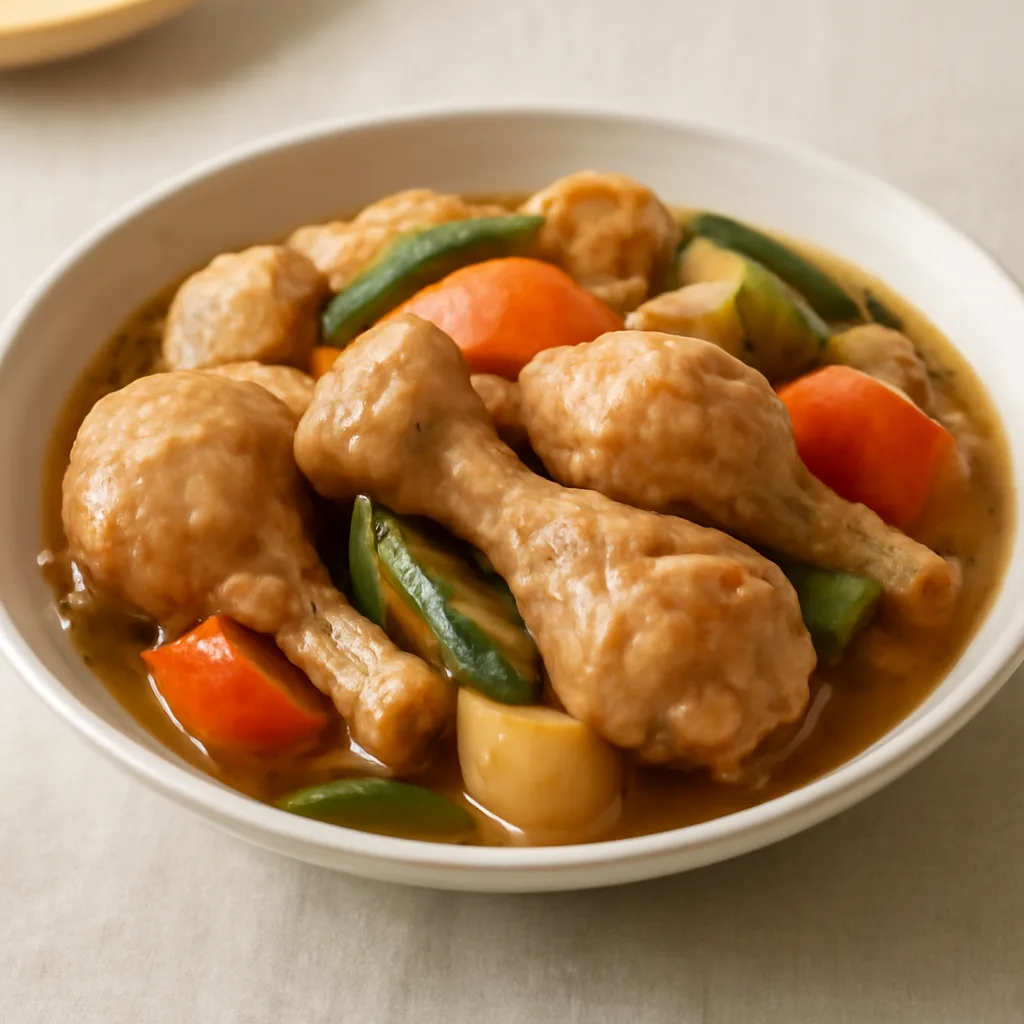
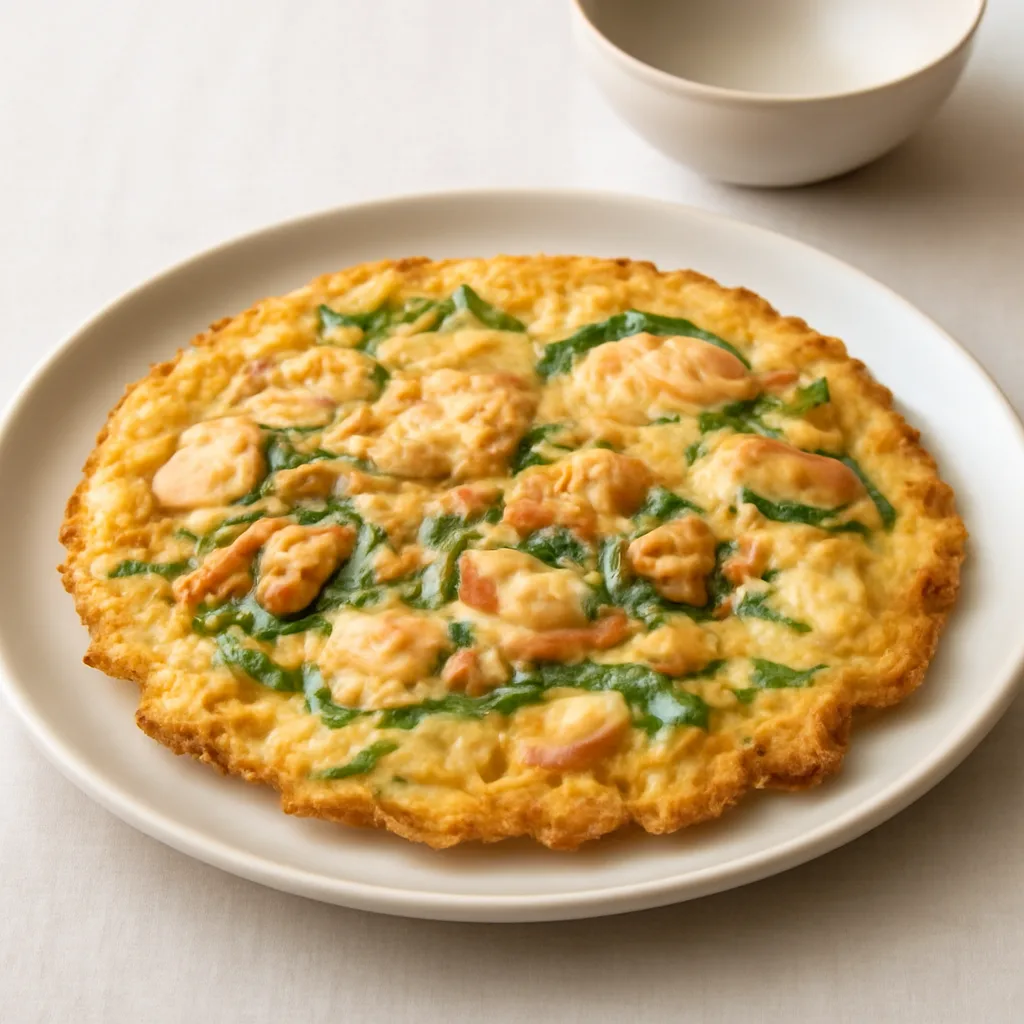
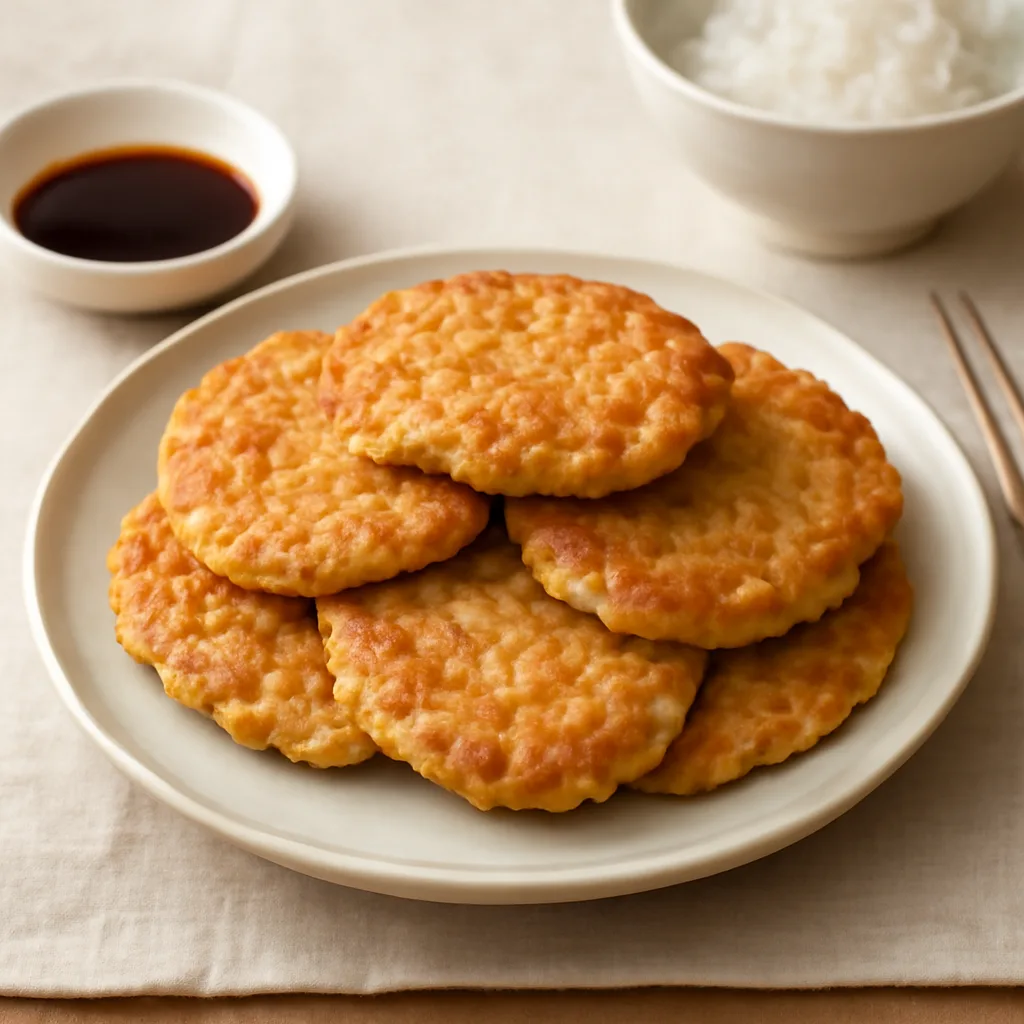
Shows dishes where this ingredient is a representative ingredient, sorted by view count.