View recipes
Check the reference data for the selected food.
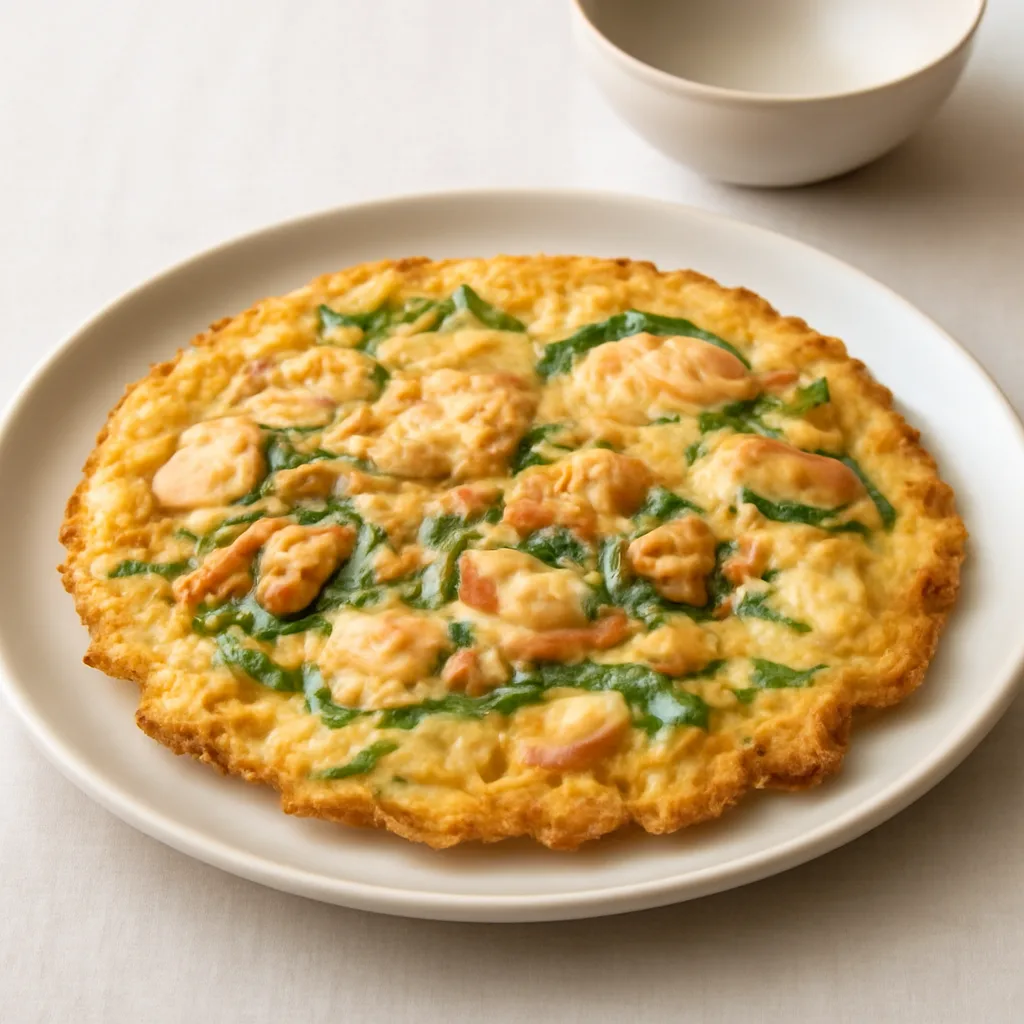
Seafood Egg Jeon
Seafood egg jeon is a tasty snack with a crispy exterior and soft interior. It is rich in seafood flavor while reducing any fishy taste, making it enjoyable for anyone.
Main Ingredients
Related Themes
10
View0
Like1
AI recommendations0
CreatedAbout this recipe
Seafood pancake is made by cooking frozen seafood, cabbage, eggs, and scallions in one pan, enjoying a crisp outer layer and a moist interior. It’s great for using up frozen ingredients; the umami from seafood combined with the subtle sweetness of cabbage and the aroma of scallions pairs well with alcohol and makes a good snack. What determines the final result is the moisture of the ingredients. If water from frozen seafood remains in the batter or egg wash, the pancake will steam and break easily. So it’s best to thaw and thoroughly drain the moisture. Cooking time is about 20 minutes, but the speed may vary depending on the pancake thickness and pan heat. It can be made in one frying pan, but the difficulty lies in flipping. If pan-fried too thick, the center will cook late; if stirred too often, the surface won’t become crispy. It’s stable to flip once when the edges are firm and the bottom is golden.
Taste and Texture
A well-fried seafood pancake develops a savory, crisp edge, while the interior combines the softness of eggs with chewy seafood and a slight crunch of cabbage. Scallions add fragrance as they cook, making the seafood flavor more pronounced. If the seafood is very watery or the heat is low, the texture tends to be moist and tender rather than crispy. Conversely, cooking on high heat for too long can toughen the eggs and firm up the seafood, so it’s important to set the edge and cook through to the inside on medium heat.
Key to making it delicious
- Thaw frozen seafood, drain through a sieve, and press with paper towels. If water pools in the pan, the oil temperature drops and the surface won’t harden into crisp; it will stay moist.
- Cabbage should be cut into thin, bite-sized pieces; if cut too thick or long, the egg won’t hold the ingredients together well. If the pancake falls apart due to excess cabbage, add a bit more egg to bind the ingredients.
- Pre-heat the pan and oil over medium heat before adding the ingredients. When you see a gentle sizzle at the edges, that is a good sign; if there is no sound, the pancake oil may be absorbing too much.
- Don’t spread the pancake too thick. If it’s thick, the bottom may burn before the center cooks. If a large pancake is too daunting, divide it into smaller pieces to flip more easily.
- Do not touch or move the pancake while the first side is still setting; wait until the edge color deepens and its shape holds when slightly lifted with a spatula. At this point the eggs have not yet firmed, so flipping may cause seafood and vegetables to scatter.
Common mistakes
- If you put thawed seafood directly in and excess moisture collects in the pan, the pancake surface won’t crisp and will cook pale. Instead, pat dry the remaining moisture and, if needed, divide the ingredients to reduce moisture in the pan.
- If you add the egg wash before the pan is hot enough, the bottom may stick or soak up too much oil. Check that a small drop of egg wash sizzles briefly before starting.
- If you keep the heat too high from the start, the edges may darken while the seafood and eggs in the center remain undercooked. After the bottom browns, lower to medium heat and, if needed, cover briefly to cook the center without losing crispness.
- Flipping with too much pushing or stirring can create gaps in the egg before it firms, causing pieces to break off. Once the edges set, flip in one smooth motion with a wide spatula; for a large pancake, consider using a plate to flip.
Application Ideas
- If you replace or add chopped chives or onions, you can shift the aroma and sweetness, but be mindful that watery vegetables can make the pancake soggy, so adjust the amount.
- If you want a spicy note, add a small amount of finely chopped chili. If you want to keep the seafood and scallions’ aromas gentle or you’re sensitive to spice, omit it.
- To emphasize crispiness, spread the pancake thin and wide as long as the ingredients bind well with the eggs. This improves the edges but reduces interior moistness compared with thicker pancakes.
- Depending on the frozen seafood mix, cutting larger pieces like squid or shrimp into small pieces helps even cooking and yields less bumpy surface when flipping.
Pairing ideas
- Let the pancake cool slightly right after removal from the pan and slice to keep the surface heat from making the pieces fall apart.
- Pair with a simple dipping sauce of soy sauce and a dash of vinegar for a refreshing balance to the seafood and egg richness.
- When serving as an appetizer, make multiple small pancakes rather than one large piece to maximize crispiness and ease sharing.
- Leftover cabbage or scallions can be served on the side, but avoid placing watery sides on top of the pancake as it will soften the crisp surface.