Theme guide
Check the selection criteria and cooking ideas for foods that match this theme.
The purpose of an anju (paired snack) is to accompany drinking by considering flavor concentration, temperature, texture, and eating pace. While salty or nutty flavors, spicy sauces, and warm broths that support the impression of alcohol are common, there is no single formula. The range spans from light dried snacks to dishes that also serve as a meal, such as stir-fries and hot pots, depending on the situation. A good choice depends as much on the type of alcohol as on the length and size of the gathering and the level of hunger. For short conversations, convenient options that are easy to pick up by hand and taste doesn't change much when cooled are convenient, and for gatherings that will continue late, warm dishes with added vegetables or protein help keep a balance. If overly spicy or salty foods are placed consecutively, appetite can fatigue easily, so mix in milder accompaniments to broaden choices.
Well-suited for these people
- For gatherings where many people share one plate, dishes that are easy to portion or cut, such as grilled dishes, stir-fries, or jeon, fit well.
- For a simple, one-to-two drinks occasion, opt for dried snacks or simple salads that require short cooking times and little washing up.
- If the meal should feel like a full meal, it’s better to choose one hearty menu that includes a soup or carbohydrate accompaniment rather than laying out many snacks.
- If someone does not like spicy flavors, pair strong-seasoned snacks with milder options such as tofu, eggs, and vegetables instead of only strong-seasoned items.
Food Selection Guide
- If a dish is likely to sit on the table for a long time, mix in grilled, simmered, or seasoned raw dishes that stay tasty when cooled rather than choosing only crispy fried items. If moisture buildup is expected, portion fried items into smaller servings.
- When pairing with cold drinks, cold or light snacks can work, but adding one more warm dish such as a grilled or soup-based item can broaden options. Conversely, on hot days or at a light gathering, one hot hotpot may feel burdensome, so prioritize small-plate items.
- If the taste emphasizes spiciness or aroma more than the alcohol flavor, the level of seasoning may be strong. In this case, add mild soy sauce or salt-seasoned dishes or fresh vegetables to alternate eating.
- Check that not all dishes rely on one single ingredient among seafood, meat, or vegetables. If guests’ preferences or allergies are uncertain, it’s safer to prepare at least two different snacks with different ingredients.
Frequently paired ingredients
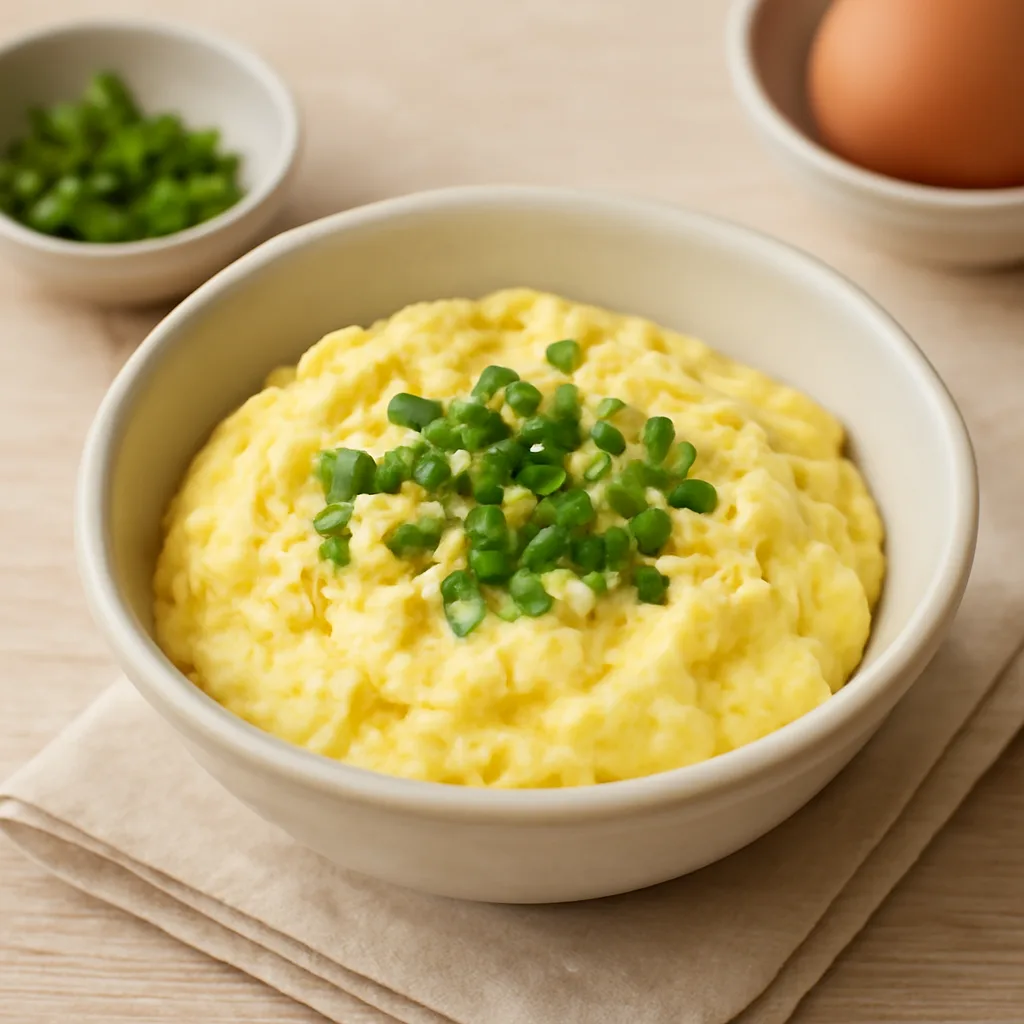
- Ingredients that provide a savory flavor like tofu, eggs, cheese, or nuts pair well with simple sides or soft snacks.
- Pork, chicken, beef, fish cake, or seafood can be the main ingredients for stir-fry, grill, or soup, but preparing too much of a single ingredient can widen differences in preference.
- Aromatic vegetables like garlic, green onion, chili, and onion add depth. If the aroma becomes too strong, it can mask other flavors of the alcohol and food, so use some of it cooked to bring out sweetness rather than mostly raw.
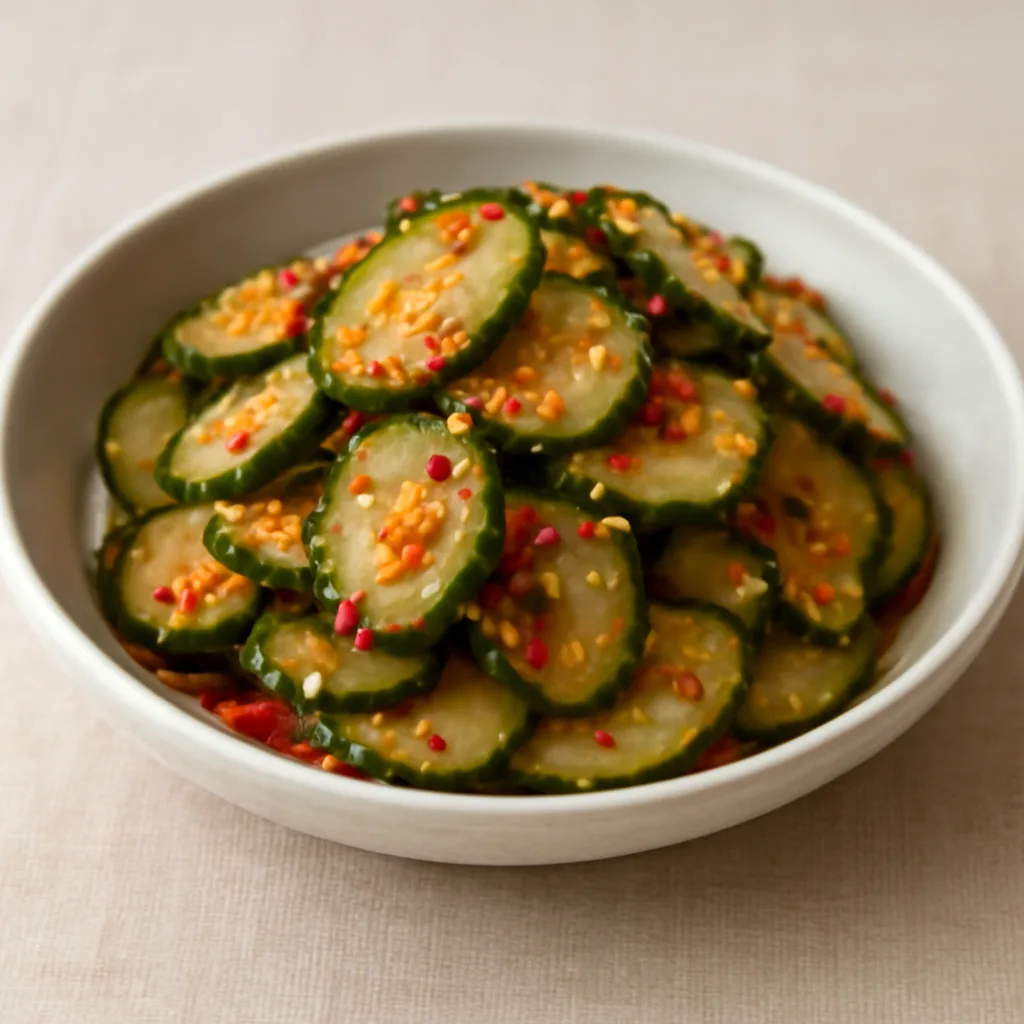
- Fresh vegetables like cucumber, cabbage, perilla leaves, and tomato can help clean the palate amid salty or oily snacks.
Compatible cooking methods
- High-heat stir-frying quickly coats meat or seafood with seasoning and serves fast. If ingredients are crowded and water releases too much, it may turn into a simmered dish, so divide portions or pat ingredients dry first.
- Pan-searing and oven-baking are relatively hands-off and easy to share. If the interior is undercooked, lower the heat or thin the ingredients.
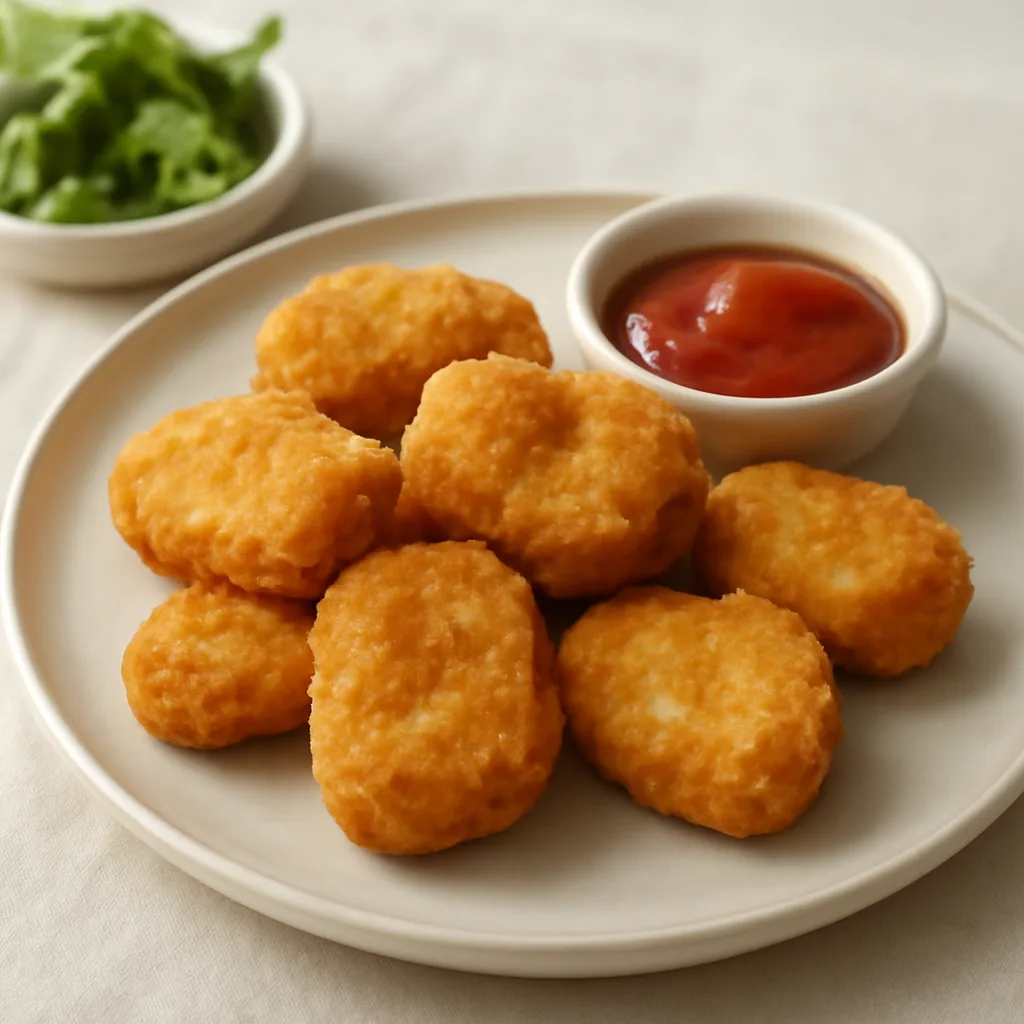
- Tempura, fried pancakes, and fritters have a crunchy texture but their texture can change as time passes. For longer gatherings, cook in smaller batches as you go.
- Soups and hot pots are good for sharing warm, but cooking for too long from the start can make vegetables mushy and broth cloudy. Add hard ingredients first and leafy greens or noodles just before serving.
Tips for beginners
- If you are preparing for the first time, start with one main snack and one easy side that requires no trimming. More dishes make adjusting heat and seasoning harder.
- When frying with sauce, don’t add all the sauce at once; add part of it to taste. If moisture reduces and the flavors feel too strong, add a little water or broth, or add an ingredient without sauce to adjust.
- If food sticks to the pan when frying or pan-frying, it may be due to rushing the flip or insufficient preheating. Wait until the edges firm up and the bottom loosens before flipping.
- Serving dried snacks and cold sides in small bowls makes them easier to handle than distributing onto a large plate.
Menu Composition Tips
- If preparing two to three items, divide roles into one warm main, one cold or fresh side, and one carbohydrate or soup item.
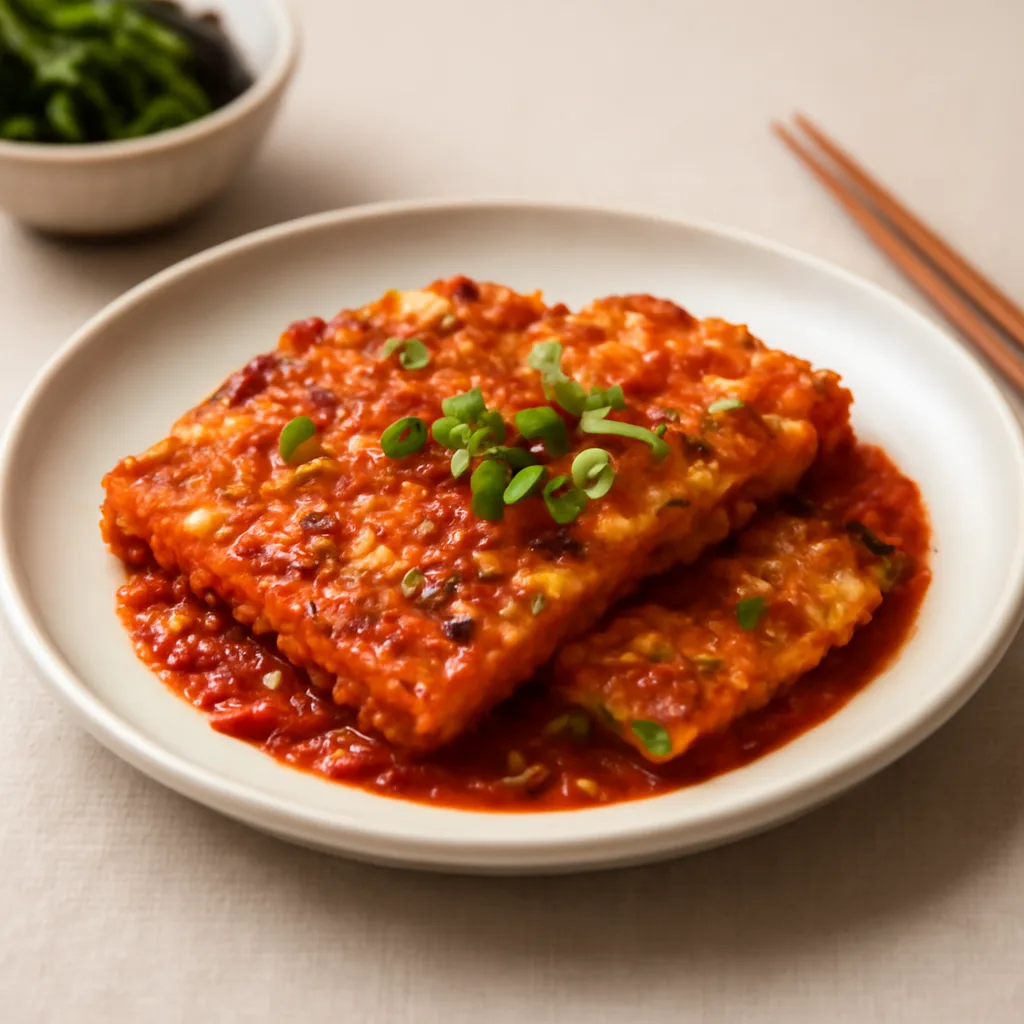
- If you focus on spicy stir-fries or seasoned grilled dishes, pair with milder items like tofu, steamed egg, or vegetable namul instead of repeating similarly spicy dishes.
- Arrange items so that ones requiring last-minute preparation and those that can be prepared in advance are placed together. For example, prep the salad ingredients and sauces in advance, and cook the grilled or fried items at the last moment.
- If the group is small or the drinking session is short, choosing multiple hot dishes that must be served after cooking may be inefficient. In this case, select one warm dish and fill the rest with simple sides.
Foods included in this theme
Here are the foods included in this theme, sorted by views from CookPagoda's public food.