Ingredient Encyclopedia
Check the characteristics of the ingredients and how to use them in cooking.
Frozen seafood
1
2
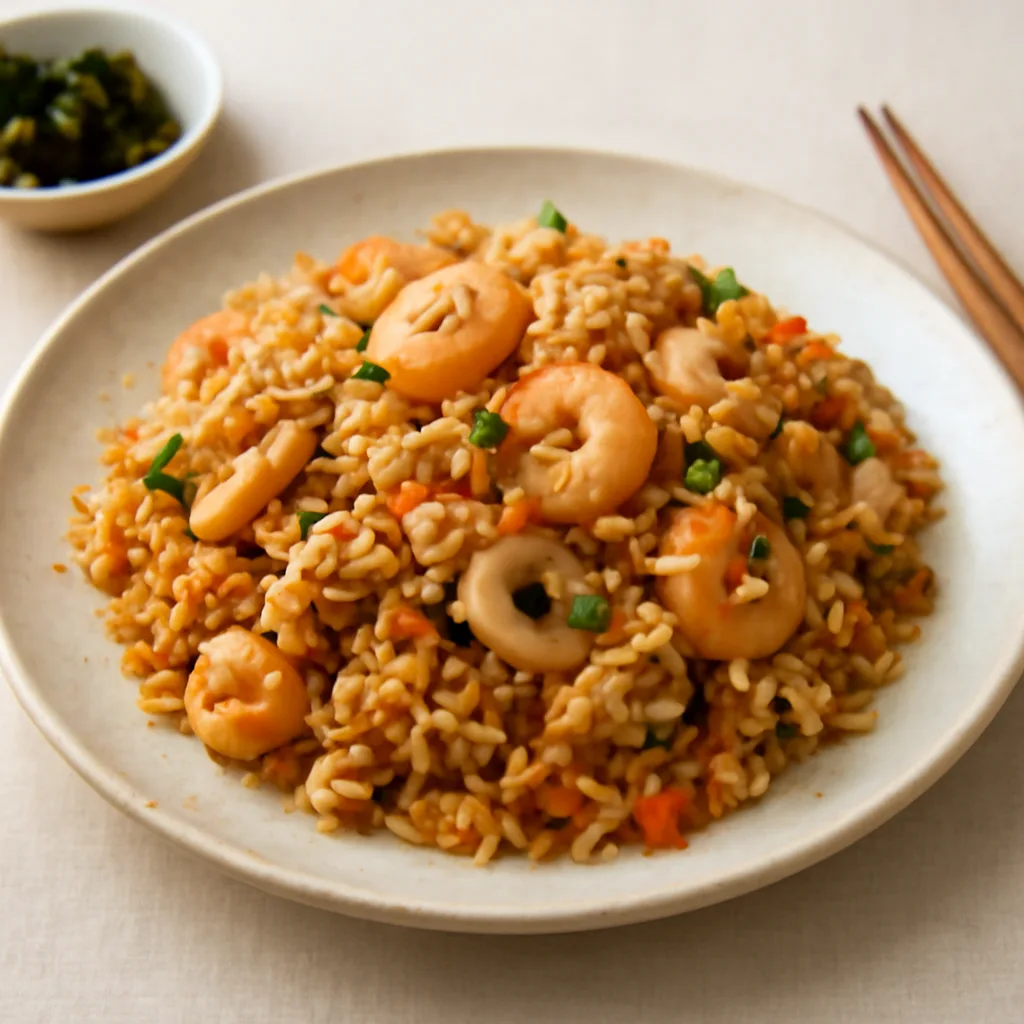
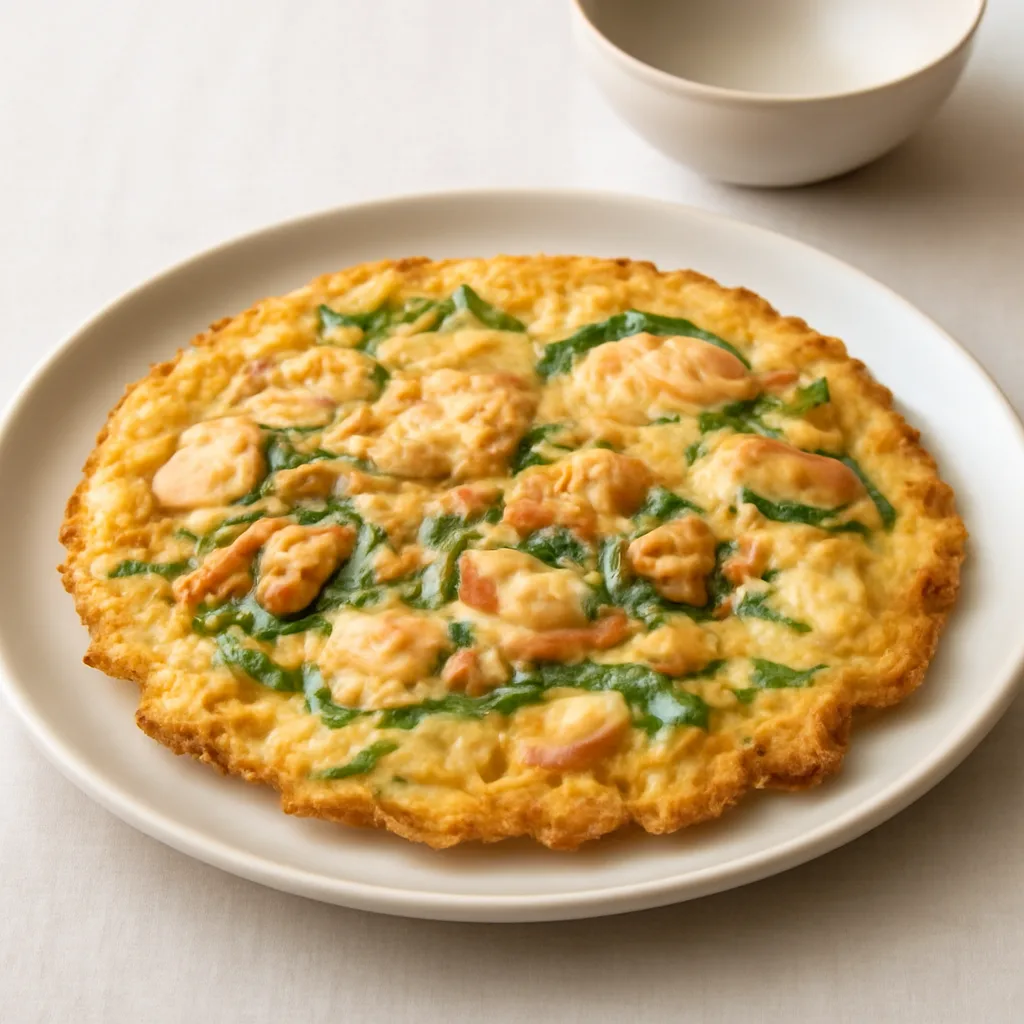
Frozen seafood refers to products that have a variety of seafood such as shrimp, squid, mussels, and clams that have been cleaned and frozen. The composition and size vary by product. They are convenient for dishes where you want to add the umami of seafood, such as soups, stir-fries, pancakes, pasta, and fried rice. Before use, check the ingredients and whether the product is cooked on the package. Each seafood type cooks at a different rate, so long heating can make squid tough and shellfish release a lot of moisture; a practical method is to fry quickly over high heat and then combine with other ingredients. In dishes with a lot of broth, like seafood hot pot or jjambbong, you can add them without thawing, but for stir-fries you should reduce surface moisture and ice so the ingredients fry rather than steam. While frozen seafood is convenient in that it is consistently cleaned, it may not be suitable for raw dishes needing a vivid texture, such as sashimi or very delicate steaming dishes that use fresh seafood.
Taste and Texture
The seafood carries a characteristic salty, umami-savory note with a mild sweetness, and the center of the flavor varies depending on the product composition. If shrimp makes up a larger share, sweetness is more pronounced; if squid and shellfish are more dominant, a stronger ocean aroma and broth flavor will be more noticeable. If cooked properly for a short time, shrimp will be firm, squid will be tender to chew, and shellfish will have a moist texture. Conversely, if too much liquid is left in the pan during thawing or prolonged heating, it can taste watery and some ingredients can become chewy.
Main uses
- For brothy dishes like seafood hot pot, doenjang jjigae, soft tofu stew, and jjambbong soup, add at the final stage to enhance the seafood aroma. Adding when the broth is already boiling can reduce the temperature drop caused by the frozen ingredients.
- For seafood stir-fry, seafood pancakes, fried noodles with seafood, and fried rice, first briefly fry the thawed frozen seafood after removing moisture. If the pan has liquid, raise the heat to evaporate moisture so that the seasonings do not become watery.
- In tomato or cream pasta or risotto, lightly cook the seafood with garlic, then set aside and return at the end. If you simmer from the beginning with the sauce, small shrimp and squid tend to become firm.
- For pancake batter, finely chopped frozen seafood can be added to enhance seafood aroma and chewiness. If thawing water is too abundant, reduce the water in the batter or remove moisture beforehand.
Preparation tips
- Thaw in the refrigerator while still in the bag, or thaw quickly in cold water, then drain on a sieve to remove moisture. If the thawing water is cloudy or has an especially strong fishy odor, rinse briefly under running water and pat dry to prevent flavor dilution.
- For stir-frying, pat dry the surface moisture with a paper towel. When adding to the pan, if you hear a sizzle less than a loud bubbling sound, it means a lot of moisture is present, so don’t add too much at once or fry in batches.
- If large squid pieces, shrimp, and clam meat are mixed, bring them to similar sizes for even cooking. In particular, small clam meats cook quickly, so it’s good to add larger ingredients after they are partially cooked.
- In strong-flavored stir-fries, adjust seasoning at the end. The product itself and thawing liquids may contain salt, so starting with a lot of salt or soy sauce can taste too salty.
Cooking characteristics
- Frozen seafood releases moisture as it cooks, so if the pan isn’t hot enough, it will steam rather than fry. If liquid spreads across the pan bottom, remove some seafood to reduce moisture, then reduce the liquid to concentrate the seasoning again.
- Shrimp will turn pink and opaque, and squid begins to curl when cooked through; that signal indicates doneness. After this point, overcooking will make the texture too tough, so in soups add at the end and let it come to a boil briefly.
- Sautéing aromatics like garlic, ginger, and scallions in oil can round out the sea aroma of frozen seafood. Be careful not to burn the aromatics too long, which can bring out bitterness and mask the delicate flavor of seafood; add seafood before the color deepens.
- In pancakes or frying, the moisture from frozen seafood can affect batter and oil. If the batter does not set well and edges are damp, reduce the moisture of the seafood or reduce the amount added at one time.
Good combinations
- Garlic, scallions, ginger, and fresh chili complement seafood aromas, and pair well with soy sauce, gochujang, and gochugaru-based seasonings. When using spicy seasonings, start with small amounts of sugar or corn syrup to prevent masking the natural sweetness of seafood.
- When stir-frying with vegetables that release moisture like napa cabbage, zucchini, onions, mushrooms, or bean sprouts, first fry the vegetables to reduce moisture, then add seafood.
- Tomato or white wine-based sauces, butter, and olive oil enhance the seafood’s umami in pasta or risotto. For heavy sauces like cream sauce, a small amount of lemon juice or pepper can prevent the dish from feeling too heavy.
- When used in soups with tofu or eggs, soft textures complement the chewiness of seafood. However, with many shellfish, the saltiness of the broth may increase, so adjust miso or fish sauce amounts later.
Points to consider when substituting
- If the goal is to emphasize umami in stews or fried rice, you can substitute with one or two available items among cleaned shrimp, squid, mussel meat, and clam meat. However, the flavor profile will be narrower than with mixed seafood; if using only shrimp, adding squid or mushrooms can create textural contrast.
- For dishes where a chewy texture is important like seafood pancake or seafood stir-fry, the combination of squid and shrimp works well. Using only clam meat may release more moisture and have less presence, so adjust batter or seasoning concentrations.
- In broths, using dried shrimp or anchovies instead of frozen seafood can provide umami, but the texture and presence of seafood pieces cannot be fully replaced. Dried ingredients are best used to make a stock first, then add tofu, mushrooms, or fish cake as needed for additional texture.
- In vegetarian cooking, depth can be achieved with mushrooms, kelp stock, and tofu, but aromas and elasticity of seafood cannot be fully reproduced. Therefore, apply this more naturally to fried rice or stews in which vegetables and seasonings already play a larger role than in pasta or pancakes where seafood is a primary ingredient.
Ingredients commonly used together in actual dishes
Aggregated based on the co-occurrence count of representative ingredients in public dishes registered in CookPagoda.
Dishes that use this ingredient
Shows dishes where this ingredient is a representative ingredient, sorted by view count.