Ingredient Encyclopedia
Check the characteristics of the ingredients and how to use them in cooking.
닭다리살
2
6
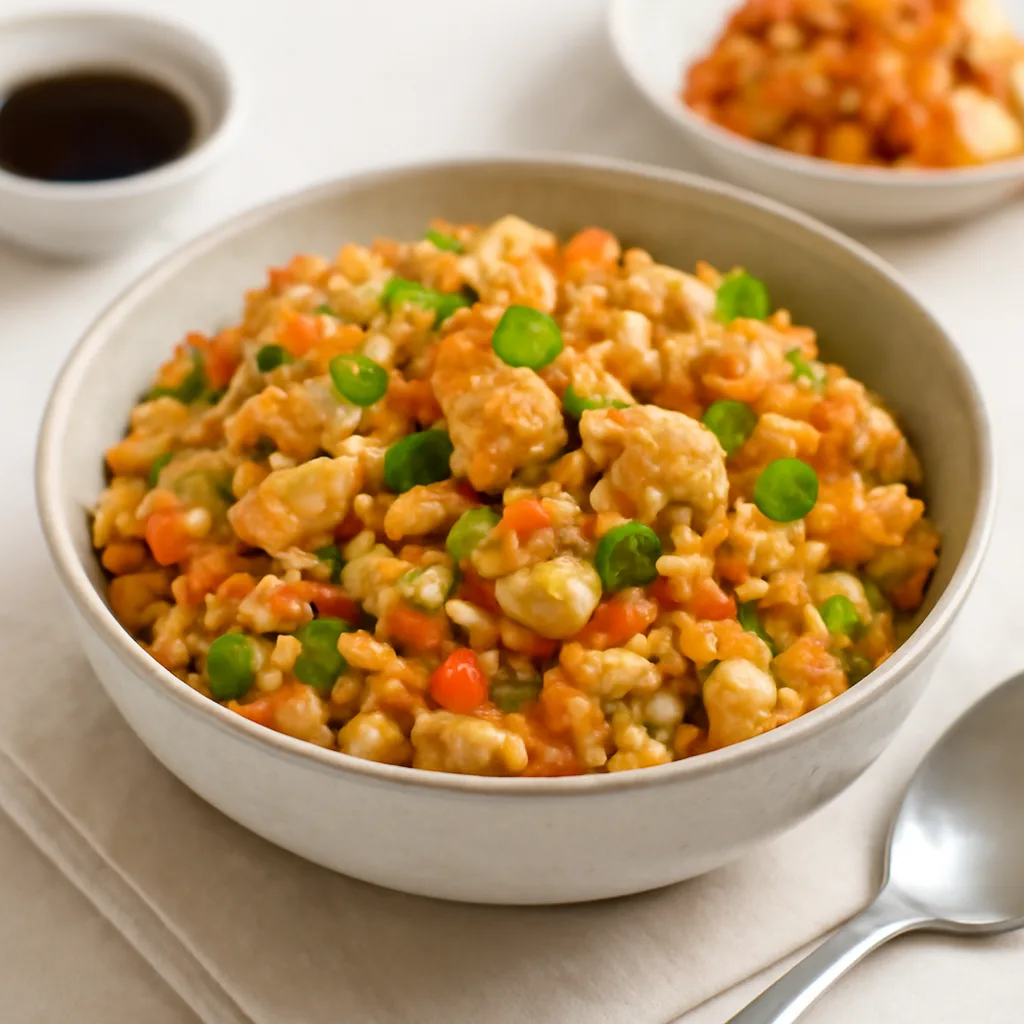
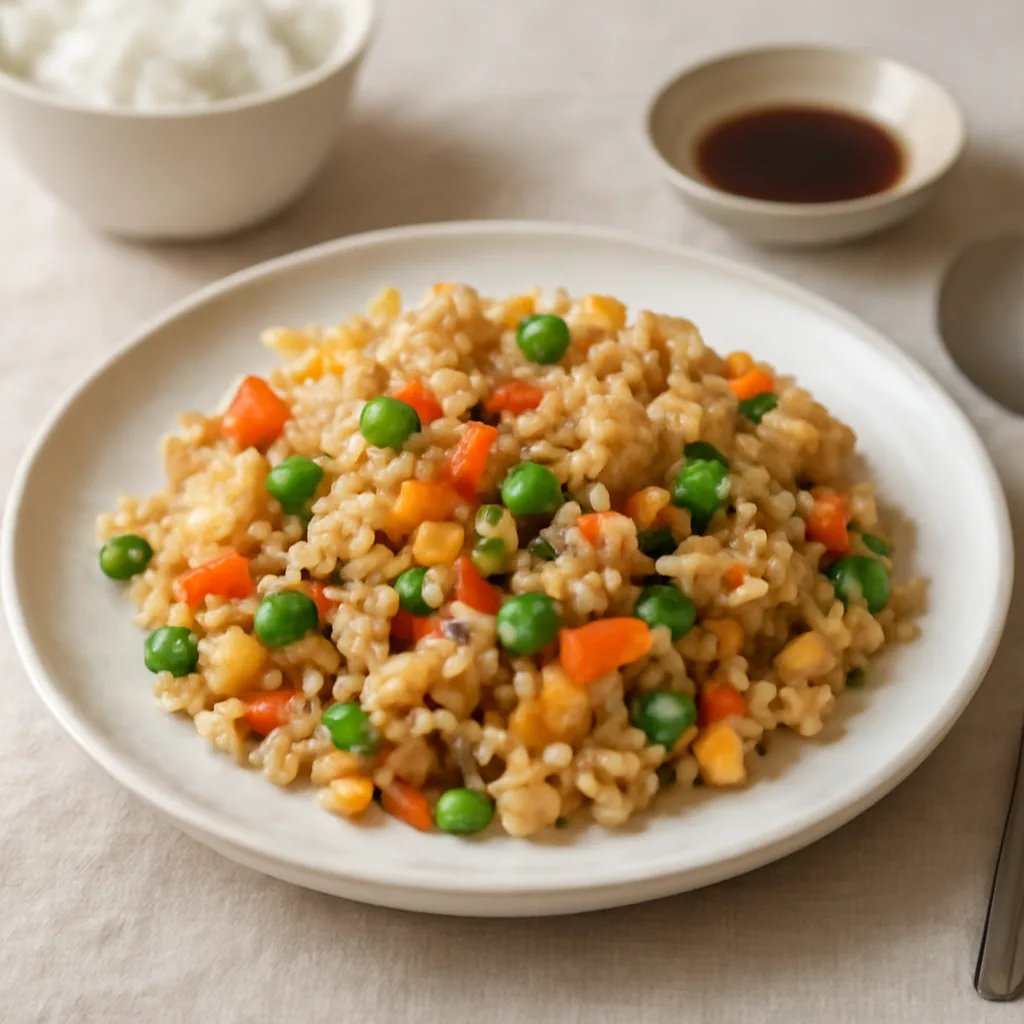
Chicken thigh meat comes from the leg portion and features a relatively rich flavor and moist texture. It has more fat and connective tissue than breast meat, so it isn’t prone to becoming dry even in dishes that use heat for a long time or at high intensity, such as stir-frying, grilling, or braising. Cut into bite-sized pieces for donburi or fried rice, or spread out and grilled to be used as a main protein. If the product has the skin on, you can get crispy skin and a nutty oil, but in clear broth or rich sauces, trimming the skin and excess fat yields a more balanced flavor. Pairs well with clearly flavored sauces such as soy sauce and garlic, gochujang, curry, cream sauce, and tomato sauce. However, if you cook thick chunks only over high heat, the outside may brown deeply while the center remains undercooked, so it’s stable to brown first and then reduce the heat to finish.
Taste and Texture
Chicken thigh meat has a slightly more pronounced aroma and nutty flavor than breast meat when cooked. It becomes tender with a firm texture, and the fat melts to add umami to seasonings and sauces. If the skin is on, it can become crispy with thorough roasting, but it can become soggy quickly when added to a moist sauce. If crispy texture is the goal, roast the skin side in a dry pan first, and only briefly glaze with sauce at the end.
Main uses
- When used in soy sauce, garlic, and ginger-seasoned grilled or teriyaki-style stir-fry, the nuttiness of chicken thigh complements the sweet-salty sauce well.
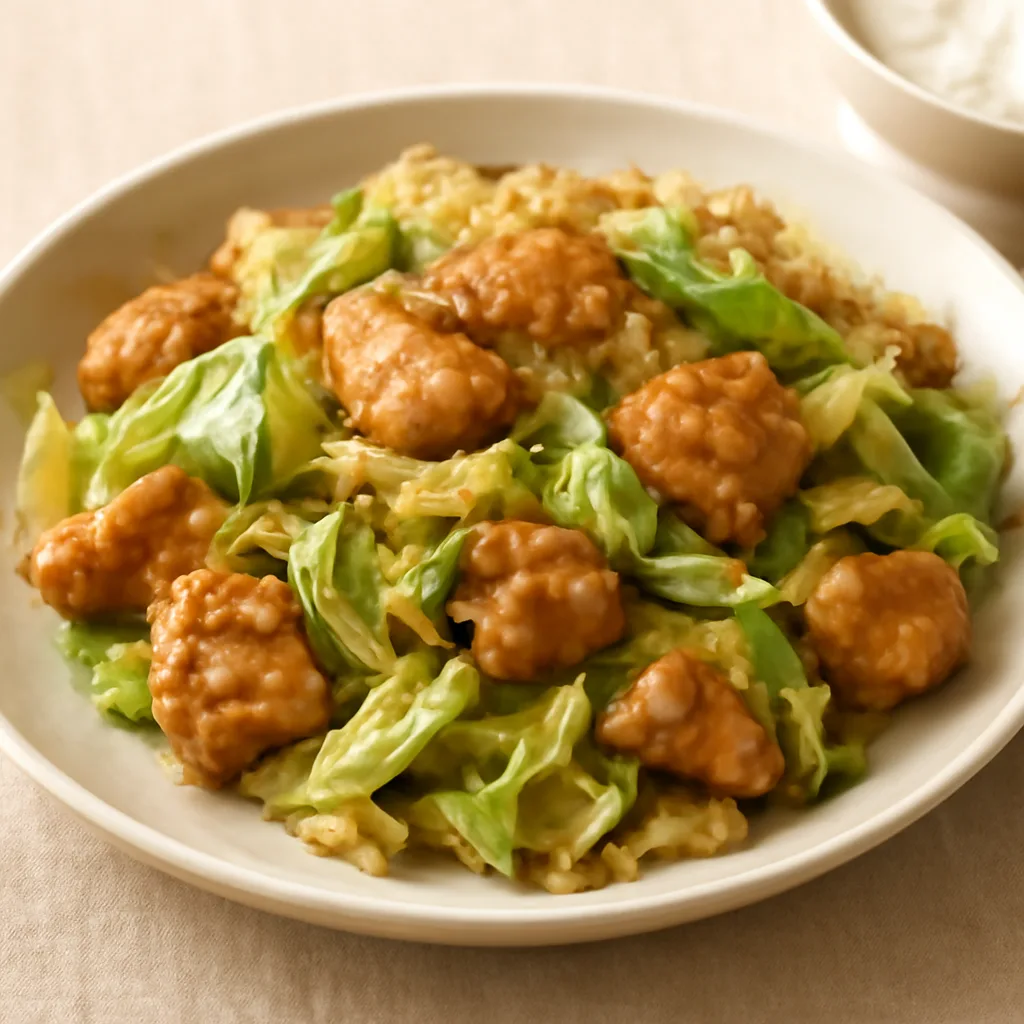
- Cut into bite-sized pieces and stir-fry with vegetables, then serve over rice to make a donburi. If the pan is too crowded, moisture escapes and the texture may become boiled-like, so it’s better to cook in batches when large in quantity.
- Great for dishes that cook with sauce, such as curry, tomato sauce braises, or stews. If the sauce reduces enough to coat the meat well, add the meat after the sauce has thickened slightly to avoid overcooking; if boiled too long, the meat may break apart.
- Skewers, dakgalbi-style stir-fries, or fillings for tortillas or sandwiches can also use it with strong seasonings.
Preparation tips
- When cold chicken thigh meat is used, pat dry the surface with a paper towel to remove any blood and surface moisture before cooking. If the surface is wet, moisture will evaporate before browning, reducing the toasty aroma.
- If the thickness is uneven, score the thick parts shallowly or spread them a bit to even the thickness. If the edges contract quickly and the center remains thick, next time increase the scoring or finish on low heat.
- If there is skin, trim only the large fat lumps on the skin side, and leave the skin on if you want a crispy bite. Conversely, for dishes with rich broth or cream sauces, removing the skin can reduce the sauce from becoming too heavy.
- Salt should be used just before grilling or in a short marinade, and sauces with soy sauce or sugar should not be applied too early. Very sweet sauces thicken quickly in the pan, so cook the meat first and add the sweetness at the end to adjust the richness.
Cooking characteristics
- When done on medium-high heat, sear the surface first to create browned aroma, then reduce heat to finish cooking through, keeping it relatively moist. If the bottom of the pan begins to burn blackened, sugars or rendered fat have overheated, so lower the heat and wipe away the char before continuing.
- When grilling with the skin on, a useful method is to place the skin-side down on a cool or lukewarm pan and slowly render the fat. Using very high heat from the start can burn the skin and prevent the fat from rendering, making it tough.
- In stir-fry or braise, the fat and juices released during cooking mix into the sauce to round out the flavor. If the sauce becomes thin, temporarily remove the meat and reduce the sauce to the desired thickness, then return the meat to minimize overcooking.
- When fully cooked, the center has no pinkness and the thickest part, when sliced, shows clear juices. Because cooking time varies greatly with size and thickness, it’s better to check this doneness state rather than rely on time alone.
Good combinations
- Garlic, ginger, scallions, and onions enhance the nutty aroma of chicken thigh and pair particularly well with soy-based sauces or stir-fries.
- For spicy sauces like gochujang or red pepper powder, add ingredients that bring sweetness and moisture such as cabbage, onions, or rice cakes to soften the flavor.
- Adding a small amount of lemon or vinegar can brighten the oiliness, but excessive acidity can make the surface texture feel uneven, so add at the finishing stage.
- Mushrooms, potatoes, and carrots, which take longer to cook, should be cooked first or cut smaller to prevent the chicken from overcooking.
Points to consider when substituting
- If chicken thigh is unavailable, you can use chicken breast, but it’s more bland and dries quickly, so cut into larger pieces and cook briefly. In rich braises or longer stir-fries, you’ll notice a significant texture difference when substituting.
- Bones in the thigh add depth, but the cooking time and preparation differ. For one-bite stir-fries or skewers requiring uniform pieces, substitution may be inconvenient.
- Pork shoulder or blade can be a substitute in strong-flavored dishes like soy sauce or gochujang stir-fries, but pork has different fat content and aroma, so adjust sweetness and fat usage accordingly.
- When substituting with tofu or mushrooms, you lose the fat and meat juices from thigh, so you must adjust the sauce’s salt and thickness separately. For crispy-grilled texture, choose well-drained ingredients.
Ingredients commonly used together in actual dishes
Aggregated based on the co-occurrence count of representative ingredients in public dishes registered in CookPagoda.
Dishes that use this ingredient
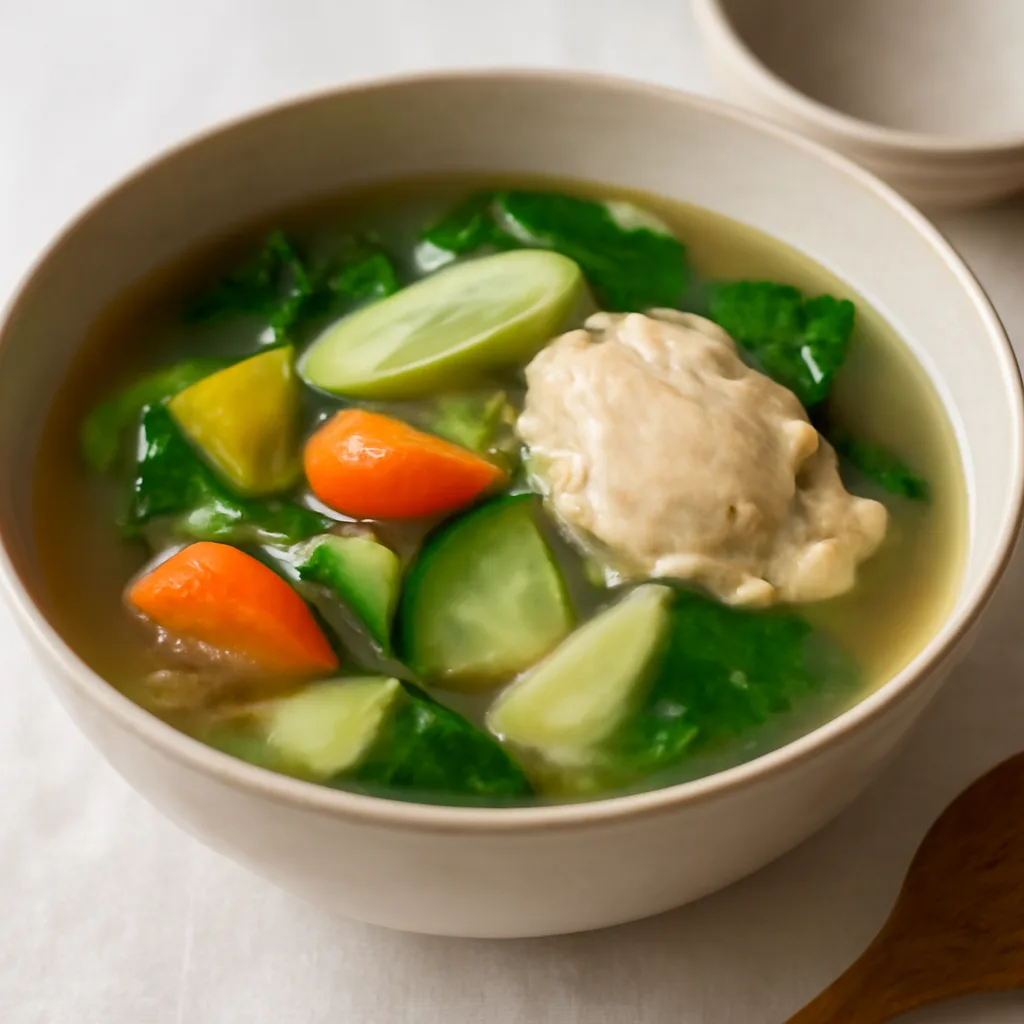
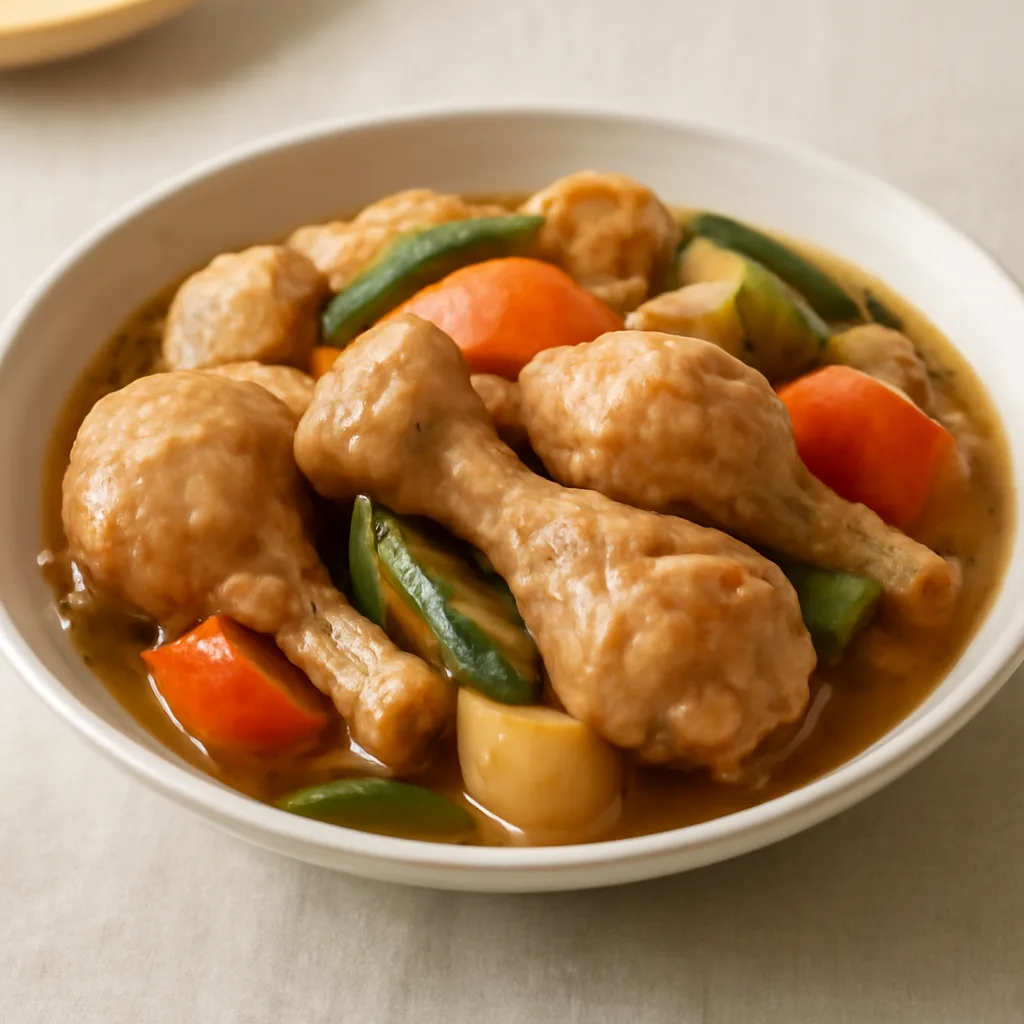
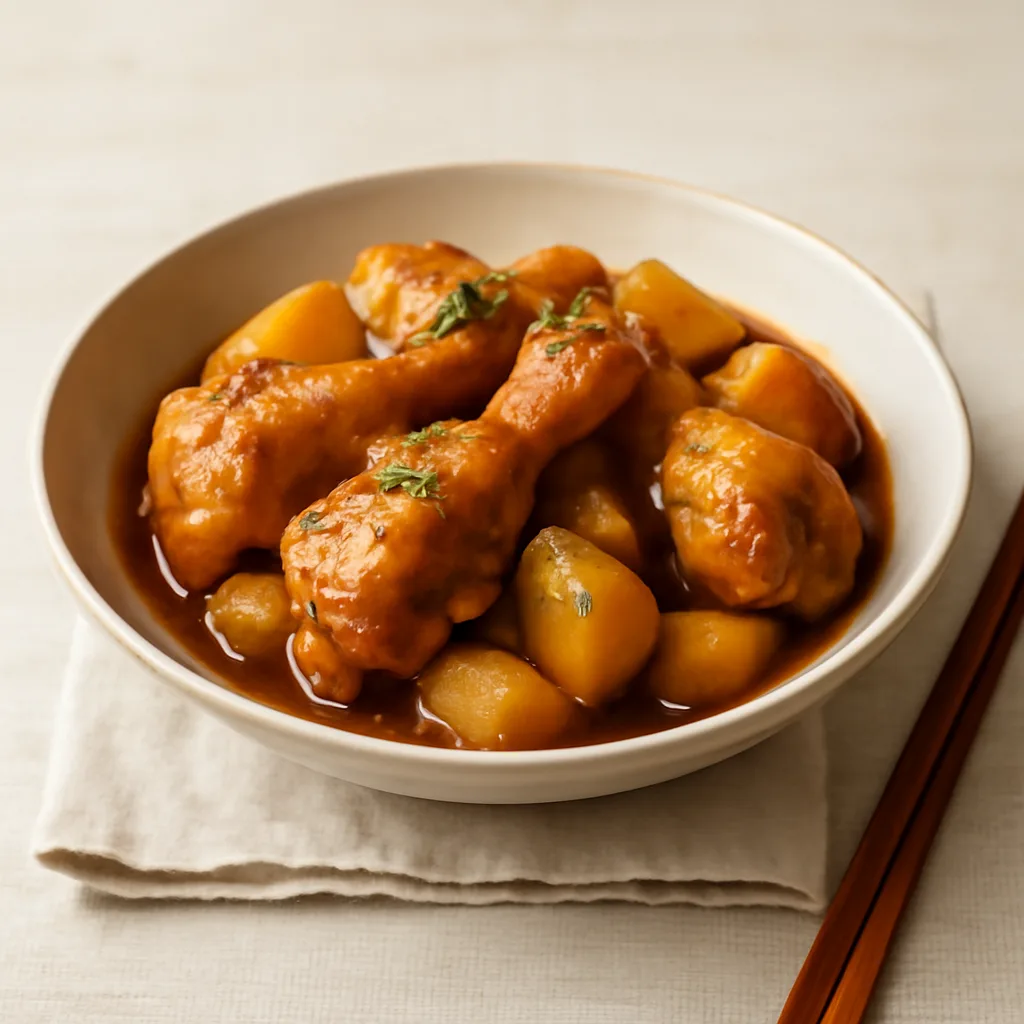
Shows dishes where this ingredient is a representative ingredient, sorted by view count.