View recipes
Check the reference data for the selected food.
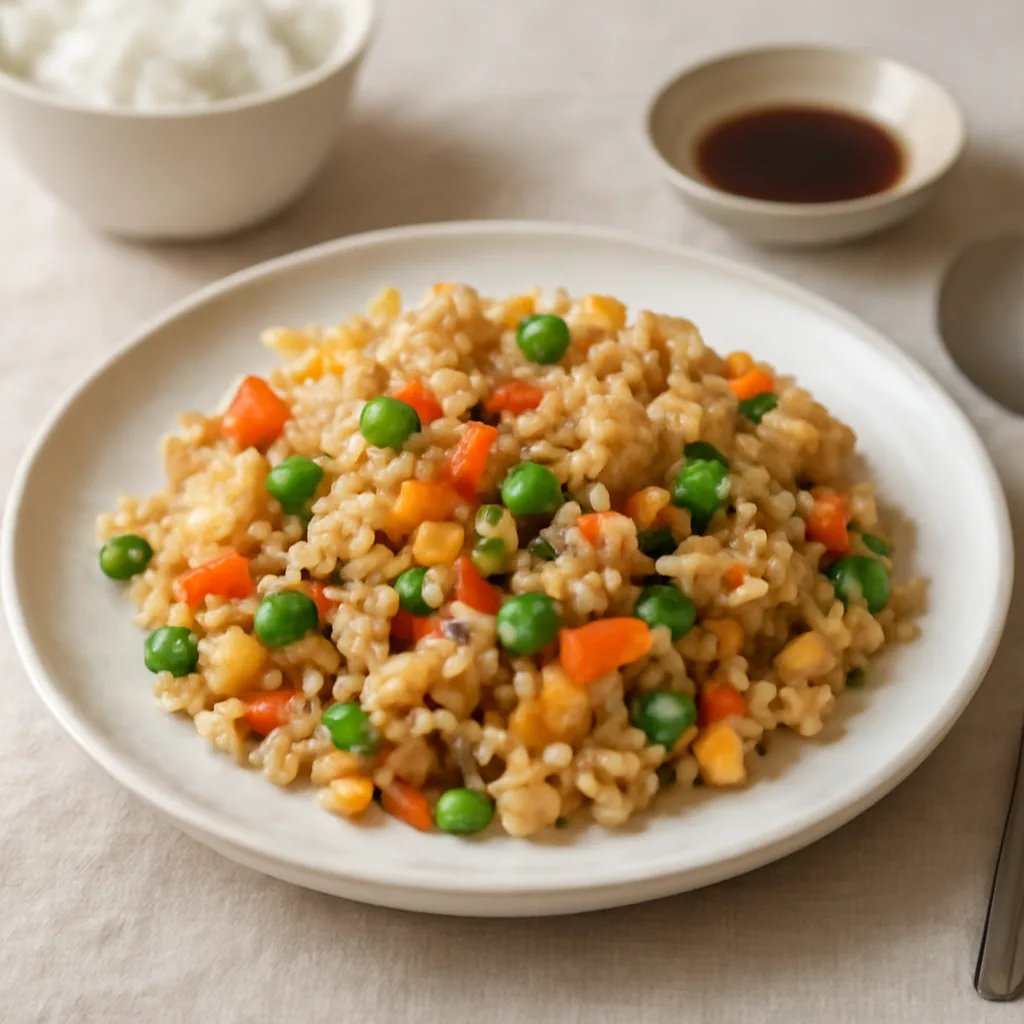
Chicken Thigh Meat Vegetable Fried Rice
Chicken thigh meat vegetable fried rice is a one-bowl dish where savory chicken and fresh vegetables come together to create a flavorful and nutritious meal. It is quick to prepare, making it suitable for busy family dinners.
Related Themes
6
View0
Like1
AI recommendations0
CreatedAbout this recipe
Chicken thigh vegetable fried rice is a one-pot dish that adds the rich flavor of chicken thigh with the sweetness of cabbage and carrots and the mildness of rice. It can be made in a single pan, and if you prep the ingredients in advance, you can finish it without breaking the cooking flow. The key of this dish is to allocate the necessary doneness for each ingredient. First, cook the chicken thigh pieces thoroughly to develop flavor; since cabbage releases a lot of moisture, fry it longer to prevent it from becoming mushy, and finally spread the rice out in the pan to let moisture evaporate. If the rice is very hot and moist, frying times will be longer and vegetables may become limp, so in this case it is more stable to cool the rice by a wave before using it. The provided notes do not specify exact seasonings or the cooking order, so season to taste after frying the chicken and vegetables and adding the rice to test and adjust gradually. When serving for a family meal, it is safer to set aside strong seasonings and let everyone adjust at the end rather than adding a lot from the start.
Taste and Texture
Chicken thigh yields a soft and savory texture as long as the fat renders but doesn’t run off too much; carrots add a gentle sweetness and a crisp bite. Cabbage becomes lightly sweet and chewy when lightly fried, and becomes soft with longer cooking. When the grains of rice are separated and the surface moisture has evaporated appropriately, it blends well with the ingredients without becoming mushy. Conversely, if moisture from the vegetables pools in the pan, the rice grains can clump and the texture can become more moist.
Key to making it delicious
- Cut the chicken thigh into similarly sized bite pieces and cook them until the center of the thickest piece is no longer pink; if sizes vary, smaller pieces tend to dry out while larger ones cook less evenly.
- Make the cabbage and carrot roughly the same size; don’t cut the carrot too thick, and they’ll cook together more evenly.
- Before adding the rice, gently loosen any clumps; adding cold or clumped rice can cause the ingredients to overcook while the rice loosens in the pan.
- Once the pan is well heated, add the ingredients without crowding; do not add too much at once, or the pan temperature will drop quickly and the ingredients will be steamed rather than stir-fried.
- After adding the rice, spread it out and let it heat for a moment before turning and mixing; if you keep stirring quickly, the rice grains may crush, and if the rice is very soft already, handling it briefly is better.
Common mistakes
- If the chicken thigh releases a lot of water and doesn’t fry brown, the pan may be too crowded or preheating may be insufficient; cook the chicken in a single layer and, if needed, divide it and cook the vegetables afterward.
- If the fried rice is mushy and the grains stick together, there may be excess moisture from the cabbage or freshly boiled rice steam remaining; don’t fry the vegetables for too long, and add the rice after cooling a bit while blowing off moisture on high heat.
- If the carrots are hard and the cabbage has softened, that may be because you added both ingredients at the same time; slice the carrots thinner or give them more time to cook.
- If the chicken is cooked but feels dry, you may have fried too small pieces for too long; keep to bite-size pieces and only heat a bit longer after mixing with the rice.
- If the seasoning seems strong at the start but tastes salty after, it may be concentrated on the chicken and vegetables before the rice is added; start with a light seasoning and adjust the final taste after mixing in the rice.
Application Ideas
- If you want to preserve the crispness of cabbage, fry the chicken and carrot first, then add cabbage later and a short fry; conversely, for a softer texture, add cabbage a little earlier but make sure there’s no excess moisture in the pan.
- To keep the dish light, minimize seasoning so the flavors come from the chicken and vegetables; if it tastes under-seasoned, add a little at the end to adjust.
- To add more heat, you can add a small amount of spicy seasoning before adding the rice or after completing the dish; if family members have different heat preferences, instead offer it on individual plates as a side.
- To emphasize a fluffy rice texture, use cooled rice; but very dried rice may not break apart properly if not loosened enough.
Pairing ideas
- Do not leave the fried rice in the pan for too long after finishing; residual heat can dull the cabbage texture and the rice’s fluffiness.
- When serving for a family meal, provide additional seasonings on the side so everyone can adjust salt and heat to taste.
- When plating, mix evenly so chicken pieces don’t cluster on one side; it’s easier to enjoy the combination of meat, vegetables, and rice.
- If you plan to serve remaining cabbage or carrots as a side, you can offer some raw or lightly prepared separately; other ingredients beyond those provided can be used as desired.