Theme guide
Check the selection criteria and cooking ideas for foods that match this theme.
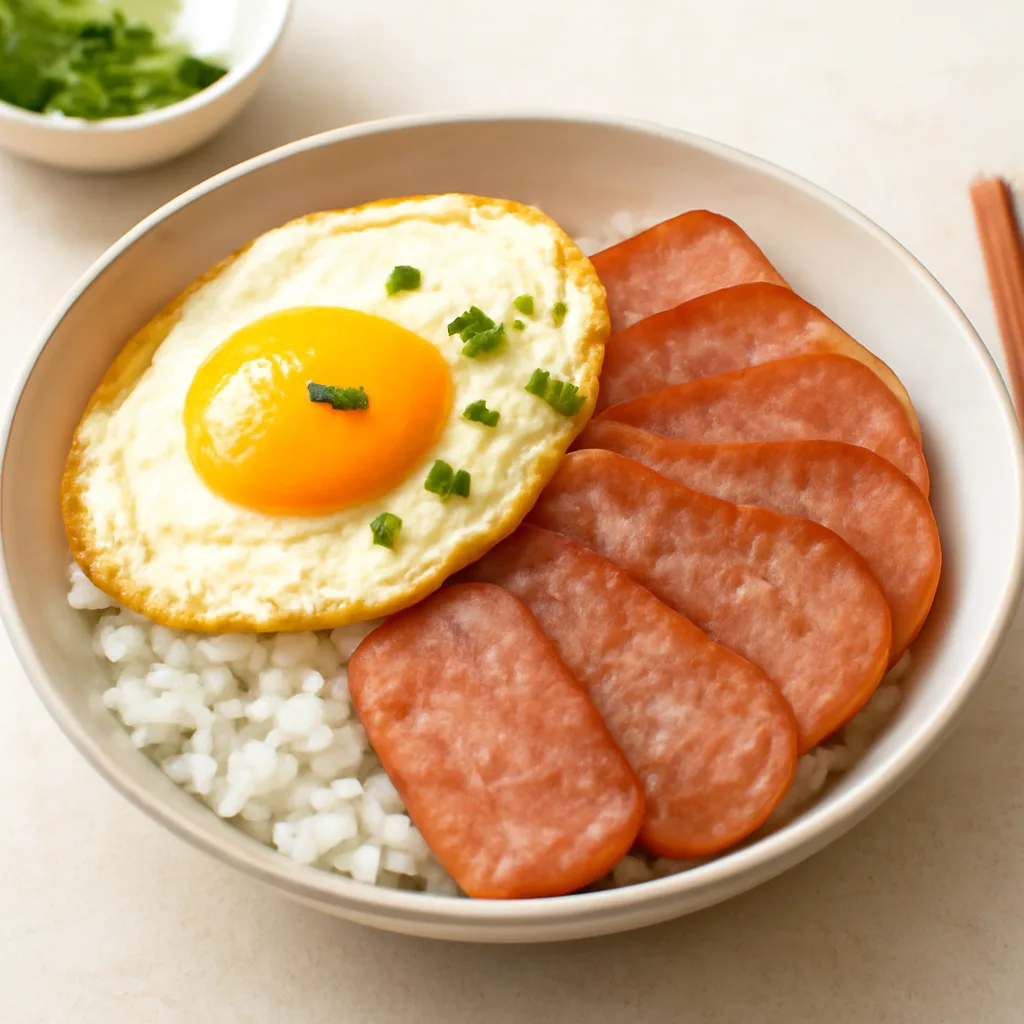
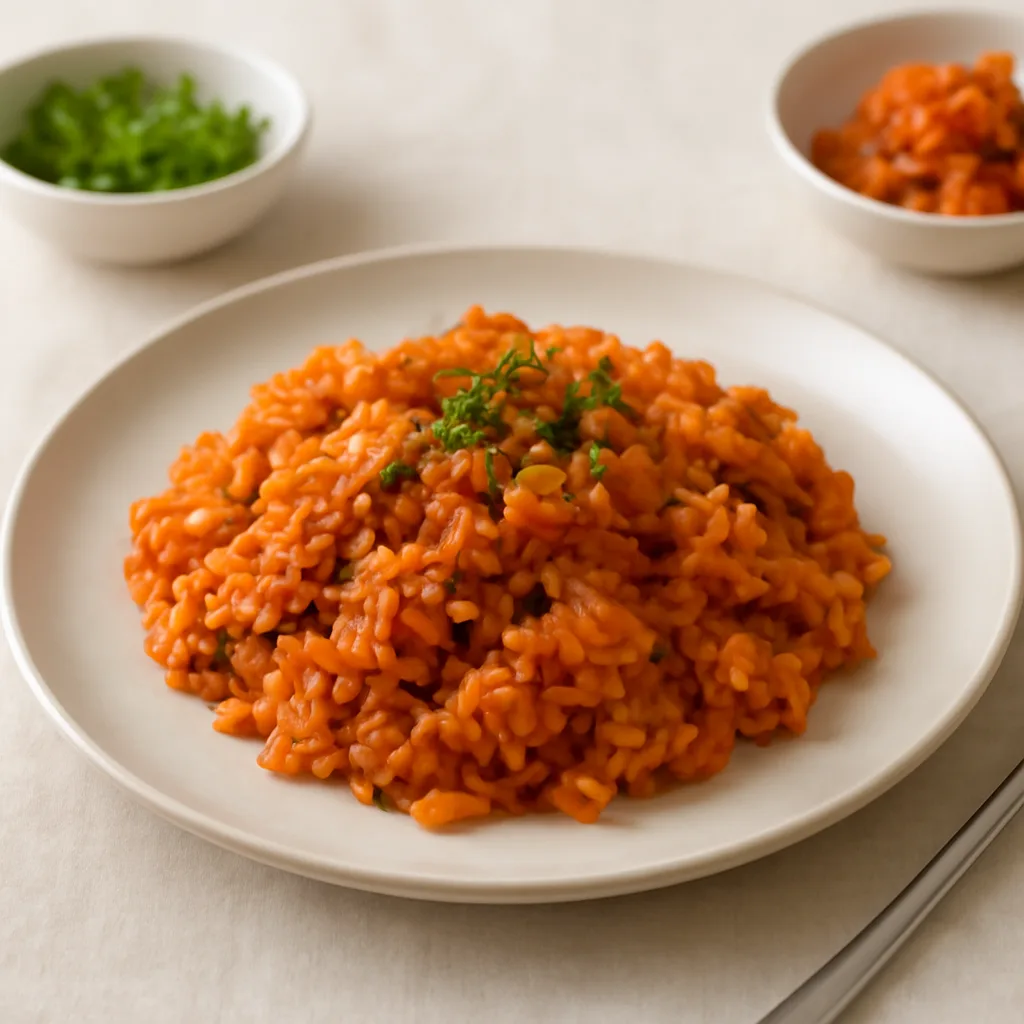
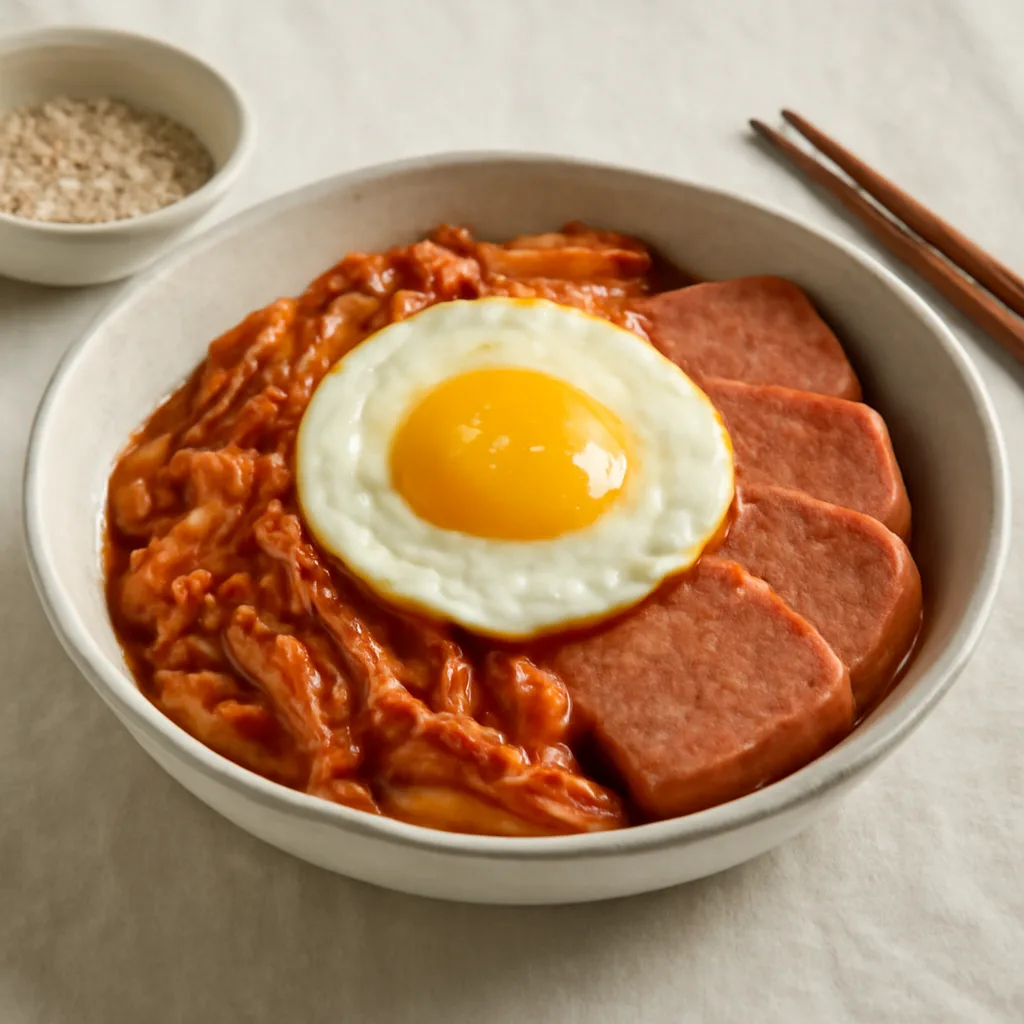
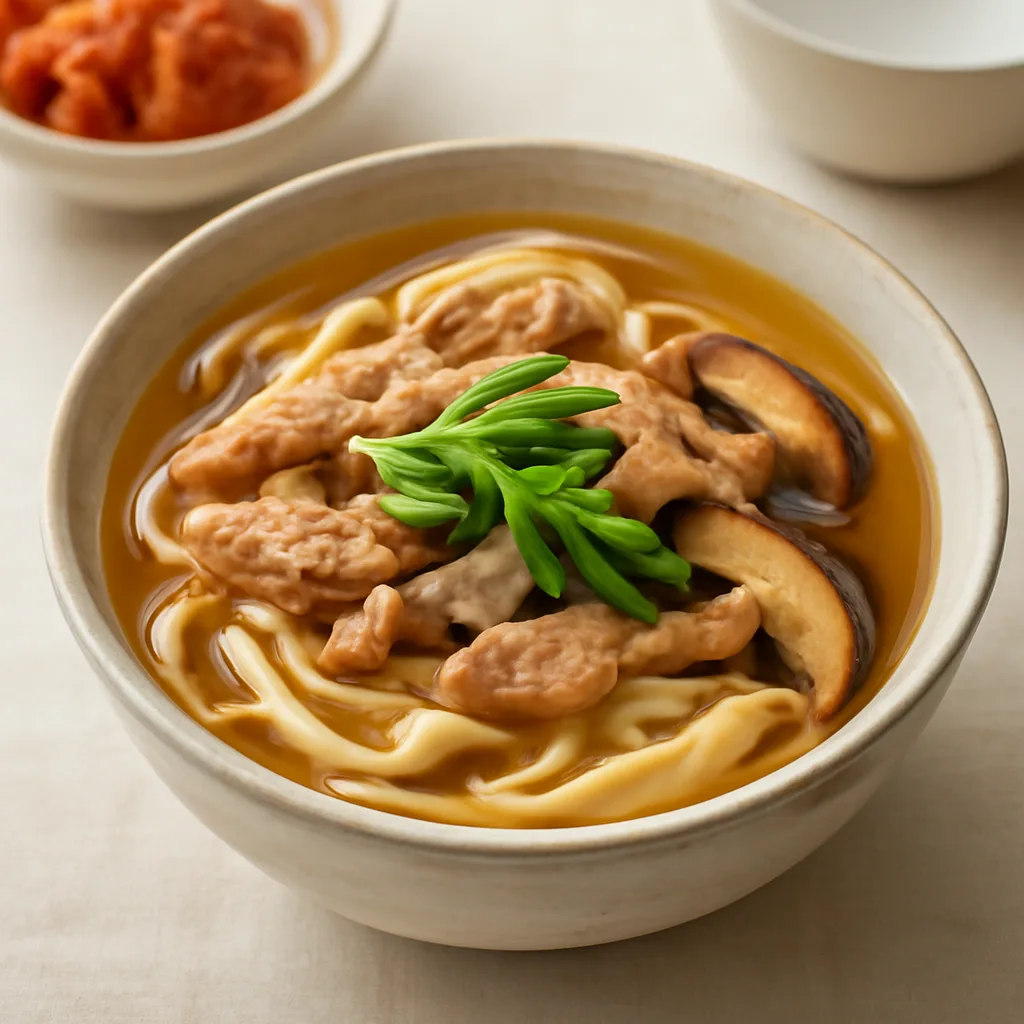
One-dish cooking completes a meal in one bowl by adding protein, vegetables, and sauce or broth to a base ingredient like rice, noodles, grains, or bread. There are variations where ingredients are mixed like bibimbap, as well as layered or broth-centric formats such as donburi, gukbap, or noodle dishes, so the possibilities are broad. When choosing a menu, it’s good to check whether it’s easy to eat when plated in a bowl. If ingredient sizes or moisture levels vary greatly, one side can become mushy while the other dries out, so it’s appropriate to separate wet and crispy ingredients by the time they are placed on top. A platter with multiple dishes to share or spots where each side’s flavors are enjoyed separately may be less suitable for a one-bowl configuration. A one-bowl menu is practical for using up remaining ingredients, but it doesn’t simply mean dumping everything in. If you decide on a central ingredient and add items that complement flavor direction, temperature, and texture, the selection becomes easier.
Well-suited for these people
- Someone who prefers to prepare a meal relatively simply but wants to eat rice or noodles, vegetables, and protein together.
- If meals are at different times, and each person needs to reheat separately, it’s good to choose a menu that separates rice and toppings and then combines them just before eating.
- On days when you want to minimize dishes, a donburi or fried rice with natural flow from cooking to plating is convenient.
- Conversely, if a group is sharing many side dishes or you need to keep crispy fried items for a long time, preparing everything in one bowl may not be suitable.
Food Selection Guide
- If you need a warm and filling meal, first decide on a starchy base like rice or noodles for fullness, then choose among donburi, bibimbap, gukbap, or noodle dishes depending on whether broth is involved.
- If you have refrigerated leftovers like cooked meat or roasted vegetables with low moisture, they’re easy to use in dry donburi or fried rice; if only broth-rich ingredients remain, a broth-based rice bowl or noodle dish may be more natural.
- If the ingredients are already well seasoned, serve sauce separately or reduce its amount; in a one-bowl setup, rice or noodles mix and can taste milder than at first, but when broth is added it can taste saltier.
- Crisp vegetables or textures like crunchy nuts should be added right before serving; if mixed in advance, moisture can be absorbed and become soggy.
Frequently paired ingredients
- Rice, noodles, udon, or grains as the staple carbohydrate base of the bowl, and pieces of bread; moisture state of leftover rice often determines whether a fried or soupy dish is made.
- Eggs, tofu, legumes, meat, fish, etc. add texture and depth to the central ingredient; ingredients that take longer to cook can be cooked separately before adding to reduce the base from becoming mushy.
- Leafy greens, mushrooms, onions, carrots, cucumbers, kimchi, etc. can be cooked or added raw to adjust color and texture.
- Soy-based sauces, pastes like gochujang or doenjang, broths, sesame oil, vinegar, and other dressings help define the flavor direction, but if both salty toppings and broth are used, it’s better to adjust only one lightly.
Compatible cooking methods
- Sautéing helps infuse flavor into rice or noodles, but if moisture accumulates in the pan, the ingredients may soften; add high-moisture vegetables separately.
- Stewing and braising work well for meats or mushrooms to make toppings for donburi; if the sauce is too thin, it quickly soaks into the rice, so adjust the thickness at the end.
- Boiling and blanching suit ingredients that cook quickly like noodles, eggs, or leafy greens; noodles can continue to cook after being plated, so picking slightly firm when serving in broth-based dishes is an option.
- Simmering broth is good for gukbap or noodle dishes, but cooking raw vegetables or crispy toppings from the start can reduce color and texture, so add them separately.
Tips for beginners
- Start simple: one base, one protein, one or two vegetables, one seasoning to judge flavor balance easily.
- If the rice or noodles become too soft, they can absorb moisture from sauces and vegetables and become mushy, so when using moist sauces or broths, avoid overcooking the base.
- If the final taste is bland, try adding a bit more acidity, fragrant oil, or finishing toppings like sesame seeds or green onions rather than adding a lot of salt all at once.
- If toppings became muddy in color and texture after mixing, try layering cooked ingredients and cold ingredients separately, then mix just before eating.
Menu Composition Tips
- When planning a week’s menus, vary the method for the same base ingredient to reduce repetition; for example, plan donburi, fried rice, and broth rice separately.
- Prepare ingredients that take longer to cook first (meat or beans), then lay out vegetables and eggs that cook quickly to simplify the workflow inside a bowl.
- On days with broth-based menus, keep sides light; on days with rich seasonings in donburi, add bright vegetables or fresh sides to balance flavors.
- Crispy toppings or raw vegetables can be prepared separately rather than fully assembled in advance; for meals that will be moved or kept for a while, choosing toppings that hold up to moisture is better.
Foods included in this theme
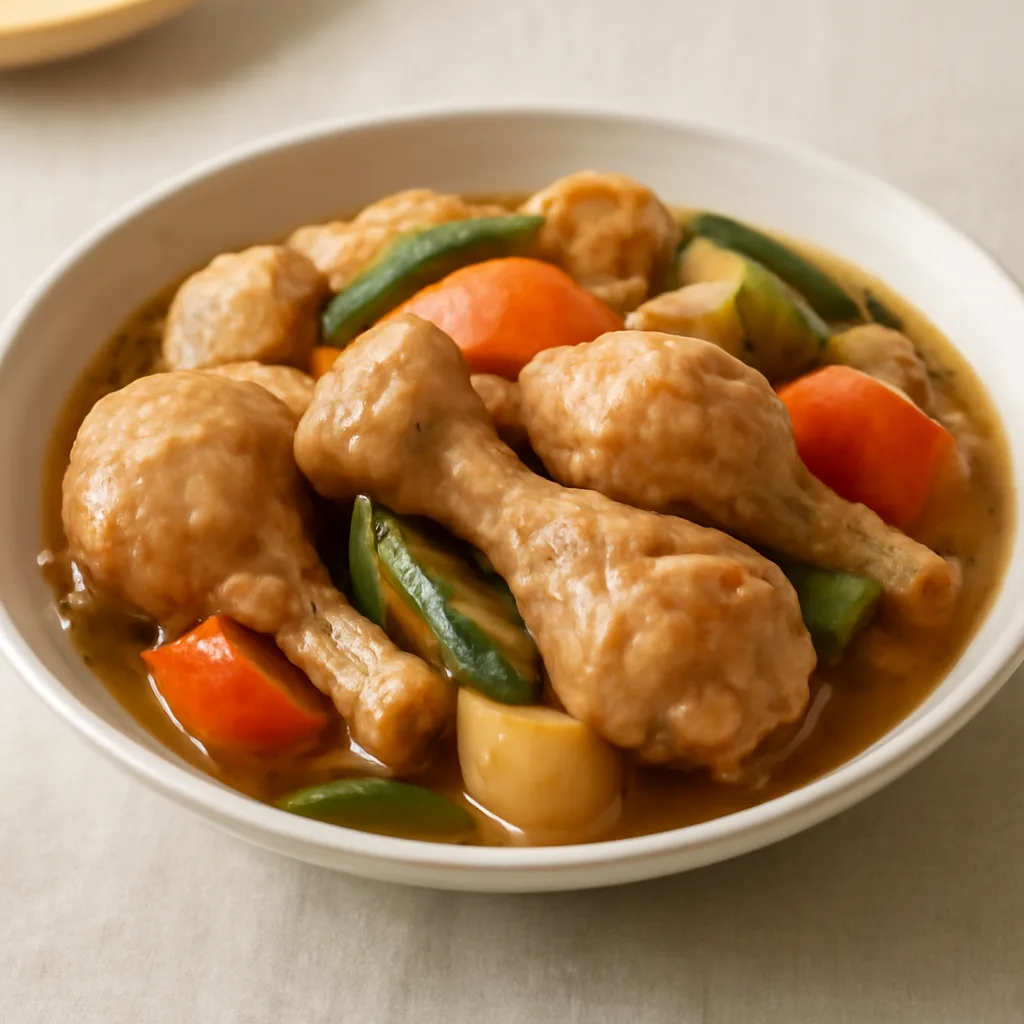
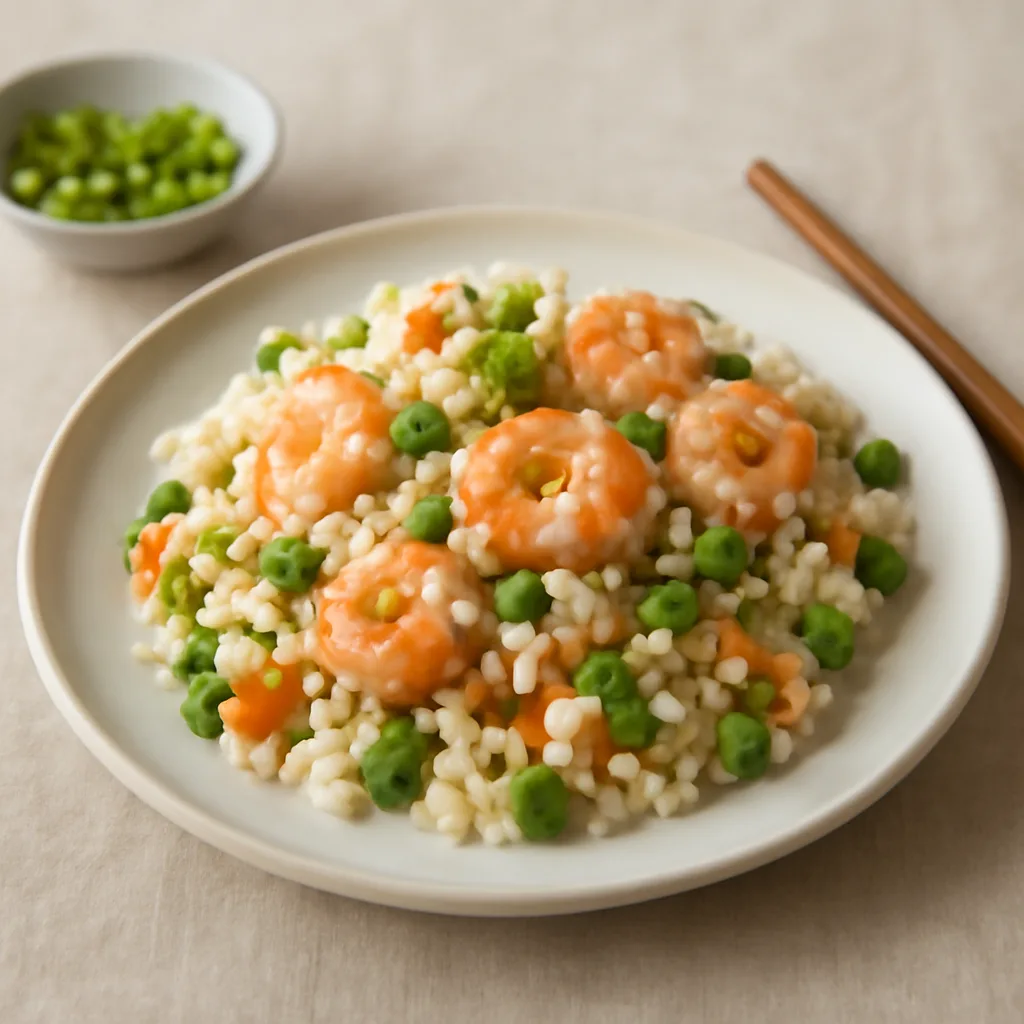
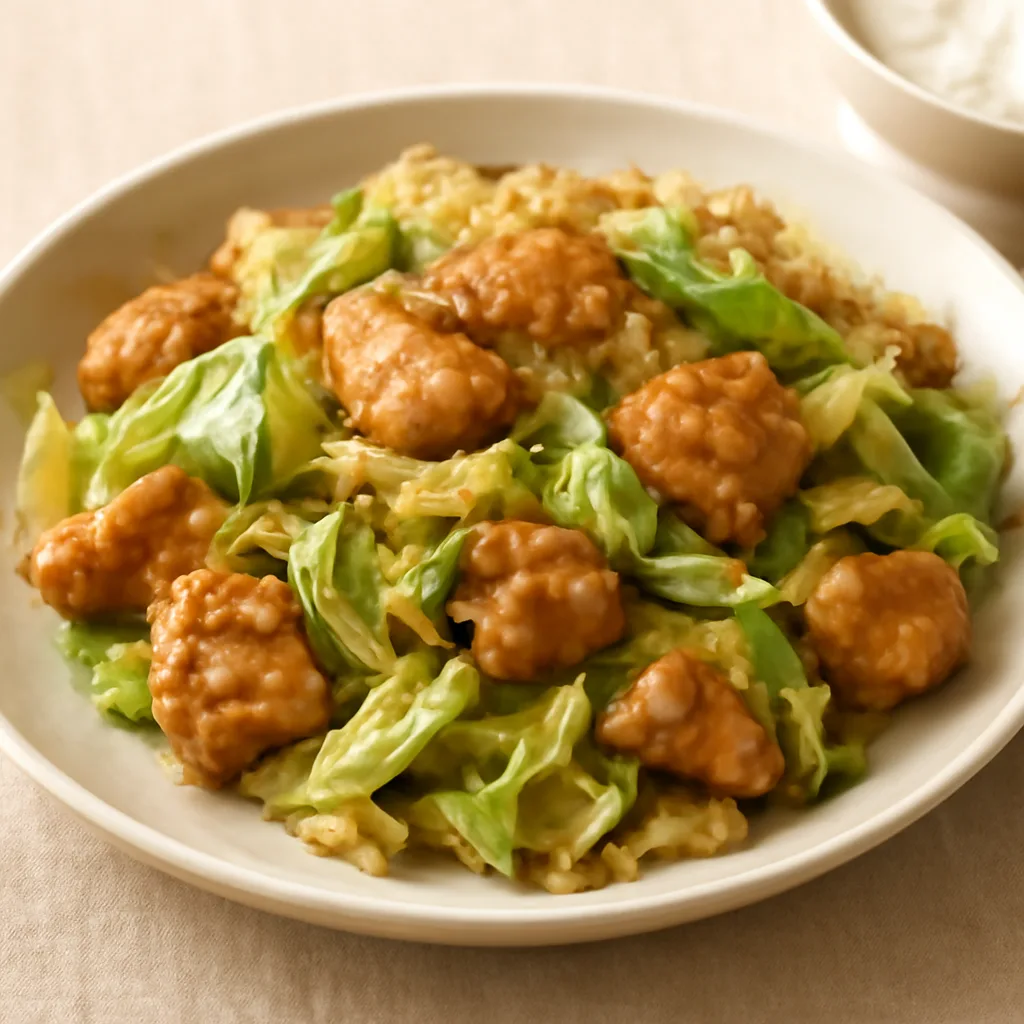
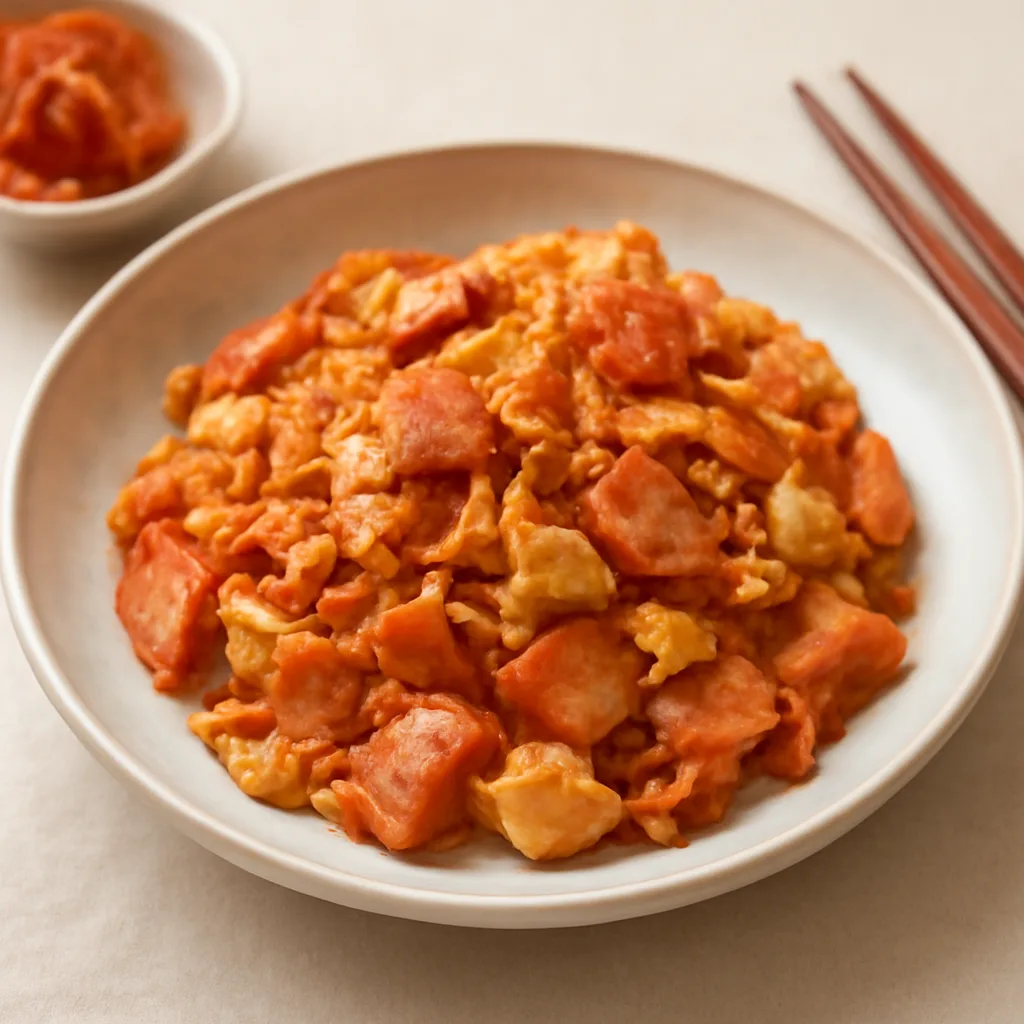
Here are the foods included in this theme, sorted by views from CookPagoda's public food.