Theme guide
Check the selection criteria and cooking ideas for foods that match this theme.
Family meals are not about a single fixed dish, but about choosing a menu that considers the people’s time and tastes. When several people gather around one table, it helps to start with criteria that directly affect meal satisfaction, such as spiciness, texture, and cooking time. For example, when some prefer bold seasonings and others want mild flavors, keep the base seasoning light and offer sauces or side dishes separately. In this theme, it isn’t necessary to have a accompaniment for every meal with staples like rice or noodles, soup or stew, a protein side dish, and vegetables. On busy days, you can finish with a one-pot dish and a simple side; on days with longer conversations, you can choose dishes that are easy to share across several plates. However, choosing many complex menus right before cooking can make it hard to fit the meal into your time, so it’s helpful to separate elements that can be prepared in advance from those that can be made quickly. If the family members vary in age, appetite, allergies, or ingredients to avoid, rather than trying to fit everyone into one menu, leave adjustable parts. By separating sauces, toppings, and spicy ingredients, or preparing the same ingredient in different textures, you can offer more choices.
Well-suited for these people
- Ideal for households where many people eat at the same time but have different preferences for spiciness and saltiness.
- Useful on busy weekdays when you want to solve the main dish and side with minimal cooking steps.
- When children, adults, and varying portions eat together, it’s better to choose a configuration that’s easy to share and add extra side dishes.
- If you need to completely separate a strict diet for one person, you may need a separate cooking plan tailored to that meal rather than relying on a common menu.
Food Selection Guide
- First, set the number of diners and the actual start time of the meal. If a dish takes long to cook or needs frequent adjustments at the end, it’s better to switch to a simpler quick finish dish like a stir-fry or soup; if you can’t advance preparation, consider a quick finish.
- If someone at the table wants to avoid spicy foods or strong aromas, prepare the base dish blandly and serve chili powder, chili peppers, and aromatic seasonings separately. If you add all seasonings at once in one pot from the start, it’s hard to adjust later.
- Adjust the intensity of side dishes based on whether the staple is rice or noodles. On days with many soups or sauces, a crisp vegetable side or a roast that contrasts may be more suitable than a dense stew.
- If there is a member who has difficulty chewing, lean toward dishes that are finely chopped or well cooked to be soft, rather than choosing tough meat chunks or raw vegetables as the main ingredients.
Frequently paired ingredients
- In family meals, it’s common to have staples like rice or noodles as the core, with proteins and vegetables to complement them.
- Ingredients like meat, fish, eggs, and tofu, which can adjust texture depending on cooking method, are good for matching preferences.
- Aromatics like onion, green onion, garlic, and seasonings such as soy sauce, salt, doenjang (fermented soybean paste), and gochujang (red pepper paste) can guide flavor, but they are not strictly necessary for every family meal.
- Dried seaweed, pickles, and simple salads that can be served quickly can supplement the meal if the main dish takes longer to cook.
Compatible cooking methods
- One-pot methods like soups or stews are good for serving warm to share, but adjusting spice and salt individually is difficult. If preferences vary a lot, consider cooking the base broth first and then adding seasonings separately.
- Stir-frying and grilling are relatively quick and easy to split among portions, making them suitable for busy meals. If cooking a large amount at once causes excess moisture, it may steam more than fry, so divide into batches when large quantities are involved.
- Stewing and steaming can be prepared in advance and then reheated at mealtime. However, the flavor can intensify during long cooking, so start with restrained seasoning and adjust at the end.
- Dishes that allow individual assembly, like bibimbap or wraps, give people choice in vegetables and condiments, but preparing too many separate ingredients can be burdensome on weekdays.
Tips for beginners
- Start with three components: one staple, one main, and one ready-to-serve side. As the number of menu items increases, more dishes mean more potential for overlapping heat usage and salt timing, which can be challenging for beginners.
Menu Composition Tips
- In weekly meal planning, vary recipes so the same method isn’t used consecutively. If yesterday was a broth-based dish, today choose a texture-different dish like a stir-fry or grilled item to reduce monotony at the table.
- Choose a set of vegetables and proteins that can be used across the week, but you don’t need to prepare all dishes with the same seasoning profile. For example, the same vegetable can be prepared differently depending on whether it goes into soup or a stir-fry.
- On days planning long-cook dishes, prep sides in advance or keep them simple. If you make all dishes for main and side at once, timing can clash.
- When prioritizing using leftover ingredients, assess their condition first. If vegetables have dehydrated and changed texture, it may be better to cook them than serve raw.
Foods included in this theme
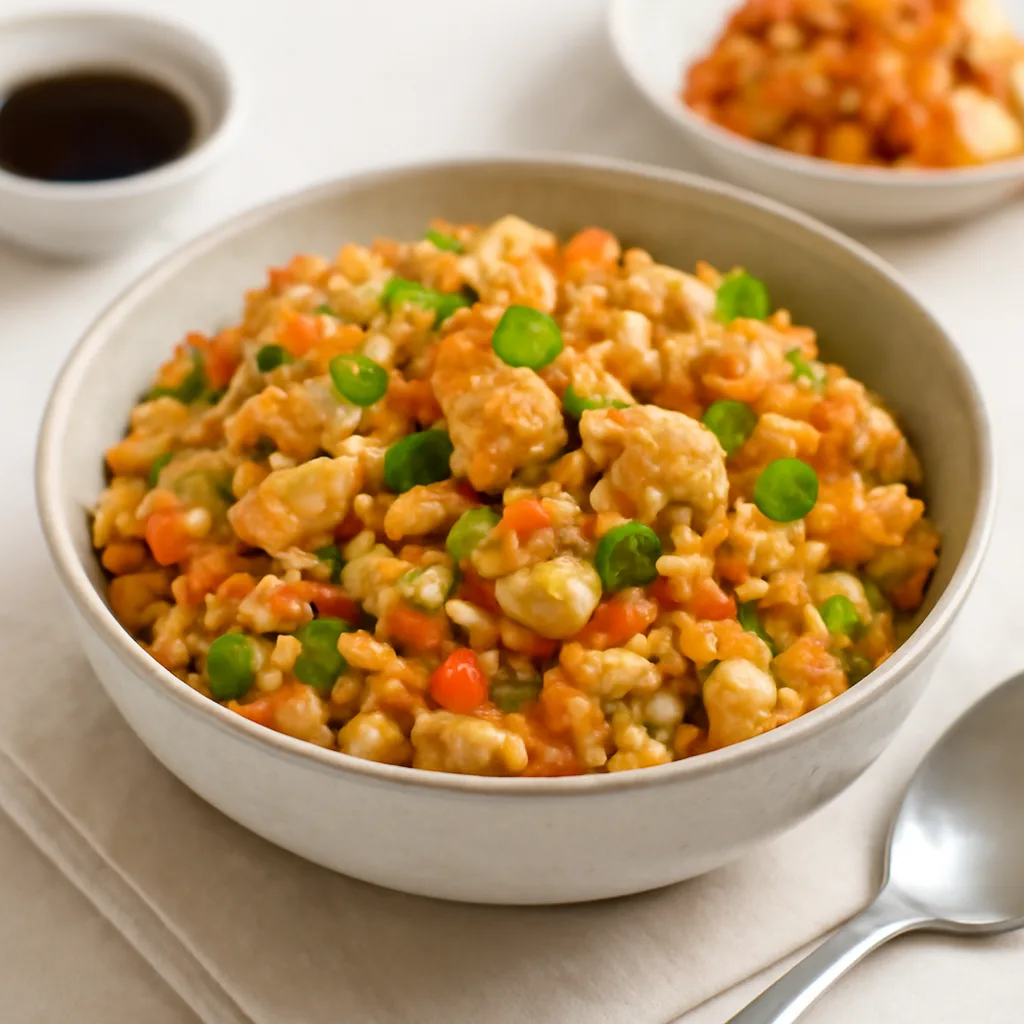
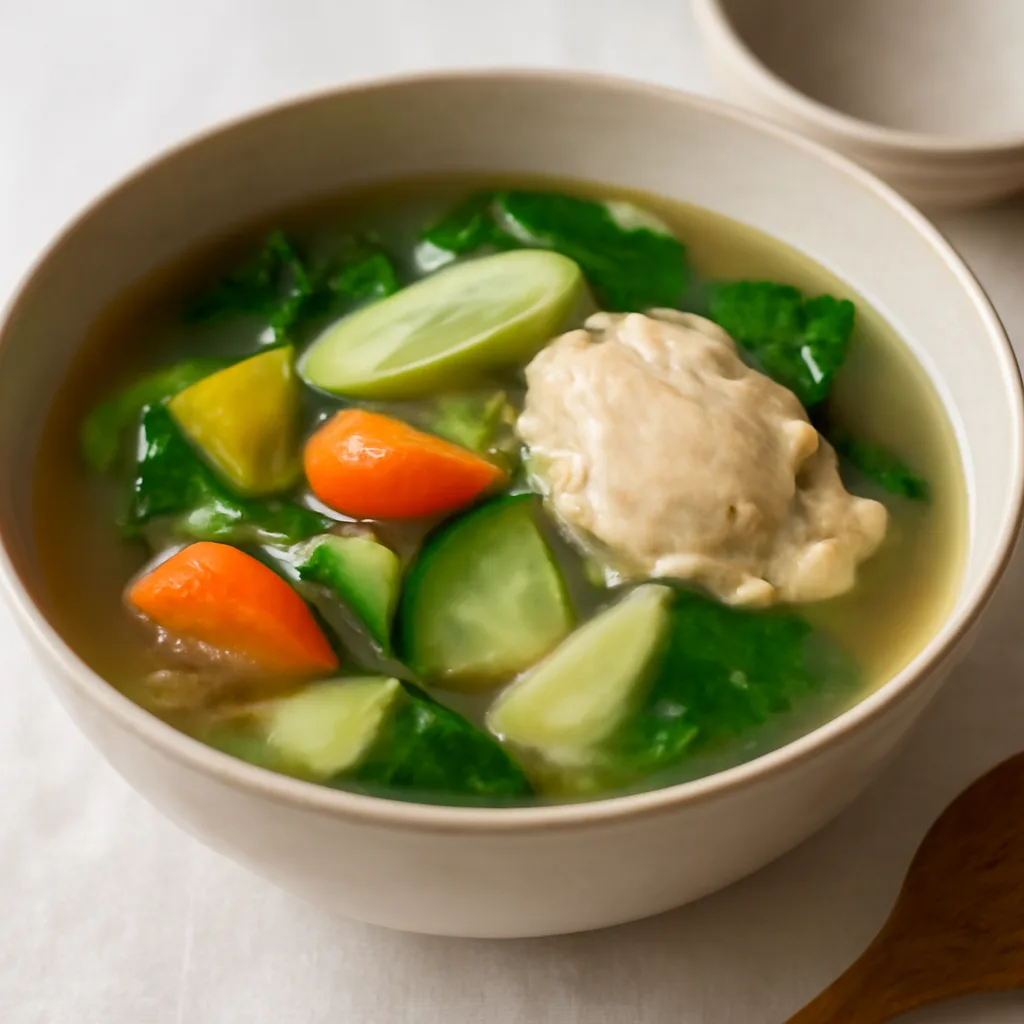
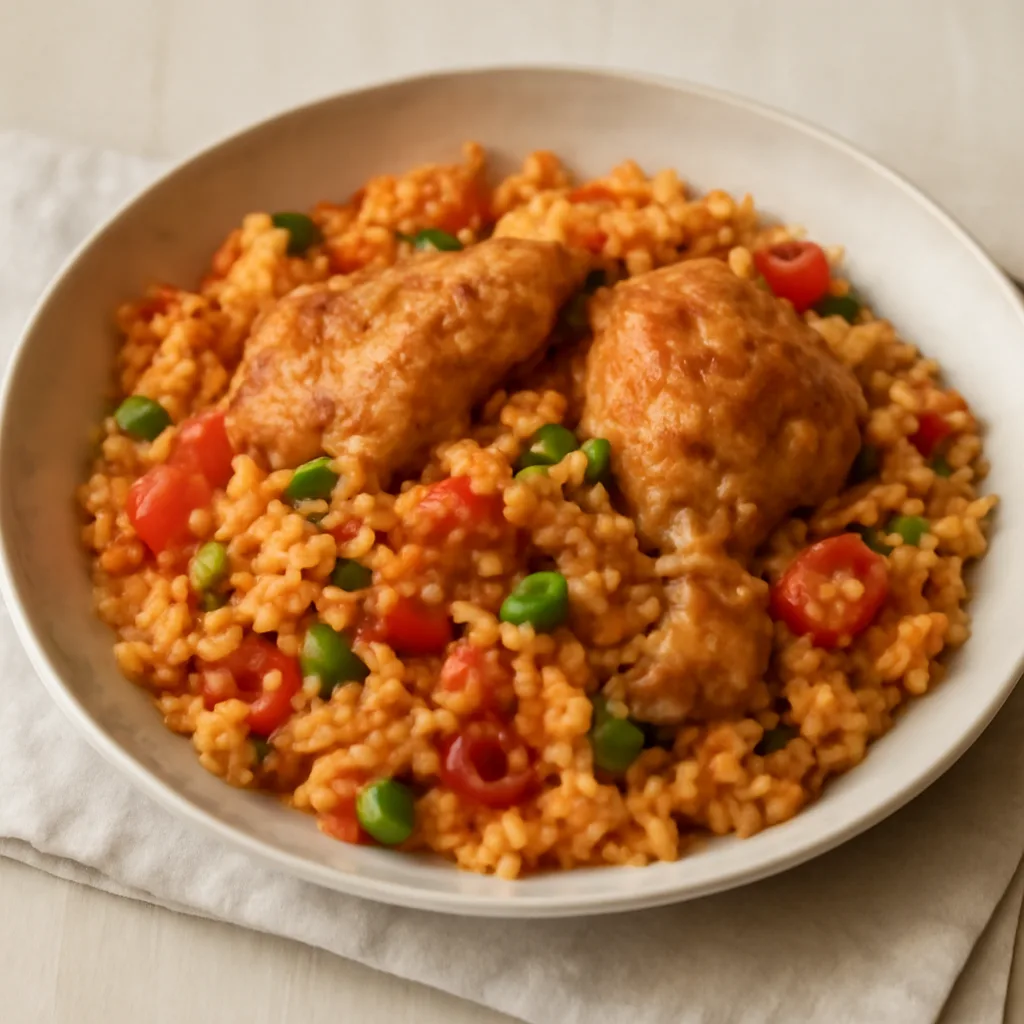
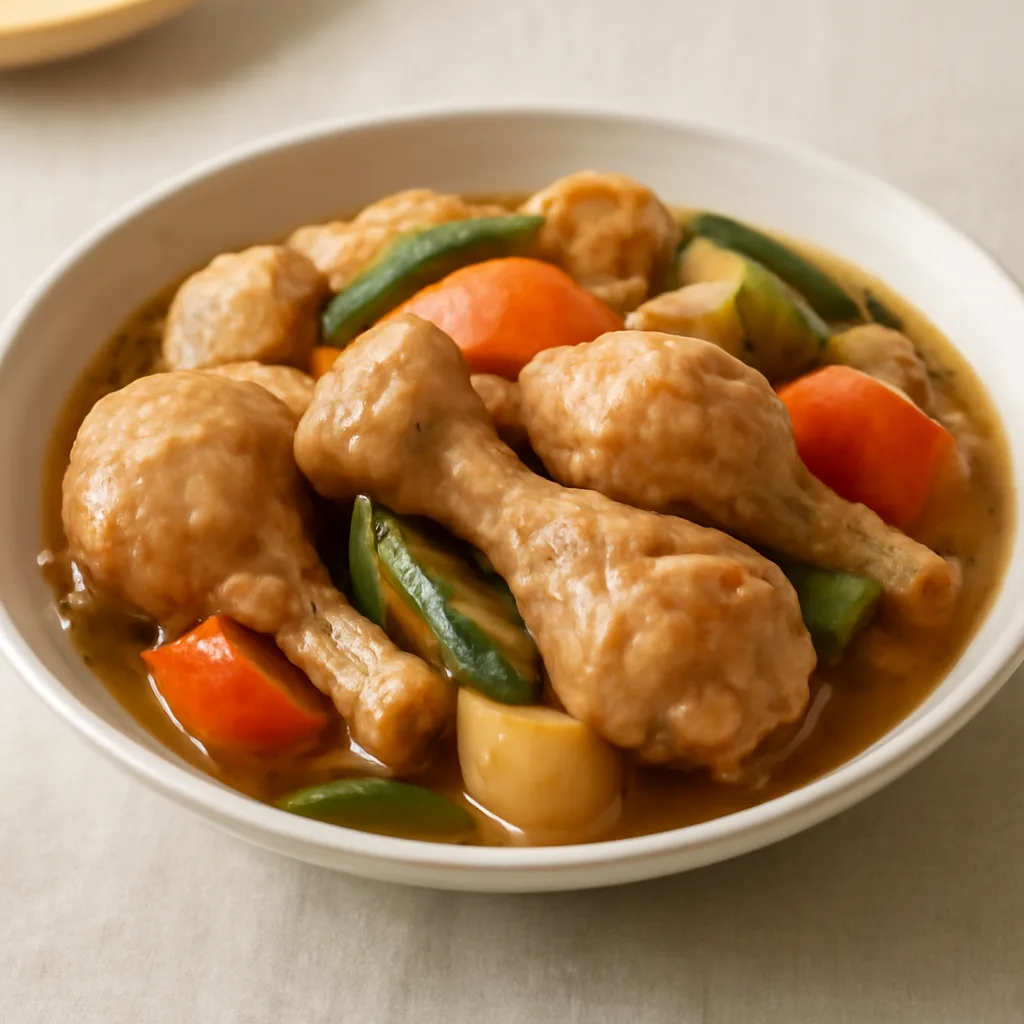
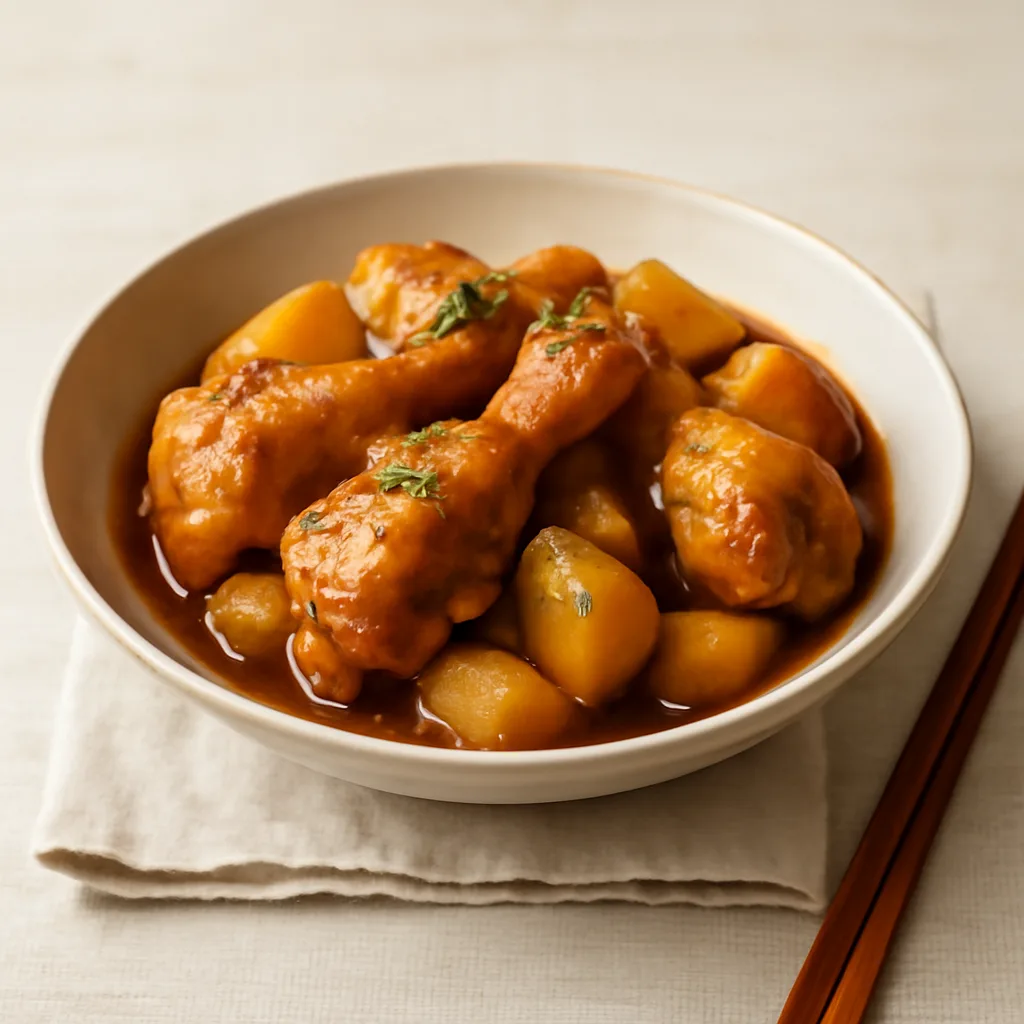
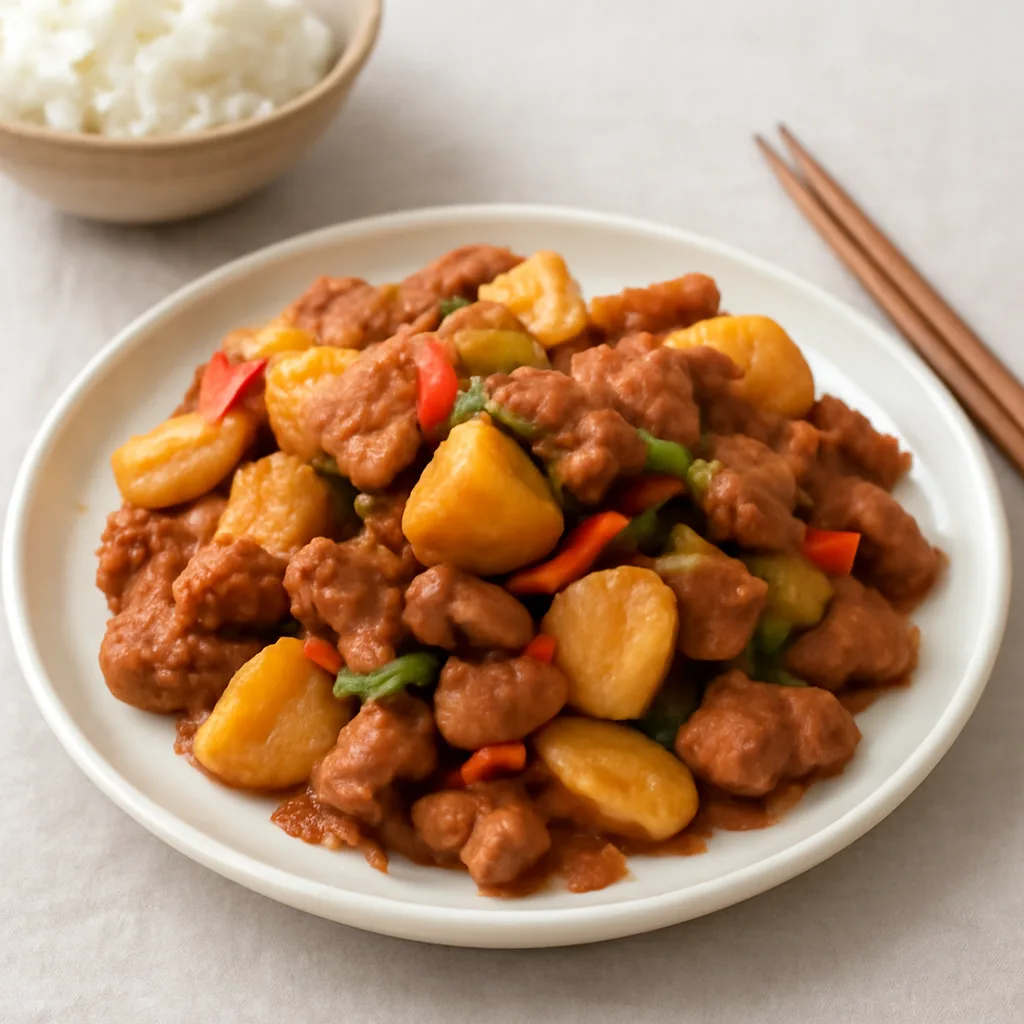
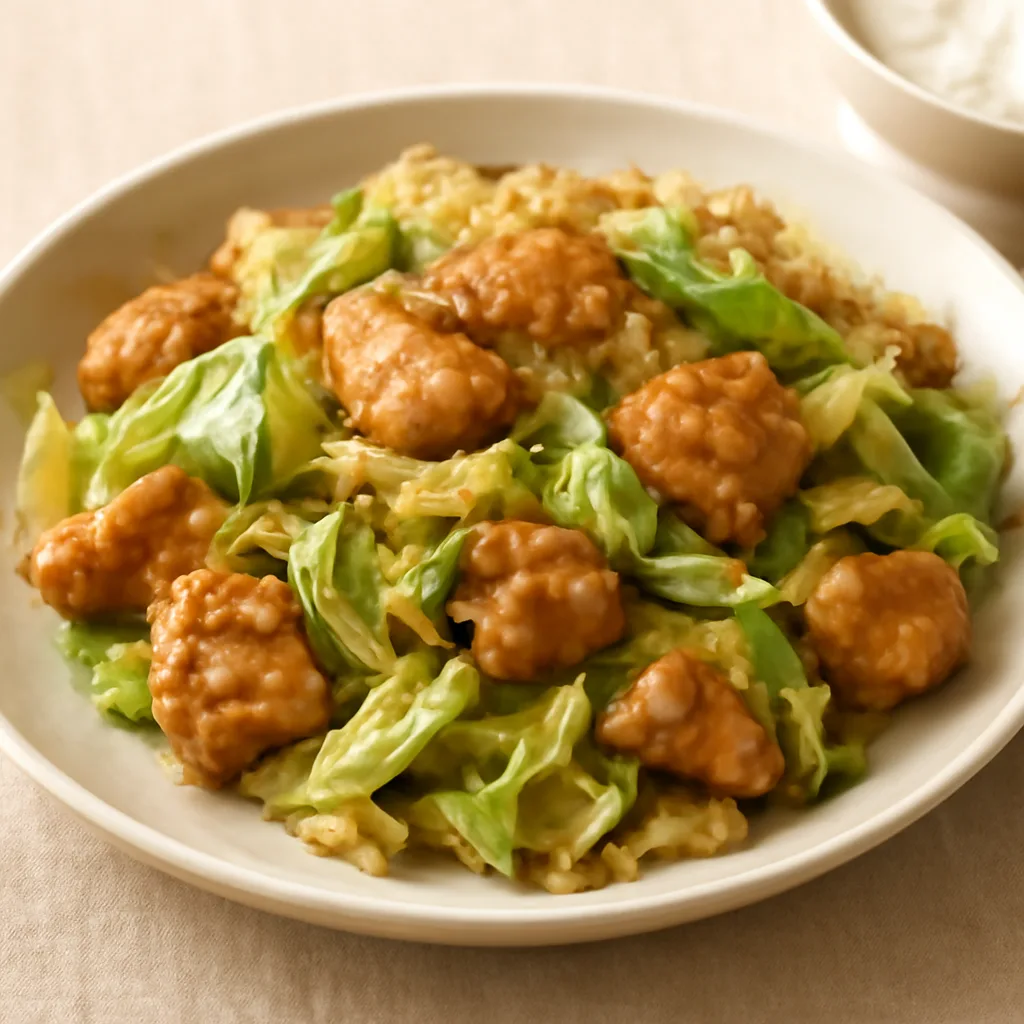
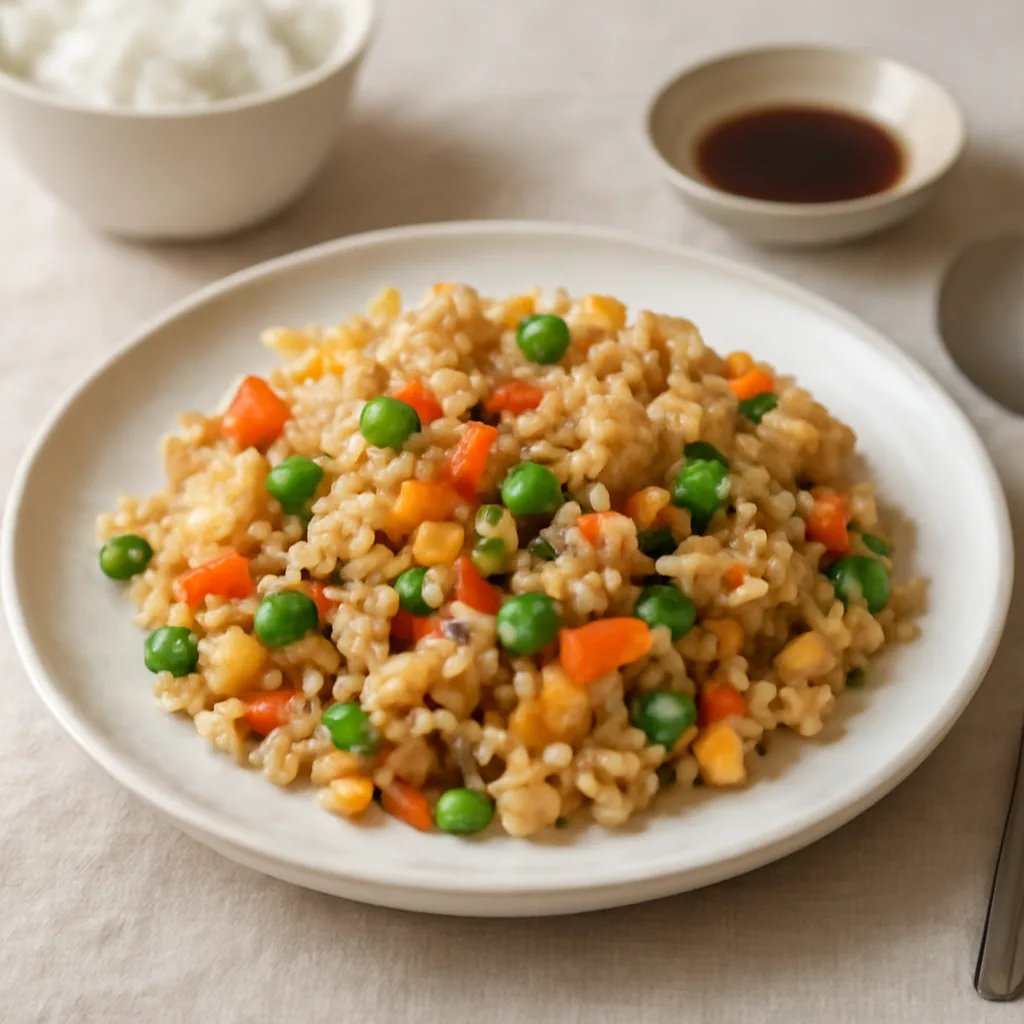
Here are the foods included in this theme, sorted by views from CookPagoda's public food.