Ingredient Encyclopedia
Check the characteristics of the ingredients and how to use them in cooking.
Potatoes
14
25
Potatoes are a starch-rich tuber vegetable used broadly from broth-based dishes to sautéing, braising, roasting, and mashing. They have a relatively neutral aroma, but during cooking they absorb the flavors of salt, oil, broth, and aromatics, forming a hearty base for a meal. Choosing the right potato depending on the use is important. Firm, smooth potatoes hold their shape well for frying or braising, while potatoes that boil soft and fall apart are suitable for mashed potatoes or soups. Do not use sprouted or broadly greened areas; trim only the small surface blemishes as needed.
Taste and Texture
Cooked potatoes have a subtly nutty, mild flavor, and their texture ranges from fluffy to soft and chewy depending on the variety and method. Boiled or steamed, they break down softly; when fried or roasted, the outside becomes crispy while the inside stays creamy. Potato starch thickens broths when released into the liquid. If you want a clear broth, avoid stirring for long periods or cutting potatoes too small, whereas for thick stews or soups this property is useful.
Main uses
- For soups and stews, cut into bite-sized pieces to absorb the broth flavor. When the edges start to become translucent and a fork can easily enter, they’re almost done; stirring too vigorously too early can cause the edges to crumble and make the broth cloudy.
- For braising or frying, cut into similar sizes and roll in oil briefly first to prevent surface from breaking apart when you add seasoning. Soy sauce or gochujang should be added after the potatoes are somewhat cooked to help reduce surface saltiness.
- Boiled potatoes can be mashed with butter, milk, or olive oil, or pureed into soups to add body. If you want a smooth texture, mash while very hot; if over-mashed and sticky, fold in a little liquid rather than overmixing to finish.
- When roasting or pan-frying, dry the surface moisture and spread with oil. If pieces are crowded, moisture won’t escape and you’ll get a steamed-like texture instead of a golden crust, so cook in batches.
Preparation tips
- Scrub soil off under running water, and if using the skin, clean the surface with a brush. The skin helps maintain texture and shape for roasting and boiling, but for very smooth mash or clear soups, peeling is more uniform.
- If you can’t cut the potatoes right away, soak in cold water to slow discoloration. However, soaking too long allows surface starch to leach out, reducing the desirable toasty surface for frying or roasting, so don’t soak more than needed.
- For crispiness or frying, dry the sliced potatoes very well after rinsing; if water droplets remain on the surface, the oil temperature will drop and moisture will evaporate first, so press dry with a paper towel before cooking.
- For braising, avoid cutting potatoes too small; if edges crumble as the sauce boils, next time cut pieces larger or stir less at the start.
Cooking characteristics
- As potatoes heat, their starch cooks and the firmness softens through to the center. If a knife tip can enter the center with little resistance, they are generally cooked, but braising can allow extra time for the seasoning to be absorbed.
- Boiling on high heat can cause the outer parts to soften first; uneven piece sizes cause smaller pieces to break first, so cut roughly uniform pieces and once boiling, avoid vigorous stirring.
- High heat and oil brown the surface, adding savory roasty flavors and crispness. If you add many potatoes before the pan is hot enough, moisture will escape and they will steam or become soggy, so don’t turn them frequently at first until the surfaces are browned.
Good combinations
- Butter, olive oil, and fats like cream make the potato’s mild flavor gentle and rich. For a lighter side dish, adding bright aromatics like parsley, chives, or pepper helps define the flavor center.
- Onions, garlic, and scallions together enhance sweetness and aroma of potatoes. However, garlic can burn faster than potatoes, so add it after the potatoes have some color when pan-searing.
- Salty seasonings like soy sauce, miso, or gochujang pair well with braising and stews, while tomato or vinegar adds brightness. In strongly acidic sauces, potatoes may not finish cooking quickly enough if cooked too long; consider partially cooking the potatoes first and then finishing with the sauce.
Points to consider when substituting
- If you need to maintain shape in braising or frying, you can use sweet potatoes or firm squash, but their sweetness and cooking speed differ, so adjust sweetness and cooking time accordingly.
- For soups or mashes, alternatives include cauliflower, white beans, or pumpkin. Cauliflower yields a lighter, more watery texture; white beans impart a bean flavor distinct from potatoes and won’t exactly replicate the same result.
- As a crispy potato substitute, you can roast sweet potatoes or root vegetables, but they may not deliver the same mild and fluffy interior as potatoes. Choose substitutes based on whether the dish relies on the potato for broth thickness and fullness or simply as a side.
Ingredients commonly used together in actual dishes
Aggregated based on the co-occurrence count of representative ingredients in public dishes registered in CookPagoda.
Dishes that use this ingredient
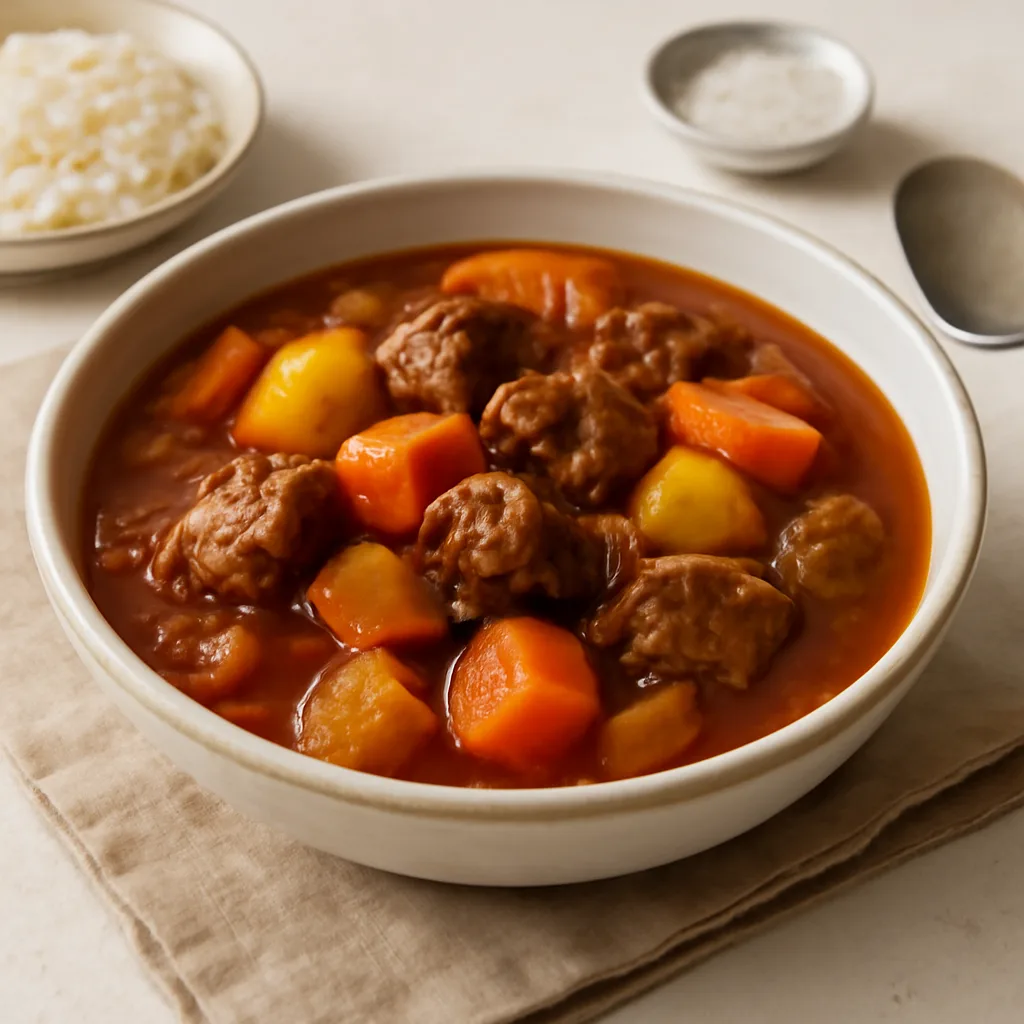
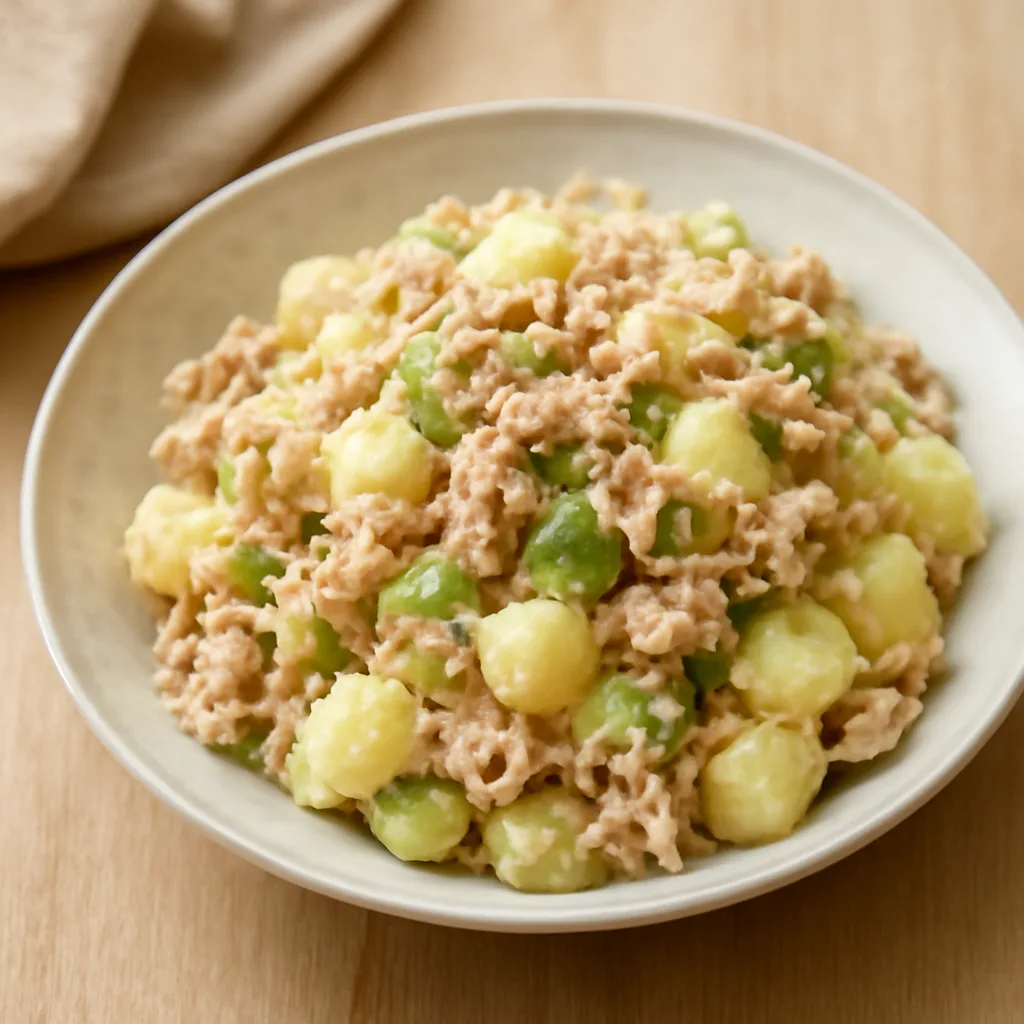
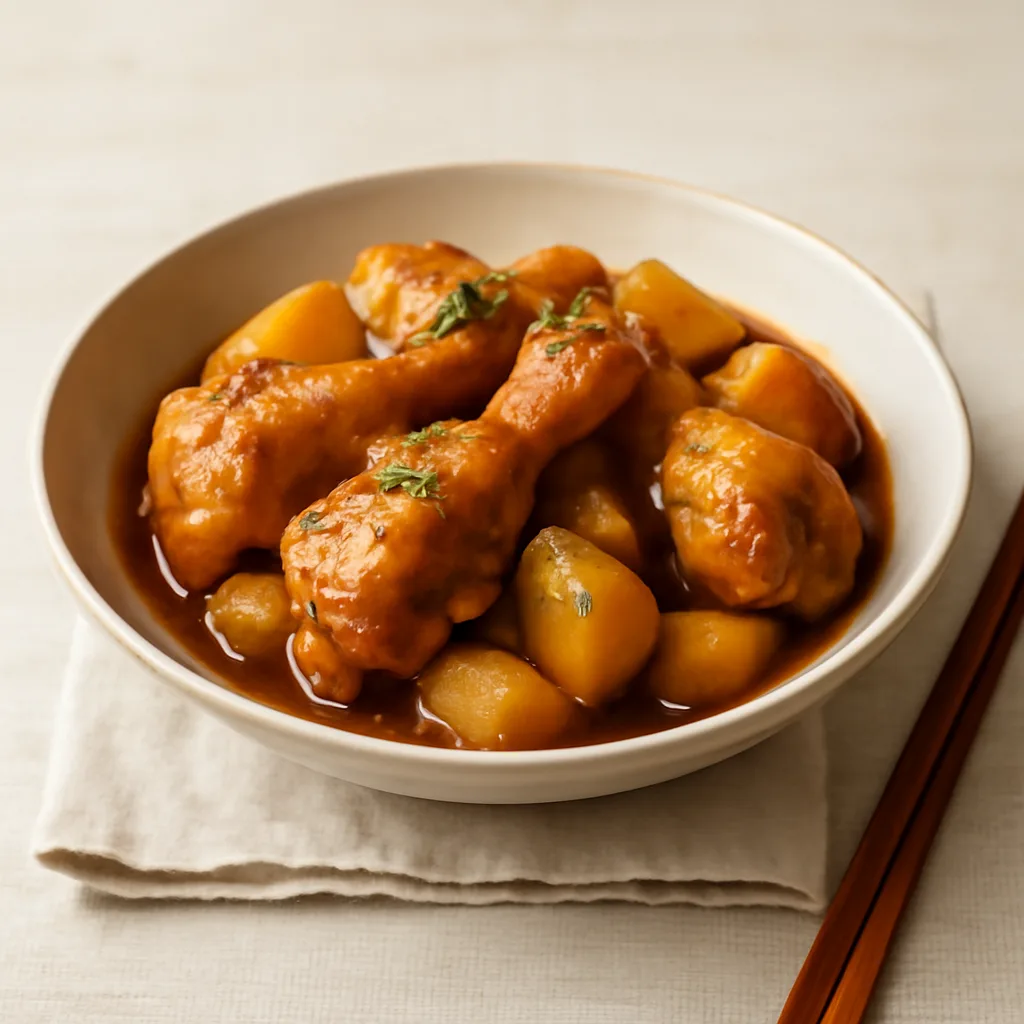
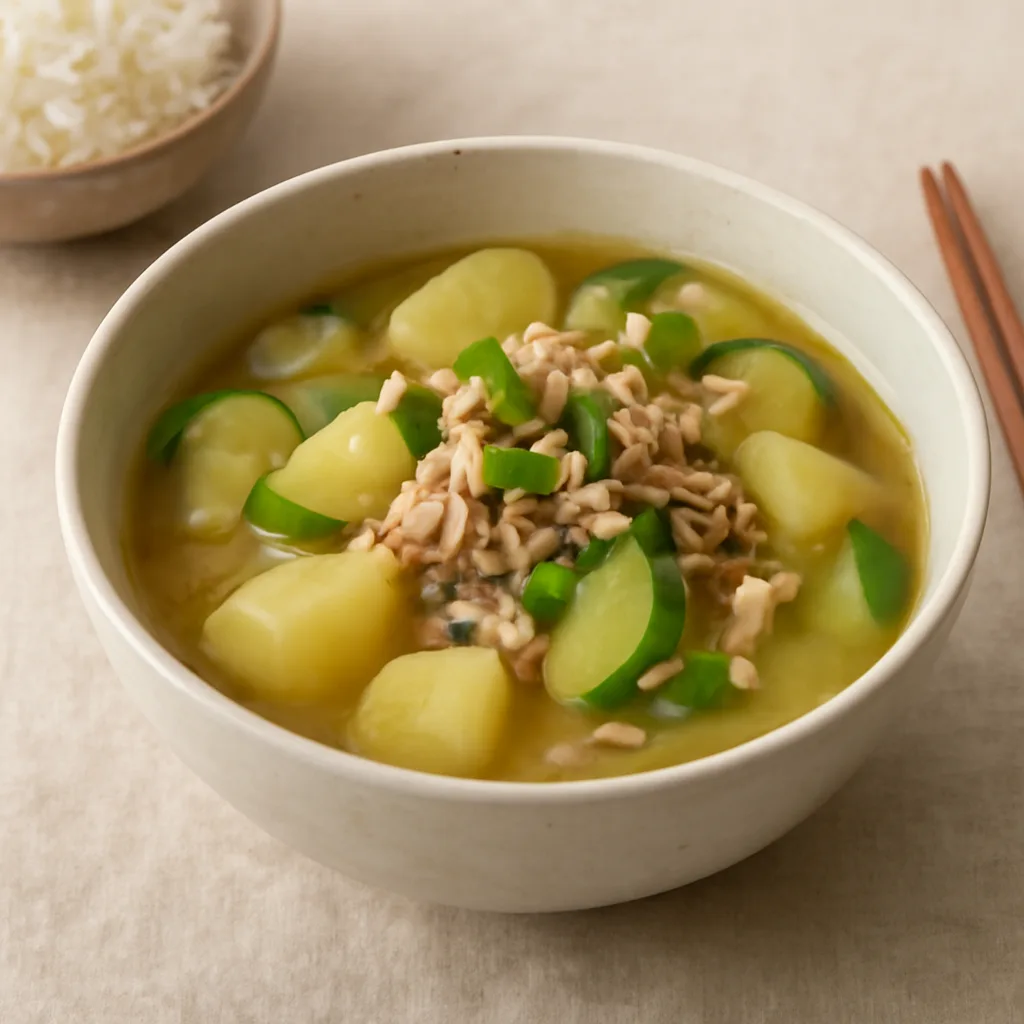
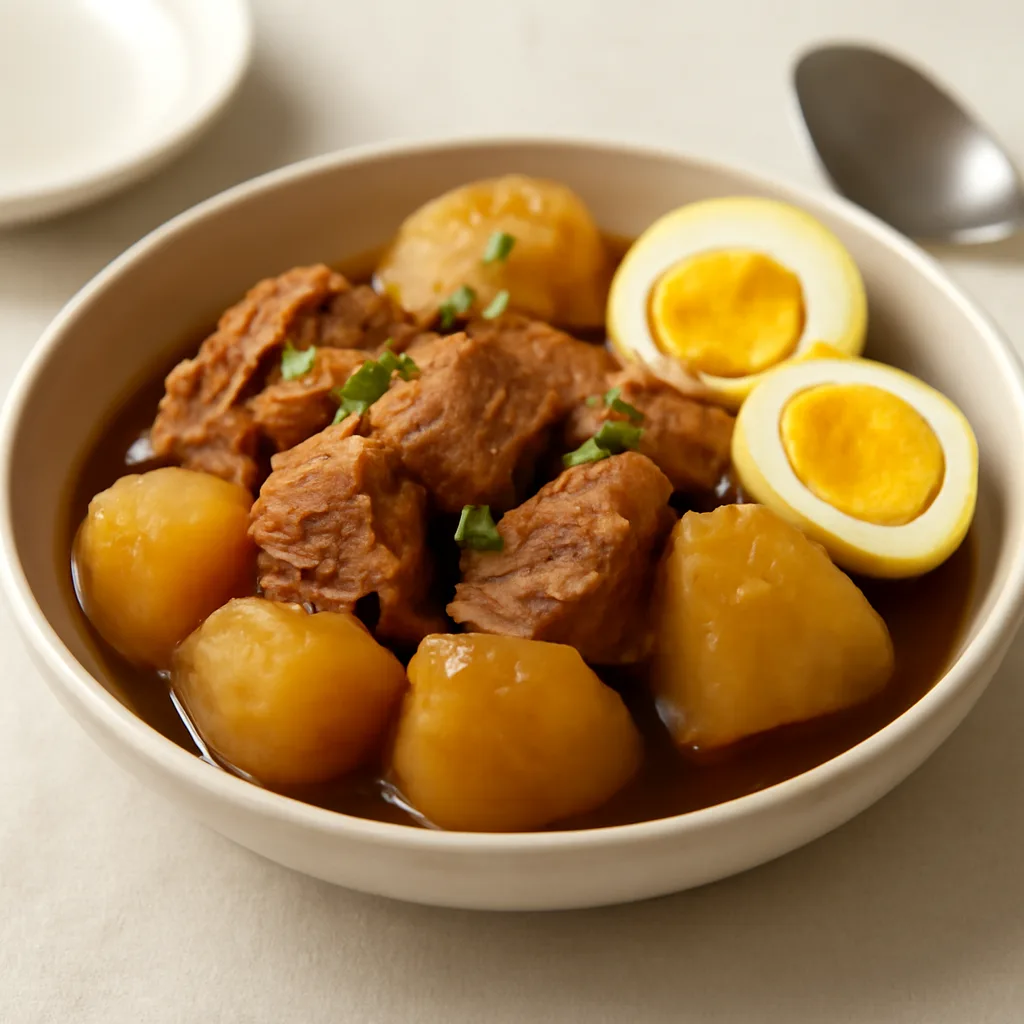
Shows dishes where this ingredient is a representative ingredient, sorted by view count.