Ingredient Encyclopedia
Check the characteristics of the ingredients and how to use them in cooking.
Herbs
3
6
Herbs are a broad term for plant ingredients with a strong aroma such as leaves, stems, and flowers. Since varieties like basil, parsley, dill, rosemary, and thyme differ greatly in aroma direction and reaction to heat, it’s best to check the specific type when a recipe calls for “herbs.” In cooking, they add freshness to sauces and salads, clarify the aroma of meat, fish, and vegetables, and layer scent in broths, stews, and roasted dishes. Delicate leafy herbs are usually added at the end to preserve their fresh scent, while sturdy herbs with hard leaves or woody stems are added earlier to extract more aroma. Using too much of one herb can overwhelm the dish. Start with finely chopped herbs in small amounts, taste, and only add more gradually if the food still tastes flat.
Taste and Texture
Herb flavors range from herbaceous and citrusy freshness to sweet aroma, resin-like pine notes, earthy scents, and a light bitterness. Soft herbs like parsley, chives, and basil give bright, immediate aromas, while rosemary, sage, and thyme yield heavier, longer-lasting scents. Fresh herbs have tender leaves and moisture, but prolonged heating can dull color and bring out grassy or bitter flavors. Dried herbs have little texture but concentrated aroma, so they can be stronger than fresh herbs by equal volume.
Main uses
- Chopped fresh herbs sprinkled at the end add aroma and color to salads, grain dishes, eggs, pasta, and roasted vegetables.
- Hardy herbs like thyme, rosemary, and bay laurel are simmered in soups, stews, tomato sauces, and braising liquids to slowly draw out flavor.
- When mixed into butter, olive oil, yogurt, or vinegar, herbs create simple sauces to accompany meat, fish, or vegetables.
- Herb seasonings for roasting are fine with garlic, pepper, and oil, but delicate leafy herbs like basil or cilantro lose their advantages if left in direct heat for too long.
Preparation tips
- Wash fresh herbs under running water right before use and dry thoroughly. Water droplets between leaves can thin dressings or oils.
- Tough stems of rosemary or thyme can be stripped, and you may add the whole stem to extract aroma before discarding. Conversely, finely chop soft stems from parsley and cilantro to use with the leaves.
- Chopping too long can bruise delicate herbs, dulling color and flavor. Gather leaves and chop quickly with a knife or scissors, preparing only what you need at the end.
- Dried herbs crumble easily between fingers to release aroma. If they are very old and have little scent, use more fresh herbs instead.
Cooking characteristics
- Delicate fresh herbs lose volatile aroma when heated for long. If you want a bright green finish, turn off the heat and stir in at the end, or split into additions during cooking only if the sauce needs more fragrance.
- Sturdy herbs release aroma more slowly in oil or moisture. When sautéing with oil on low heat or adding to a broth, manage so they don’t burn; if leaves darken and emit bitter smell, start over with new oil or herbs.
- Dried herbs should be added early to absorb moisture. Adding them at the end can give a powdery texture, so fresh herbs are more suitable for finishing aromas.
Good combinations
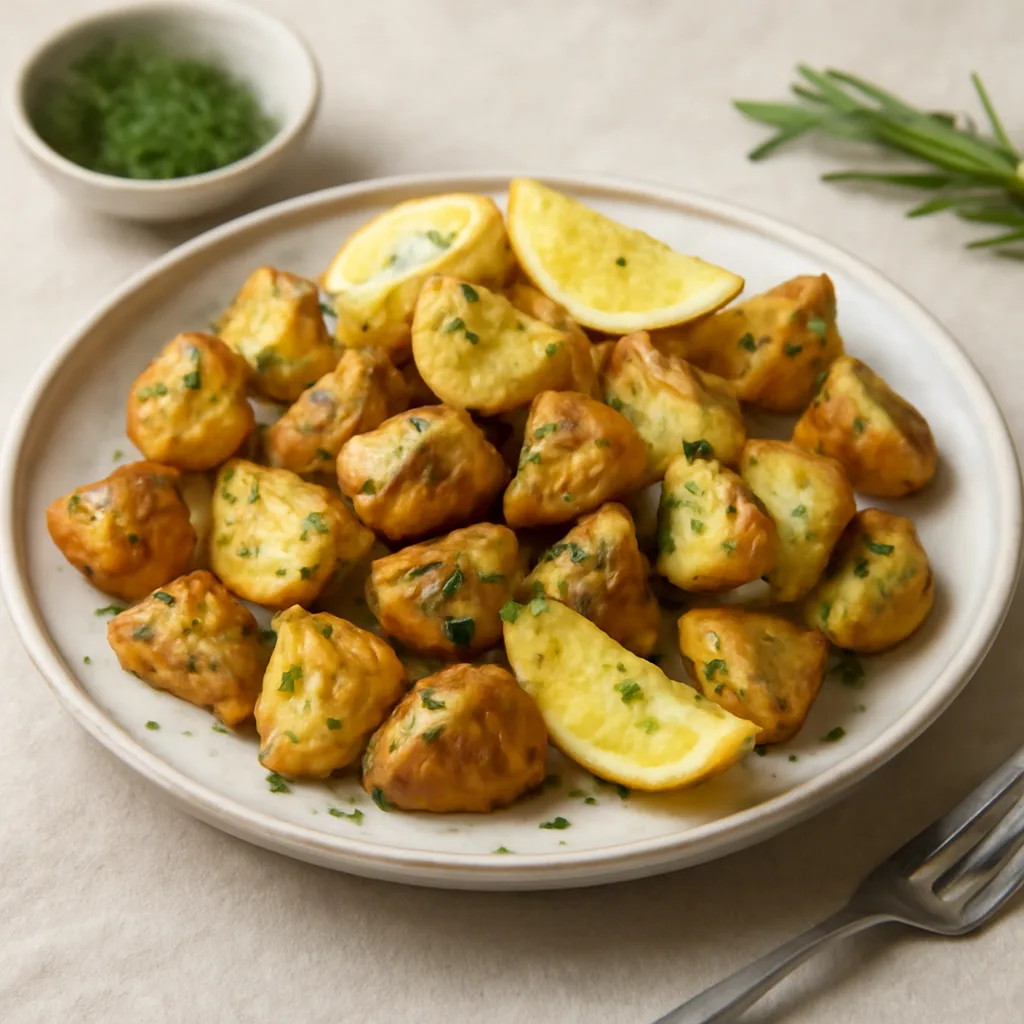
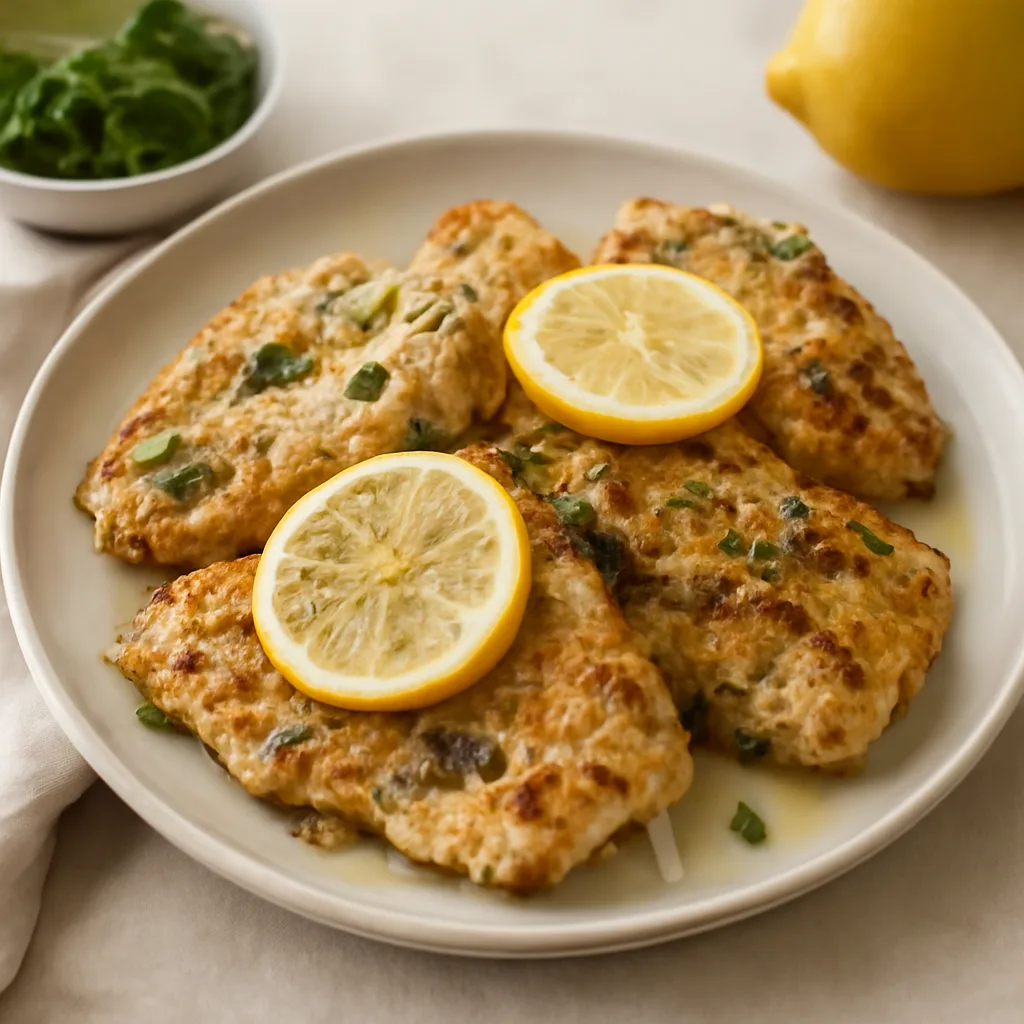
- Acidic elements like lemon, lime, or vinegar pair well with bright herbs such as parsley, dill, basil, and cilantro, subtly shaping the flavors of fish, seafood, and salads.
- Garlic, olive oil, and butter form a good base for infusing many herbs throughout the dish, but if garlic browns strongly it can mute delicate herb aromas, so add herbs at the end in such cases.
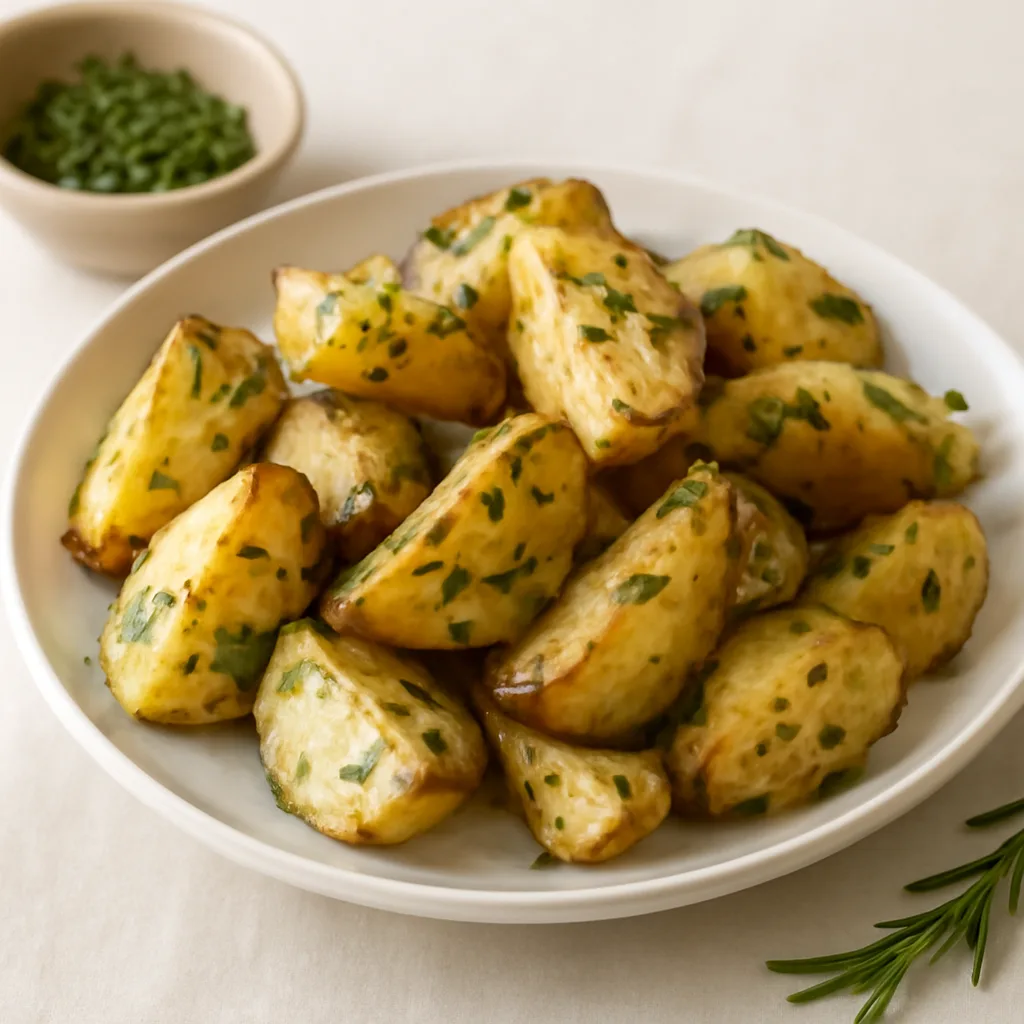
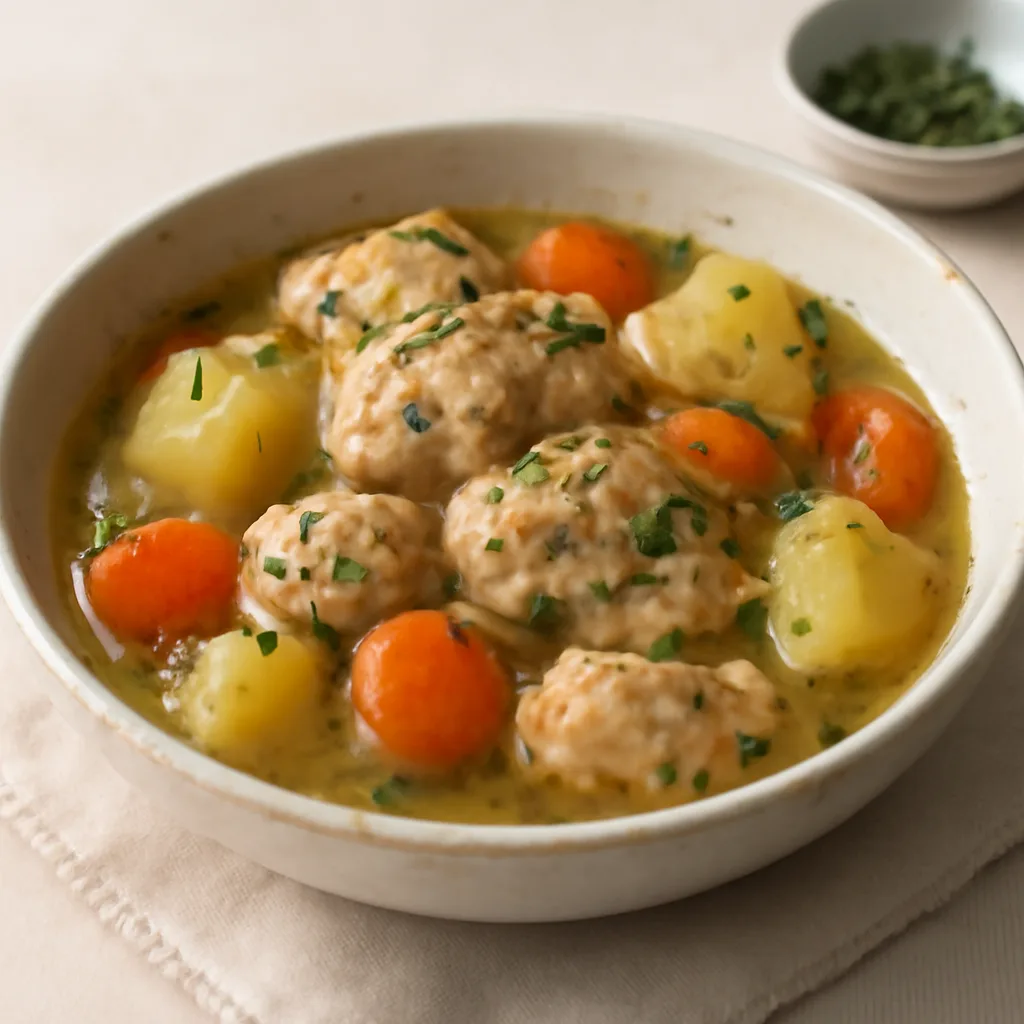
- Hearty herbs like rosemary, thyme, and sage pair well with potato, mushroom, legume, and roasted meats with strong flavors.
- When mixing several herbs, it’s better to have one strong herb as the center; using equal amounts of all can blur all aromas into a generic herbal note.
Points to consider when substituting
- If the recipe just says “herb,” substitutions depend on the dish direction. For bright salads or finishing touches, you can swap with soft fresh herbs like parsley, dill, or basil, though the aroma will differ.
- Thyme or rosemary-type herbs intended for long simmering or roasting can be partially replaced with stronger herbs like oregano, marjoram, or sage. Note that rosemary’s piney scent and sage’s strong aroma may not be perfectly replicated.
- When substituting dried herbs for fresh, start with small amounts and add early in cooking. Conversely, if using fresh herbs instead of dried, flavors may be weaker, so increase the amount and adjust timing according to whether you aim to finish with aroma or extract aroma.
Ingredients commonly used together in actual dishes
Aggregated based on the co-occurrence count of representative ingredients in public dishes registered in CookPagoda.
Dishes that use this ingredient
Shows dishes where this ingredient is a representative ingredient, sorted by view count.