Ingredient Encyclopedia
Check the characteristics of the ingredients and how to use them in cooking.
Chicken
4
6
Chicken varies by part in fat and grain, so even the same ingredient can yield very different results depending on the cooking method chosen. Breast meat is mild and relatively firm, well-suited for stir-fries, salads, and shredded soups; thigh and leg meat have more fat and connective tissue, making them good for grilled, braised, or curry dishes that require moisture. Chicken can be seasoned with salt alone for a base flavor, but aromatics like garlic, ginger, scallions, soy sauce, gochujang, and pepper pair naturally. For rich flavor, use bones in the broth; for quick-cooking dishes, removing bone and skin makes the meat easier to handle. The key is not to overcook according to the cut and size. When you cut into the thickest part, if the inside turns opaque white or light brown with no red tinge, you can move to the next step. If it becomes tough and dry from overcooking, it’s better to finish with sauce or broth.
Taste and Texture
Chicken is relatively mild and delicate in flavor; the presence or absence of skin and bones changes the nuttiness and savoriness you perceive. Breast meat is firm and fibrous, while thigh meat tends to be softer and more juicy in texture. Skin can render fat and become crispy when grilled or fried, but on a very wet pan or low heat it can stay tough and damp. If crispy skin isn’t the goal, remove the skin or use it in braises or broth-based dishes.
Main uses
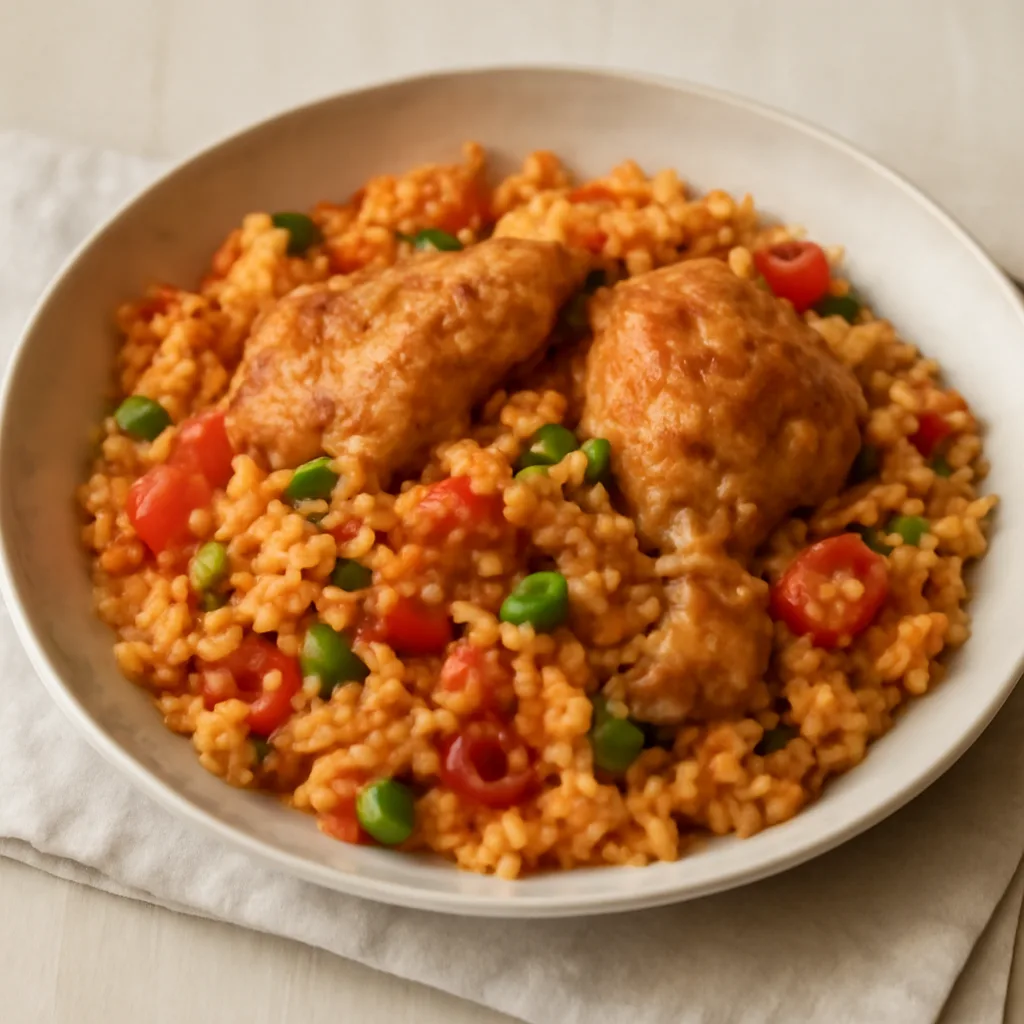
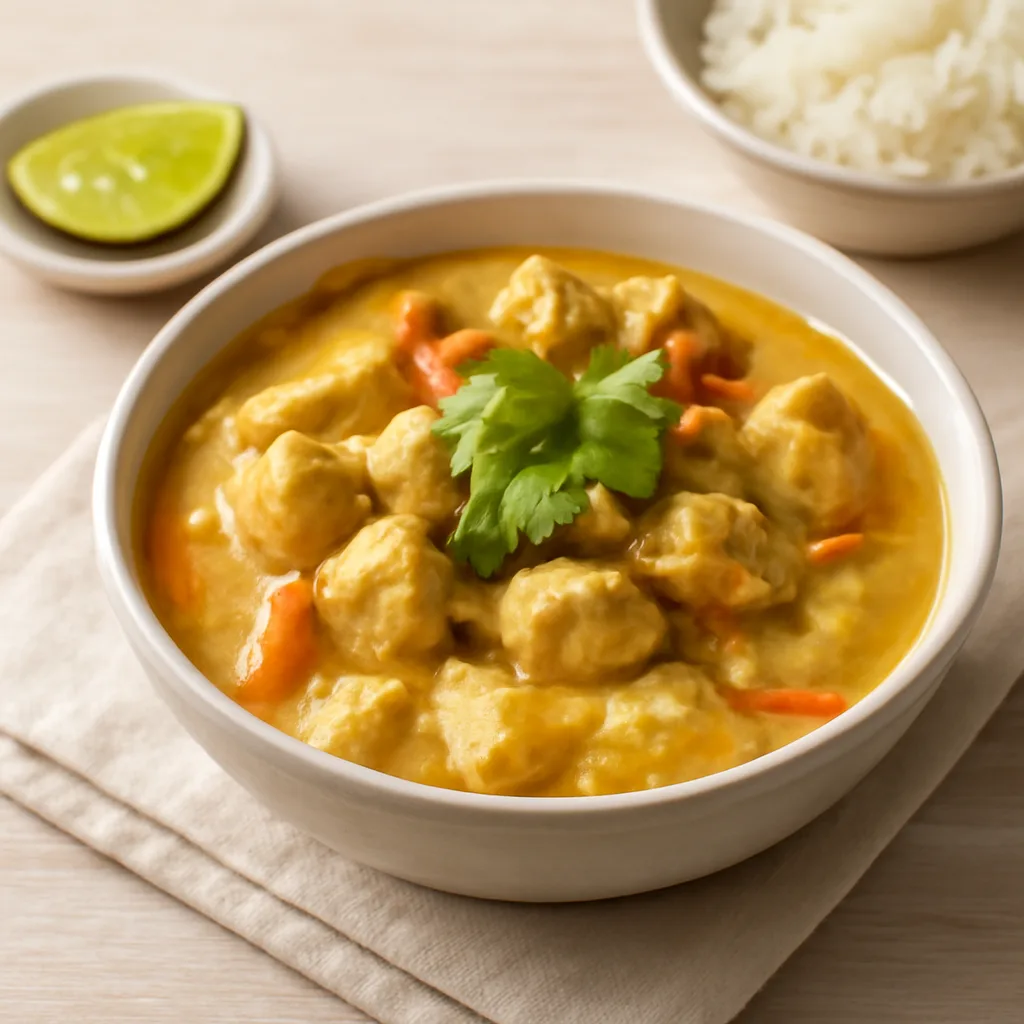
- Cut bite-sized chicken is great as a protein for fried rice, vegetable stir-fries, curry, and bowls. For quick-stir-fry dishes, thinly sliced breast meat or trimmed thigh meat helps ensure even doneness.
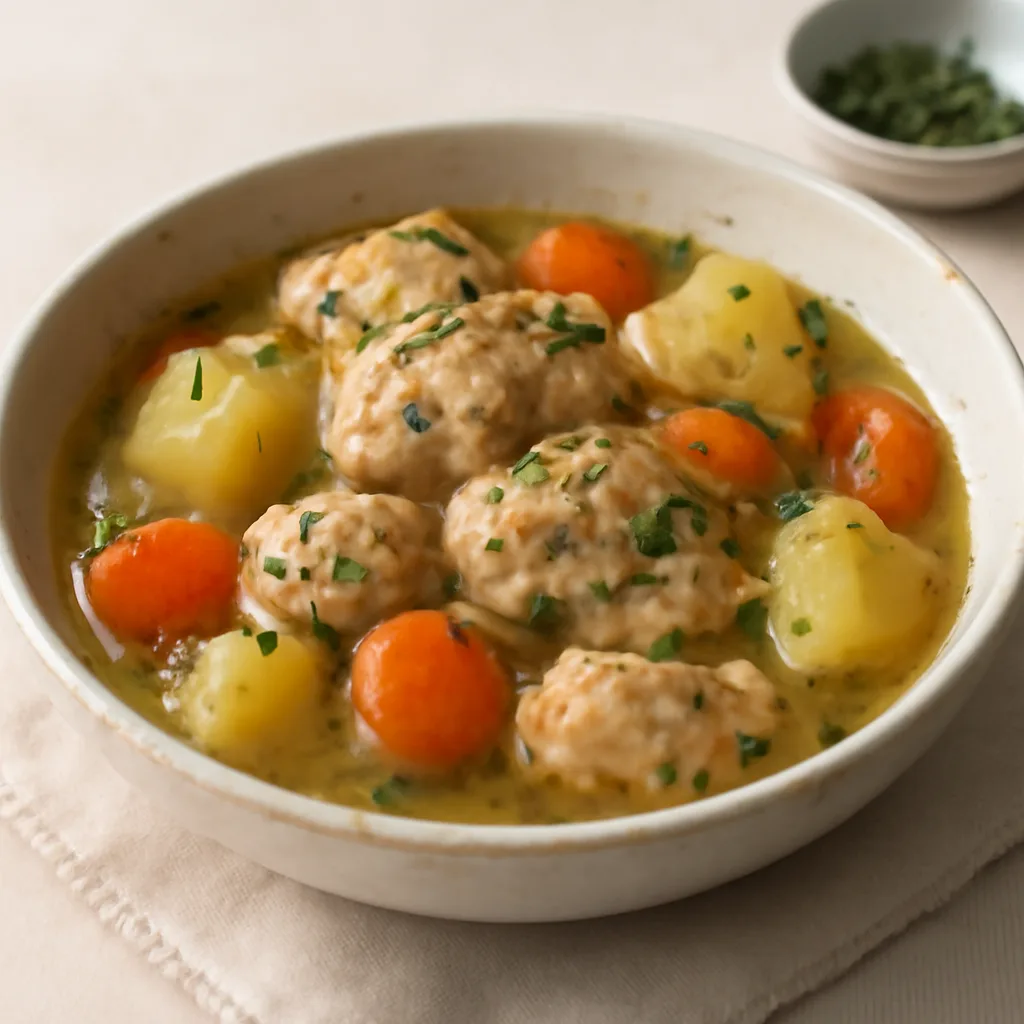
- Bone-in chicken is used to boil or simmer to form the base of soups, porridge, or stews. If you’re concerned about cloudiness in the broth, skim the foam that forms after the initial boil, and keep a gentle simmer rather than a rolling boil.
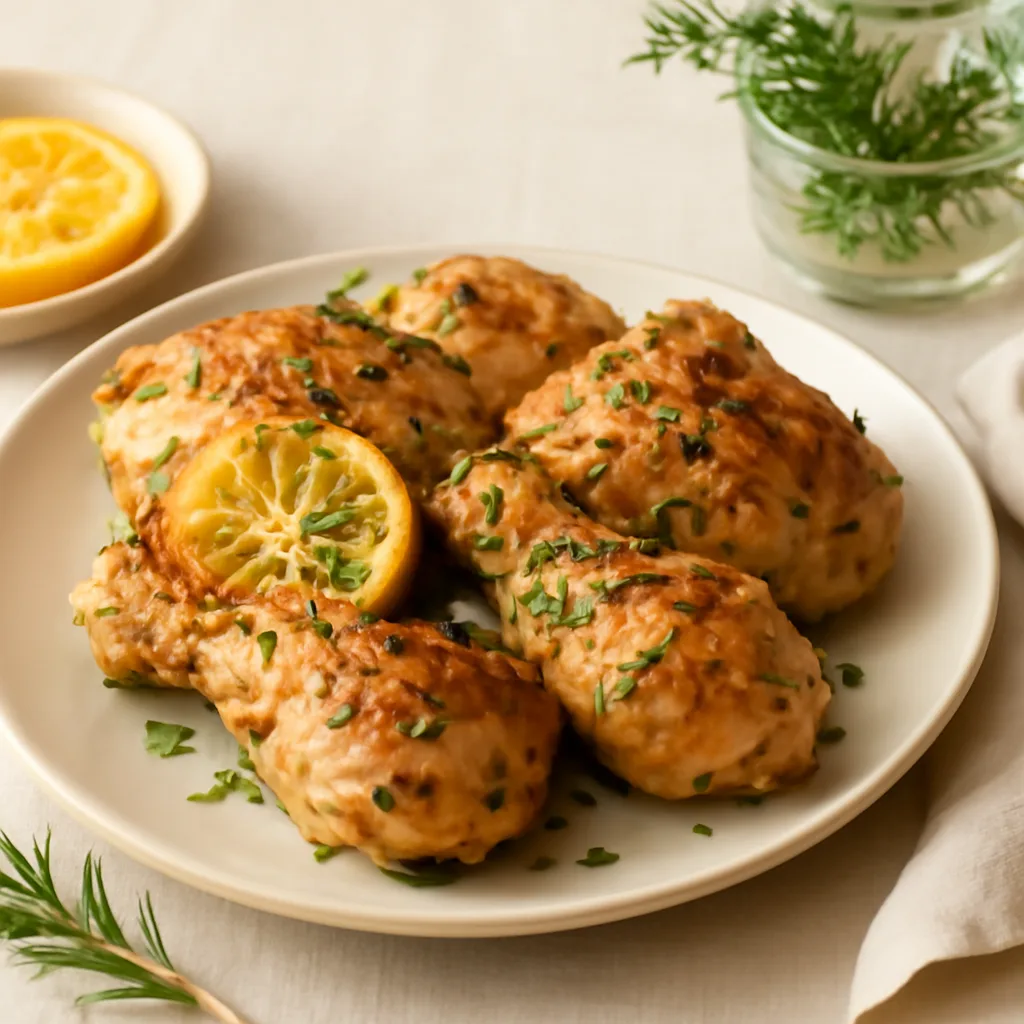
- Marinated chicken can be baked or pan-seared, or braised in soy sauce or gochujang to make side dishes. Since sugary marinades color the surface quickly, reduce heat or add the rest of the marinade at the end when the color deepens.
- Boiled chicken is best flaked along the grain for cold cuts, salads, bibimbap, or porridge. If it’s still hot and hard to shred, let it rest briefly to cool to a workable temperature before handling.
Preparation tips
- Before cooking, make the piece thickness as uniform as possible. If thin and thick pieces are mixed, the thin parts will dry out first, so scoring or cooking the thick parts separately is advisable.
- If the surface is very wet, it will release water rather than brown when grilling or pan-frying. For grilled purpose, pat surface dry with a paper towel and place in a preheated pan.
- Salt seasoning can be done just before cooking, but for thick cuts, salting ahead helps flavor penetrate more evenly. If using salty sauces like soy sauce or salted pastes, reduce the salt to balance saltiness.
- If you plan to shred the breast meat, it’s better to cook it in larger pieces and shred along the grain rather than cutting into very small pieces. Conversely, for stir-fries, cut into uniform pieces from the start to cook with vegetables.
Cooking characteristics
- As it heats, chicken proteins coagulate, turning opaque and releasing juices. If the surface is already firm but the inside is undercooked, lower the heat and cover briefly to let heat reach the center.
- When pan-searing, turning too soon can prevent proper browning. When one side releases easily from the pan and looks golden, flip; if the sauce is rich, adjust the heat to avoid burning.
- Cuts with connective tissue like thigh meat become more tender with some braising or steaming time. On the other hand, boiling breast meat for a long time can make it tough and dry, so breast is better off removed as soon as cooked.
- Boiling chicken for too long can make the broth richer but the meat crumbly. To preserve meat texture, remove the chicken first and add it back just before serving.
Good combinations
- Garlic, ginger, scallions, and onions enhance the chicken’s mild flavor and pair especially well with low-fat cooking methods like boiling or steaming.
- For salty sauces like soy, miso, or gochujang, add small amounts of sugar, corn syrup, or fruit juice to soften edges. If sweetness is strong, it deepens color during grilling, so the sweetness is better suited for braising or finishing sauces.
- Sturdy vegetables like potatoes, carrots, and onions complement braised chicken or curry. If vegetables are larger than the chicken and cook more slowly, pre-cook them or cut smaller to even out doneness.
- Acidic elements like lemon or vinegar lighten the richness of roasted chicken. Since prolonged marinating can alter surface texture, add acidity in sauces or at the finish.
Points to consider when substituting
- Chicken substitutions depend on the desired texture and cooking time. For quick stir-fries or bowls, thinly sliced pork or firmer tofu can be used, but it won’t reproduce the moist elasticity of chicken thigh exactly.
- For broth or braises, using pork ribs or beef shank instead of chicken bones will change the broth’s character and cooking time significantly. For dishes needing a lighter flavor like chicken, swapping in boneless chicken cuts is less disruptive.
- If breast meat feels too dry, swapping to thigh within the same chicken is the most direct option. Conversely, if fat skin or thigh meat is heavy for a stir-fry, use breast meat but cook briefly and finish with a sauce to add moisture.
- For salads or bibimbap with shredded chicken, cooked egg, tofu, or beans can be used. Since these don’t shred in the same way as chicken, add crunchy vegetables or nuts to provide contrasting texture.
Ingredients commonly used together in actual dishes
Aggregated based on the co-occurrence count of representative ingredients in public dishes registered in CookPagoda.
Dishes that use this ingredient
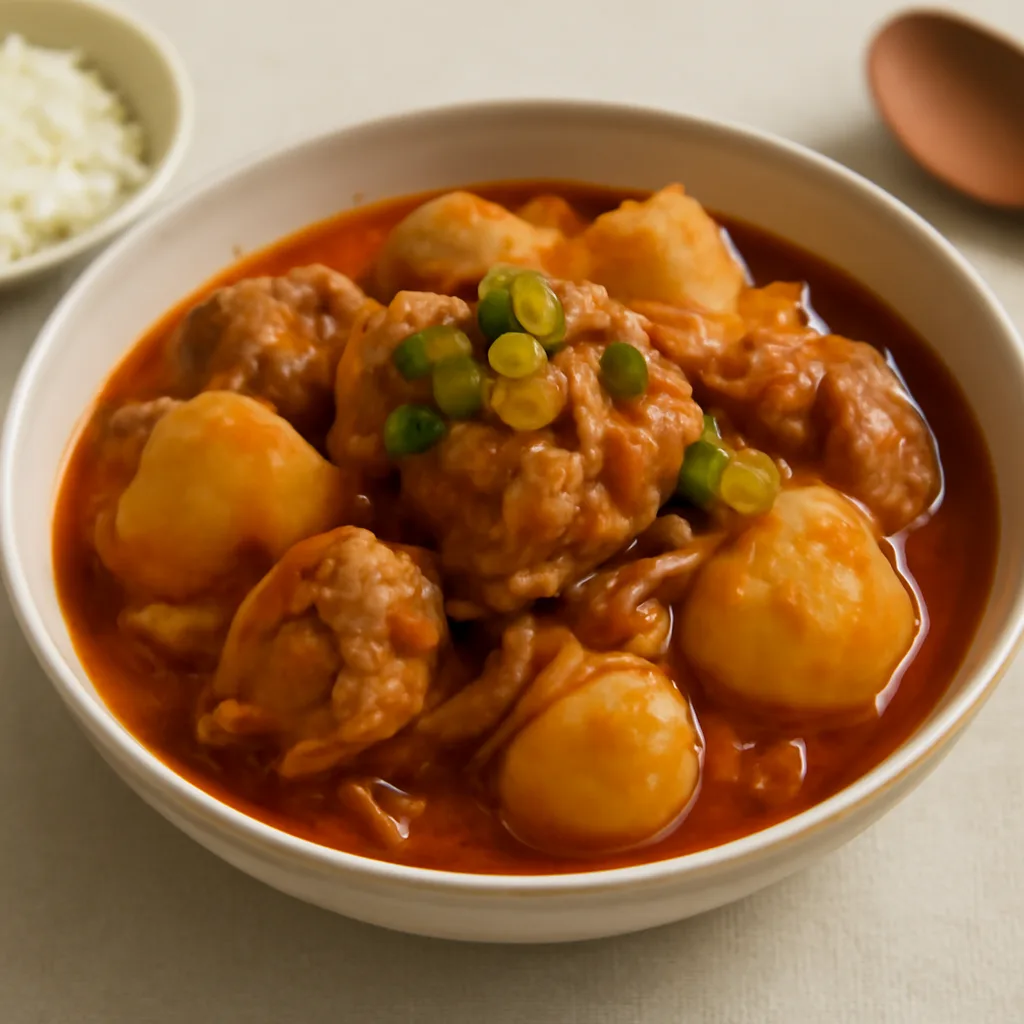
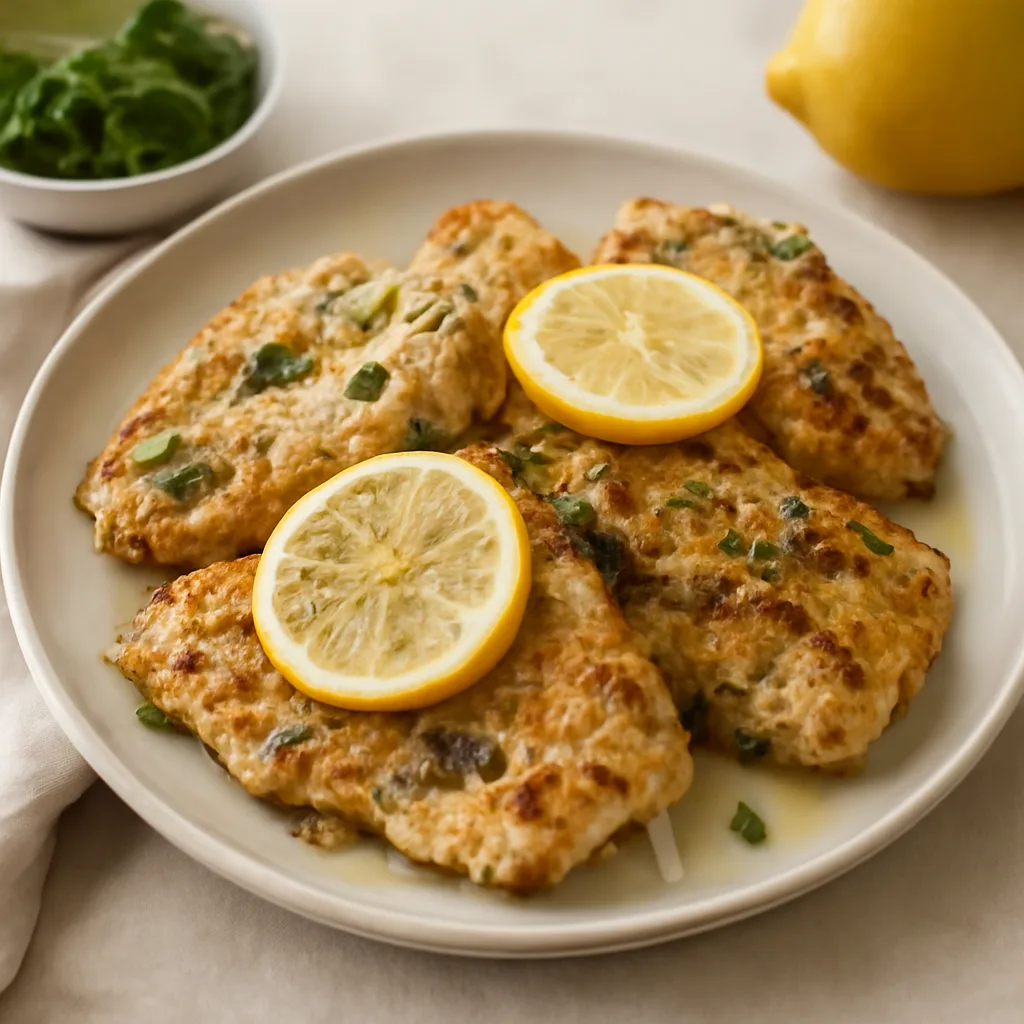
Shows dishes where this ingredient is a representative ingredient, sorted by view count.