Ingredient Encyclopedia
Check the characteristics of the ingredients and how to use them in cooking.
Peas
3
3
Peas are small, round kernels used to add color and a subtle sweetness to meals like rice, pasta, soups, and stir-fries. Fresh peas, frozen peas, and canned peas vary in moisture and doneness, so adjust cooking times accordingly. Briefly cooking preserves bright green color and a crisp texture, while longer simmering softens them into a puree-like, natural thickness for soups or stews. However, in recipes with strong spices or long sautéing, the delicate sweetness of peas can be overwhelmed, so when you want to highlight their presence, add them at the end of cooking. Peas also serve to bridge ingredients in dishes like creamy pasta, fried rice, risotto, curry, or vegetable soups. Whether to keep the kernels intact or mash them for texture determines when to add them and how long to heat them.
Taste and Texture
Peas have a mild, subtly sweet flavor with a gentle grassy note and a soft vegetable character. Fresh or briefly cooked frozen peas offer a more pronounced, refreshing taste. The kernels are inside a thin shell that becomes tender with proper cooking, yet a slight resistance remains. Overheating can break the kernels easily and reduce the textural contrast between the shell and the inside, making them easy to blend into sauces or soups.
Main uses
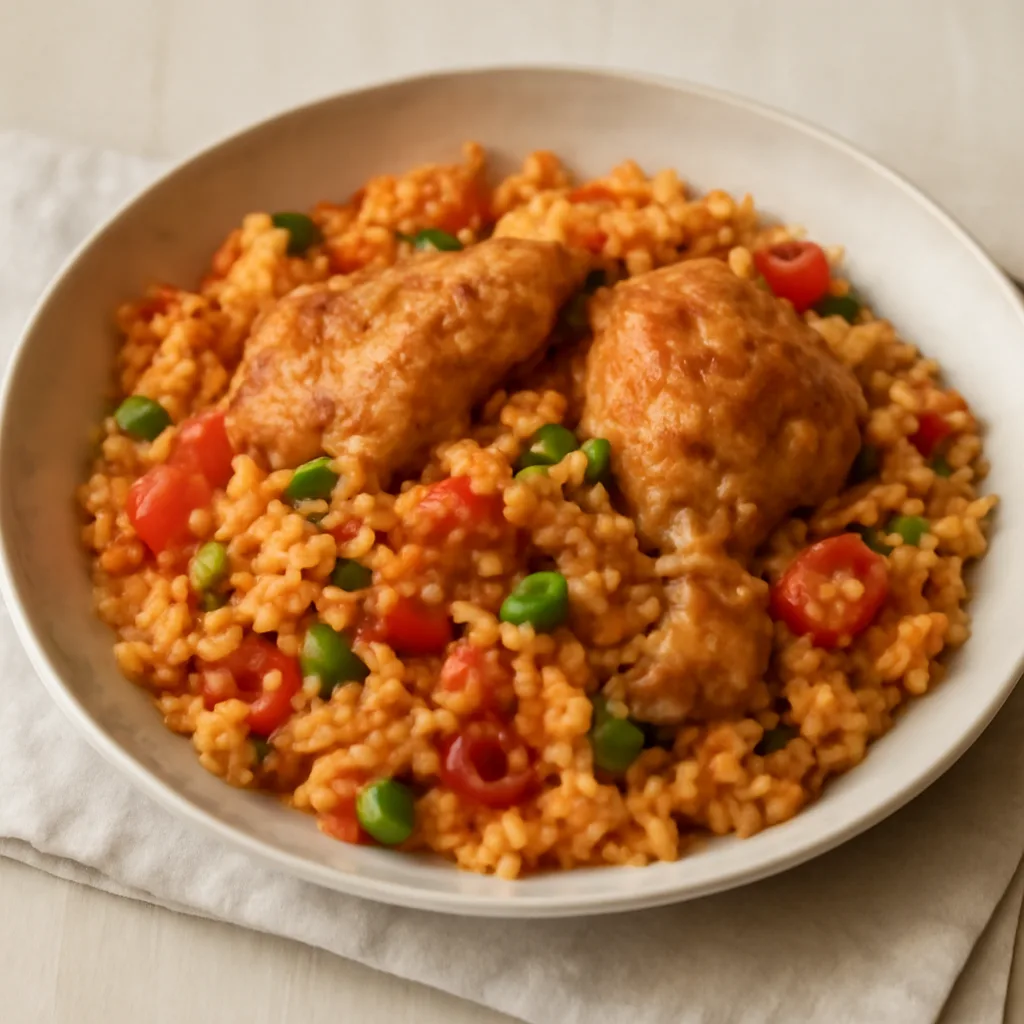
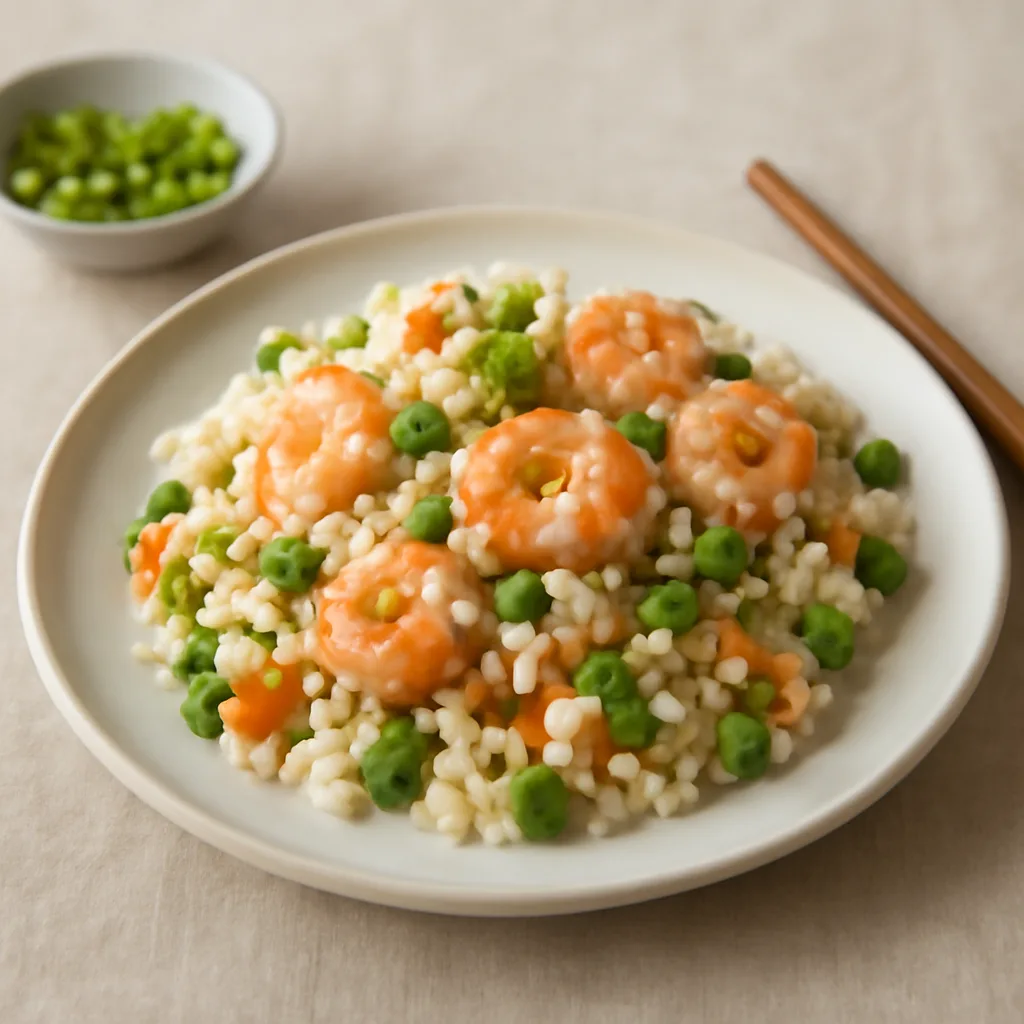
- Add to fried rice or pilaf late, after other ingredients are mostly cooked, to keep the color and texture of the kernels. Cooking from the start for a long time can cause surface to shrivel and sweetness to fade.
- In creamy pasta, risotto, or grain dishes like orzo, they add a light chewing contrast between the soft sauce. If the sauce is already thick, avoid over-mashing the peas to maintain texture contrast.
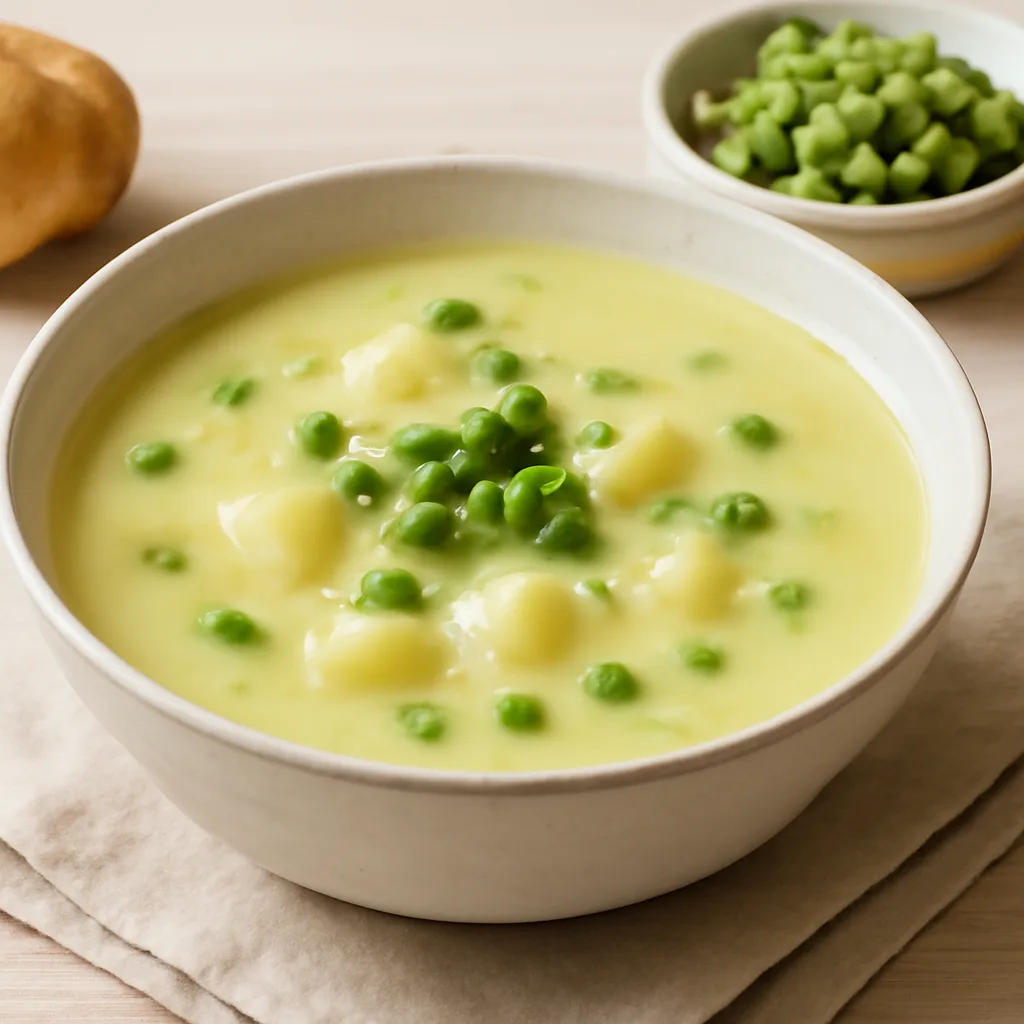
- In soups and stews, add once the broth flavor has developed to enjoy the texture as kernels, or simmer well and blend into a thick purée. For clear soups, add at the last few minutes to preserve color.
- Curry or vegetable sautés pair well with sweet ingredients like potatoes, carrots, onions. In dishes with heavy, spicy seasoning, the pea flavor may not stand out, so view them as color and texture add-ins.
Preparation tips
- Fresh peas: shell them from the pods and rinse under running water. If the peas vary greatly in size, cook the larger ones first or divide the cooking time to prevent uneven doneness.
- Frozen peas: you can usually cook them without thawing. In sautés, moisture can lower the pan temperature, causing them to steam rather than fry, so don’t add too many at once or pat dry before adding.
- Canned peas are already soft, so drain well and warm briefly at the end. If you boil them for the same time as fresh or frozen peas, they can easily get mushy.
- When mashing peas into purée, blend with some cooking liquid, butter, or olive oil to control the texture. Adding too much liquid from the start makes a runny purée hard to fix.
Cooking characteristics
- Blanching in boiling water brightens color and reduces grassy notes, but longer cooking softens the kernels and dulls color. If appearance matters for a salad or side, test one pea to ensure it is warm through before removing.
- When sautéing, high heat and short time help evaporate surface moisture and add nutty flavor. If the pan is crowded or the ingredient is in a small pan, moisture may not escape properly, so cook in batches or add at the end.
- Long simmering in soup or sauce softens the interior and adds a gentle body to the broth. Unlike dishes where you want to keep the kernels intact, purées or thick soups can benefit from blending some or all peas.
- When cooking with acidic ingredients, don’t assume peas will firm up; instead, check the actual doneness. Fresh lemon juice or vinegar tends to brighten color and flavor when added at the end.
Good combinations
- Rich ingredients like butter, olive oil, cream, and Parmesan round out the peas’ mild sweetness. For lighter dishes, choose olive oil and lemon zest; for heartier pastas or purées, opt for butter or cream to give a clear directional feel.
- Fresh herbs like mint, parsley, dill, and chives pair well to freshen the aroma. If the herb note is strong, add in small amounts to avoid overpowering the peas.
- Slowly cooking with onions, shallots, garlic, or leeks helps build a sweet base; salty ingredients like bacon or ham contrast with the peas’ sweetness. When using salty ingredients, adjust seasoning at the end to avoid over-salting the peas.
- Potatoes, carrots, mushrooms, asparagus, rice, or short pasta pair well with peas for texture and compatible cooking times.
Points to consider when substituting
- For fried rice, pasta, soups, Edamame, lentils, or chickpeas can replace the pea texture and mild sweetness. Note Edamame is firmer and has a stronger bean flavor, while chickpeas are heavier, so adjust quantity to match texture goals.
- For dishes where bright green and light vegetable feel is important, finely chopped asparagus or fava beans can be closer substitutes. Since their cooking times differ, don’t add them at the same time as peas; test a piece to reach desired tenderness before finishing.
- If aiming for a smooth purée of peas, you can mix in cooked potatoes or white beans. Potatoes are neutral but will mute the green color and fresh brightness of peas, so this is not ideal if peas are the main ingredient in the purée.
Ingredients commonly used together in actual dishes
Aggregated based on the co-occurrence count of representative ingredients in public dishes registered in CookPagoda.
Dishes that use this ingredient
Shows dishes where this ingredient is a representative ingredient, sorted by view count.