Ingredient Encyclopedia
Check the characteristics of the ingredients and how to use them in cooking.
파프리카
6
11
Paprika is a vegetable in the bell pepper family characterized by its pronounced sweetness and thick flesh, suitable to use both raw and cooked to enhance color and texture. Red, yellow, and orange peppers typically have a soft, sweet flavor, while green peppers may carry a greener, more pungent aroma and a slight bitterness. For salads or sandwiches, use crisp raw paprika; for stir-frying, roasting, or sauces, apply heat to draw out sweetness. However, prolonged simmering reduces vivid color and crunch, so for recipes where texture is important, add it at the end.
Taste and Texture
Raw paprika has a juicy, crisp texture and a subtle sweetness, with the skin-adjacent area potentially a bit tougher. Seeds and the white placenta are edible, but if texture or green note bothers you, remove them. When heated, the tissue softens and the sweetness becomes more pronounced. Cooking quickly over high heat creates a roasted aroma at the edges, but when moisture starts to release heavily, the dish can become soggy or bland.
Main uses
- Slice thinly and add to salads, kimbap, sandwiches, or tortilla fillings to boost color and crunchy freshness.
- Stir-fry with onions, mushrooms, meat, or tofu, using as a vegetable base for bowls, pasta, or fried rice.
- halve and stuff, then bake, or cut into larger pieces for skewers and oven roasting.
- Finely chop and add to tomato sauce, curry, or stews to enhance sweetness and texture; for a smoother sauce, cook thoroughly and purée before using.
Preparation tips
- Rinse under running water, trim the stem, and remove seeds and the white pith. If the flesh is left too much, it can yield tough bits when fried, so cleanly prep especially for raw consumption.
- For stir-fries, slice to similar thickness to match cooking speed. If sliced too thin, it turns soft quickly; if you want crunch, cut slightly thicker.
- For roasting, cut into flat pieces and pat dry the surface. If moisture remains, it will yield a steamed texture rather than roasted flavor, so avoid overcrowding the pan.
- If the skin texture bothers you in certain dishes, char the skin lightly and let rest before peeling. This works well for soft dips or sauces but not ideal for salads needing crispness.
Cooking characteristics
- Briefly sauteing over high heat slightly chars the surface, bringing out sweetness and roasted aroma. If the pan is crowded, moisture makes it steam more than fry, so cook in batches if large in quantity.
- Salt draws out moisture, so adding it too early can cause paprika to wilt quickly. If you want to maintain shape, season toward the end of cooking.
- In the oven or grill, cook until the edges wrinkle and brown marks appear for deeper flavor. Do not overcook; test for tenderness to prevent the flesh from falling apart and sticking to skewers.
- If you add it early to soups, it will soften and release sweetness while losing crunch. If you want to keep some bite, add toward the end of cooking.
Good combinations
- Pairs well with onions, garlic, mushrooms that develop sweetness and umami when sautéed.
- Tomato, olive oil, and herbs create a natural contrast of acidity and sweetness; for stir-fries, additional salty condiments like soy sauce or gochujang work well.
- When paired with chicken, beef, shrimp, or tofu, it creates a refreshing texture contrast between soft protein pieces.
- The sweetness of red and yellow paprika suits creamy, rich sauces, but in very mild dishes, a lot of paprika can make the sweetness stand out too much.
Points to consider when substituting
- If you need crisp raw texture and color for salads or sandwiches, bell peppers are the closest substitute, but note bell peppers feel more green and have a slightly more bitter edge.
- For stir-frying or roasting, you can use bell peppers, onions, and zucchini depending on the dish. However onion and zucchini cannot fully replace paprika's vibrant color and crisp skin texture, so choose based on whether color or sweetness is the goal.
- For sauces or dips made from roasted paprika, you can use roasted bell peppers. If you need a smoother sweetness, you can add some tomato or roasted carrot, but adjust flavor and consistency accordingly.
Ingredients commonly used together in actual dishes
Aggregated based on the co-occurrence count of representative ingredients in public dishes registered in CookPagoda.
Dishes that use this ingredient
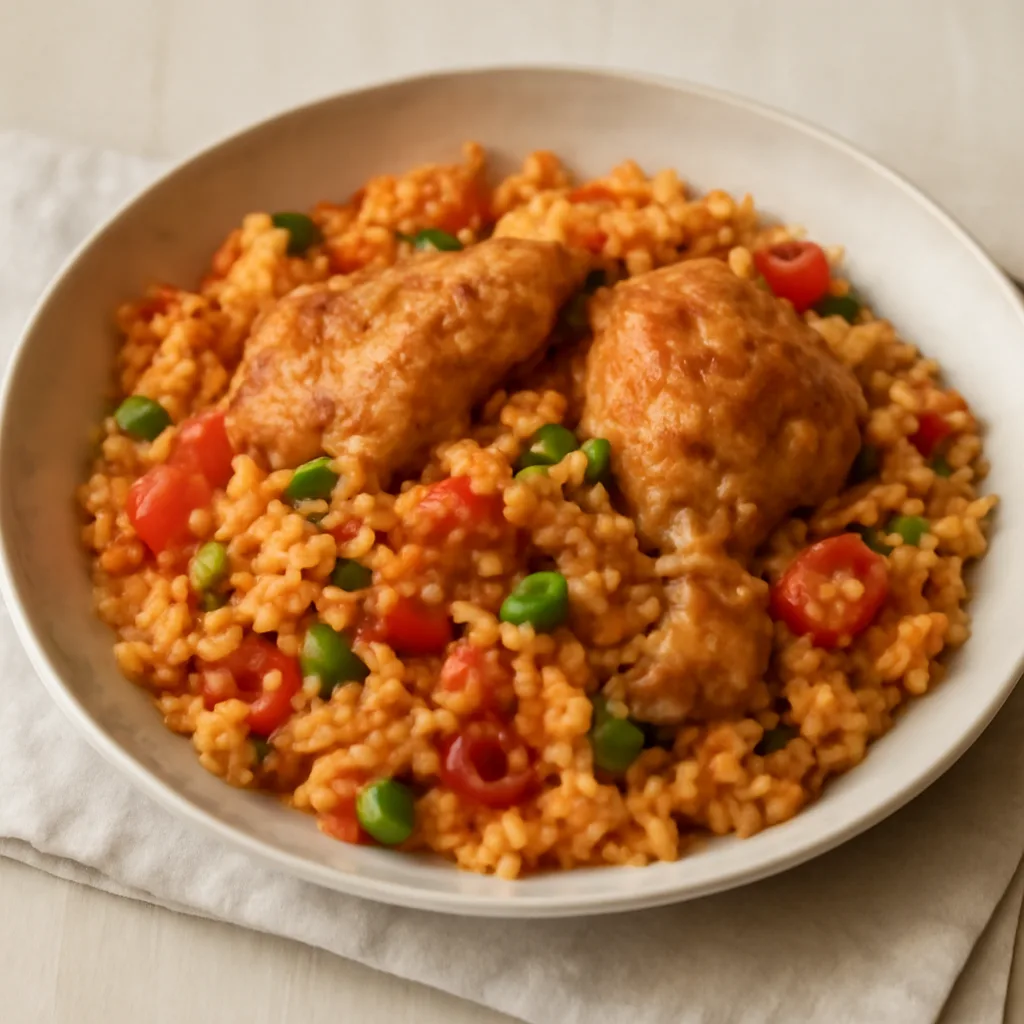
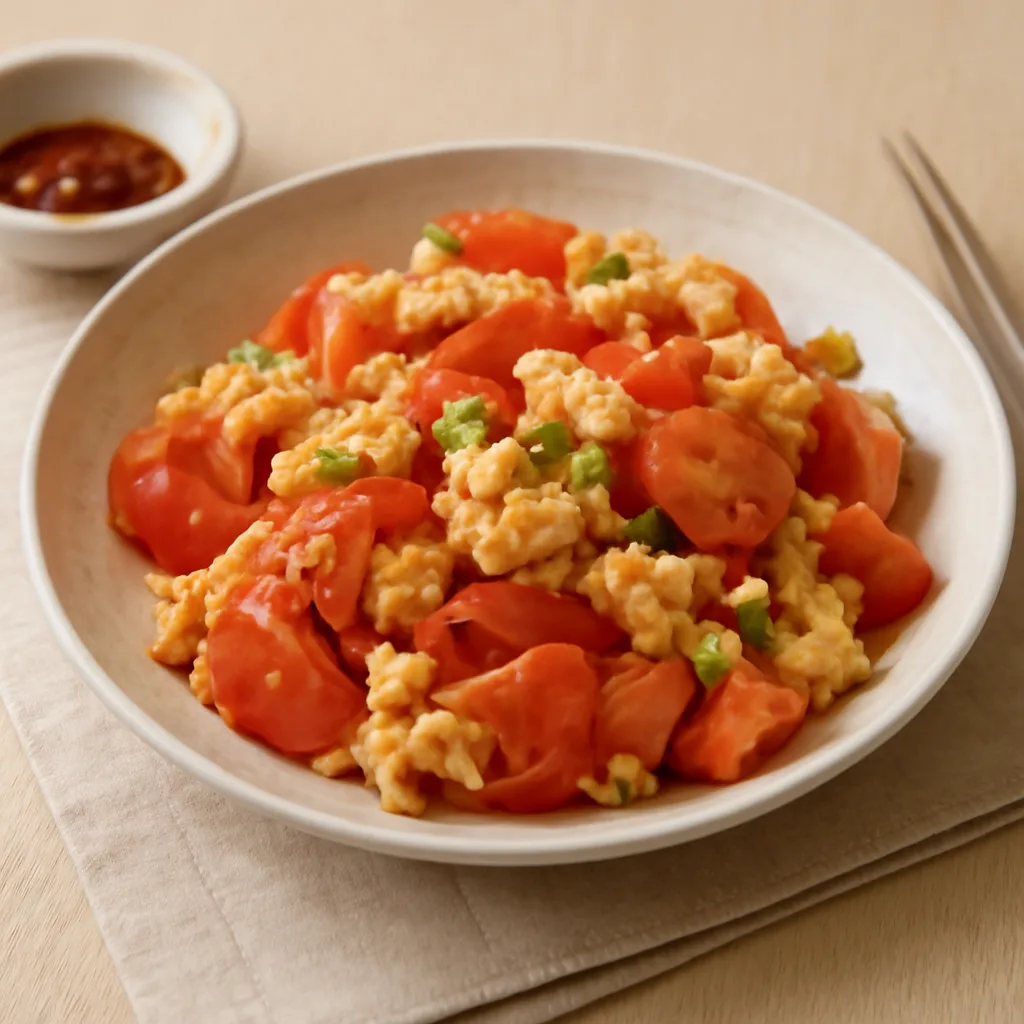
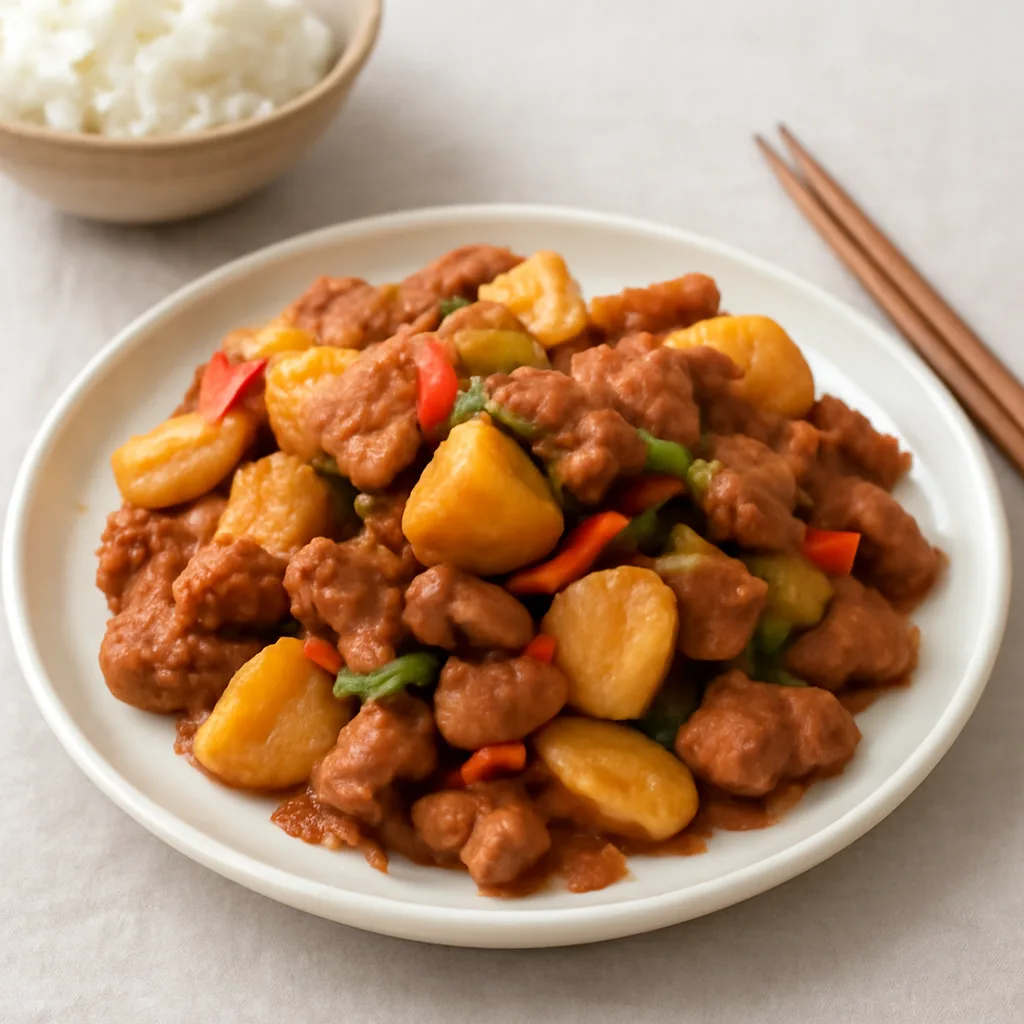
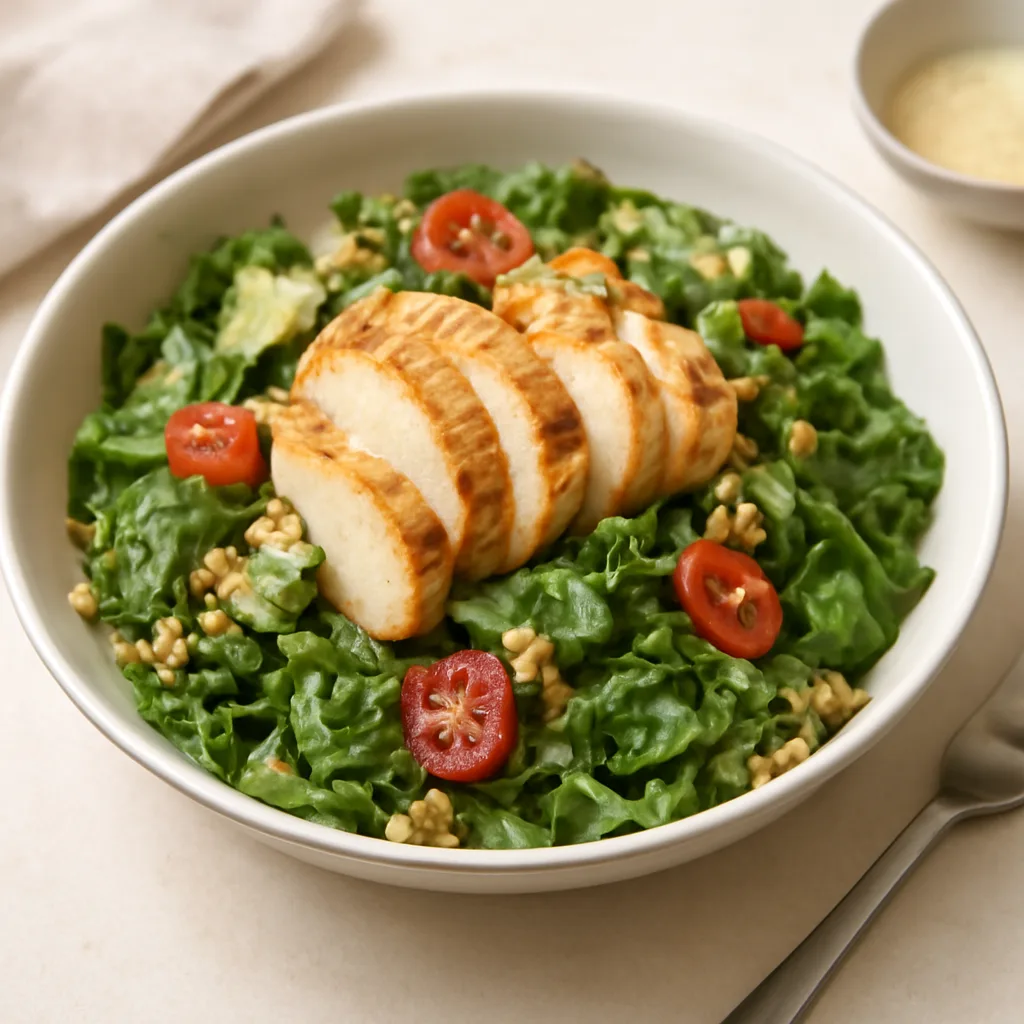
Shows dishes where this ingredient is a representative ingredient, sorted by view count.