Ingredient Encyclopedia
Check the characteristics of the ingredients and how to use them in cooking.
Octopus
1
3
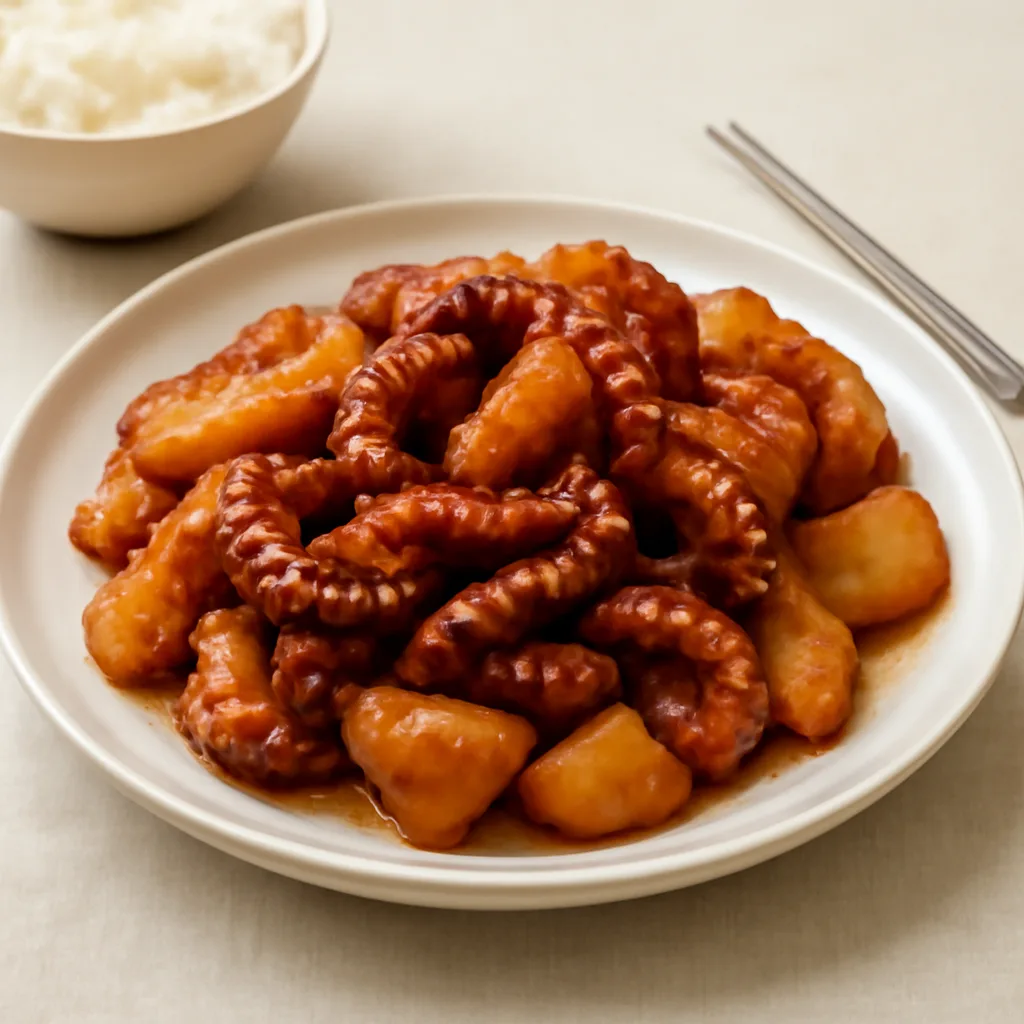
Octopus is a seafood with firm flesh and a subtle sea scent, used widely from boiling or blanching then slicing to stir-frying, grilling, and braising. The legs are thick, so thin slicing preserves a tender bite, while cutting into larger pieces gives more pronounced texture and presence. The key to cooking is to soften the tough connective tissue enough without over-constricting the meat. If soft octopus is the goal, longer gentle heating is appropriate, and if you use already-boiled octopus, quickly stir-fry or grill over high heat to minimize moisture loss. If it’s become tough after long boiling, it might have been heated too briefly, so consider keeping at a low boil until it softens further rather than removing it from heat immediately.
Taste and Texture
The flavor is mild with savoriness and a salty sea aroma, and it readily takes on seasoning. To highlight the octopus’ natural aroma, simple combos like salt, sesame oil, and lemon work well, and adding spicy seasonings or garlic/soy sauce enhances the depth of flavor. Well-cooked octopus is chewy yet easy to bite through when chewed. If the surface is hard and the interior is rubbery, it’s often overcooked on high heat or not sufficiently tenderized, so the next time it’s better to separate the boiling and finishing heat.
Main uses
- Boiled octopus is thinly sliced and served with chojang (vinegar-pepper sauce) or soy-sauce-based dressings, or with salt and sesame oil alongside vegetables and served cold.
- Blanched octopus can be quickly stir-fried with vegetables in a spicy sauce to make octopus stir-fry. If vegetables release a lot of water, first sauté vegetables to dry them out before adding octopus so sauces don’t become too thin.
- The legs can be left whole or cut large and grilled to add surface aroma. If the octopus is already cooked, over-grilling can make it tough, so high heat for a short time just to color is suitable.
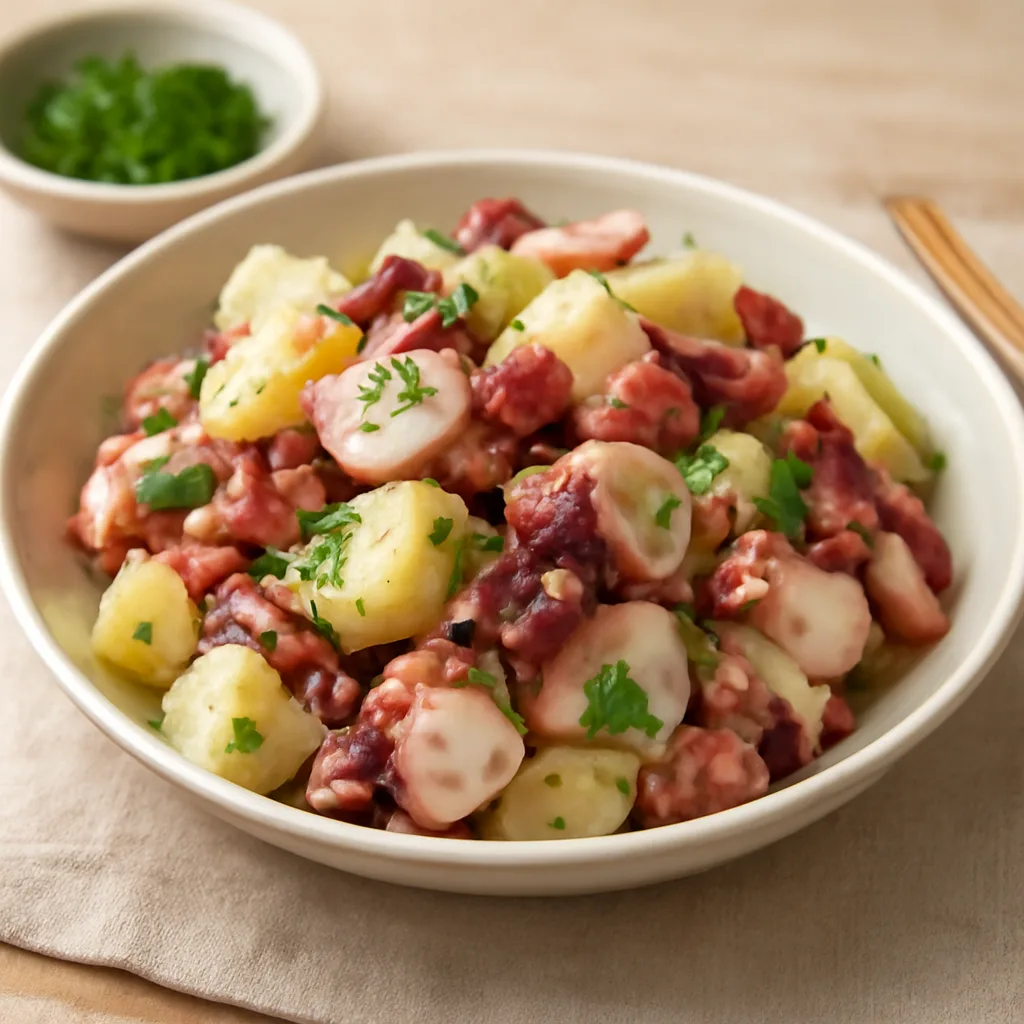
- Chopped octopus can be used in salads, namul (seasoned vegetables), rice dishes, or seafood pastas. In dishes with soft textures from other ingredients, cutting too large can emphasize octopus’ chew, so cut to smaller sizes.
Preparation tips
- Cleaned octopus should be rinsed under running water, checking for debris between the surface and suckers, then used after washing. If guts remain or ink sac bursts, it can taste bitter or muddy, so remove and rinse again.
- When slicing after boiling, cut after it cools slightly rather than while it’s very hot to minimize surface disarray. For thin sashimi-like slices, angle cut the legs to create a wider surface area.
- When boiling live octopus, dipping the legs into the broth several times can help shape, but if tenderness is more important than shape, it’s better to maintain a steady temperature rather than soaking for a long time.
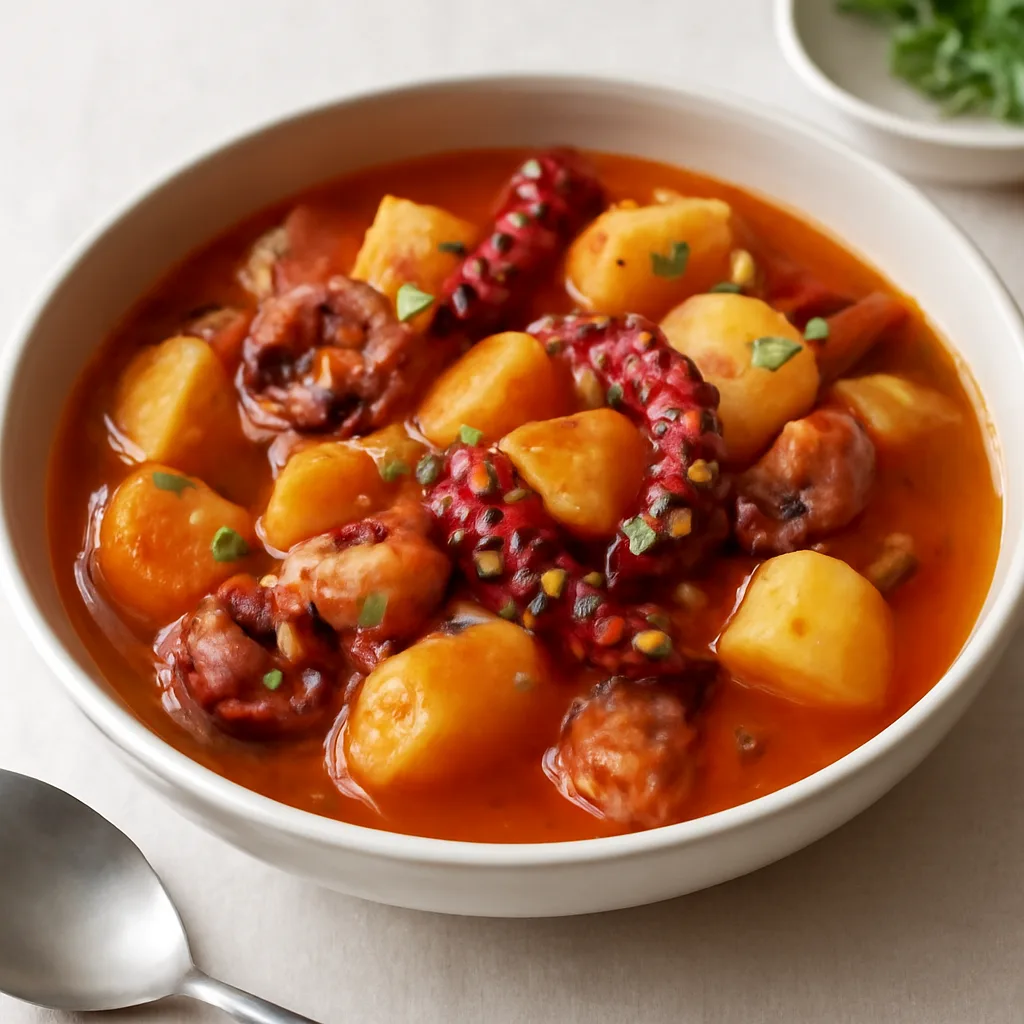
- Frozen octopus should be thawed slowly in the fridge, discard the released water, and cook so the sauce isn’t too thin. If thawed quickly and released a lot of moisture, dishes with less moisture change like stews or braises may be more suitable than stir-frying.
Cooking characteristics
- Octopus tightens up and becomes firm when exposed to high heat for a long time. If the octopus is already cooked and in a stir-fry or grill, remove from heat when the edges curl and moisture is released, finishing with the residual heat.
- When cooking raw octopus in water, it may require a softer simmer rather than a quick boil to finish; if chopsticks can easily penetrate the thickest part of the leg, that’s a practical signal of doneness.
- Acidic ingredients brighten the flavor, but if lemon juice or vinegar is added too early, octopus’s mild flavor can be overwhelmed. If the goal is brightness, add at the end of cooking or right before serving.
- In stir-fries, the moisture from onions, cabbage, bean sprouts, and other ingredients largely determines the result. If moisture pools on the pan bottom, separate the ingredients to fry at high heat, or add octopus last and mix briefly.
Good combinations
- Sesame oil, sesame seeds, garlic, green onion, chili, soy sauce, and gochujang highlight octopus’s mild taste.
- Lemon, vinegar, yuzu, and other acidic elements pair well with fatty finishes or grilled octopus, but too much can mask the sea scent.
- Potatoes, radish, onions, and mushrooms—soft, sweet ingredients—support octopus’s texture. When pairing with chewy rice cakes or very tough dried ingredients, stacking them can increase biting fatigue.
- For spicy stir-fries, add crunchy vegetables; if using watery vegetables, sauté separately to control moisture so the flavors don’t dilute.
Points to consider when substituting
- There is no exact substitute that perfectly mimics octopus’s chew and leg shape. If aiming for similar seafood flavor, squid or cuttlefish can be used, but they cook faster and are softer, so adjust cooking time accordingly.
- In strong-season dishes like spicy stir-fries or braises, squid, shrimp, or firm white fish can be used as substitutes depending on the dish. Shrimp and white fish cook more quickly and can break apart, so add at the end for a brief cook.
- In salads or namul where a chewy texture is desired, blanched squid can be practical. However, squid may release more moisture, so dress the sauce just before serving.
Ingredients commonly used together in actual dishes
Aggregated based on the co-occurrence count of representative ingredients in public dishes registered in CookPagoda.
Dishes that use this ingredient
Shows dishes where this ingredient is a representative ingredient, sorted by view count.