Ingredient Encyclopedia
Check the characteristics of the ingredients and how to use them in cooking.
Olive
2
2
Olives are fruits commonly used in salty brined in a salt solution or oil-packed form. Fresh olives can be very bitter, so in home cooking they are usually used after draining, from jars or cans. Depending on variety and brining method, the taste, firmness, and salinity of green and black olives differ. When finely chopped, they add acidity and saltiness to salads, pasta, pizza, and sandwiches; whole olives pair well with cheese or bread. However, olives have strong aroma and salinity, so they are favorable for highlighting bland ingredients, but can overpower delicate broths or cream sauces if used in large amounts.
Taste and Texture
Olives are naturally salty and slightly sour, with a distinctive bitter-fruity aroma and umami. Green olives tend to be sharper and more tangy, while black olives are generally softer and rounder in impression. The flesh can be firm or soft, and products with pits may have a more pronounced aroma when chewed. Pitted varieties are convenient to use, but can easily fall apart during cooking.
Main uses
- Finely chopped olives add a salty, fresh note to tomato sauce pasta, pizza, and roasted fish dishes. When using with other salty ingredients, it is often best to check salt at the end of seasoning.
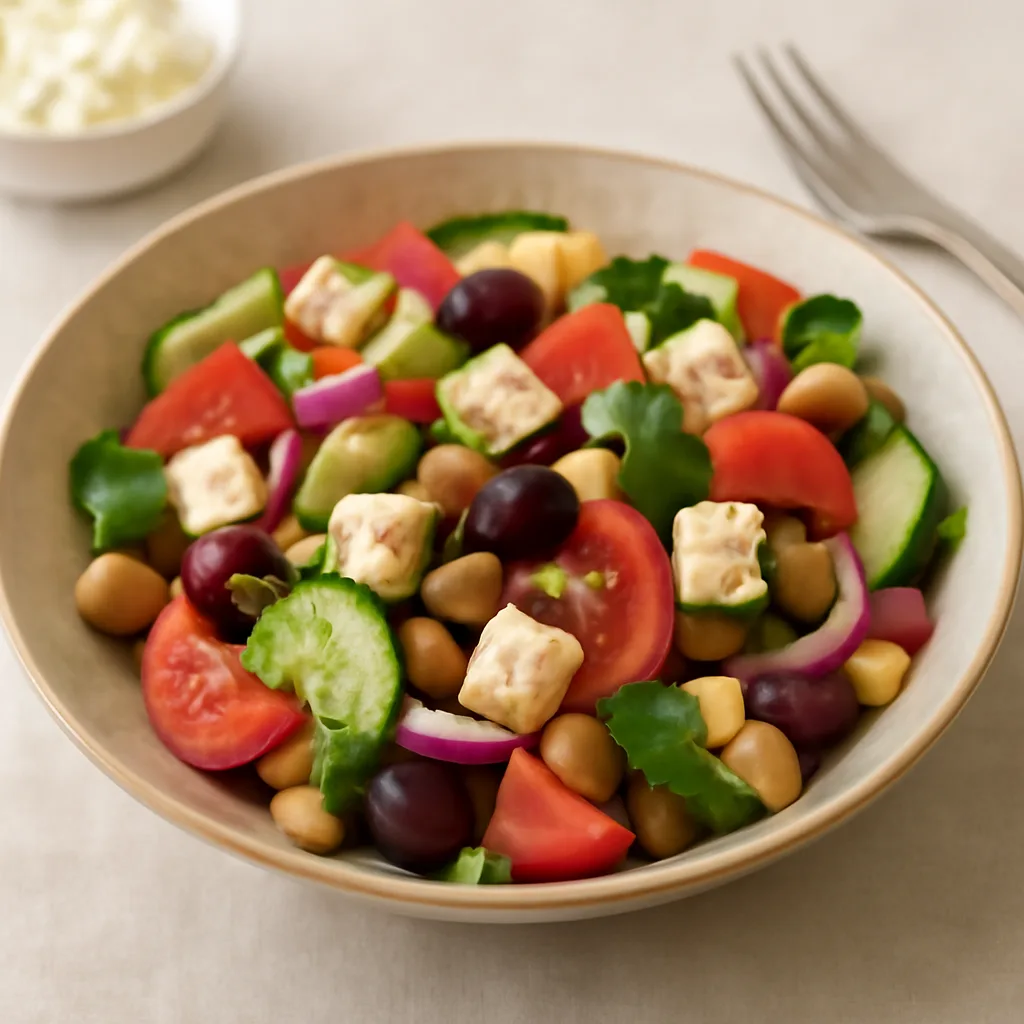
- In salads, add whole or halved to complement the vegetables’ mildness. If using with salty cheeses like feta, reduce the amount of olives or omit the salt in the dressing.
- Mince olives with capers, garlic, and herbs to make a simple sauce for bread or roasted meat/vegetables. If acidity is lacking, finish with a small amount of lemon juice or vinegar to balance the flavor.
- When using in doughs or focaccia, dry the olives well. If brine remains too much, dough can become slack and the olives may taste overly salty around.
Preparation tips
- Rinse and taste after discarding the brine before use. If very salty, rinse briefly in cold water and pat dry before use, but be aware the distinctive briny flavor of olives may lessen if soaked too long.
- For olives with pits, press gently with the back of a knife to split the flesh and remove the pit; this makes mincing easier. When cooking whole or serving, it is convenient to leave the pits visible.
- Add at the end for cold salads or as a finishing topping to maintain a crisp texture. If you want to release aroma in a sauce, finely chop and briefly sauté with garlic and onion at the start of cooking.
- Mincing olives too finely can create a salty, oily paste that clumps. If a chewy texture is desired, leave a consistent granularity.
Cooking characteristics
- Heating olives does not substantially increase sweetness; instead saltiness and the brine scent spread into the sauce or oil. For tomato sauce or oil-based pasta, add olives mid-cooking to leave aroma, reserving some for finishing if salinity is a concern.
- Over high heat and long stir-frying can cause the flesh to shrivel and the aroma to dull. Lightly heat until the surface is warm and aromas rise.
- In sauces with moisture, olive salinity will spread quickly throughout. As the sauce reduces, the saltiness concentrates, so if you started with a lot of salt, add water or unsalted ingredients to adjust.
- In baked dishes, olives can dry out on the surface and their saltiness may become pronounced. Placing some under cheese or sauce in pizzas or roasted vegetables can help prevent excessive drying.
Good combinations
- Olives pair well with tomato, lemon, garlic, capers, and herbs such as parsley and oregano, which brighten and clarify the salty flavor of olives.
- With mild chicken, fish, potatoes, beans, and roasted eggplant, olives can play a balancing role. If a dish already has many salty ingredients like soy sauce, fermented fish sauce, or bacon, use only a small amount of olives for balance.
- Pairing with soft cheeses or toasted nuts can soften the sharp aroma; conversely, with very sweet sauces the contrast between sweetness and the briny scent can become pronounced, so start with small amounts.
Points to consider when substituting
- For dishes needing olive saltiness and briny aroma, capers can be used in small amounts, but capers are smaller and more acidic, so add gradually and adjust to taste.
- To replace the chewy texture of olives in salads or cold sides, you can use marinated artichokes or pickles. However, their distinct aroma and acidity mean you should adjust the vinegar or lemon amount in the dressing.
- When olives are missing in pasta or tomato sauces, a combination of capers with a touch of lemon zest or herbs can provide a salty, fragrant impression. It is not a perfect substitute for the mellow flavor of black olives, so for dishes where olives are central, omission or switch to a different sauce is preferable.
Ingredients commonly used together in actual dishes
Aggregated based on the co-occurrence count of representative ingredients in public dishes registered in CookPagoda.
Dishes that use this ingredient
Shows dishes where this ingredient is a representative ingredient, sorted by view count.