Ingredient Encyclopedia
Check the characteristics of the ingredients and how to use them in cooking.
Cilantro (Korean: 고수)
1
1
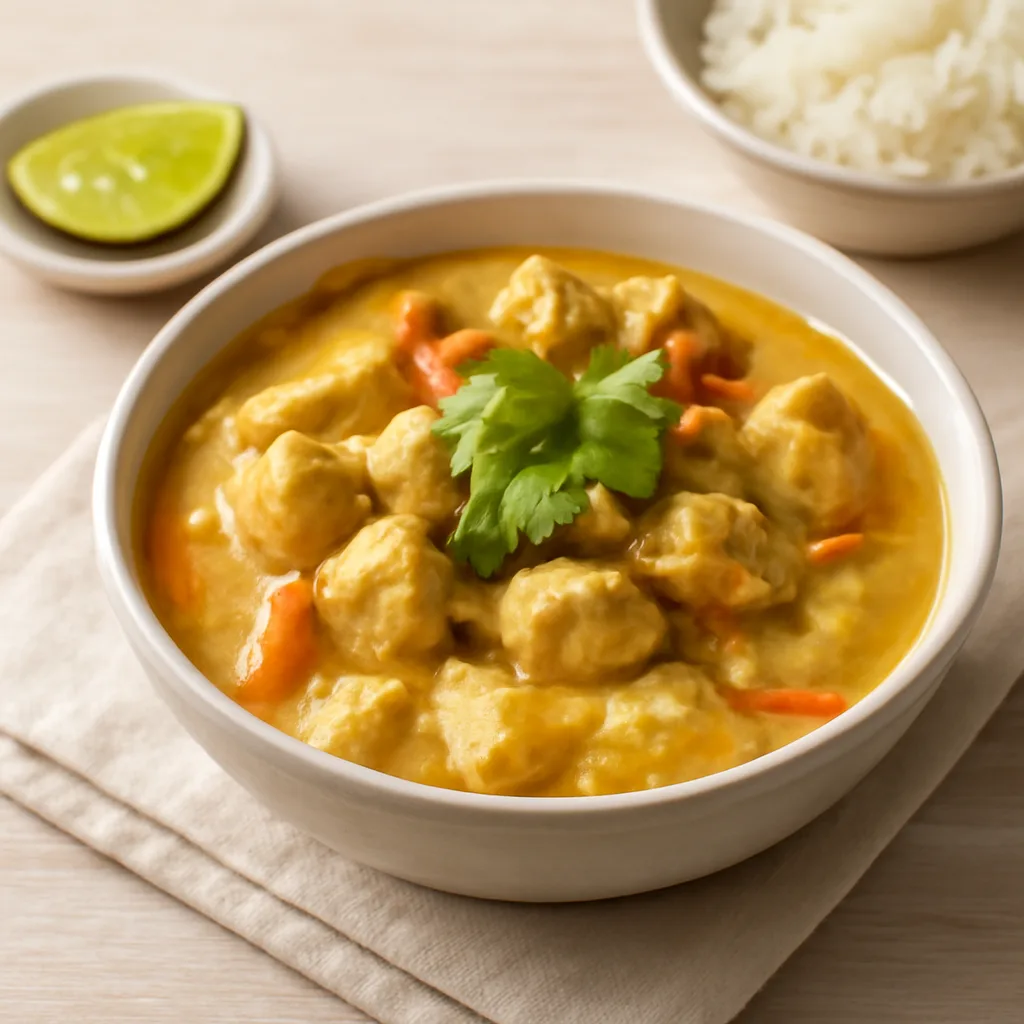
Cilantro leaves and stems are mainly added fresh or as a finishing herb, shaping the flavor from broth-based dishes to stir-fries, salads, and sauces. The leaves crumble softly, the thin stems add a crisp bite, and they are well-suited to brighten heavy or oily flavors. Because the aroma is strong, start with small amounts at the end rather than loading in all at once. Dishes dominated by cilantro can use it generously, but in bland fish or clear broths it can overwhelm other flavors, so reduce the amount. Even if cilantro is in the recipe, the actual result depends greatly on taste and freshness. When the leaves are bright green and the aroma is clear, use them fresh; when the leaves wilt or the aroma is dull, use only a small amount in the broth or sauce.
Taste and Texture
Cilantro has a fresh, grassy note, a bright citrus-like scent, and a slight sharpness. Some people may find the aroma very strong, so a separate side dish is safe at unfamiliar meals. Young leaves are tender and the thin stems are lightly chewy. If heated for a long time, the aroma fades quickly and the leaves darken, so add at the end to preserve aroma and texture.
Main uses
- Top cilantro as a garnish on rice noodle soups or clear broths to add a fresh scent to the hot broth’s richness. If added from the start and simmered long, the cilantro aroma may not come through.
- Torn or chopped cilantro is sprinkled over fried noodles, fried rice, or grilled meat or fish as a finishing touch. The brighter aroma of cilantro shines on richer dishes, but may be overwhelmed by very strong spice blends.
- Chopped cilantro mixed with lime or lemon juice, minced garlic, and chili to be used as a sauce or accompaniment. The acidity makes the aroma more noticeable, so start with a small amount on dishes with strong sourness.
- Use leaves and tender stems in salads as herbs. If dressings are mixed in advance, leaves wilt quickly, so mix just before eating.
Preparation tips
- Rinse leaves and stems under running water to remove soil and impurities, and pat dry well. Excess moisture can dilute dressings and mellow aroma in garnishes or salads.
- Trim the tough base, and use the tender stems with the leaves as well. If stems’ chewiness is disliked, use mainly the leaves; for sauces or noodle toppings, finely chop the thin stems.
- Finely dicing greens can crush the structure and spread aroma quickly, but they may wilt fast. For vivid leaf shape and fresh aroma, tear or slice by hand just before adding.
- For cilantro to be placed on hot dishes, place on a plate and add at the end. If it must be added during cooking, add right after turning off the heat to touch with residual heat and reduce aroma loss.
Cooking characteristics
- The aroma compounds of cilantro weaken with prolonged heat, so for simmering or long-stir-fried dishes it’s better as a finishing herb rather than a main ingredient. If you want to lift aroma in a broth, add after dividing into bowls, or add briefly in a pot off the heat for a faint grassy note.
- When added directly to a high-heat pan, the leaves can wilt quickly and darken. For stir-fried dishes, it’s better to mix after turning off the heat or add to the plate before serving.
- When combined with acidic ingredients, cilantro’s bright aroma can become pronounced. However if lemon juice or vinegar is added too early in large amounts, the leaves wilt and the overall flavor becomes flat, so add gradually just before finishing.
- Using oil helps spread aroma across the dish. For someone who dislikes cilantro, cooking with oil to spread aroma may be less suitable; serving it as a separate garnish is easier to manage.
Good combinations
- Pair with lime or lemon, garlic, fresh chili, and onions to sharpen cilantro’s fresh scent.
- Cilantro adds brightness to lean or oily dishes like rice noodles, clear broths, grilled meats, seafood, and legumes. In strongly spiced dishes, add generously at the end to keep its presence.
- When used with mint or basil, the herbal aroma becomes more complex. If using multiple herbs in equal amounts, one flavor can become muddled, so decide whether to center on cilantro or make it a supporting note and adjust quantities.
Points to consider when substituting
- If cilantro aroma is too strong, Italian parsley is a safe substitute, though it won’t reproduce the bright and distinctive aroma like citrus. For garnish or salads, combining parsley with a little mint or lemon zest can brighten the impression.
- For noodles or broth, you can opt for scallions, mint, or basil instead, depending on the dish. In clear, bland broths, scallions feel natural; in Southeast Asian-style seasonings with strong aroma, mint or basil may be better.
- For sauces, fresh cilantro aroma is key, so dried herbs cannot replicate the effect. If no substitute exists, it’s better to omit and adjust acidity, chili, and garlic gradually rather than forcing the same amount to fill.
Ingredients commonly used together in actual dishes
Aggregated based on the co-occurrence count of representative ingredients in public dishes registered in CookPagoda.
Dishes that use this ingredient
Shows dishes where this ingredient is a representative ingredient, sorted by view count.