View recipes
Check the reference data for the selected food.
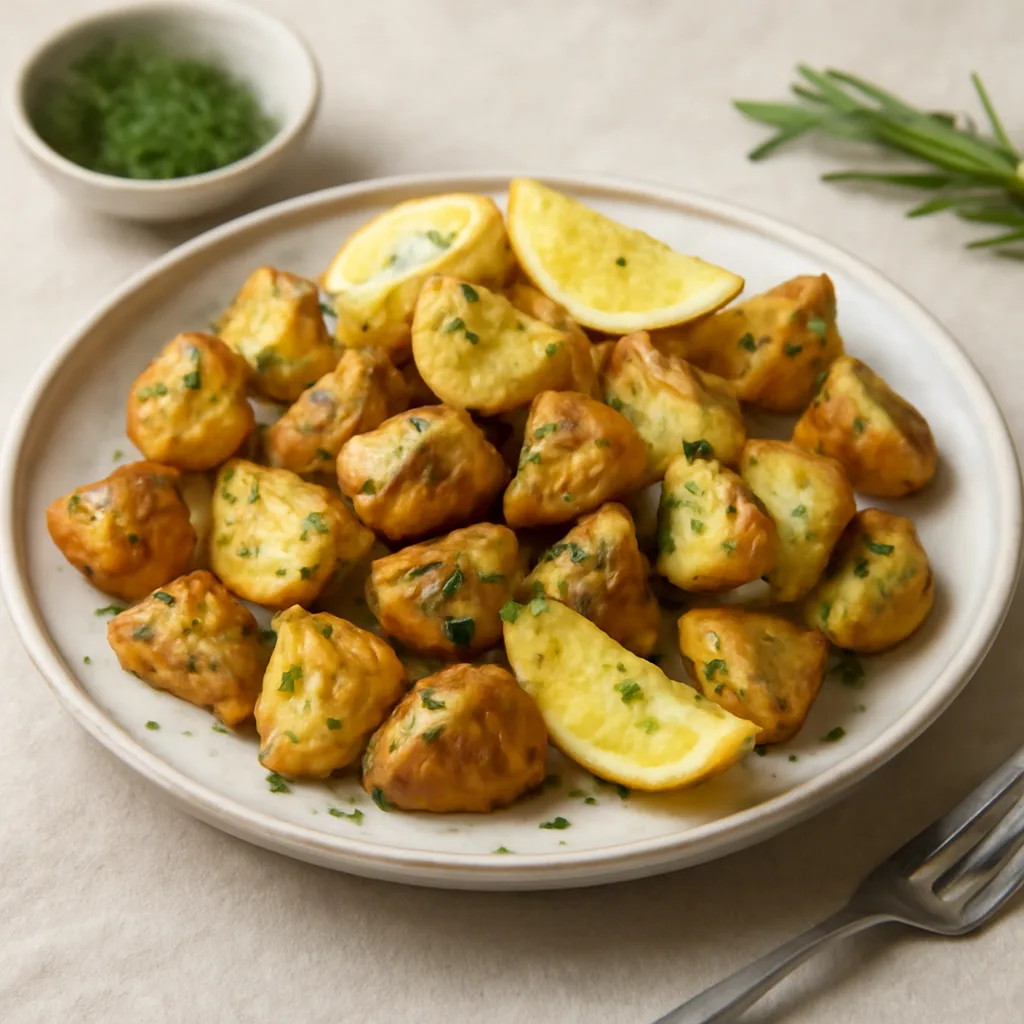
Lemon Herb Roasted Potatoes
Potatoes roasted with lemon and herbs offer a simple yet delicious side dish. The crispy exterior and tender interior pair beautifully with main courses, delivering a Mediterranean brightness.
Related Themes
8
View0
Like1
AI recommendations0
CreatedAbout this recipe
Lemon herb roasted potatoes is a side dish that browns the potato surface with dry oven heat, adding the bright aroma of lemon and the savory notes of garlic and herbs. Aim for a contrast of a crispy exterior and a soft, fluffy interior, and be mindful that cooking time around 45 minutes can be greatly affected by the size of potato pieces and whether the oven is fully preheated. Potatoes are flavorful on their own, but when paired with a mild main dish, the lemon aroma helps brighten the whole plate. If you want the acidity to be more pronounced, add more lemon toward the end of roasting or at the finishing stage, since too much lemon from the start can weaken aroma or dry the surface. Difficulty is moderate. The ingredients themselves are simple, but slicing potatoes evenly, spreading them in a single layer without overlapping in the pan, and checking color midway helps achieve a crisp result. Since the exact prep sizes or herb types aren’t provided in the recipe notes, adjust according to the state of the potatoes and herbs you are using.
Taste and Texture
Well-roasted potatoes develop a savory brown crust along the edges, while the interior stays moist and tender. Garlic and herbs enhance the roasted aroma, and lemon adds bright acidity and aroma to the potato’s naturally rich flavor. Herb aroma can feel harsh if the herb is very strong when heated for a long time. If you want the fragrance to be more central, a balanced approach is to add some before roasting and some just before finishing.
Key to making it delicious
- Cut the potatoes as uniformly as possible so they cook properly in one pan. Smaller pieces brown more deeply; if a large piece in the center remains firm, next time cut pieces more uniformly or make the larger pieces a bit smaller.
- Preheat the oven thoroughly before use. If the surface changes little after adding the potatoes for a while, the initial heat may have been insufficient, so in future, preheat fully before placing the pan in, and avoid opening the oven door frequently during cooking.
- If potato surfaces are wet, the moisture will evaporate rather than bake, delaying crispiness. Thoroughly dry washed potatoes, coat with seasoning, and ensure the pan bottom isn’t pooling liquid.
- Spreading potatoes in a single layer on the pan allows hot air to reach the surface and promotes browning. If there isn’t enough space and pieces overlap, cook in batches; if you prefer a softer texture, some overlap is acceptable.
- Midway through, check the color of the bottom of the potatoes and flip or rearrange to prevent one side from burning. If edge pieces color quickly, move them toward the center or remove them first.
Common mistakes
- If the potato exterior browns but the inside remains hard, the pieces may be too large or the oven heat is mainly hitting the surface. Next time, cut potatoes into small, uniform pieces, and if color is deep enough, loosely cover the pan to allow internal cooking.
- If the potatoes aren’t browned and stay wet or pale, the pan may be crowded or surface moisture remained. Create gaps between potatoes and dry any remaining moisture before roasting; if cooking in large quantities, use additional pans.
- If garlic pieces burn before the potatoes, the garlic may have been exposed too long. Next time cut garlic larger or add it later in the cooking to reduce excessive browning.
- If lemon flavor is barely noticeable or the surface is too sour, the timing and amount of lemon aren’t balanced. To emphasize aroma, add a small amount at the finish, and if acidity is strong, reduce the lemon amount before roasting to let the potatoes’ nuttiness come through.
Application Ideas
- If using fresh herbs, add some to the potatoes before roasting and sprinkle remaining at finishing to create both roasted and fresh aromas. If you want a milder lemon aroma, focusing on the zest rather than juice can be suitable. Conversely, if you need acidity for a dish, add lemon juice just before finishing so the potatoes don’t become soggy. To soften the garlic aroma, prepare the garlic larger than the potatoes to roast together, and you can remove it after finishing if desired. If you like a sharp garlic flavor, you can chop finely, but it tends to overcook, so add later for safety.
- For a crisper surface, spread the potatoes in a wide pan in a thin layer; if you’re cooking a large amount to achieve a softer result, this method may require more equipment and time.
Pairing ideas
- Pair with mild poultry or fish to let the potatoes’ savoriness and lemon aroma complement the main dish without overpowering it.
- When served with salad, hot roasted potatoes create a temperature contrast with cool, bright greens. If the salad dressing is already sharp, use less lemon on the potatoes so flavors don’t overlap.
- For a home‑restaurant style plate, spread the potatoes wide and finish with the remaining herbs and lemon on top to highlight the ingredients’ aromas.
- Because roasted potatoes are most crispy right after coming from the oven, finish with a touch of lemon juice or finishing herbs and serve promptly as a side.