Ingredient Encyclopedia
Check the characteristics of the ingredients and how to use them in cooking.
Canned tuna
1
3
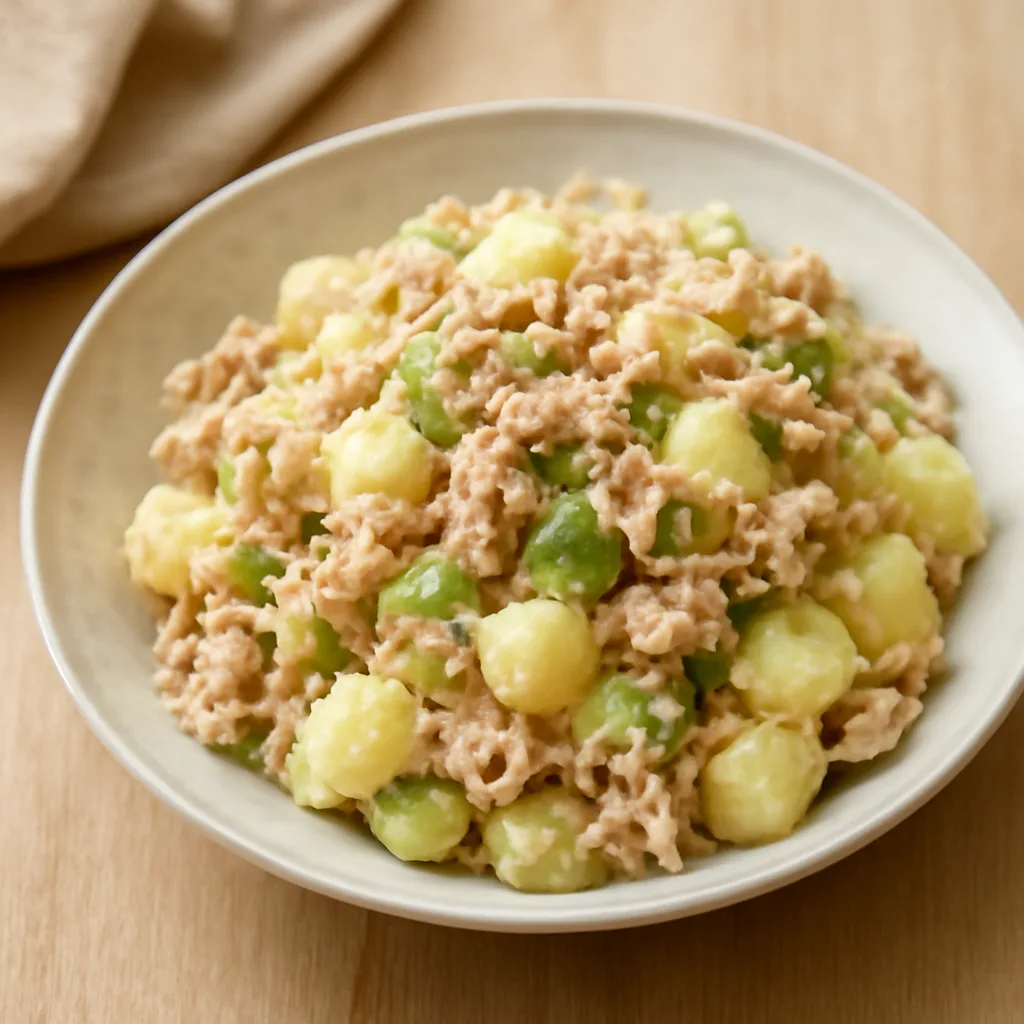
Canned tuna is a preserved ingredient made by packing cooked tuna flesh in oil, water, or brine, and it can be eaten without additional cooking, making it convenient for a quick meal. Depending on whether you use the oil or broth inside the can, the final dish can be more moist and flavorful or lighter in seasoning. It pairs well with mixing into rice to make onigiri or donburi, stir-frying with kimchi or vegetables, or using as a sandwich filling with salad. Lightly seasoned tuna absorbs flavors well, but overcooking can cause the flesh to break apart and feel dry, so it’s best to add it toward the end of stir-frying or when making stews. Products packed in oil add depth of flavor and gloss, making them convenient for fried rice, pasta, or mayo-based dishes, whereas for light salads or clear soups, it’s suitable to choose products that are drained of oil or packed in water.
Taste and Texture
Canned tuna is relatively mild and salty, with the oil contributing a toasty richness or the broth a clean taste depending on the product. The meat has a soft, flaky texture that blends easily with other ingredients. Chunk form preserves a chewy bite, while finely mashed forms mix evenly with seasonings and suit fillings or stir-fries. If you want to retain more moisture, drain less; if you want a drier texture for certain preparations, drain more.
Main uses
- Canned tuna can be mixed with mayonnaise, minced onion, and pepper to use as a filling for sandwiches or kimbap. If the onion aroma is strong, rinse it in cold water briefly and pat dry to keep the tuna’s mildness from being overwhelmed.
- Sauté with well-aged kimchi and serve over rice, or add to fried rice for a savory, satisfying meal. If kimchi juice is abundant, reduce the broth first to prevent the grains from becoming mushy.
- Pairs well with fresh greens like lettuce, cucumber, and tomato as a salad. Using tuna in oil allows reducing additional oil dressing, and balancing with acidic vinegar or lemon juice is helpful.
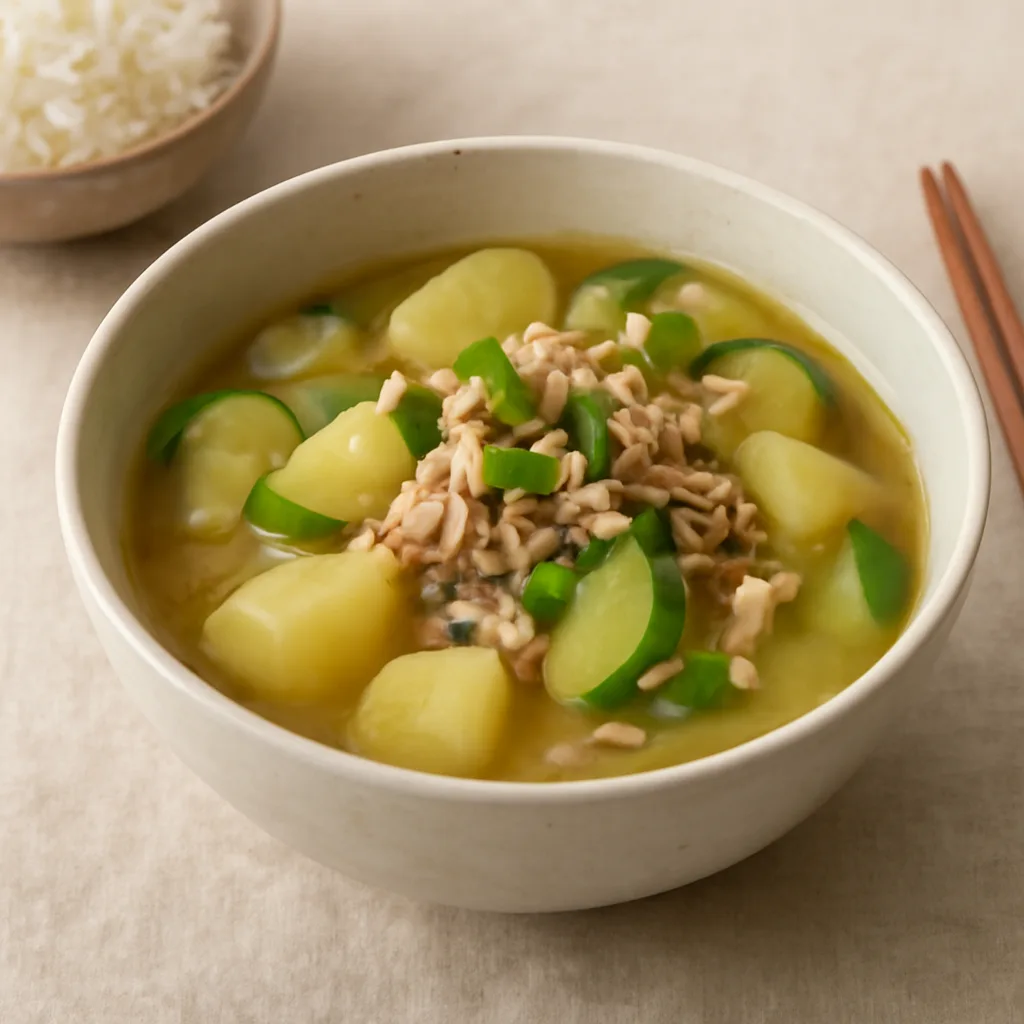
- When adding to doenjang jjigae or kimchi jjigae, flavor the broth first and add the tuna in the last few minutes. If simmered from the start, the tuna may break down too much and lose presence.
Preparation tips
- Open the can and drain the oil or broth through a sieve to easily control the seasoning intensity. For light, fluffy results like fried rice, drain well; for dishes requiring moisture like pasta or donburi, leave a portion of the liquid.
- If you want to keep large chunks, don’t mash them firmly with a fork; gently separate. Conversely, for fillings like onigiri or dumpling fillings, finely mash to bind well.
- Since many tuna products already have seasoning, taste at the end of cooking before adjusting salt, soy sauce, kimchi, or fermented sauces. If it tastes too salty at the very end, balance with bland ingredients like rice, unsalted vegetables, or eggs.
- When using in cold salads, remove the can’s liquid thoroughly before mixing with dressing. If liquid remains, mayonnaise or gochujang-based dressings can become too thin, causing vegetables to release water more quickly.
Cooking characteristics
- Since canned tuna is already cooked, it is more about warming and applying seasoning than cooking through. A quick sauté in a pan enhances aroma and spices, but prolonged frying can break the chunks and give a dry impression.
- Oil-packed tuna adds shine and nutty aroma when placed in a pan, but too much oil can make the seasoning slide off. If there is a lot of oil on the pan bottom, remove some before adding tuna or skip adding extra oil.
- In broth-based dishes, tuna meat naturally loosens as it boils, adding flavor to the broth. If you want chunkier texture, add just before turning off the heat and avoid stirring vigorously.
- It can also be used with acidic ingredients, but adding too much lemon juice or vinegar may let the sourness overwhelms the delicate tuna flavor. Start with a small amount and add more only if needed.
Good combinations
- Pairs well with salty, umami-rich seasonings like kimchi, gochujang, soy sauce, and doenjang, and with bland carbohydrates like rice, noodles, or potatoes to balance the seasoning.
- Creamy ingredients like mayonnaise, eggs, or avocado add richness to sandwiches or donburi, but avoid making it heavy by using too much mayo with oil-packed tuna; pair with acidic vegetables or pickles instead.
- Onions, green onions, garlic, and pepper enhance the tuna’s mild flavor for stir-fries and light dishes. If raw onion is too pungent, thinly slice and rinse before use.
- Crisp vegetables like cucumber, cabbage, or lettuce provide a refreshing contrast to the soft tuna; if adding vegetables with high moisture, mix just before serving to reduce sogginess.
Points to consider when substituting
- If you don’t have canned tuna, shredded cooked chicken, finely chopped white fish, or mashed chickpeas can be used for sandwiches or salads. Note that chickpeas lack the tuna’s signature umami and texture, so adjust seasoning with lemon juice, herbs, and pepper accordingly.
- For dishes with strong seasonings like kimchi stir-fries or stews, consider substituting canned salmon, sardines, or cooked pork. Strong flavors and oiliness in items like mackerel can shift the dish strongly, so reduce kimchi or seasoning amounts or add in portions.
- For creamy, cohesive fillings like tuna mayo, you can mix finely shredded chicken or mashed tofu with mayonnaise. Tofu has a lot of moisture, so be sure to drain well to avoid a watery mixture.
- Chunks of tuna are central to the dish, and true exact substitutes are rare. In such cases, it may be preferable to switch to a compatible recipe style (e.g., fried rice, salads, stews) that accommodates different textures rather than forcing a direct substitute.
Ingredients commonly used together in actual dishes
Aggregated based on the co-occurrence count of representative ingredients in public dishes registered in CookPagoda.
Dishes that use this ingredient
Shows dishes where this ingredient is a representative ingredient, sorted by view count.