View recipes
Check the reference data for the selected food.
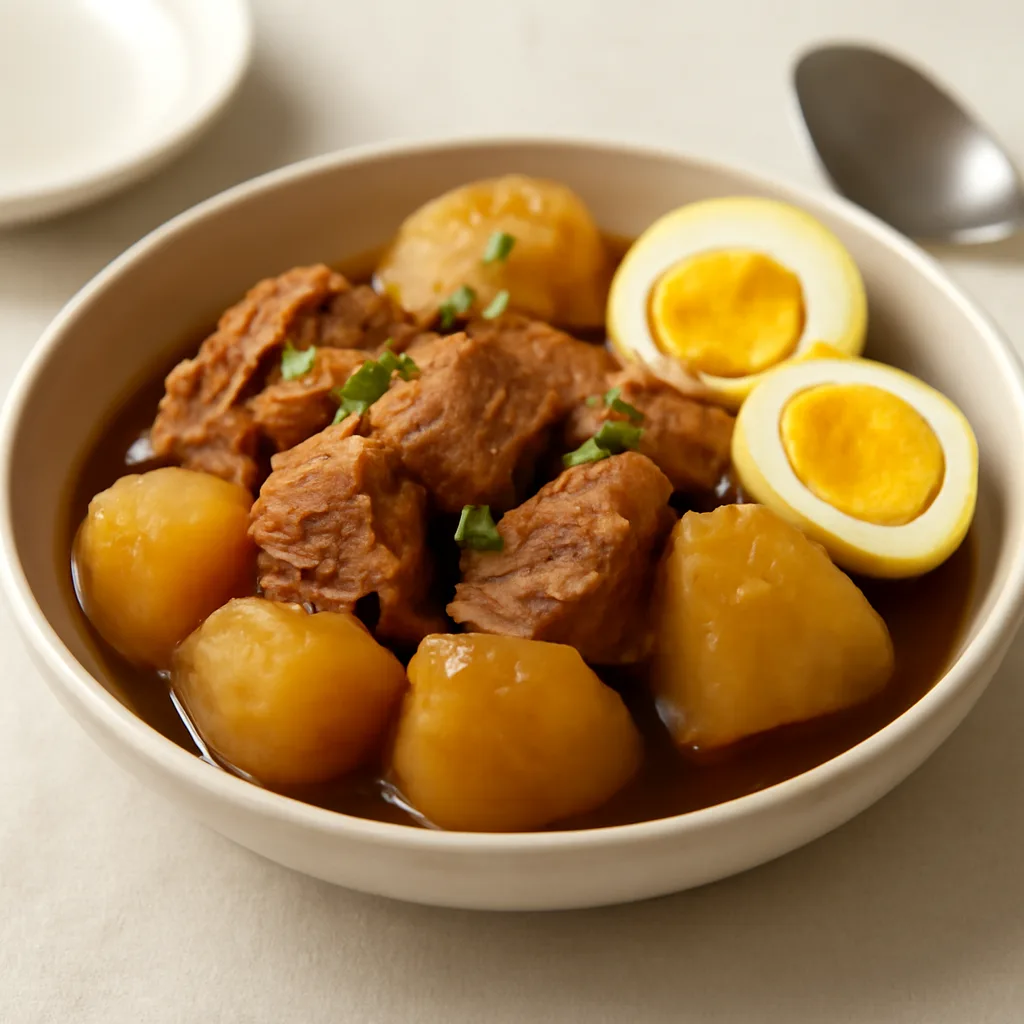
Tuna Egg Potato Stew
A delicious side dish where tender potatoes and savory tuna harmonize. The addition of eggs increases nutrition, and soy sauce and sugar enhance depth of flavor, making it a great dish to enjoy with rice.
Main Ingredients
Related Themes
10
View0
Like1
AI recommendations0
CreatedAbout this recipe
Tuna, egg, and potato braise is a home-cooked side dish where potatoes are simmered in a soy sauce and sugar braising liquid, then tuna and eggs are added to finish in one pot. The potatoes soak up the seasoning, becoming soft and fluffy, while the tuna adds a nutty, savory, umami note that pairs naturally with rice. The key to braising is considering that each ingredient cooks at a different rate. Potatoes must be fully cooked through to be tender inside, but if tuna is added too early the flesh can break apart, and eggs can become tough the longer they simmer. Even within about 30 minutes of cooking, adjust the sauce thickness according to potato size and heat level. The soy sauce braising liquid with sugar should not only impart sweetness but also round out the salty edge and add gloss to the potatoes. If a sweetened braise doesn’t suit the meal, reduce the sugar and instead ensure the liquid isn’t reduced too much, so the seasoning doesn’t become overly concentrated.
Taste and Texture
Fully cooked potatoes are fluffy and absorb the braising liquid, becoming soft and moist. Tuna has a delicate, flaked texture that complements the potatoes' mild flavor, while the eggs provide a contrast between the firm whites and the rich yolks. The flavor centers on the saltiness of soy sauce and the subtle sweetness of sugar. If you leave plenty of broth, it becomes a moist and gentle rice accompaniment; if you reduce it further, the seasoning becomes more pronounced, but the potato surface may break apart more easily.
Key to making it delicious
- Cut potatoes into similar sizes so that one piece can become mushier and another remains less cooked, and when chopsticks can easily reach the center, add the next ingredient.
- Drain some oil or broth from the tuna when using canned tuna to prevent the braising liquid from becoming too runny or oily; if you desire a milder taste, drain more thoroughly.
- Tuna is already tender, so add it toward the end after the potatoes are almost done and stir gently with a large spoon to keep some texture.
- Eggs should be prepared hard-boiled and added in the later stage to absorb the flavors; boiling longer makes whites firmer and yolks richer, but also firmer whites.
- If there is too much liquid relative to the potatoes, it will resemble a soup more than a braise, so start with an appropriate amount and add a little more only if needed.
Common mistakes
- If the potato skins crack and the liquid becomes cloudy, this often happens when stirring vigorously over high heat; once it boils, reduce to medium-low and stir gently by tilting the pot.
- If it tastes too salty or sweet just before finishing, the liquid may have reduced too much; add a small amount of water and bring to a boil once to let the potatoes reabsorb the seasoning.
- If the tuna falls apart into powder or loses presence, it may have been added too early or stirred too vigorously; next time add it when the potatoes are nearly cooked and mix as little as possible.
- If the egg surface feels rough and chewy, it may have been heated for too long in the braising liquid; finish with a brief reheating just before serving.
Application Ideas
- If you want a spicy note, add a small amount of chili powder or chili peppers, which will heighten the braising liquid while keeping the potatoes and tuna mild.
- Adding onions can increase sweetness and moisture during cooking, so taste and adjust the sugar or water accordingly.
- If you find the tuna too fatty, use tuna in oil-free form and leave more broth for a moist finish.
- You can make a braise with little to no sauce, but because potatoes can break easily, use firmer potatoes and reduce the amount of mixing.
Pairing ideas
- Serve warm with a little of the braising liquid over rice to enjoy the seasoned potatoes fully.
- Pair with kimchi or a light-natured side dish so the sweet-salty flavors don’t dominate; it balances the meal.
- After cooling slightly, serve as a side dish; if the potatoes are very soft, use a wide ladle to transfer and avoid breaking them.