Theme guide
Check the selection criteria and cooking ideas for foods that match this theme.
Home cooking is less about a single flashy dish and more about composing a meal from familiar ingredients using household tools and time. It can be a plated setting with rice, soup or stew, and side dishes, or a single-dish meal like donburi, fried rice, or noodles that comes together in one bowl. In this theme, it is practical to first look at the state of ingredients in the fridge and the cooking time, then choose a menu. If vegetables look wilted, add them to a soup or stir-fry, and if there is leftover rice, decide between fried rice or donburi. However, aiming to include many side dishes can increase prep and washing, so on busy days it’s better to keep it simple with one main ingredient and one side. The taste of home-cooked meals tends to depend more on balanced seasoning and doneness than on flashy ingredients. It’s easier to adjust salt later rather than adding a lot of seasoning from the start; tasting toward the end and adding a bit more reflects changes in moisture and saltiness from the ingredients.
Well-suited for these people
- Well suited for people who need to prepare a meal with familiar ingredients within limited time on weekdays for dinner.
- Ideal when you have small amounts like leftover rice, vegetables, eggs, or tofu and want to flexibly decide the menu.
- On days when setting a full table feels burdensome, choosing simple single-dish home meals like donburi, stir-fry, or noodles rather than a soup and side dishes is practical.
- For meals where presentation and course structure matter (like when serving guests), simply a basic home-cooked setup may be insufficient, so adding a prepare-ahead dish is beneficial.
Food Selection Guide
- First select a staple such as rice or noodles, then choose the main ingredient among those that need to be used soon. If greens are wilting or mushrooms are drying, it’s easier to treat them with a quick stir-fry or add to soup than to cook long.
- When deciding if you need a broth, check if there are any dry-fried leftovers or roasted items on the table. If sides are oily or strongly seasoned, add a clear broth or light vegetable soup; if you’re short on time, you can pair donburi with raw vegetables instead of a broth.
- If ingredients are few, focus on proteins with short cooking times such as eggs, tofu, or canned tuna, and limit seasonings to one or two directions. If multiple seasonings are used together, the flavor focus can blur, so finishing with a soy sauce base plus garlic and/or scallions is a safe approach.
- If there are already prepared side dishes, rather than making several new menus, assess the saltiness and texture of the leftovers. If there are salty side dishes, cook new dishes with a milder saltiness, and if many sides are watery, add one more texture like grilling or stir-frying.
Frequently paired ingredients
- Staple ingredients like rice, noodles, and dumplings help set the meal’s standard; leftover rice can be repurposed as fried rice or porridge.
- Leeks, onions, and garlic are often used as a flavor base, but if the aroma is too strong it can overwhelm other ingredients. For simple menus, start with smaller amounts.
- Eggs, tofu, legumes, fish, and meat can be the main ingredient depending on the menu. When cooking tofu with high moisture or thawed ingredients, if water releases too much, briefly dry-fry on high heat or switch to a broth-based dish.
- Basic seasonings like soy sauce, salt, miso, gochujang, and sesame oil set the direction of the dish; concentrated pastes like miso or gochujang are helped by dissolving in broth or water first to reduce lumpiness in saltiness.
Compatible cooking methods
- Stir-frying is great for tying together leftover vegetables and rice into a quick meal, but adding too much of each ingredient to the pan can cause moisture release. If there is a lot of ingredients, cook in batches or start with moisture-rich ingredients first and then combine.
- Soups and stews are convenient for using up odds and ends, but different ingredients have different cooking times, so hard roots or meat should be cooked first, while leafy greens and tofu, which break apart easily, should be added at the end.
- Roasting preserves the natural flavors and texture of ingredients; if moisture is too high in the pan, browning won’t happen well, so pat ingredients dry and avoid overfilling the pan.
- Steam and braising are options on days when you can’t monitor heat for long, but braising sauces intensify in saltiness as they reduce. Start with a thinner sauce, and adjust salt toward the end by watching the amount of liquid.
Tips for beginners
- Start by fixing three elements: rice, one main ingredient, and one vegetable. Too many ingredients complicate prep and make it hard to judge doneness.
- Before cooking, lay out seasonings and tools. If scallions or garlic turn dark early during stir-frying, that’s a signal to lower the heat and add ingredients immediately to proceed.
- Season gradually during cooking and at the end. If moisture from vegetables makes the taste fade, add a small amount of salt, soy sauce, or miso depending on the current direction of the dish.
- If seasonings stick to the pan and burn, the heat may be too high or moisture too low. Lower heat, add a little water or stock to loosen the browned bits, and move them around so the burnt flavor isn’t mixed in.
Menu Composition Tips
- For a meal, divide roles among staple, main dish, and accompaniment. For example, if you center on a seasoned fried rice, choose a contrasting side like clear broth or fresh vegetables instead of a salty side dish.
- Plan weekday menus so the same cooking method isn’t repeated in succession to reduce prep fatigue. If you fried today, consider next time a broth, braise, or grill to vary washing and cooking flow.
- Before shopping, check what ingredients are left and add only common ingredients that can be used with them. For example, if you plan to use green onions and onions, split them across two menus, but they don’t need to be seasoned similarly in both.
- On days with uncertain time, it’s better to plan fewer side dishes and keep a short- cooking main ingredient and a standby staple; if time allows, add a broth or side dish, otherwise finish with a single-item meal.
Foods included in this theme
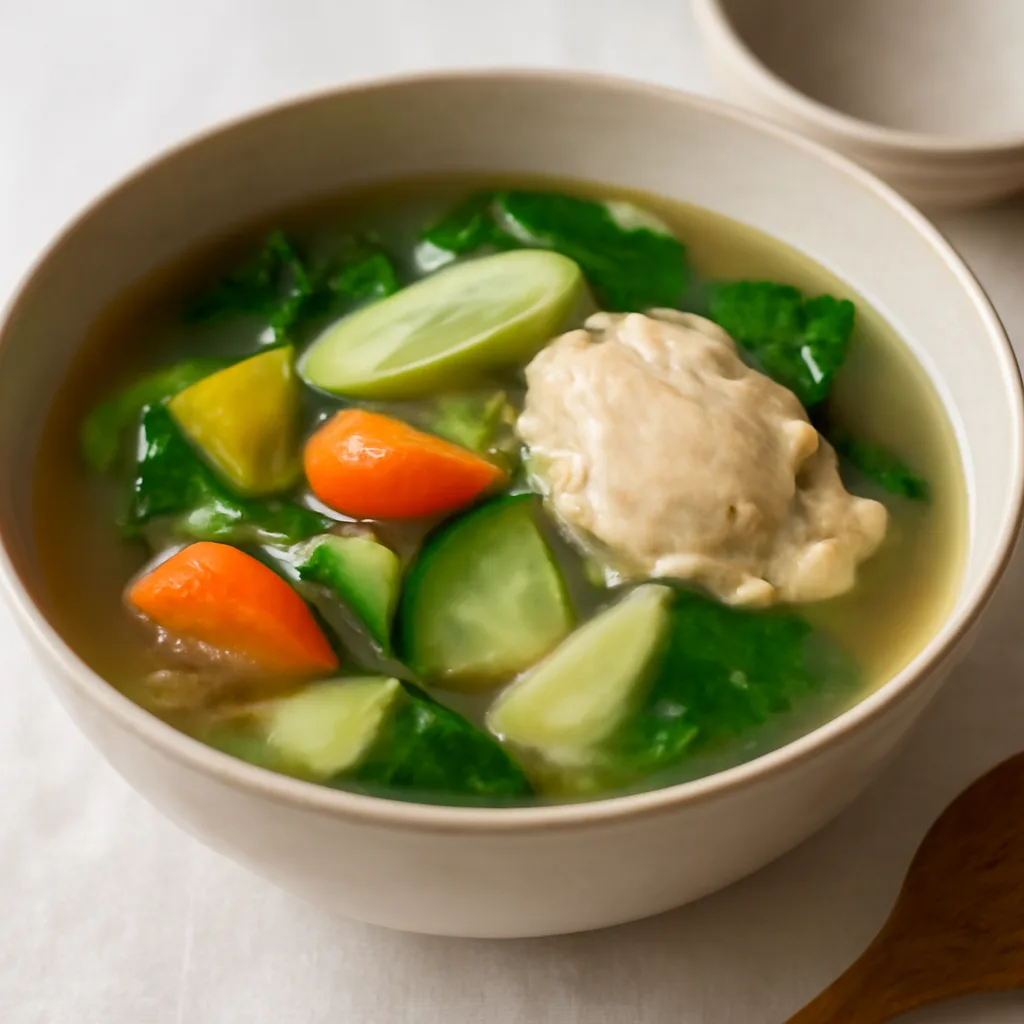
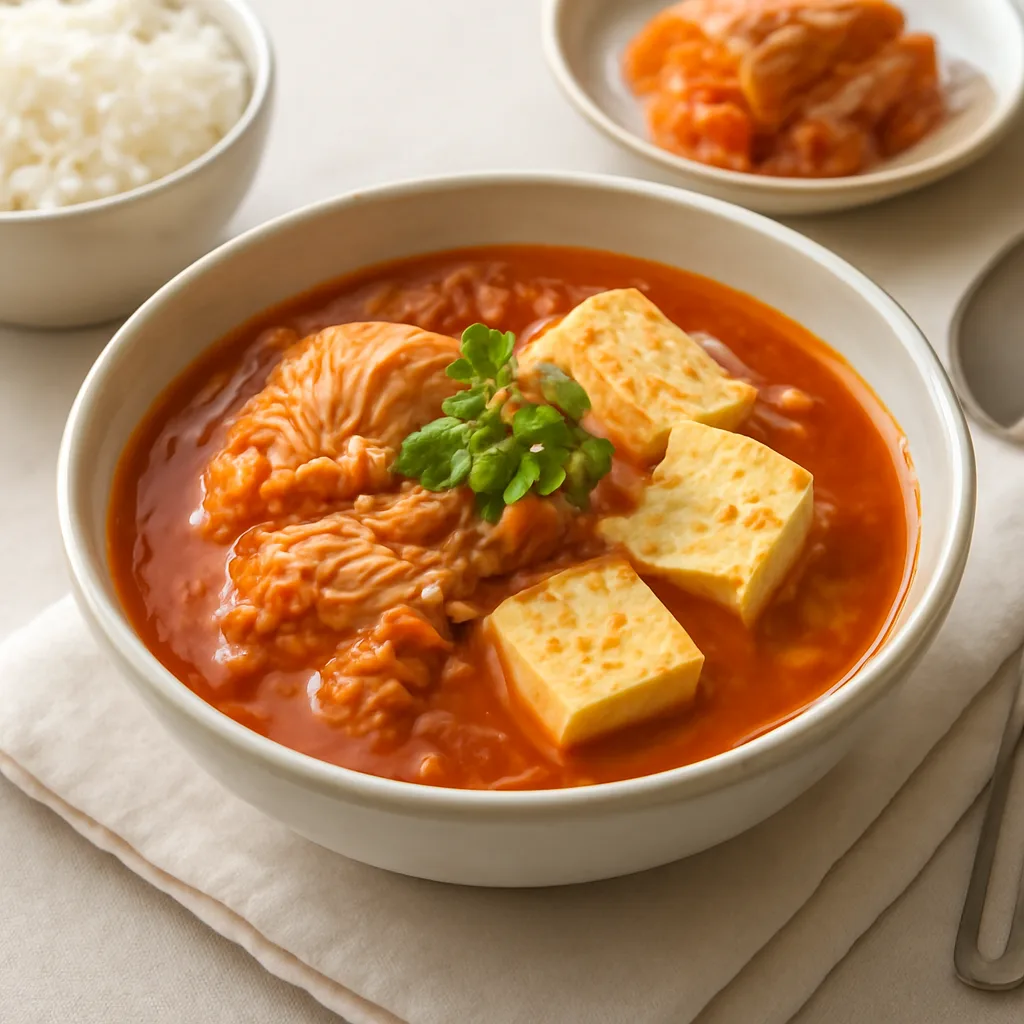
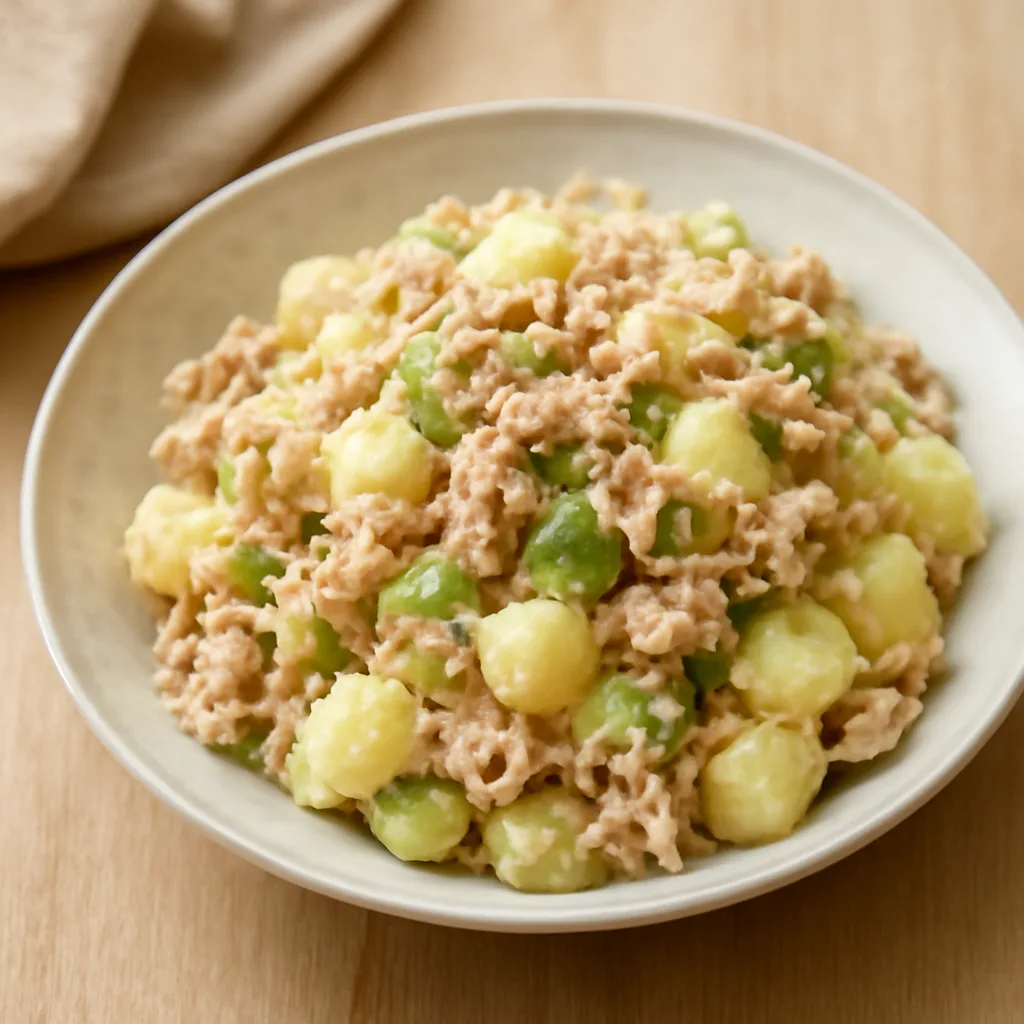
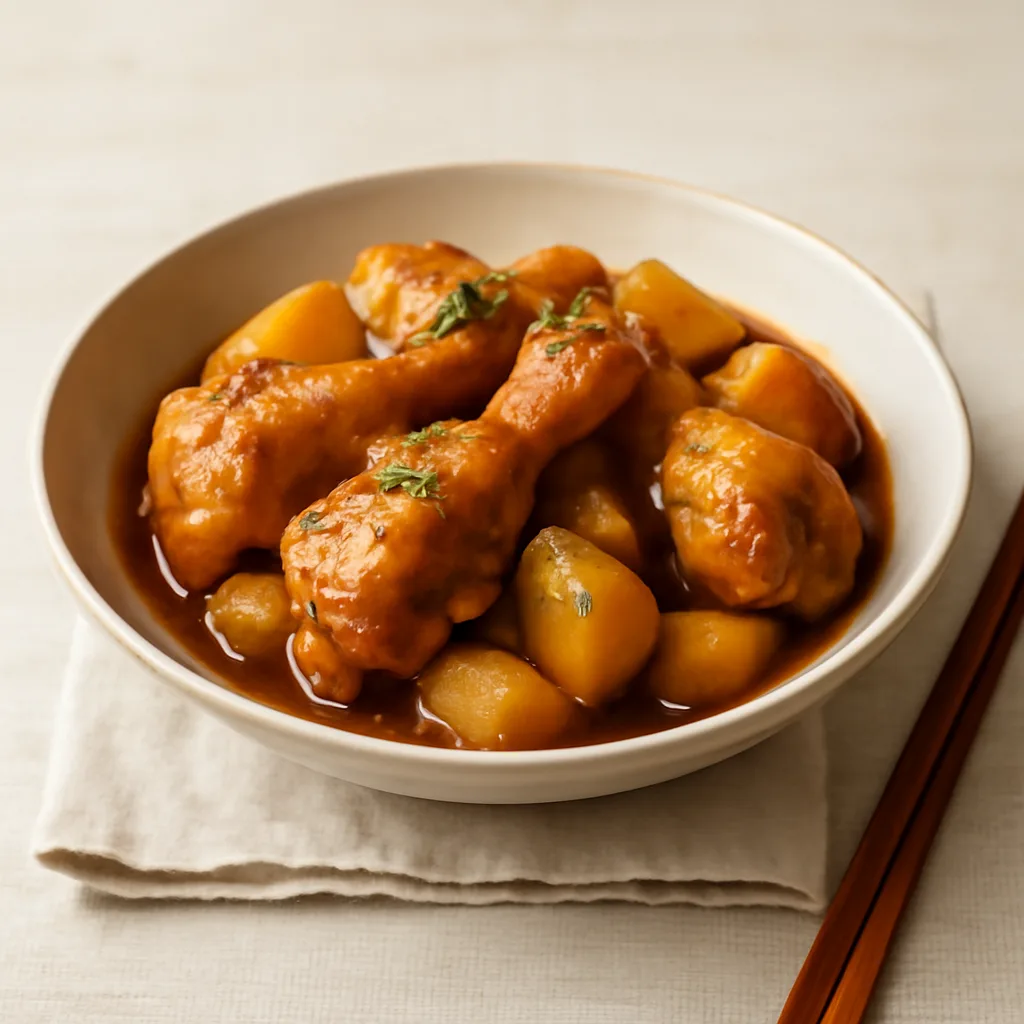
Here are the foods included in this theme, sorted by views from CookPagoda's public food.