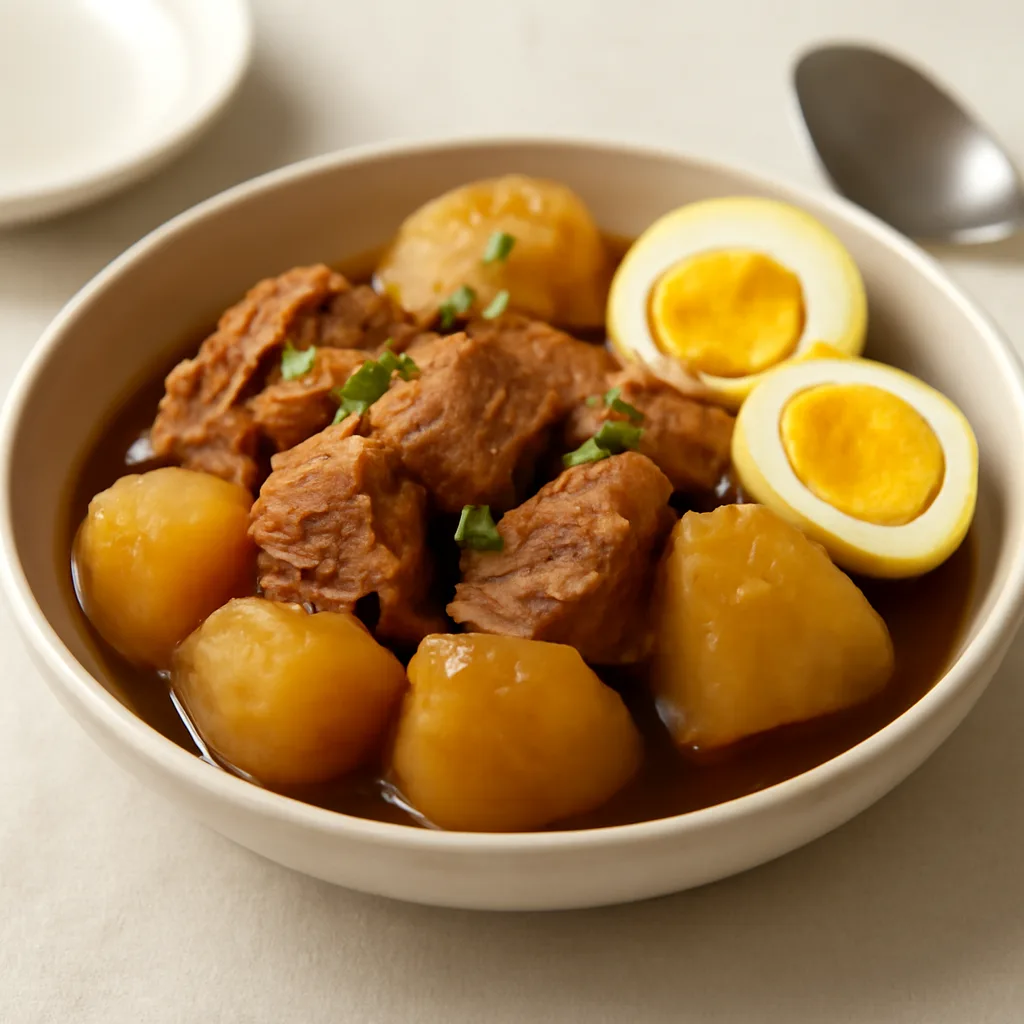
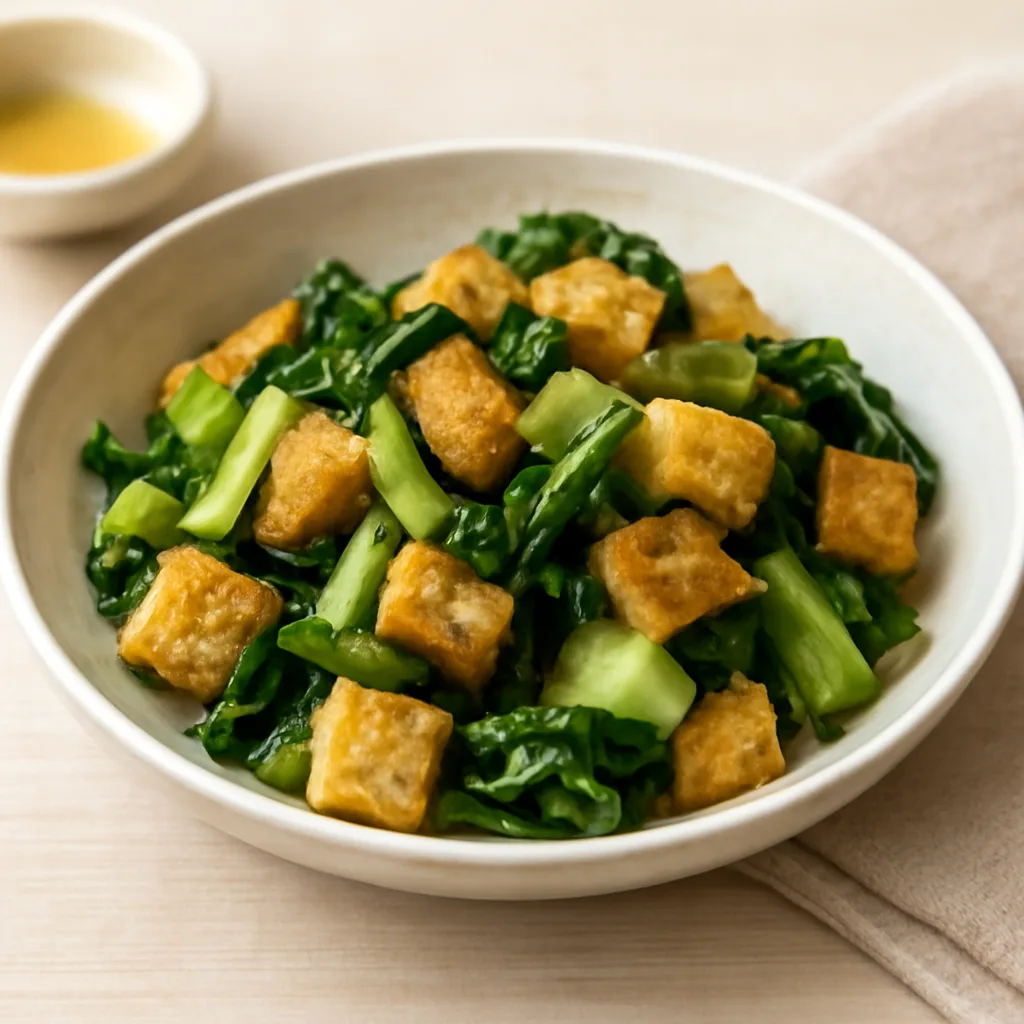
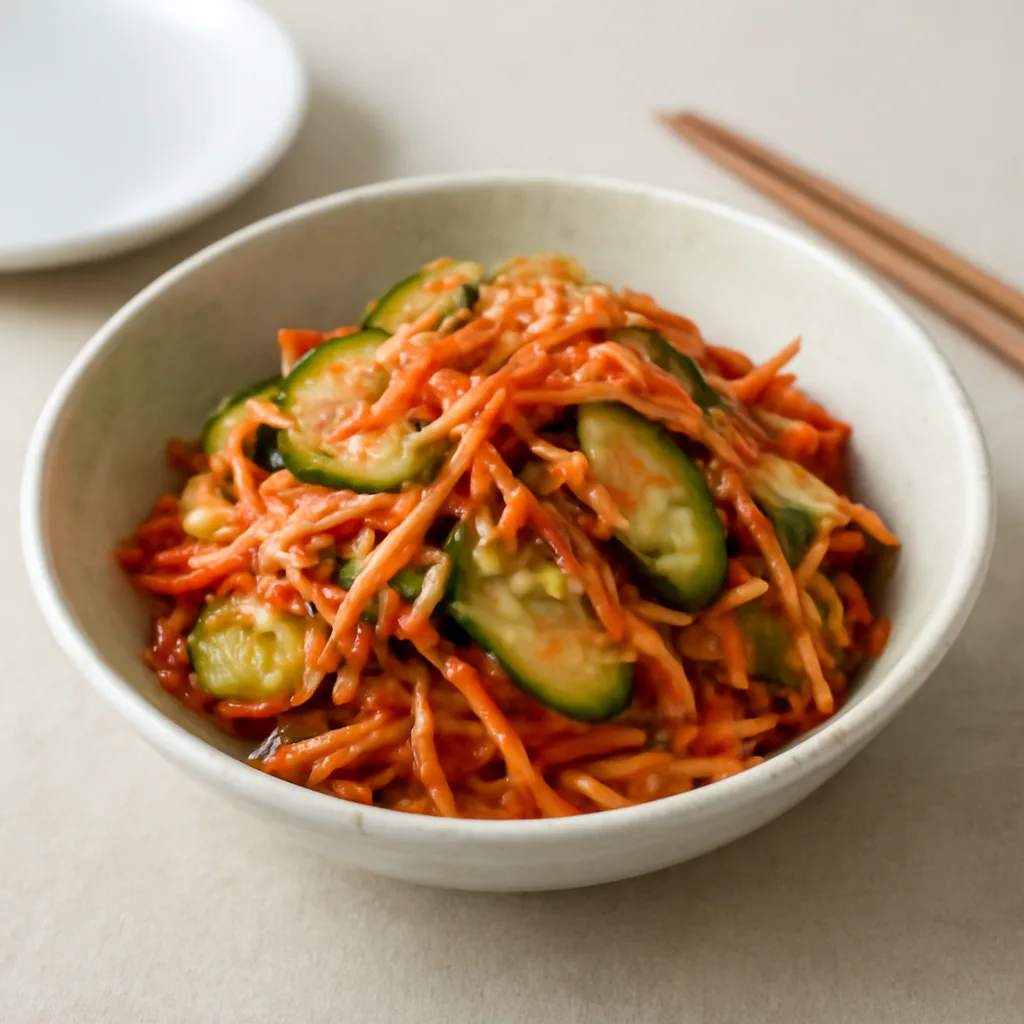
Theme guide
Check the selection criteria and cooking ideas for foods that match this theme.
Side dishes are foods that accompany staple dishes like rice or soups to adjust the flavor and texture of the table. Since they’re not limited to a single ingredient or method, think of choosing from a variety of roles—savory stir-fry, braising, refreshing salads, and mild side dishes from simple greens—by combining different types of foods. When choosing side dishes, it’s good to first check the seasoning of the main dish and the soup. If the soup or stew is rich and salty, it’s better to pair it with milder sides like blanched vegetables or soft sides such as tofu rather than adding multiple strong pickles or salted seafood, which would increase the overall saltiness. Conversely, for a light meal with rice and a clear broth, one bold side such as a stir-fry or braised dish can anchor the meal while other accompanying dishes provide variety. A good side-dish arrangement isn’t about increasing the number of types, but about ensuring contrasting textures and temperatures (hot and cold, soft and crunchy) don’t overlap. Not all side dishes keep well for long, so plan to prepare watery salads in small portions for nearby meals and braises or stir-fries in quantities that can be used across several meals.
Well-suited for these people
- It’s well suited for people who want to flexibly adjust the table setting without creating a new main dish for every meal.
- Useful when packing bento boxes or preparing simple home meals and wanting to add clearly flavorful, cold-serving items to accompany the meal.
- In meals where rice and soup are already present, compressing to one or two side dishes is enough, but if the main dish’s flavor is monotonous, adding a contrasting texture helps.
- In hosting situations where many dishes are served at once, avoid over-extending variety that could clash with prep times; instead, split choices between make-ahead options and quick-to-make salad components.
Food Selection Guide
- First, taste the seasoning of the main dish. If the broth or sauce feels strongly seasoned, the cause may be overlapping saltiness or spiciness, so choose milder options like blanched vegetables or plain eggs/tofu for the next side dish.
- If the table has only soft foods, add something crunchy or with a defined texture, such as cucumber, radish, or bean sprouts in a salad or fresh cut, to provide a contrast.
- If braises and stir-fries are already present and flavors are greasy or rich, choose low-sauce greens or a tangy salad; if the sourness clashes with the main dish, reduce the amount as a small side portion.
- Distinguish between side dishes meant to be eaten right away and those to accompany across several meals; foods with high moisture should be made in small portions as the sauce may loosen over time, while braises or stir-fries that retain their shape when sauced can be prepared in larger quantities.
Frequently paired ingredients
- Vegetables are widely used in greens, salads, and stir-fries, with seasonal picks like spinach, bean sprouts, eggplant, potato, and radish depending on season and cooking time.
- Tofu, eggs, and legumes can add a relatively soft texture and balance spicy braises or strong soups when served together.
- Anchovies or dried shrimp can add umami to stir-fries, but if the broth flavor is already strong, use smaller amounts on one plate.
- Soy sauce, doenjang, gochujang, red pepper powder, sesame oil, garlic, and sesame seeds are common seasonings; use only one or two complementary flavors at a time to avoid all side dishes tasting similar.
Compatible cooking methods
- Blanching helps preserve the texture of leaves or bean sprouts for salads or quick kimchi-like preparations; if the ingredient becomes mushy, that may indicate overcooking, so blanch then immediately drain and season.
- Stir-frying removes moisture to enhance fragrance and rich flavor; avoid crowding the pan or adding too much moisture, especially with watery ingredients, which can lead to stewy results.
- Braising suits ingredients that absorb flavors like potatoes, radish, or tofu; if the sauce dries too quickly and seems salty, add water or stock and cook on a gentle heat until the ingredient is tender.
- Salad-type preparations suit cooked or raw ingredients to preserve crispness; avoid adding sauce too early to prevent moisture release; if crunch is important, dress just before serving.
Tips for beginners
- Start with two side dishes per meal to avoid flavor overlap, such as one soft and one crunchy side.
- Don’t add a lot of seasoning at once; mix once, taste, and adjust. If soy sauce or salt is strong, it’s easier to adjust from a lighter start.
- Watery greens or salads can release moisture that dulls flavor; blanch, cool, squeeze lightly, then mix to keep flavors bright.
- If garlic or chili powder burns, release aroma first, then quickly add ingredients or seasonings and lower heat; long sautéing of strong-seasoning blends may not suit beginners.
Menu Composition Tips
- Arrange sides with different flavor directions on one table; if there’s a soy-braised dish, pair with a gochujang stir-fry or lighter greens to keep flavors distinct.
- Prepare braises or stir-fries that can cool first, and save blanching and salads for the end to preserve texture contrast.
- For multi-meal planning, avoid repeating the same ingredient in different forms; if you braised potatoes, next side should be a contrasting choice like a green salad rather than another potato dish.
- If there are two or more spicy sides, provide a milder option so diners can choose; even if the table is for those who love spicy foods, all items being extremely hot and salty reduces flavor variety.
Foods included in this theme
Here are the foods included in this theme, sorted by views from CookPagoda's public food.