Ingredient Encyclopedia
Check the characteristics of the ingredients and how to use them in cooking.
fish cake
2
3
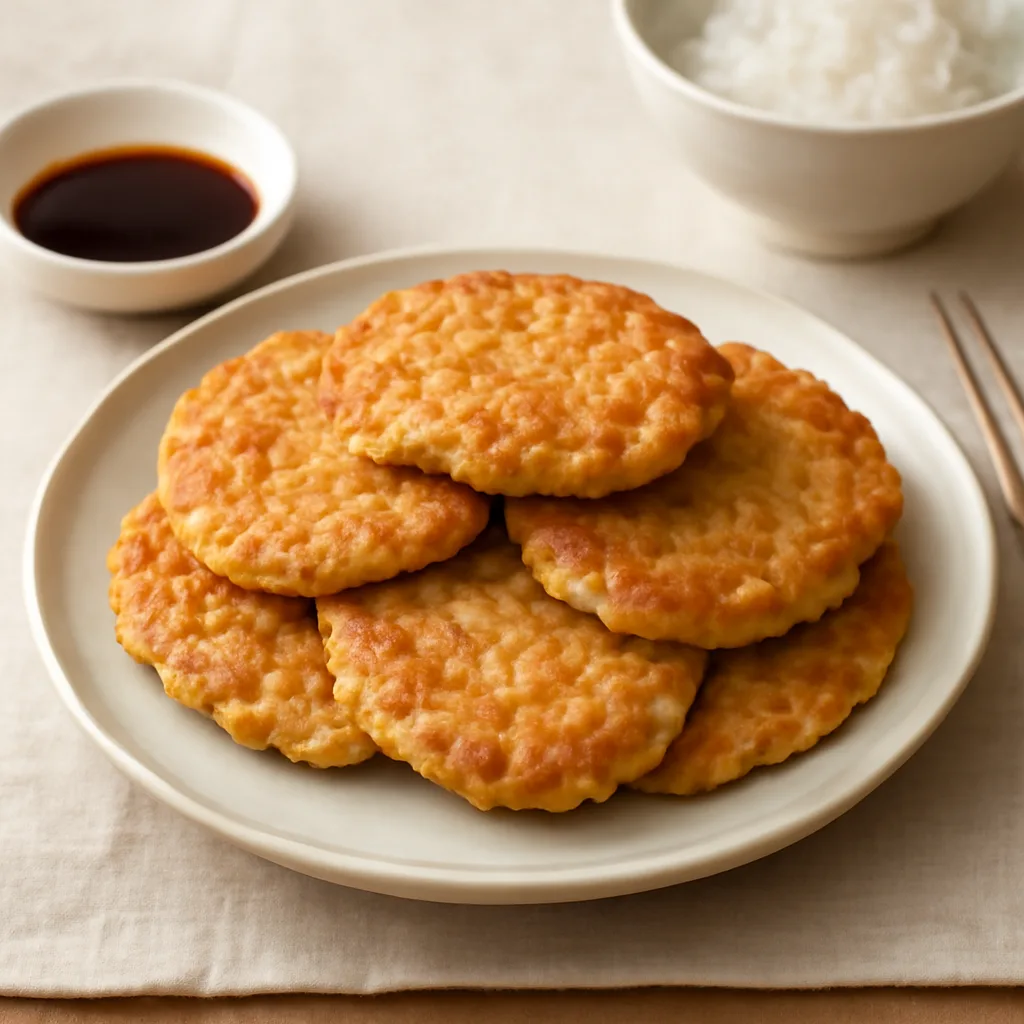
Odeng (fish cake) is a processed ingredient made by finely mincing fish flesh, seasoning and kneading into a dough, then cooking. It adds umami and chewy texture to broth-based and stir-fried dishes. Shapes vary, including sheet, stick, and round forms, and the shape affects how quickly broth penetrates and how easy it is to cut. In broth, it absorbs seasonings and stock becoming soft and moist, and when stir-fried the seasonings cling well to the surface. Many products are already cooked, so it is better not to cook it for a long time; add it at the final stage to preserve texture according to the doneness of other ingredients. Odeng is widely used in dishes such as odeng stir-fry, skewer odeng soup, and tteokbokki, which use soy sauce, gochujang, and chili powder seasoning. However, because saltiness and fat content vary by product, it is stable to adjust the flavor after tasting rather than seasoning heavily from the start.
Taste and Texture
Odeng has a subtle fish aroma and savory umami, and some products may have sweetness or a peppery note. Many are already seasoned, so in a clear broth it is best not to over-add other seasonings. Characteristic is firm, bouncy chew and soft resilience. When briefly heated it is springy, but when simmered longer it absorbs more broth and becomes soft; some products may spread out or have a rough surface.
Main uses
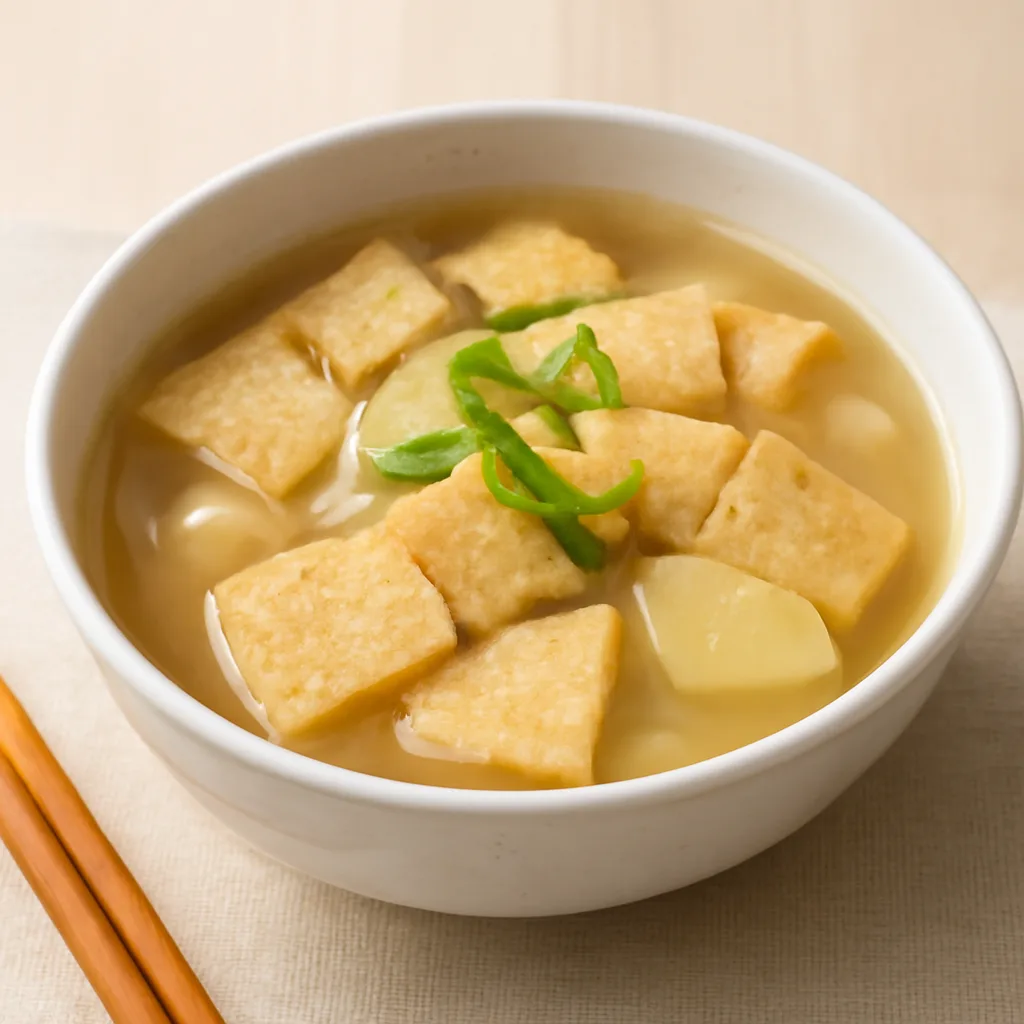
- Make a simple odeng soup by adding skewers or large chunks to a clear broth with radish, leek, and kelp. If added after the broth boils, it won’t become overly mushy and will absorb the broth flavor.
- Thinly sliced odeng are sautéed with onions, carrots, and green onions as a side dish. When using soy sauce, simmer it around the edge of the pan briefly, then mix so that sweetness and saltiness don’t clump together in one spot.
- Add it to tteokbokgi to create contrast with the rice cake. When the tteok becomes soft enough, adding odeng helps the flavors penetrate without the sauce making it overly mushy.
- Cut into small pieces and use as a filling for kimbap, inari sushi, or fried rice. In this case, dry the odeng by frying to remove moisture before adding to keep the rice from getting mushy.
Preparation tips
- Open the package and, if smell is strong or surface oil is noticeable, blanch briefly in boiling water and drain. If blanching too long, texture may weaken, so just until the surface is warmed.
- For soup use, cut large and wide pieces; for stir-fry, cut into bite-sized squares or thin long pieces. If cut too thin, it can dry out or break during stir-frying.
- In stir-frying, you don’t need to use a lot of oil. If the odeng itself feels oily, first sauté vegetables to add aroma, then add odeng and seasoning.
- If you want it to absorb seasoning, add odeng and then add a small amount of water or stock to braise briefly. Conversely, to make it a drier side dish, use less liquid and finish on high heat to evaporate remaining moisture.
Cooking characteristics
- When added to boiling broth, the surface softens first and it absorbs the broth’s seasoning. If the broth tastes too salty too quickly, the odeng may already have absorbed salt from itself, so adjust salt or soy sauce at the end.
- When stir-frying in a pan, the edges should brown slightly and become glossy to allow seasonings to cling. Do not overcook on high heat, as it can become tough; finish briefly after adding seasoning.
- Sauces with high viscosity, like gochujang, adhere to the surface of odeng but can burn easily. If the pan dries quickly, gradually add water or stock to loosen the sauce.
- Frying or air-frying makes the exterior firmer and more toasty but can cause moisture loss inside. Good for a crispy texture, but not ideal for dishes where a soft texture is desired in broth.
Good combinations
- Vegetables that release sweetness and moisture, such as radish, leek, onion, and cabbage, soften the saltiness of odeng. For clear broth, first simmer radish and leek well before adding odeng to match cooking times.
- Soy sauce, garlic, and sesame oil pair well with light stir-fries; gochujang, chili powder, and sugar suit spicy-sweet sauces like tteokbokki. If the product is already very sweet, reduce sugar or corn syrup to avoid heaviness.
- Tofu, egg, konjac, or fried tofu are good accompaniments for odeng soup or snack-style dishes. However using several processed ingredients at once can quicken the broth’s saltiness, so start with a lighter stock.
Points to consider when substituting
- To replace the chew and umami in broth dishes, use fried tofu, meatballs, or firm tofu as appropriate. Note that fried tofu is more soft and fatty, and tofu won’t provide the same chewy texture as odeng.
- For stir-fried dishes, you can substitute thinly sliced tofu, mushrooms, or shredded chicken, but cooking times will differ. Remove moisture from tofu and mushrooms first, and add chicken only after it is fully cooked before saucing.
- If you omit odeng from tteokbokki, you can still make it with just the rice cakes, but the broth’s umami and the textural contrast will be reduced. In this case, increase onions or green onions, or adjust the depth of the stock rather than simply adding more seasoning.
Ingredients commonly used together in actual dishes
Aggregated based on the co-occurrence count of representative ingredients in public dishes registered in CookPagoda.
Dishes that use this ingredient
Shows dishes where this ingredient is a representative ingredient, sorted by view count.