Ingredient Encyclopedia
Check the characteristics of the ingredients and how to use them in cooking.
konnyaku
1
1
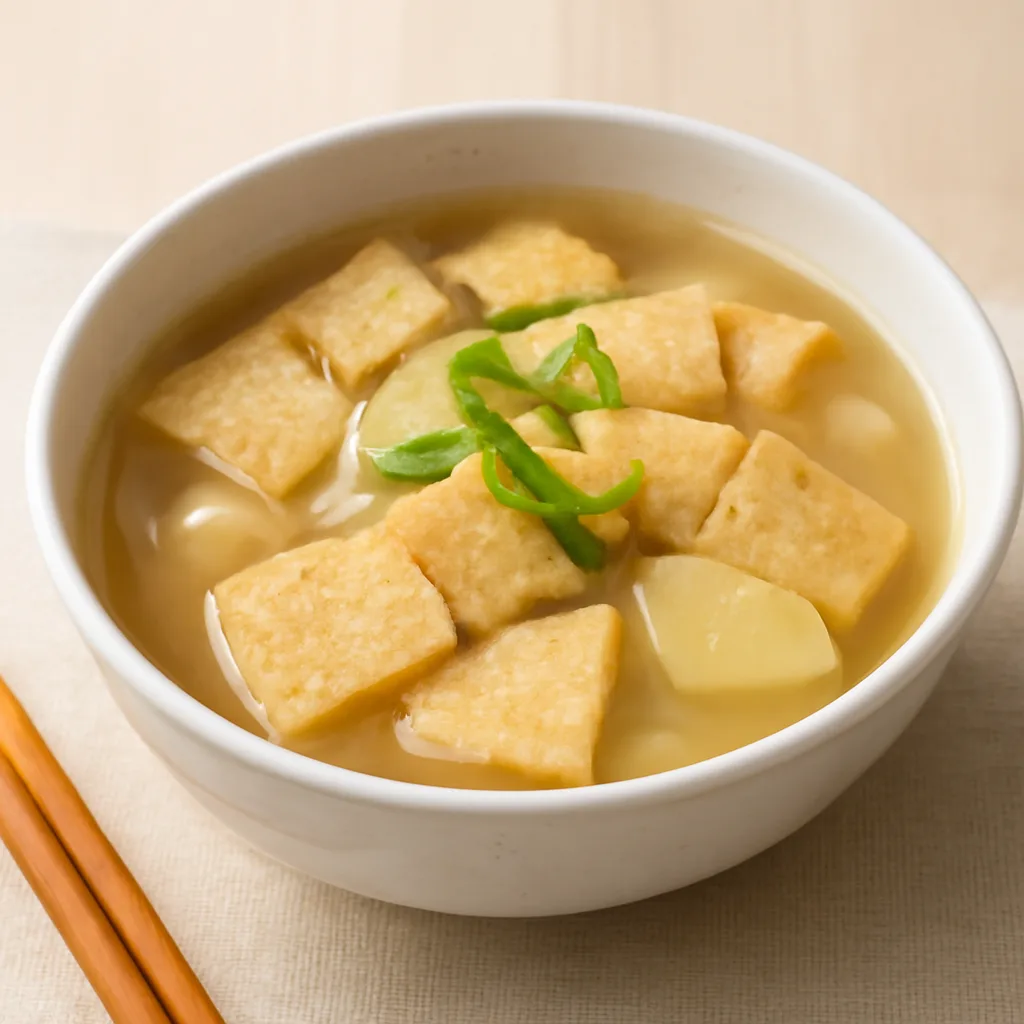
Konyaku is a translucent ingredient made by processing konnyaku potato, used in chunks, noodles, or rice grain shapes. It has a very mild flavor, so it’s good for absorbing the taste of broth, seasonings, and sauces. It particularly comes alive when cooked with liquids that have some seasoning, like braises or hot pots. Its firm yet elastic texture is useful when you want extra bite. However, the flavor may not deeply penetrate the interior quickly, so methods that only quick-fry are less suitable; scoring or blanching and then simmering enough is a better fit. It may not pair well with dishes that expect a potato or tofu-like soft texture to melt in.
Taste and Texture
Konyaku has almost no aroma or taste of its own, and some products may carry the distinctive smell of the packing liquid. Rinsing in water and blanching reduces this, making it easy to use in clear broths or delicate seasonings. The texture is bouncy and slightly slippery, and it does not break easily even after long simmering. Scored konnyaku has increased surface area, helping seasonings cling and boosting the pairing with the delicate flavor, but if cut too thin, the chewy presence becomes weaker.
Main uses
- Simmer with fish cake, radish, and eggs in soy sauce-based broth for side dishes or lunchbox additions. Scoring konnyaku into a grid helps seasonings adhere to the surface, balancing its mildness.
- Add to hot pots like jeongol, odeng soup, or shabu-shabu to provide a chewy element. It’s more about adding a resilient texture between other ingredients rather than strengthening the broth’s flavor.
- Konnyaku noodles or konnyaku rice can be used in stir-fried noodles, bibimbap-style dishes, or fried rice. If you don’t remove enough moisture, the sauce can become watery and the stir-fry aroma won’t come through well.
- Thinly sliced konnyaku stir-fried in spicy seasoning or braised to become a banchan. Fermented or savory sauces with thickness and umami like gochujang or soy sauce pair well with konnyaku’s mildness.
Preparation tips
- Rinse konnyaku from the package under running water several times before use. If a strong odor remains, briefly blanch in boiling water and drain again to reduce the scent.
- Block konnyaku should be cut into triangles, thin rectangles, or bite-sized pieces to suit the dish. When braising, score one side lightly or twist the center to tie so more surface holds the seasonings.
- For stir-fry, first dry-sauté rinsed konnyaku in a dry pan to remove moisture, then add oil and seasonings. When the pan bottom has almost no moisture, adding the next ingredient helps prevent the sauce from becoming too thin.
- For broth-based dishes, konnyaku won’t easily fall apart if added late, but if you want a stronger aroma in the broth, add it toward the end to heat through.
Cooking characteristics
- Konnyaku does not become soft or melt significantly when heated, retaining its springy texture. Therefore, in long-simmered stews where the ingredients naturally thicken, it’s better to add konnyaku as a separate texture component rather than relying on it for the thickening effect.
- If you start by adding seasonings and frying on high heat, the moisture from the konnyaku can make the seasoning seem thin. Instead, first fry konnyaku to reduce moisture or split the seasoning into parts to braise and avoid excess saltiness.
- When cooked in soy sauce-based seasonings or stock, flavor seeps between the surface and the scored lines. Thick pieces may stay relatively mild in the center, so for a stronger taste, cut smaller or extend braising time.
- Frying in a batter is possible, but konnyaku’s slick surface and high moisture can make the coating lift. If using, pat dry thoroughly and dust lightly with flour before cooking.
Good combinations
- Soy sauce, dashi (kombu and bonito), processed fish cakes, daikon, and hard-boiled eggs are familiar pairings that complement konnyaku’s mildness.
- Seasonings with gochujang, gochugaru, garlic, and sesame oil add depth to konnyaku stir-fries. However, sesame oil can lose its aroma with prolonged heating, so add it at the end.
- Mushrooms, cabbage, and green onions, which contribute broth-like flavors, help reduce the sense of konnyaku being bland on its own.
- When paired with fatty meats or fish cakes, konnyaku’s texture provides contrast; with delicate cream sauces made from soft ingredients, the texture may feel too bouncy.
Points to consider when substituting
- If the goal is the chewy texture of konnyaku in stews or braises, substitutes like udo, jelly-like tofu, or firm tofu can partially replace it, but heat tolerance and the way they absorb seasonings differ.
- If you want noodles similar to shirataki instead of konnyaku noodles, you can use dangmyeon (glass noodles) or rice noodle sheets. Note these contain starch and can alter broth viscosity and sauce thickness, so adjust soaking times and seasoning.
- If konnyaku is missing from a braise, you can increase mushrooms, shiitake, or fish cakes and the dish will still work. However, it won’t replicate the signature springy texture, so if texture is key, consider mixing in substitute ingredients.
Ingredients commonly used together in actual dishes
Aggregated based on the co-occurrence count of representative ingredients in public dishes registered in CookPagoda.
Dishes that use this ingredient
Shows dishes where this ingredient is a representative ingredient, sorted by view count.