Ingredient Encyclopedia
Check the characteristics of the ingredients and how to use them in cooking.
Red chili powder
7
5
Red pepper powder is a seasoning made by finely or somewhat coarsely grinding dried chili peppers, adding color, heat, and the distinctive aroma of chili to dishes. The granularity and heat level vary by product, so even the same amount can affect the color of the broth, the spiciness, and the texture. For foods where fresh red pepper aroma shows, such as kimchi or seasoned vegetables, use those with bright color and clean aroma; for stews, stir-fries, and braises, dissolve it in oil or broth to spread the flavor. Because not every dish can use the same product, when the heat level is uncertain, it's safer to start with a small amount, taste, and adjust.
Taste and Texture
In addition to straightforward spiciness, red pepper powder carries a subtle sweetness, a fresh or earthy pepper aroma, and a slight dry scent. Finely ground powder distributes color and heat relatively evenly, while coarsely ground powder leaves more of the chili fragment texture. In broth, particles may settle or float; in seasoned or mixed dishes, they cling to the surface with the sauce’s viscosity. If the aroma seems dull or burnt, it is usually from overroasting or high heat, so shortening the cook time is preferable for foods where the aroma should stand out.
Main uses
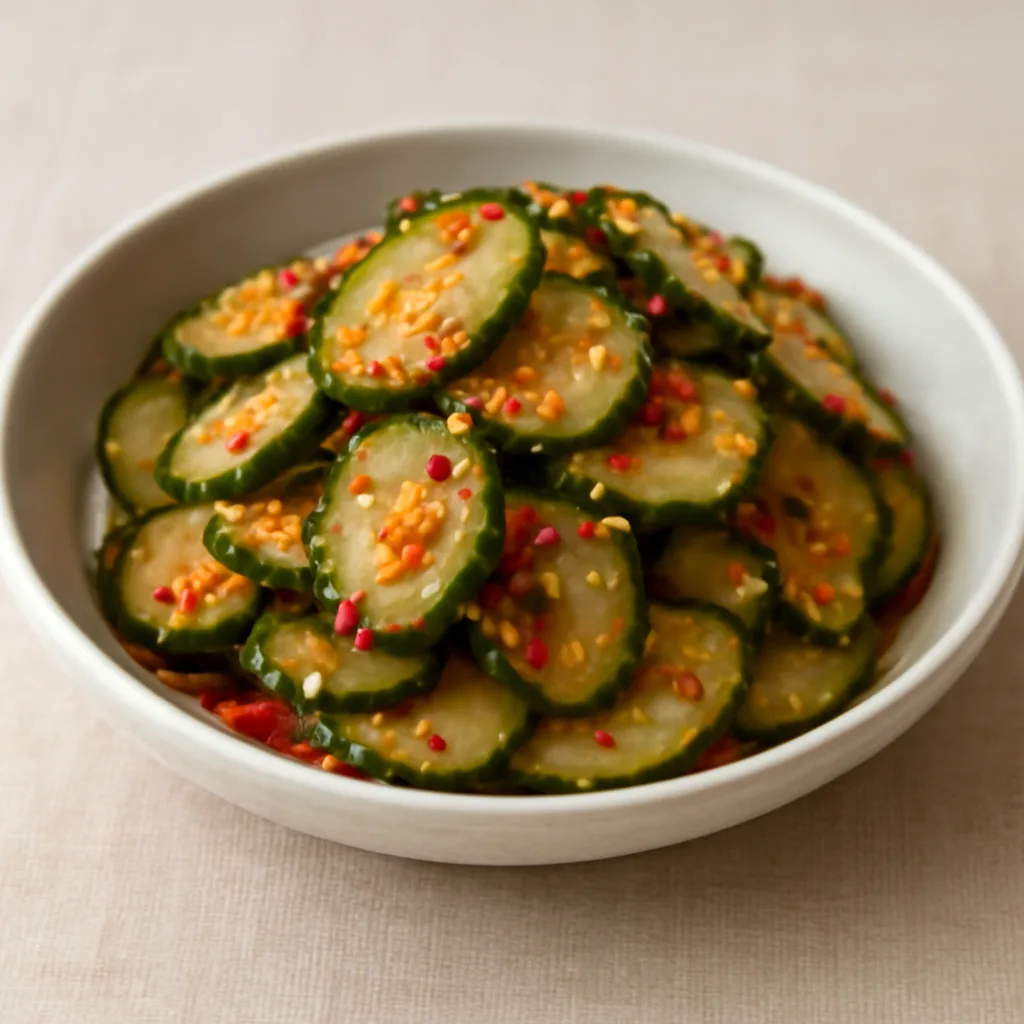
- Used to enhance the red color and chili aroma in kimchi seasoning, fresh kimchi, cucumber salad, and other dishes where the red seasoning and chili aroma are important.
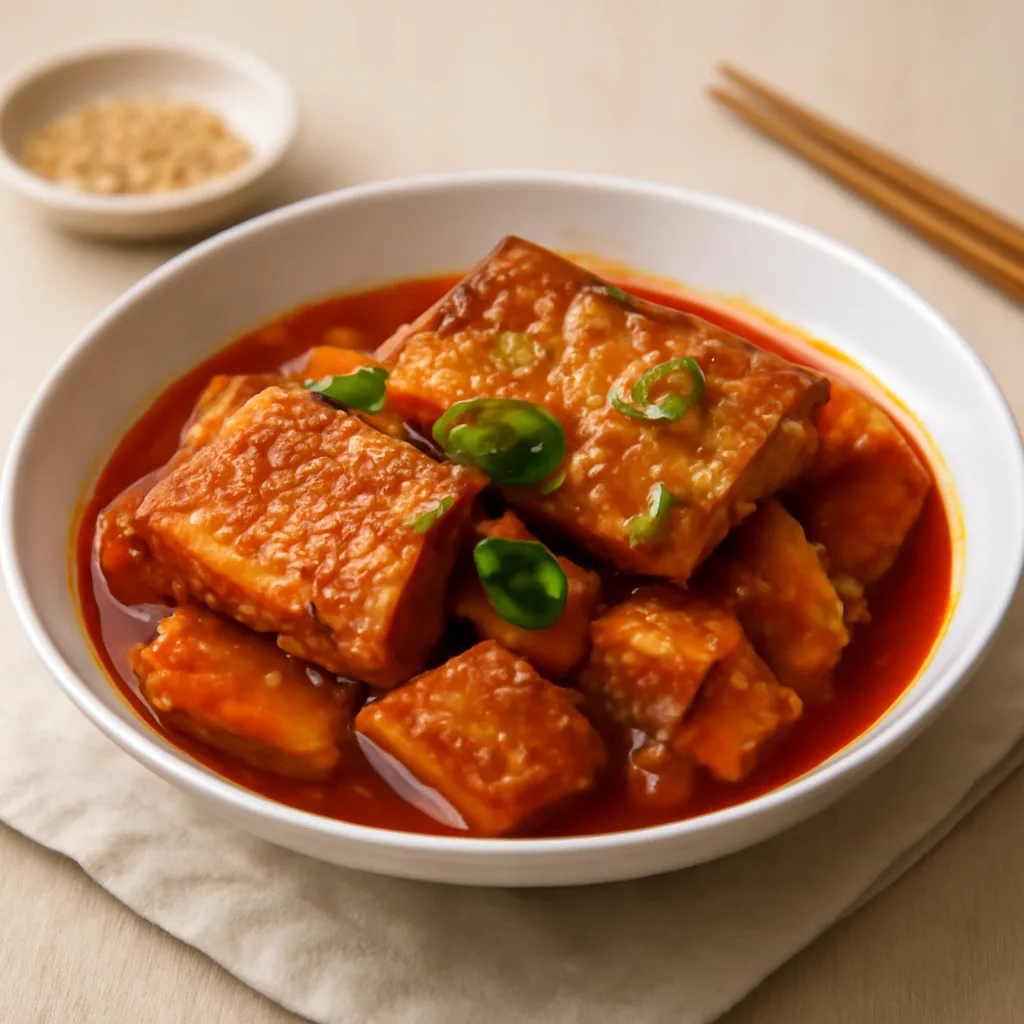
- In broth-based dishes like kimchi jjigae, soft tofu stew, or spicy beef soup, you can make chili oil or dissolve it directly in the broth to add color and spiciness.
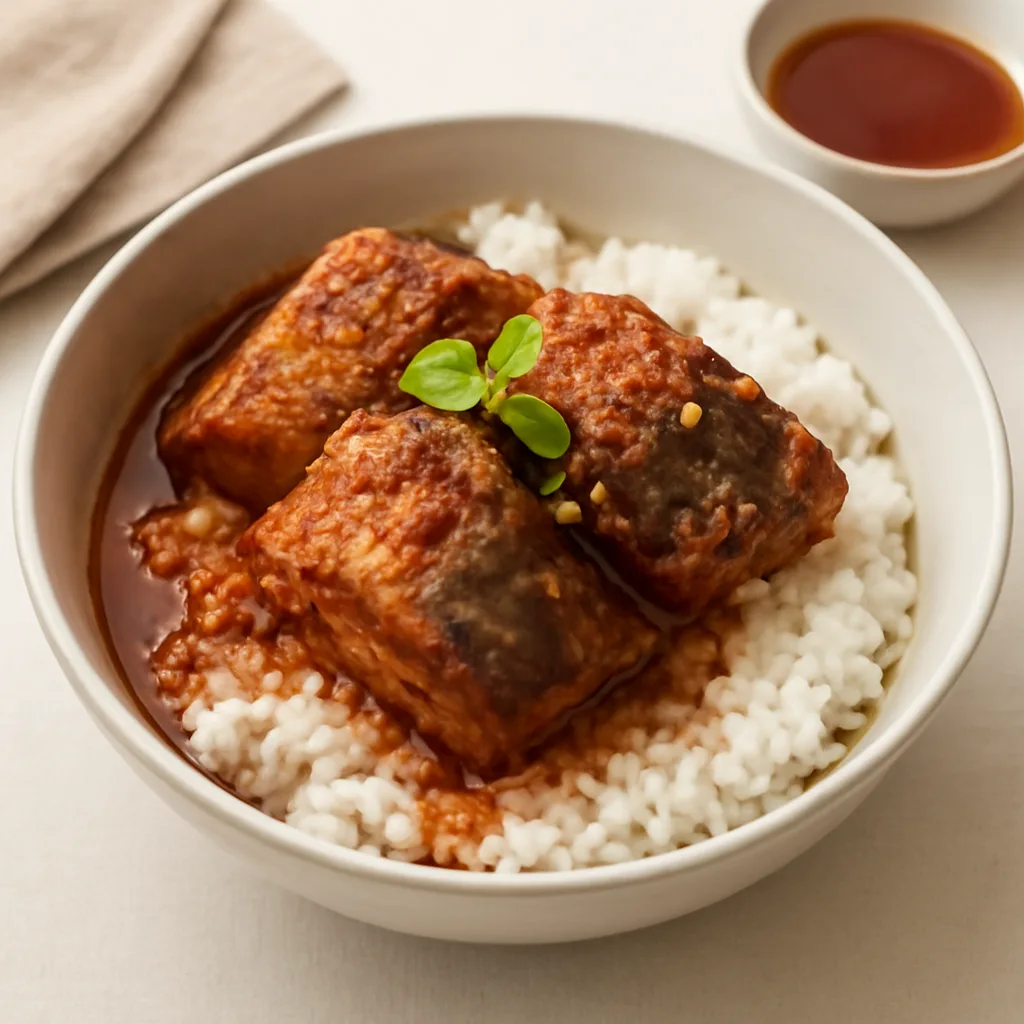
- In stir-fried pork or chicken, or braising marinades, add with gochujang to create layers of heat.
- When added to sauces or bibim-style sauces, mix with ingredients that balance moisture and flavor, such as soy sauce, vinegar, sugar, or corn syrup.
Preparation tips
- Check aroma and color before use. If the red color is dull and the aroma is weak, the finished dish may also look dull, so for dishes like seasoned vegetables, it’s good to start by dissolving a small amount first.
- When adding to stews or stir-fries, briefly sauté with minced garlic, scallions, and oil, or dissolve directly in water or stock. Frying in oil intensifies aroma and color, but if kept on high heat too long, it can develop a bitter taste.
- For kimchi or seasoned vegetables, mix the chili powder with liquid ingredients first and let sit for a while; the particles absorb moisture and the seasoning is less likely to be grainy. However, if soaked too long, the fresh pepper aroma may weaken, so use only as long as needed for the dish.
- If the heat level is strong, don’t add the entire recipe quantity at once; start with a portion and adjust for salt and spiciness.
Cooking characteristics
- When it touches oil briefly, the red color and aroma spread into the oil, making the base flavor of stir-fries or stews more distinct. If the oil is hot enough to produce smoke, the chili powder can scorch quickly, creating brown spots and bitterness, so lower the heat or add liquid ingredients immediately.
- When added to broth, color and heat spread over time, but the particles do not fully dissolve. For dishes requiring a clear broth, use smaller particles or use chili oil to impart aroma instead.
- When used with gochujang, chili powder complements the dry, bright chili aroma and gochujang adds sweetness and thickness. Doubling both ingredients will change not only spiciness but also sweetness and depth, so adjust separately.
- When mixed with acidic ingredients, the heat can taste sharper. If a vinegar-based seasoned dish is too刺激, instead of adding more chili powder, adjust with a touch of sweetness or sesame oil to mellow.
Good combinations
- Garlic, scallion, ginger, soy sauce, fish sauce, and sesame oil are combinations that support the chili aroma of chili powder.
- For meat with fat, such as pork or chicken, the spiciness can feel gentler, making it good for stir-fries and braises.
- Water-rich vegetables like napa cabbage, radish, cucumber, and zucchini color well, but if they release a lot of water, the seasoning may become watery, so decide on salting or drying as needed for the dish.
- When using with miso or gochujang, flavors can become heavy. For a clean broth or light greens, base the dish on one of them and reduce the amount.
Points to consider when substituting
- The closest substitutes are other types of chili powder, but fine vs. coarse grind, and spicy vs. mild yield different results. For kimchi or seasoned vegetables, particle size and color matter more, while for stews, the level of spiciness and aroma balance is more important.
- You can partially substitute with gochujang, but gochujang has viscosity, sweetness, and saltiness, so using the same amount can make the seasoning sweet and thick. If stir-frying or braising, use less gochujang and readjust soy sauce, water, and sweetness.
- Fine cayenne pepper or chili powder can boost heat, but aroma and flavor mix may differ from chili powder. Especially blends with spices may not pair well as substitutes in kimchi or Korean-style seasoned vegetables.
- If the goal is red color rather than heat, you can mix in some mild paprika powder. However, paprika alone lacks the sharp chili aroma and spiciness, so choose based on what is primary in the dish.
Ingredients commonly used together in actual dishes
Aggregated based on the co-occurrence count of representative ingredients in public dishes registered in CookPagoda.
Dishes that use this ingredient
Shows dishes where this ingredient is a representative ingredient, sorted by view count.