Ingredient Encyclopedia
Check the characteristics of the ingredients and how to use them in cooking.
Vinegar
6
5
Vinegar is a souring ingredient made by fermentation, used to clarify the flavors of dishes and reduce fattiness. Depending on the type, traces of aroma and sweetness come from rice, grains, apples, grapes, etc., so even in the same amount, the impression of the dish can change. It is widely used in salads, pickles, sauces, soups, and stir-fries, and usually adding it at the end leaves the aroma relatively bright. If the acidity is strong, balance it with water, stock, oil, sweetness, or the inherent moisture of ingredients; however, increasing sweetness alone can make the flavor feel heavy. Vinegar acts less as a substitute for salt and more to brighten the savory flavors of ingredients like salt, soy sauce, and miso. Therefore, it is better to add small amounts first and check the point where the mouthwaters and the taste ends cleanly rather than adding a lot from the start.
Taste and Texture
The basic taste is sharp and refreshing sourness, and the aroma can be mild or fruity and deep depending on the vinegar’s source ingredients and aging method. Products with aroma like brown rice vinegar or apple cider vinegar stand out in cold sauces and salads, while clear brewing vinegar tends to be more neutral when you want other seasonings to stand out. As a liquid seasoning, it does not create texture directly, but it can cause vegetables to release moisture or alter the texture of the surface of proteins. Especially with longer marination, the surface tightens and can feel dry or chewy rather than tender, so time control is important.
Main uses
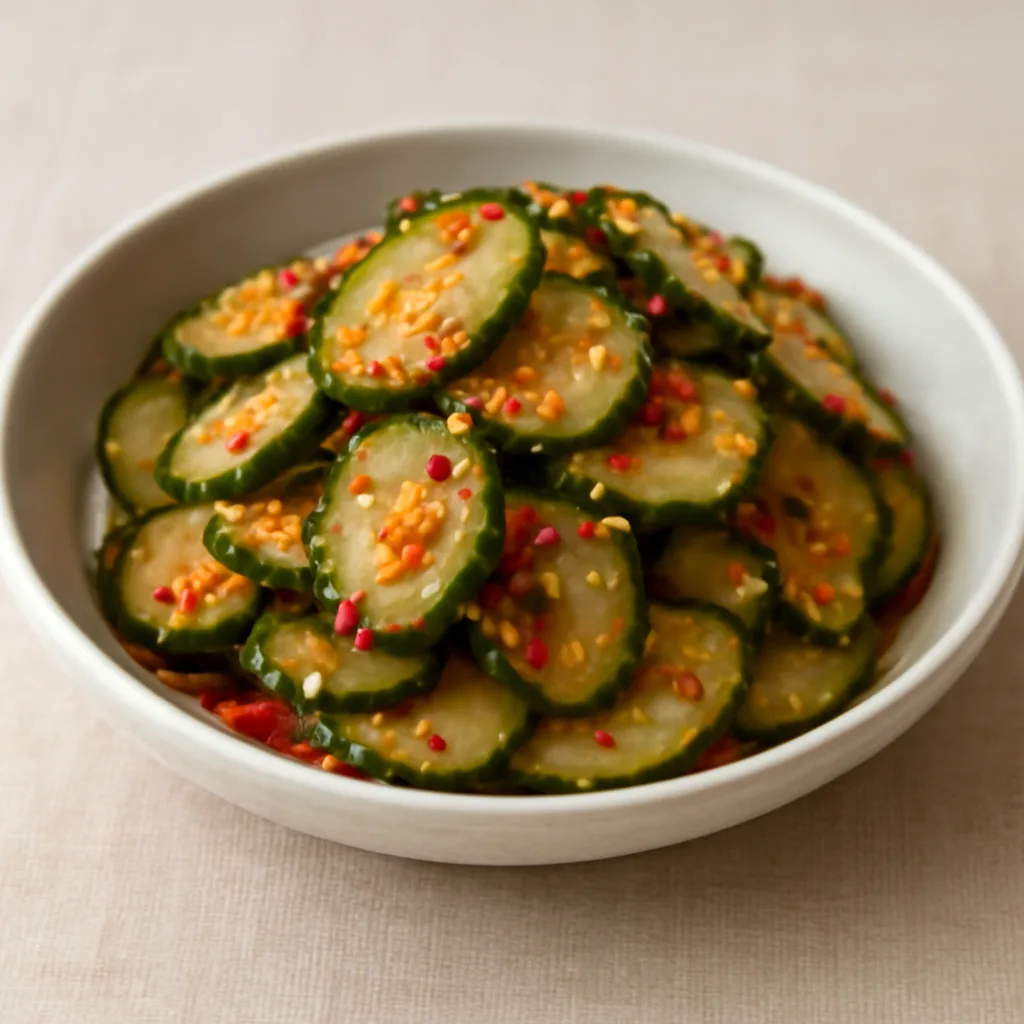
- When pickling or tossing vegetables like cucumber, radish, or cabbage, it adds a fresh contrast to crunchy ingredients. Brine should be balanced with water, salt, and sugars so it doesn’t become too sour or salty.
- Mix with soy sauce, chili pepper, minced garlic, and sesame oil to make a seasoned dressing or dip. If you want to bring out sesame oil aroma, don’t add too much vinegar and adjust only after tasting at the end.
- Cold dishes like seasoned noodles, chilled dishes, or salads dressings use it to balance the tangy and oily flavors. For noodle dishes, after tossing the noodles with seasoning, gradually add vinegar if the acidity is lacking to avoid excess sourness.
- When soups, stews, or braises feel oily or bland, use as a finishing acidity. However, strong aromatic vinegars may not pair well with dishes with strong fermentation aroma like doenjang jjigae or rich stocks, so it’s better to use lighter varieties in small amounts.
Preparation tips
- Usually you don’t need to shake the bottle before use, but if there are pulp or sediments, check the label and mix evenly before use. Smelling the aroma first makes it easier to gauge suitability for the dish.
- For salads, don’t pour vinegar all at once; mix the dressing first and add about half, then taste. If the sourness sticks to the side of the tongue, consider adding a little more water or moisture from vegetables.
- When pickling vegetables, decide whether to remove moisture with salt first or to submerge them directly in the vinegar brine. If you want to keep a crisp texture, pickle briefly; if you want a softer pickle, this method may not be suitable.
- When using vinegar on meat or fish, approach with only a short marinade to add aroma. If the surface turns white or hard, that’s a sign of long exposure to acid, so cook it immediately or wipe it off.
Cooking characteristics
- Heating reduces vinegar’s volatile aroma, but the acidity does not disappear completely. For dishes that need a fragrant acidity, such as stir-fries or broths, it’s appropriate to turn off the heat and add it at the end or in the finishing stage.
- If you add it early to boil, the strong vinegar aroma softens and a rounded sourness remains from the ingredients mingled. If the dish simmers for a long time and the acidity stands out more than expected, add water or stock to adjust the thickness and then adjust the seasoning again.
- Vinegar can make water come out when it meets vegetables. If pickled vegetables become mushy as time passes, mix them just before serving or drain the brine after pickling to adjust.
- If you add it directly to dairy or proteins with high moisture like dairy or soy milk, it can cause curdling. It can be used intentionally for curdling in certain recipes, but if you want a smooth cream sauce, add vinegar in small amounts and avoid too high a heat.
Good combinations
- Using soy sauce, salt, sugar or low-calorie sweeteners helps balance saltiness, sweetness, and acidity. If the dressing feels heavy, try a few more drops of vinegar, but rather than just increasing vinegar when already salty, adjust water or ingredient quantities as well.
- Sesame oil, perilla oil, or olive oil create a pairing that cuts the oily sensation with the acidity. However, with strongly flavored perilla oil, a milder vinegar may feel more natural than a fruit-flavored one.
- Garlic, ginger, chili, and mustard pair well to finish a spicy or sharp seasoning. If the spiciness is already strong, adding a lot of vinegar can clash; use sweetness or moisture from vegetables to balance.
- Especially good with mild or fatty ingredients like cucumber, radish, cabbage, seafood, or boiled meat. Delicate fresh vegetables or clear broths may be overwhelmed by strongly scented vinegars.
Points to consider when substituting
- If you don’t have vinegar, you can use lemon juice or lime juice for acidity, but the citrus aroma and slight sweetness will alter the taste of pickles or brines. It’s a good substitute for salads with fruit flavors or seafood dishes, but may not be suitable for traditional light pickles.
- Rice vinegar, brewing vinegar, and apple vinegar can be substituted for each other, but consider differences in aroma and sweetness. When using a strong vinegar, start with a small amount and adjust the acidity at the end as needed.
- Balsamic vinegar has color, sweetness, and a rich aroma, so it may be unsuitable for bright pickles or light-colored salads. On the other hand, for dishes requiring depth of flavor like roasted vegetables or meat sauces, some substitution is possible.
- If the focus of the dish is the vinegar’s acidity and the preserving brine, it is difficult to replace with water or soy sauce alone. In such cases, it’s easier to achieve the taste by using the desired vinegar.
Ingredients commonly used together in actual dishes
Aggregated based on the co-occurrence count of representative ingredients in public dishes registered in CookPagoda.
Dishes that use this ingredient
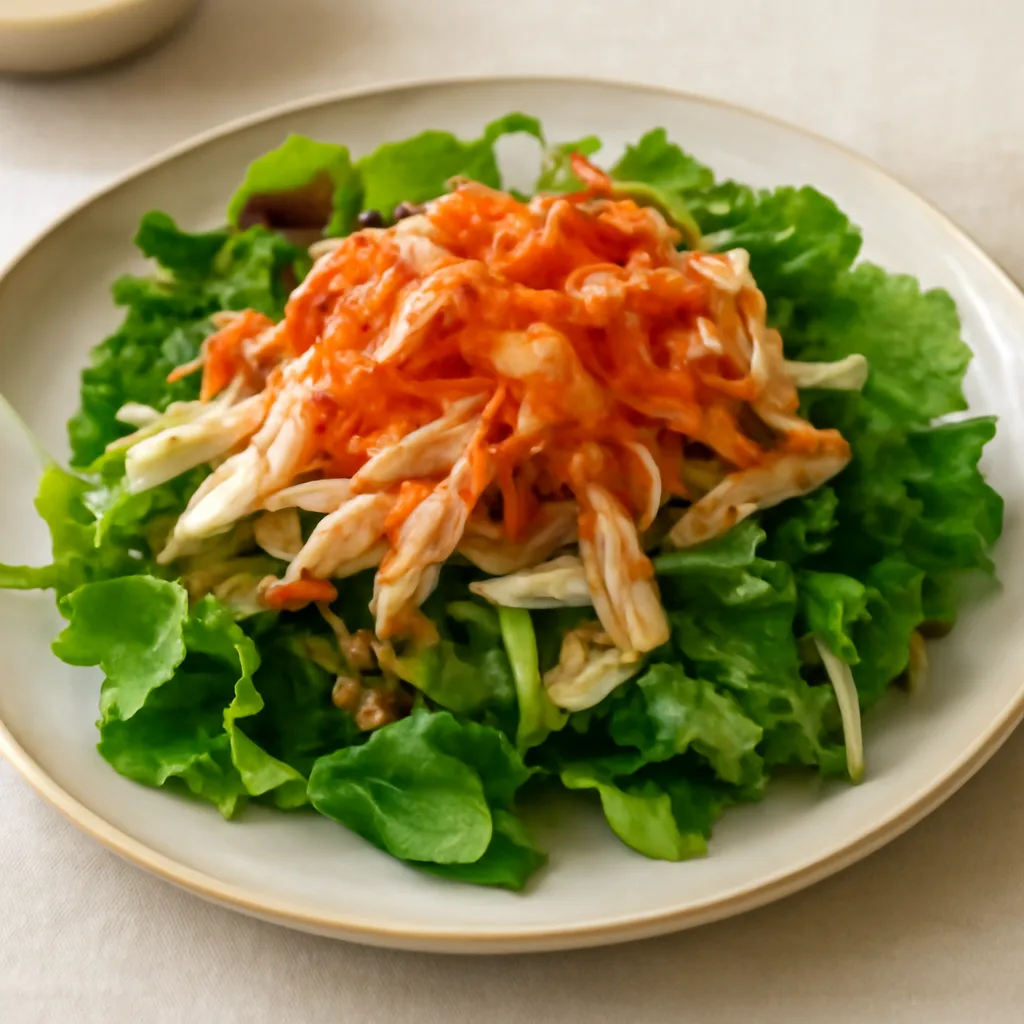
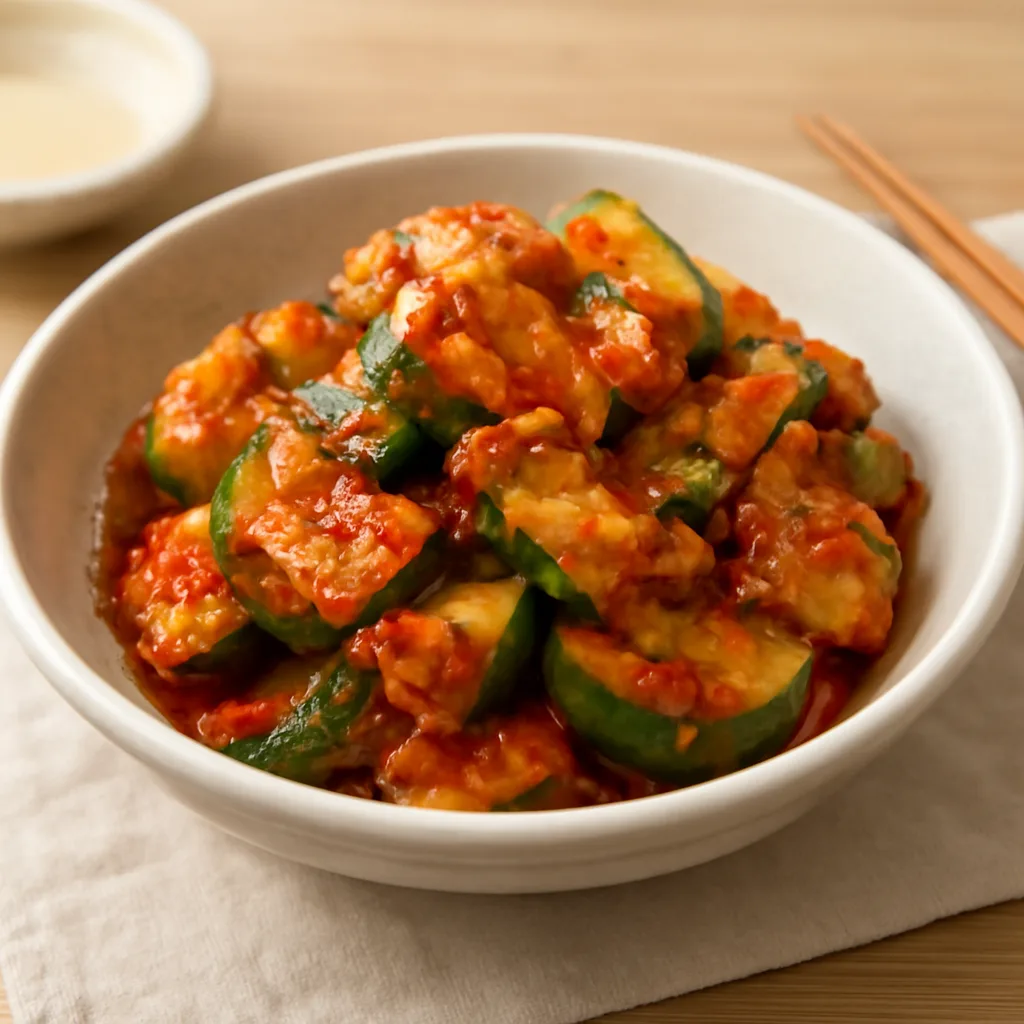
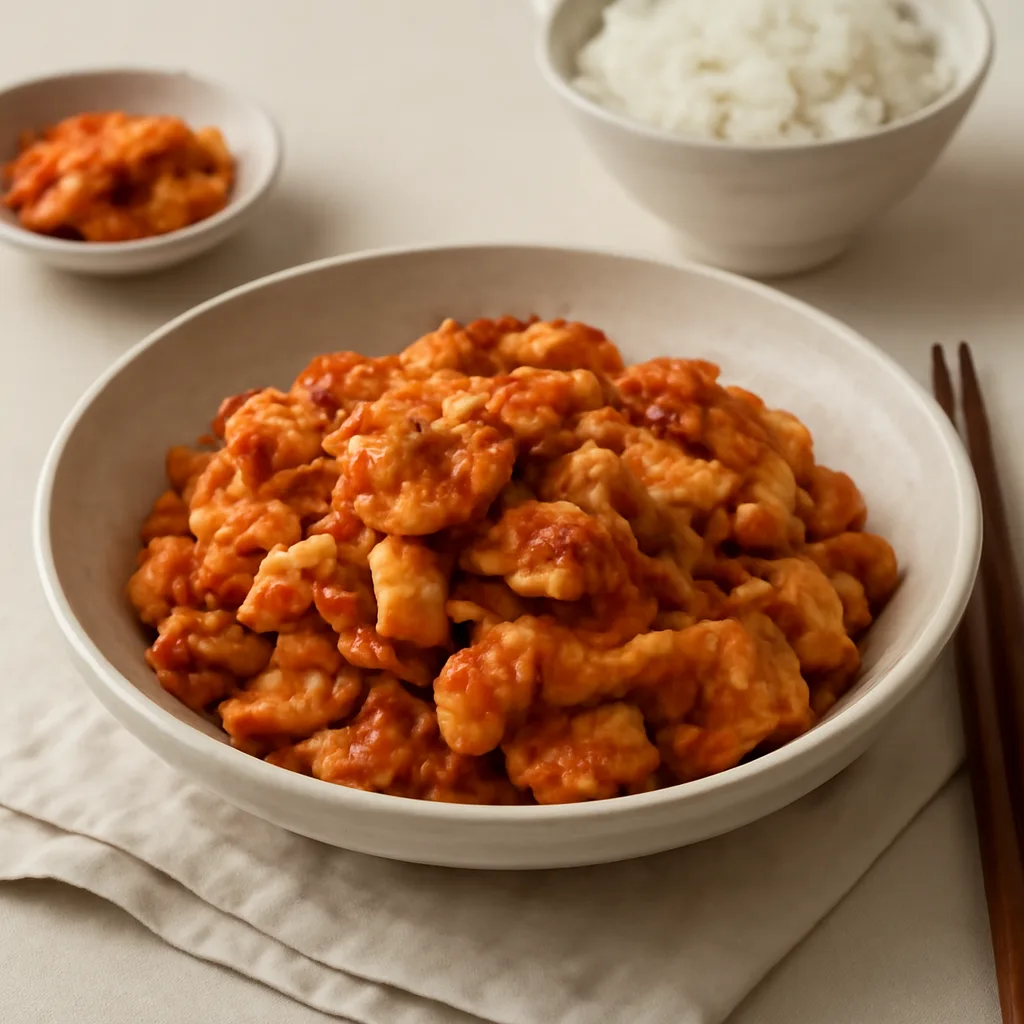
Shows dishes where this ingredient is a representative ingredient, sorted by view count.