Ingredient Encyclopedia
Check the characteristics of the ingredients and how to use them in cooking.
Red pepper powder
4
1
Red chili powder is a spice made by finely or somewhat coarsely grinding dried chilies, used to add red color and a spicy aroma to dishes. In soups, stews, seasoned vegetables, stir-fries, and sauces with moisture, the color and heat spread into the broth or sauce and form the overall flavor center. The results vary greatly depending on particle size and heat level. Fine chili powder blends quickly into seasonings to create an even color, but may taste flat if heated for too long, while coarse chili powder leaves the presence and texture of chili pieces in kimchi or seasoned vegetables. Even if a recipe calls for chili powder, it is practical to start with only a portion and adjust based on the desired heat and color.
Taste and Texture
Chili powder carries the sharp aroma of chilies, a subtle sweetness, and depending on the product, ranging from mild to strong heat. It works not merely to add heat but to create a combination of red color and the earthy chili fragrance. When dissolved in liquid, the particles disperse into the seasoning or broth, and coarser products can leave a slight chewy texture. Lightly toasting in oil helps the aroma and color infuse well, but too much heat can make the aroma coarse and turn into a burnt taste.
Main uses
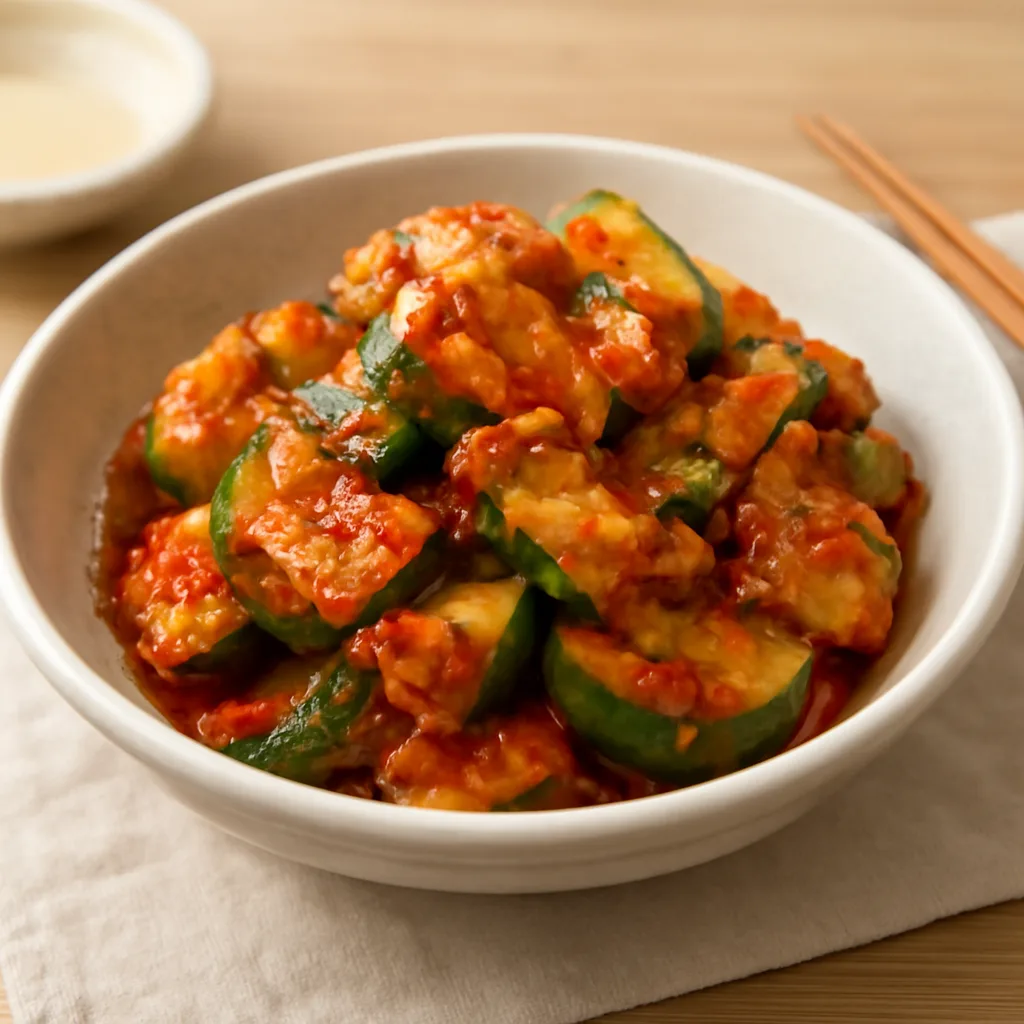
- Toss into kimchi, fresh kimchi salads, and other vegetable dishes to create red color and a spicy flavor. Coarser particles are especially suitable for dishes where the seasoning is visible on the surface of the vegetables.
- Add to the broths of doenjang jjigae, kimchi jjigae, and spicy beef soups to boost color and chili aroma. When the broth is already spicy or salty, it is better to start with small amounts to adjust color and fragrance rather than adding a lot all at once.
- Used to make bibimbap, grilled dishes, and braised recipes by mixing with gochujang, soy sauce, minced garlic, sesame oil, etc. If too much chili powder is used alone, the sauce can become pasty and powdery; balance it with liquid seasonings to adjust thickness.
- Add to stir-fries of pork or fish to balance oily flavors and impart the color of the seasoning. In recipes where the seasoning coats the surface of ingredients, fine chili powder adheres more evenly.
Preparation tips
- When checking aroma before use, if there is a damp or old oil-like odor, the finished dish may have a dull aroma. In that case, it is better to use fresh chili powder than cover with a strongly scented seasoning.
- When adding to broth, first dissolve in cold water or a seasoned liquid to reduce clumping and distribute color evenly. However, for clear broths where a transparent taste and color are important, chili powder may not be suitable.
- When toasting for aroma, sauté minced garlic or scallions to perfume, then lower the heat or keep it barely simmering before adding. If the powder darkens or a acrid smell arises, it is a sign to start over with fresh oil and seasoning.
- For non-pickled dishes, mix chili powder with fish sauce, soy sauce, vinegar, or watery vegetables a few minutes before to let the grains absorb moisture and reduce the coarse powdery texture. If the vegetables release a lot of water, don't add too much seasoning at first; mix then adjust the seasoning at the end.
Cooking characteristics
- In brief cooking, oil and moisture carry the red color and aroma, but prolonged stir-frying over high heat can quickly burn the fine chili particles. If the color becomes too brown during stir-frying, lower the heat and add water, stock, or a liquid seasoning to ease the heat.
- In broth-based dishes, the particles absorb moisture as they simmer, blending the flavors more smoothly. Even if the initial taste seems mild, it is better to simmer a bit and then reassess heat and color rather than adding at the start.
- Chili powder slightly thickens sauces and can settle to the bottom. If braising sauces become too viscous, rather than adding more chili powder, supplement with water or stock to adjust thickness.
- When paired with acidic ingredients, it can produce red color and heat suitable for salads with vinegar, but in very acidic sauces the chili aroma may be subdued, so it is advantageous to add vinegar at the finishing stage in portions.
Good combinations
- Garlic, green onion, and ginger complement the sharp aroma of chili powder, while umami seasonings like soy sauce, fish sauce, and doenjang fill in the flavor gaps.
- Aromatic oils like sesame oil or perilla oil connect the chili aroma smoothly, but using too much oil can dull the spiciness and make the dish heavy.
- Pairs well with pork, tofu, mushrooms, zucchini, and other mild or juicy ingredients. When using sweet seasonings, first check the subtle sweetness balance of chili powder before adding sugar.
- When using vinegar, shrimp paste, or fish sauce to add a bright flavor, avoid increasing the chili powder amount excessively, as both flavors can overwhelm the ingredients themselves.
Points to consider when substituting
- If chili powder is unavailable, finely ground chili powder can be used, but blends with added spices bring additional garlic and cumin notes that can change the flavor of Korean seasonings. Check that the ingredients are simple chili powder and add gradually to adjust heat.
- Gochujang can be used as a partial substitute, but gochujang contains sweetness, salinity, and viscosity, so it is not a one-to-one substitute. For braising or seasoned dishes with thickness, use gochujang sparingly and reduce soy sauce, sugars, or water accordingly.
- Ground paprika can be used to supplement the red color and mild chili aroma, but it cannot replace the heat. It is suitable when color is desired but heat is not; it is not a complete replacement for spicy stews or kimchi seasoning.
- For kimchi or seasoned vegetables where the coarse texture of chili powder is important, using only fine chili powder will change the texture of the seasoning surface. Flavor can be matched, but the chewiness and visible particle size will differ.
Ingredients commonly used together in actual dishes
Aggregated based on the co-occurrence count of representative ingredients in public dishes registered in CookPagoda.
Dishes that use this ingredient
Shows dishes where this ingredient is a representative ingredient, sorted by view count.