Ingredient Encyclopedia
Check the characteristics of the ingredients and how to use them in cooking.
Kimchi
10
16
Kimchi is a fermented side dish made by salting and seasoning vegetables such as napa cabbage and radish, used in cooking to add sourness, savoriness, and spiciness all at once. Because the flavor direction changes a lot with the type and degree of ripening, milder kimchi is often better for light broths, while well-fermented kimchi suits richer dishes like stir-fries and stews. In addition to serving it on the side as is, you can use kimchi in kimchi stew (kimchi jjigae), kimchi fried rice, pancakes, stir-fries, and as a noodle topping. The kimchi broth adds color and acidity, but because it can be quite salty, it’s easier to adjust by tasting and adding in portions rather than adding a lot from the start. Because kimchi’s seasoning and fermented aroma take the lead, adding it in a delicate fish or clear broth can overwhelm the underlying flavors. In such cases, reduce the kimchi amount or use only a small amount of the broth to leave a refreshing finish.
Taste and Texture
Kimchi is salty and sour, with a sharp flavor from seasonings like red pepper powder and garlic. When not fully ripe, it retains the fresh sweetness and crunch of the vegetables; when fully ripe, its acidity and fermented aroma become clearly defined. Texture varies with the ingredient and degree of maturation. Napa kimchi has softer leaves and relatively crunchier stems; over long simmering, the tissue softens and it can contribute flavor to the broth and sauce.
Main uses
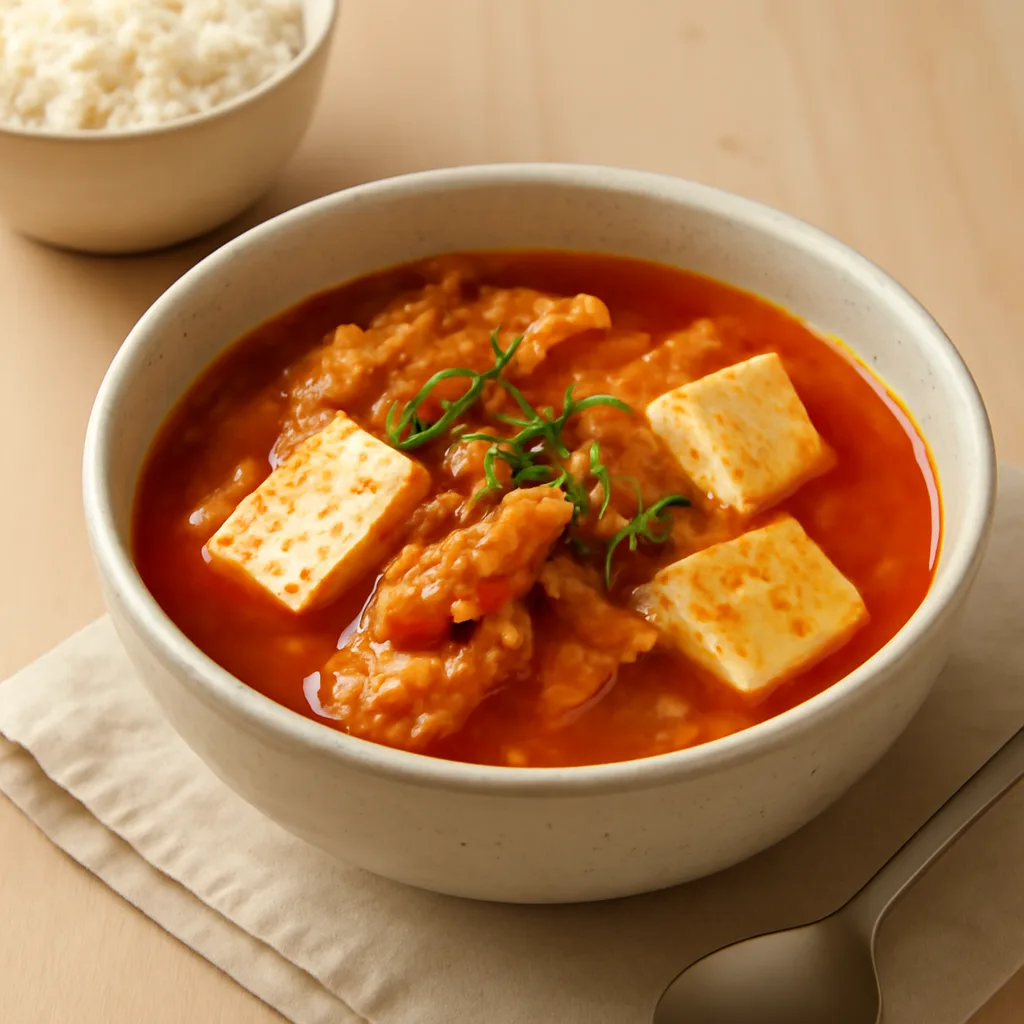
- Fully ripe kimchi is good for making a deep, tangy broth by adding it to stews with pork, tofu, and stock. If the kimchi is too sour, rather than adding more sugar or sweet onions, first sauté in oil to soften the sharpness of the sourness.
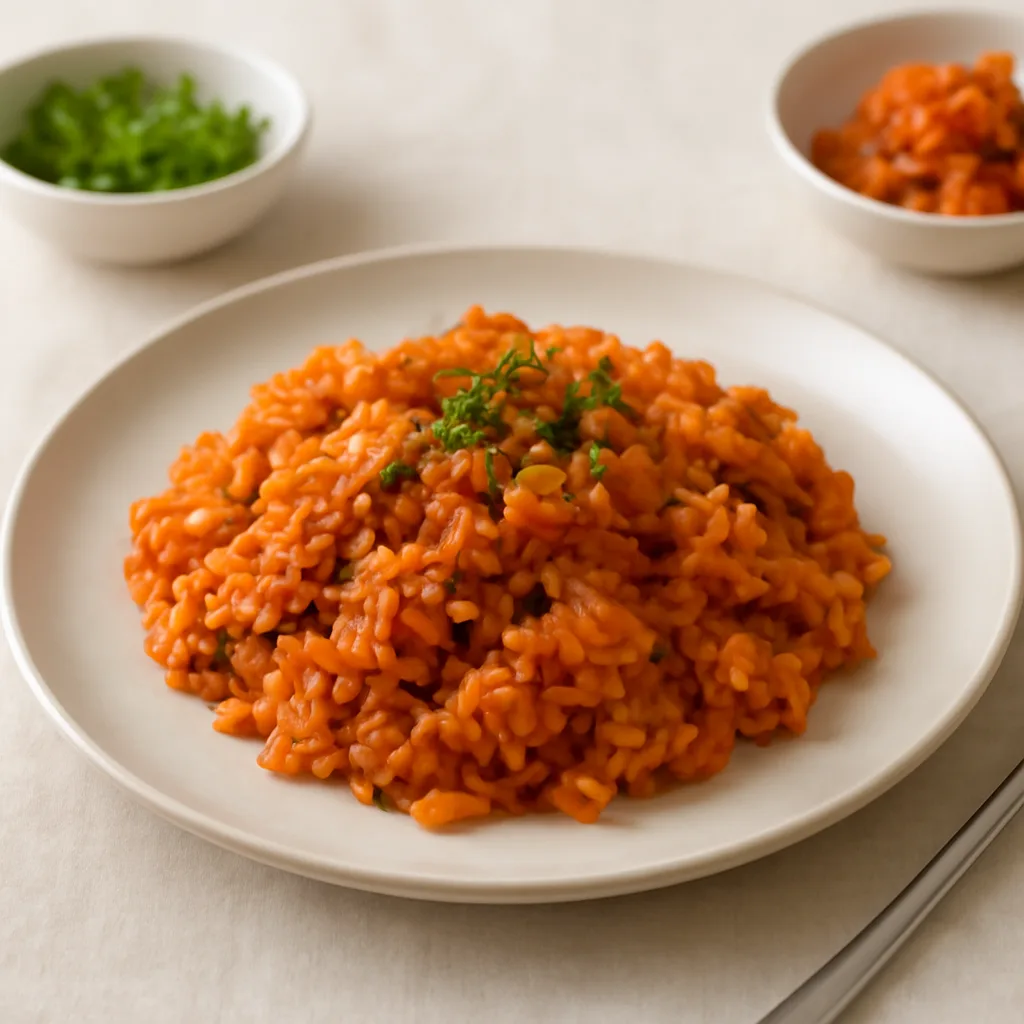
- Chopped kimchi can be stir-fried with rice to make kimchi fried rice. If you add a lot of watery kimchi right away, the rice may become mushy, so it’s advantageous to first sauté the kimchi to reduce moisture, then add day-old rice.
- For kimchi jeon (pancakes), use finely chopped kimchi and kimchi broth to add color and depth to the batter. If the batter is too thin and the edges don’t become crispy, reduce the amount of broth or water, spread wide, and cook over medium heat until fully cooked.
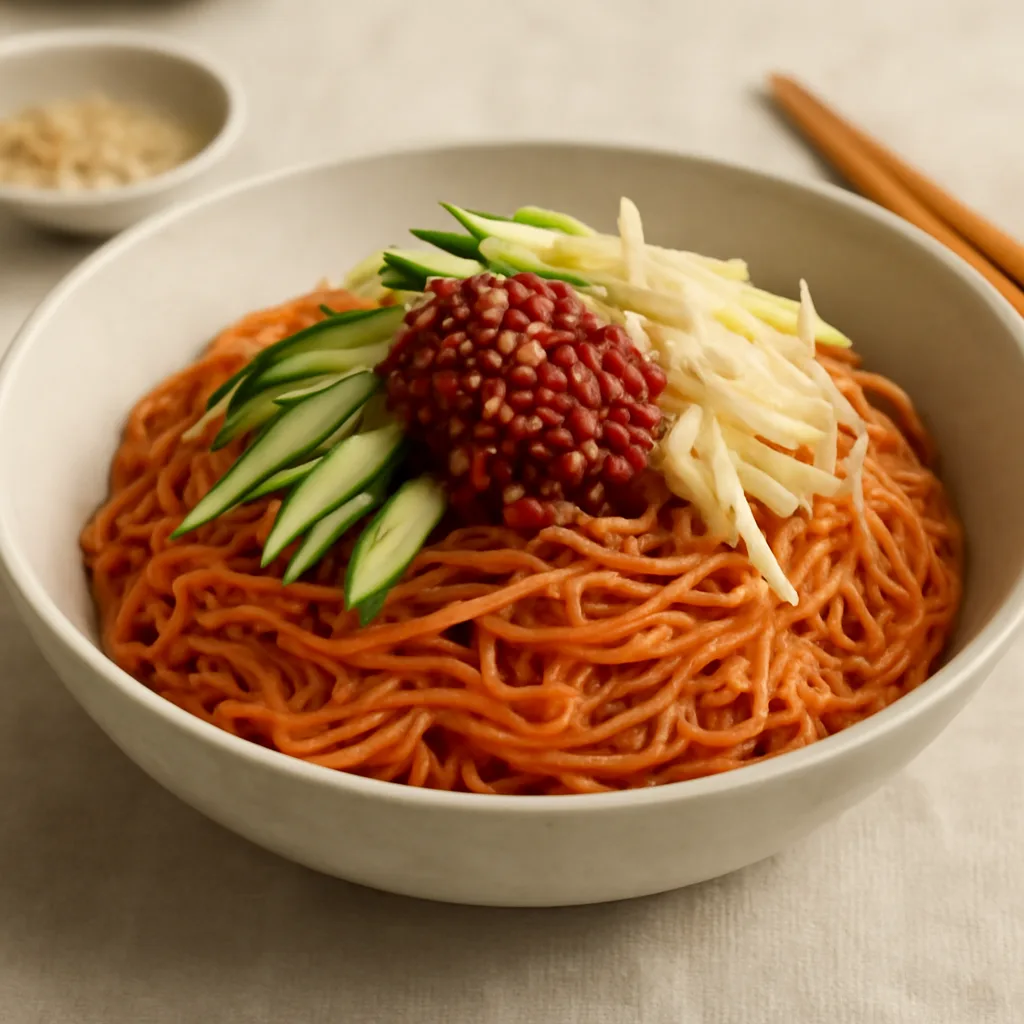
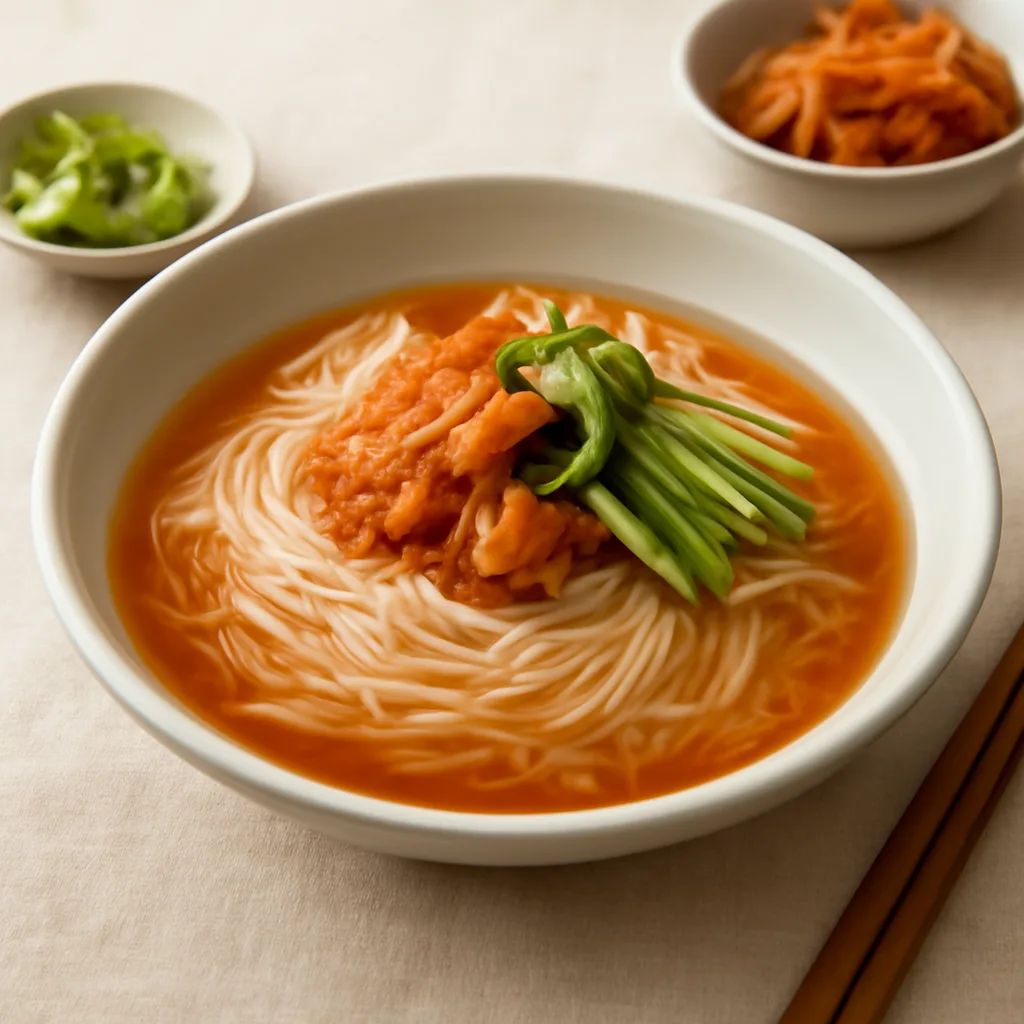
- Ramen, kalguksu (knife-cut noodles), and bibim-guksu can be topped or garnished with kimchi to cut the richness. If the broth is already salty, serve kimchi on the side or use only a small amount to avoid over-seasoning the dish.
Preparation tips
- Taste kimchi before chopping to check sourness, saltiness, spiciness, and moisture content. Sour kimchi is good for dishes that use heat and oil like stews and stir-fries; crisp kimchi is better served raw or with brief cooking.
- Cut the kimchi for broth dishes into bite-sized pieces, but don’t cut too thin if you plan to simmer long. Small pieces can break apart easily, so leave a larger piece of the stem if you want a chewy bite.
- Strain the kimchi broth or squeeze the solids slightly to use only what you need, which can help prevent the broth from becoming too muddy in texture. For pancakes or fried rice, a little seasoned solid bits can add flavor.
- Rinsing salty kimchi in water and wringing out moisture is possible, but it also weakens fermentation aroma and seasoning. This method is better for stir-fries where kimchi’s own flavor is less central than for stews or pancakes.
Cooking characteristics
- frying kimchi in oil first helps release the seasoning aroma and reduces moisture for a more concentrated flavor. If there is a lot of water on the pan bottom, it’s easier to evaporate moisture by frying over medium-high heat in a wide pan rather than lowering the heat.
- During simmering, kimchi’s acidity and saltiness spread into the broth. If you add soy sauce or extra salt from the start, it may reduce and taste overly salty later; simmer the kimchi with the stock and adjust at the end.
- Longer cooking makes kimchi softer and allows seasonings to blend into the broth, but the crunch fades. If you need textural contrast in a stew, add some kimchi early and some at the very end to cook briefly.
- In kimchi jeon, the moisture in kimchi can loosen the batter. If the pancake tends to tear when flipping, spread the batter thinner and wait until one side is nicely browned before turning.
Good combinations
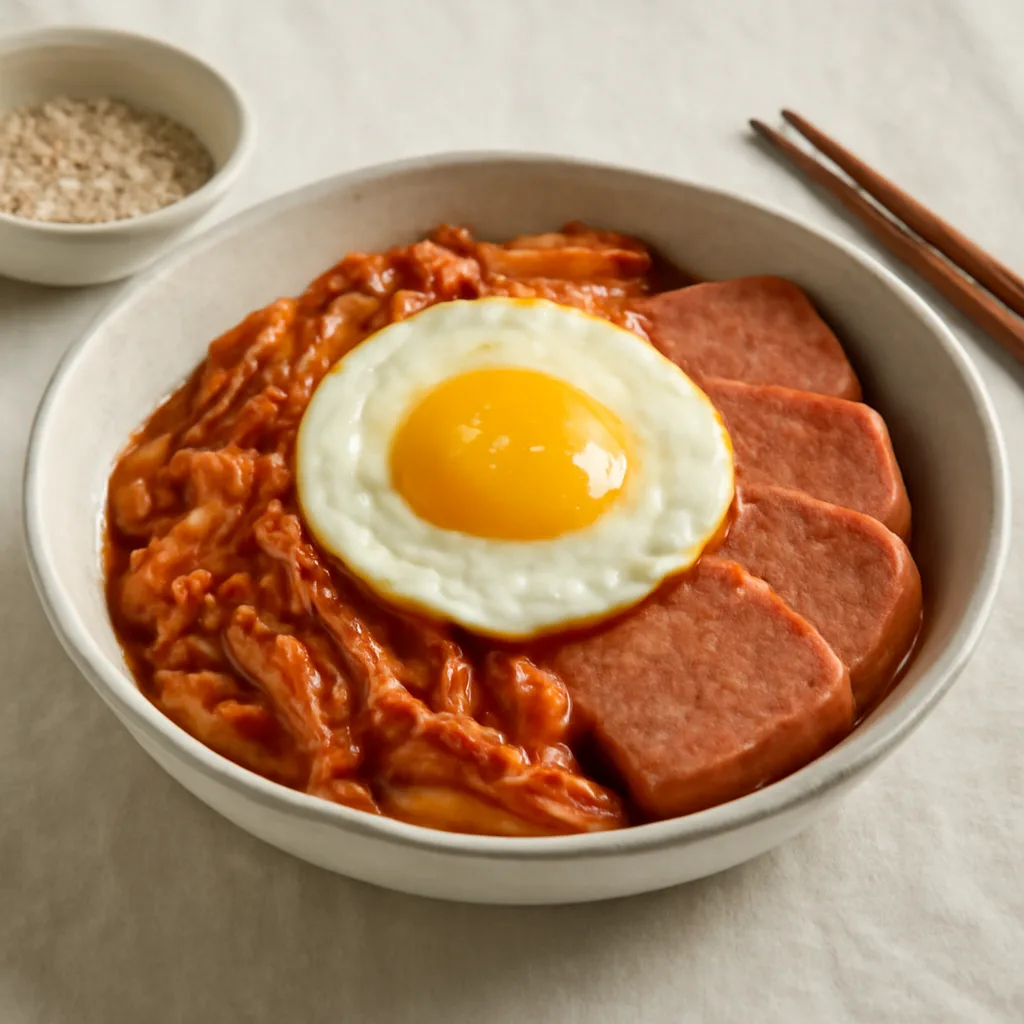
- Meat with fat, such as pork or pork belly, pairs well with kimchi’s acidity to balance the richness. If not using fatty meat, add soft textures with tofu, mushrooms, or eggs to mellow the spiciness.
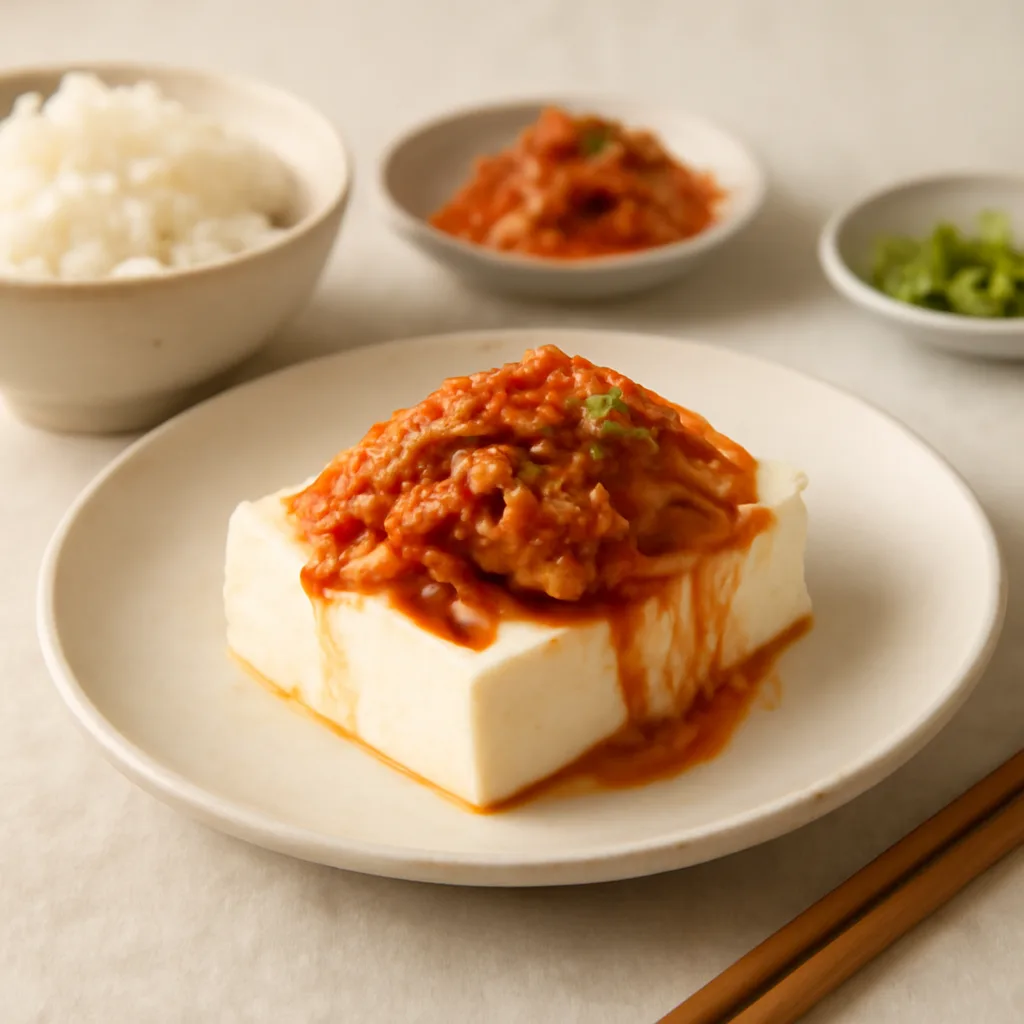
- Tofu and kimchi are commonly used together in stews, stir-fries, and as a side; the tofu absorbs the strong kimchi flavors. Since tofu itself is not well-seasoned, judge any extra seasoning toward the end if the kimchi is very salty.
- Sesame oil, neutral oil, scallions, and onions help round out kimchi’s sharp aroma and acidity. Conversely, layering too many strongly scented spices can mask kimchi’s characteristic fermented aroma.
- Neutral carbohydrates like rice, noodles, or potatoes pair well with kimchi’s saltiness and acidity, making it particularly good in fried rice, pancakes, and noodle dishes.
Points to consider when substituting
- There are few single ingredients that can replace all of kimchi’s sourness, spicy seasoning, and fermented aroma. Depending on the role needed in the dish, a practical approach is to use a combination of pickled vegetables, spicy seasoning, and acidity to fill the gaps.
- If the stew or stir-fry mainly needs the sourness of kimchi, you can add finely chopped pickled cabbage or sauerkraut with chili powder or a small amount of gochujang. Since saltiness and aroma vary by product, adjust by adding gradually and rebalancing the seasoning.
- Replacing kimchi as the main ingredient in kimchi pancakes will greatly alter flavor and texture. A spicy vegetable pancake with cabbage or chives, gochugaru, minced garlic, and a touch of acidity can be a natural alternative.
- For dishes that require less-ripe kimchi, a substitute with strong sourness may not be ideal. Even with pickled vegetables, add vinegar only at the very end in very small amounts to avoid excessive acidity.
Ingredients commonly used together in actual dishes
Aggregated based on the co-occurrence count of representative ingredients in public dishes registered in CookPagoda.
Dishes that use this ingredient
Shows dishes where this ingredient is a representative ingredient, sorted by view count.