Ingredient Encyclopedia
Check the characteristics of the ingredients and how to use them in cooking.
Tofu
15
24
Tofu is made by curdling soy milk from ground soybeans and pressing out the liquid; it has a mild flavor and soft texture, so it is used widely from soups and stews to frying, braising, and cold dishes. The firmness varies by product, so adjusting the cooking method is important even for the same tofu. If you need it to hold its shape in broth, choose firmer tofu; for dishes where the seasoning should wrap around gently, choose softer tofu. Tofu itself isn’t very fragrant, but it readily absorbs flavors when paired with strong seasonings like soy sauce, miso, gochujang, and garlic. However, it can crumble if boiled for a long time or stirred roughly, so especially for soft tofu varieties like silken or extra-soft tofu, add at the end and handle gently. For stews or hot pots, cut tofu into large pieces to soak up the broth; when pan-frying, pat dry the surface to form a golden crust. If you use too-soft tofu for frying, it tends to break when flipping, so firmer tofu is more practical when aiming for a crispy texture.
Taste and Texture
Tofu has a gentle soybean aroma and a savory, clean taste that complements and supports the flavors of seasonings and broths. In dishes with light seasoning, its mildness is an advantage, but when cooked without sauces or aromatics, it can feel a bit bland, so it’s common to accompany it with sauces or herbs. The texture is smooth and moist; extra-soft and silken tofu can be scooped with a spoon, while firmer tofu is suitable for slicing and grilling. If you remove moisture sufficiently, the surface will brown better and the seasonings won’t become too runny.
Main uses
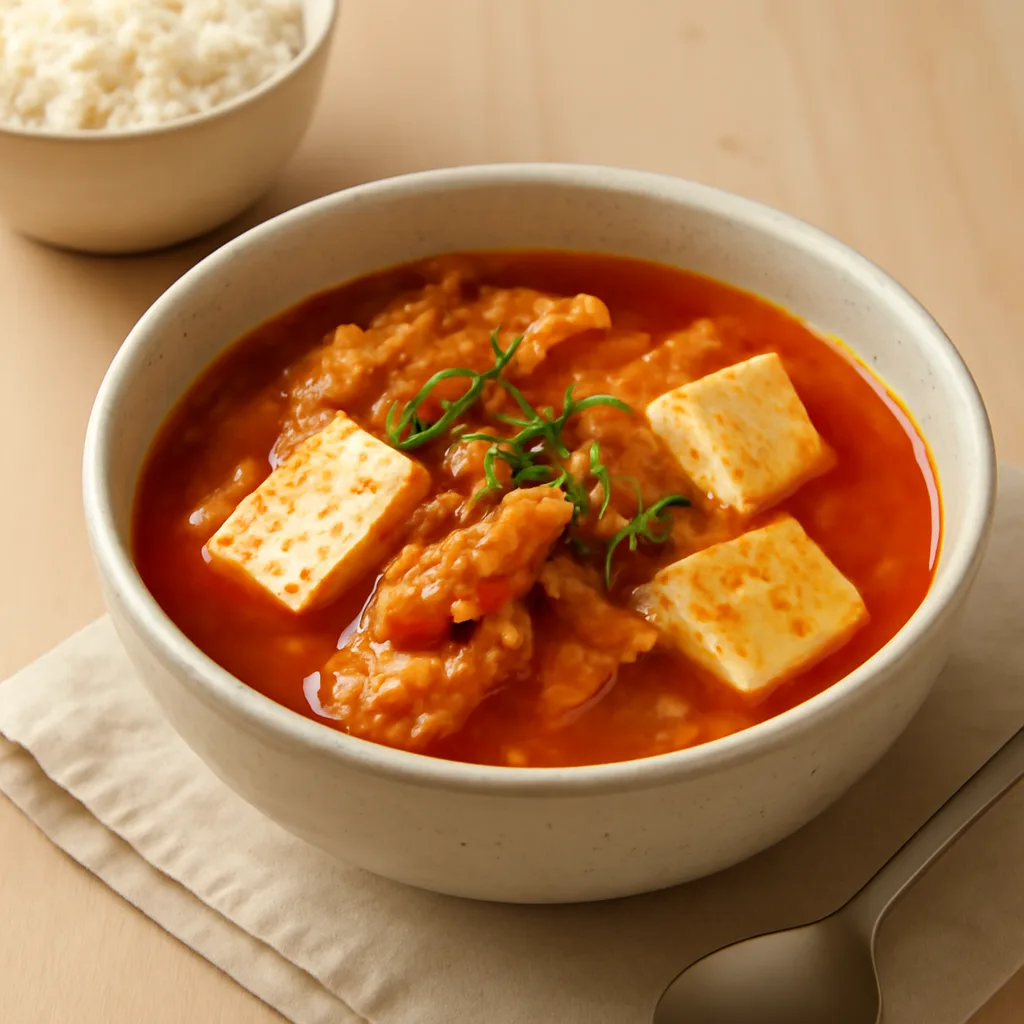
- Add cubed tofu to doenjang jjigae, kimchi jjigae, clear soups, or hot pots to soften the saltiness and fragrance of the broth. After adding, avoid stirring too much, as the edges can break if boiled vigorously for long.
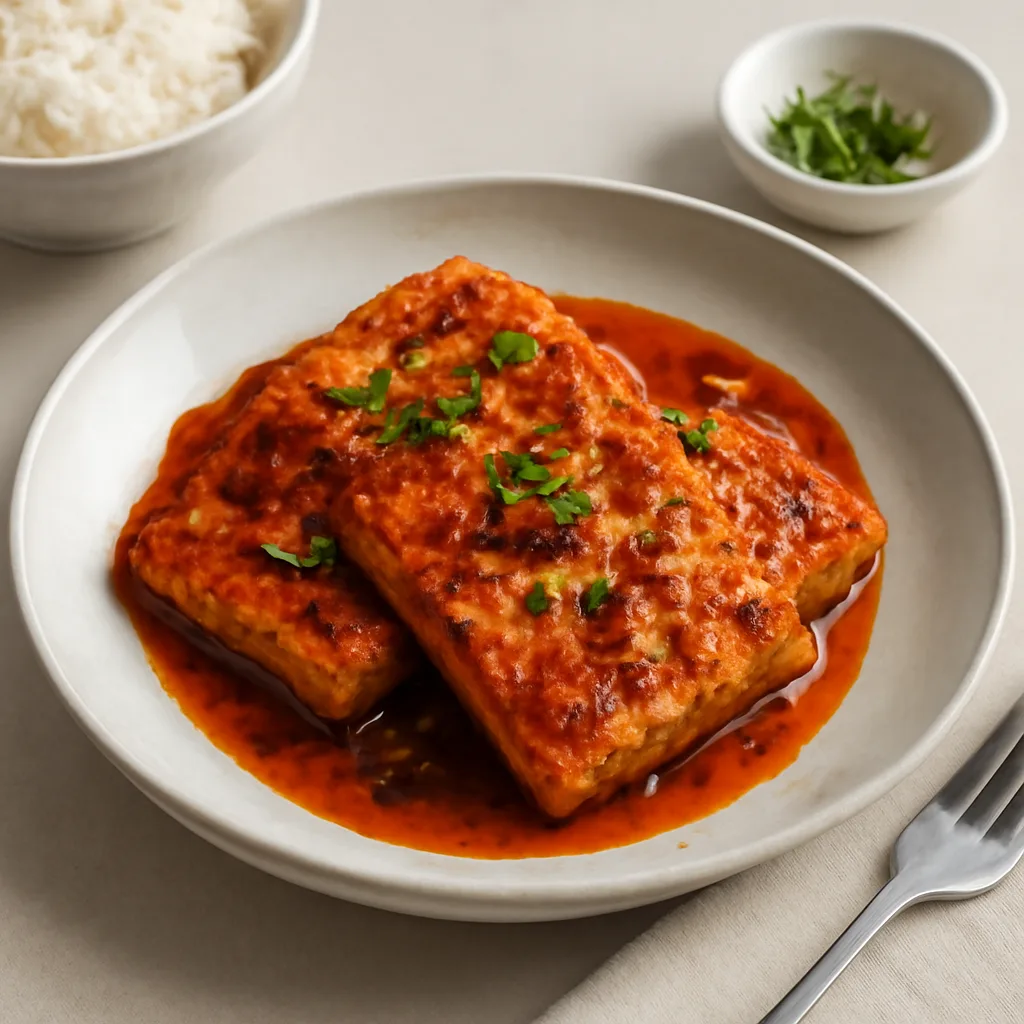
- For tofu pan-frying, slice firm tofu thickly, fry in a pan, and serve with a soy-sauce seasoning. If the surface turns light brown and is well cooked, you get a contrast between juicy interior and crisp exterior.
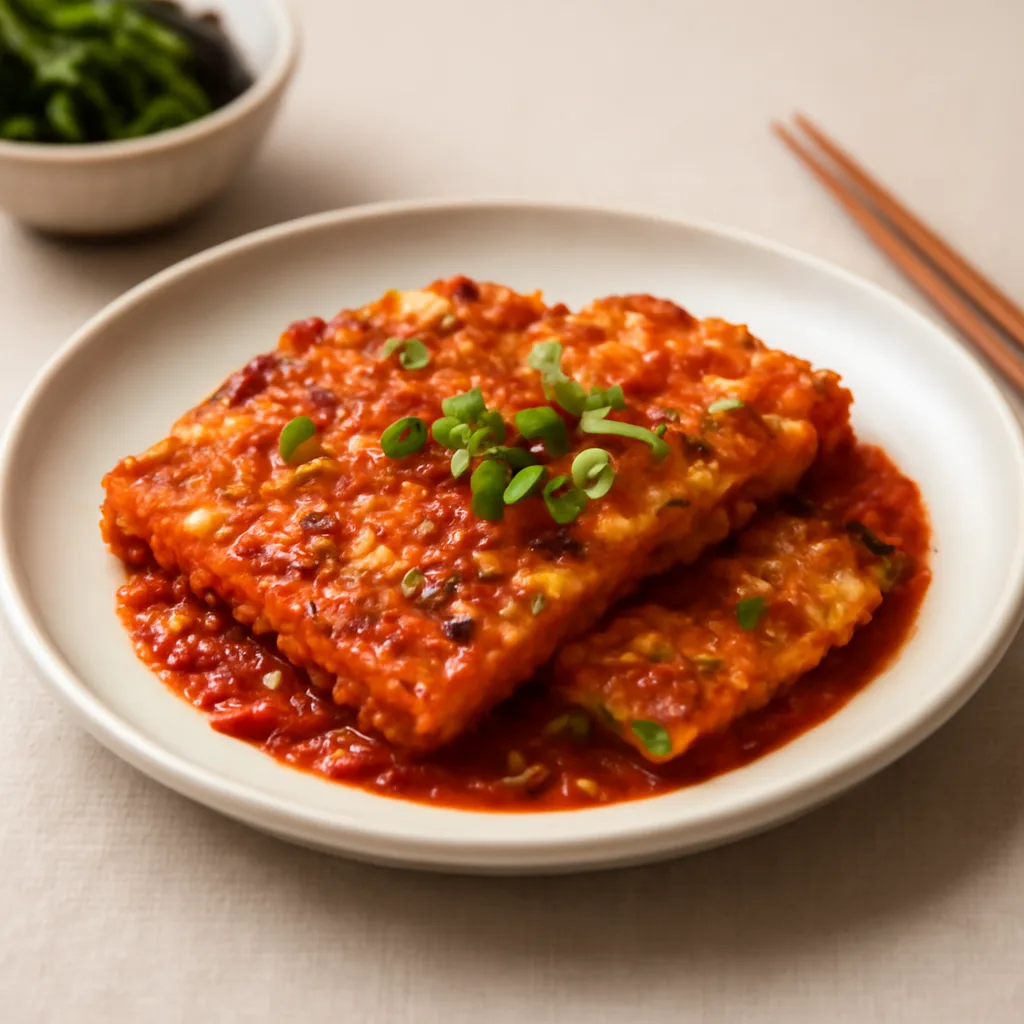
- In braises, first fry or grill the tofu, then simmer with the marinade. When starting with too much liquid, the marinade becomes thin and tofu can wobble, so begin with a small amount of liquid and add only as needed.
- Crushed or finely chopped tofu can be mixed with vegetables, mushrooms, ground meat, or eggs to make fillings or to add to fried dishes. If you mix with a lot of moisture, the filling can become loose, so drain the tofu before use.
Preparation tips
- When you open the package, if there’s a lot of water on the surface of the tofu, drain it through a sieve or on a paper towel. In frying and sautéing, remaining moisture causes splattering and a mushy texture, so gently press and wipe the surface.
- For soups or stews, avoid cutting the tofu too small. If the edges start to break during simmering, cut larger next time and add it toward the end.
- For frying tofu, lightly salt the sliced tofu and pat dry the released moisture. If you plan to serve with salty soy-based sauces, this step can be skipped or reduce the salt amount to prevent over-seasoning.
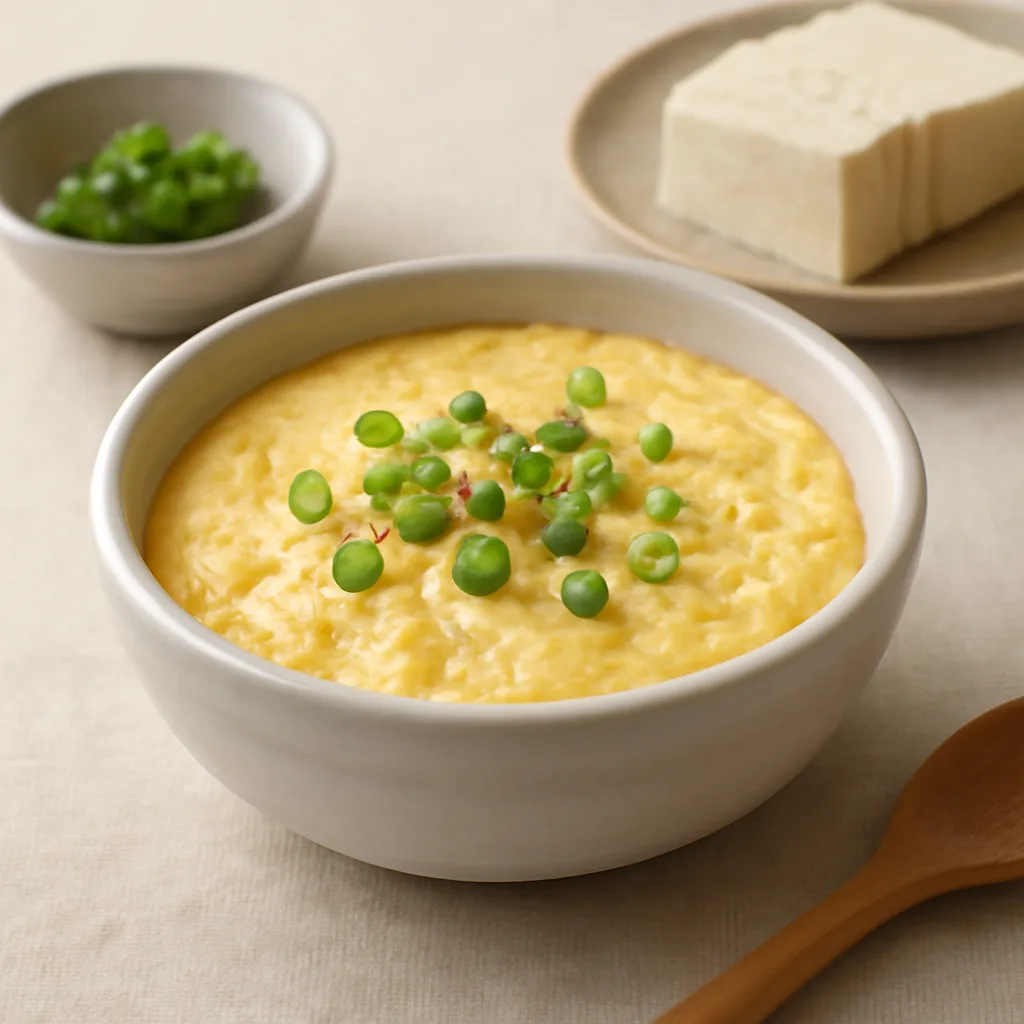
- Soft varieties like silken or extra-soft tofu are better peeled or scooped with a spoon rather than cut, as they keep their shape better when added at the end to strongly flavored dishes. Firmer tofu is easier to handle in dishes that require long simmering.
Cooking characteristics
- When heated, tofu loses moisture from inside and the surface dries, bringing out a nutty aroma. If added to a hot pan before it’s adequately heated, it tends to stick or release too much moisture, so cook on a hot pan with a thin layer of oil, without turning over individual sides prematurely.
- In broth-based dishes, tofu absorbs flavors from the seasonings and broth, but simmering for a long time does not continuously deepen the flavor. If the surface becomes rough and crumbly, it’s usually from over-handling or over-boiling; keep the simmer gentle afterward.
- In flavorful braises, pre-grilling the tofu makes the surface hard and easier to flip, and concentrates the sauce while helping the tofu maintain shape. If you prefer a very soft texture, you can reduce the grilling step, but you must accept some breakage during cooking.
- When adding tofu to a stir-fry, the moisture from vegetables can drop the pan temperature. If the pan gets too wet from overloading, it’s better to fry the tofu separately until golden and add it at the end.
Good combinations
- Soy sauce, garlic, scallions, sesame oil, and sesame seeds pair well to highlight tofu’s mildness, especially for frying or dressing.
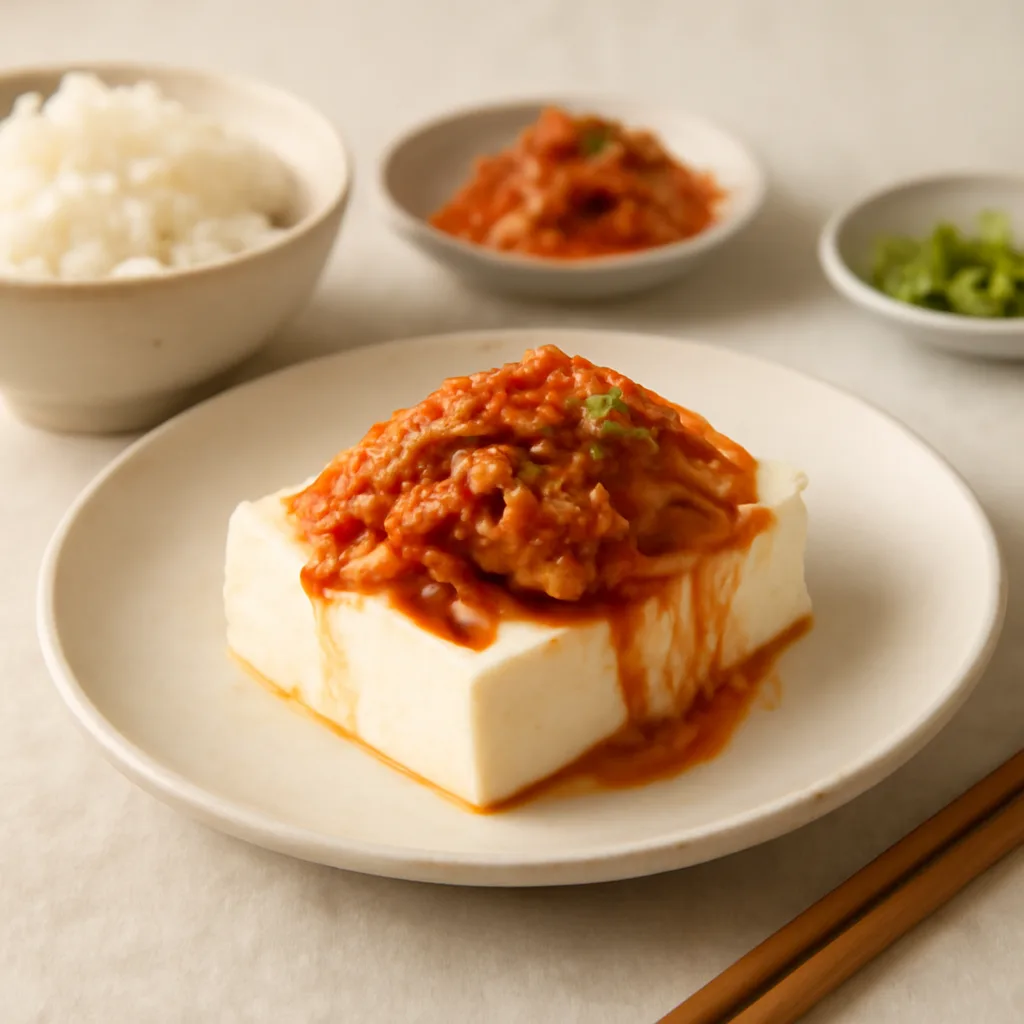
- Ingredients with acidity or heat like kimchi, gochujang, or chili powder create contrast with the soft texture of tofu. When stir-frying with watery ingredients like kimchi, pre-fry the tofu to prevent it from becoming soft.
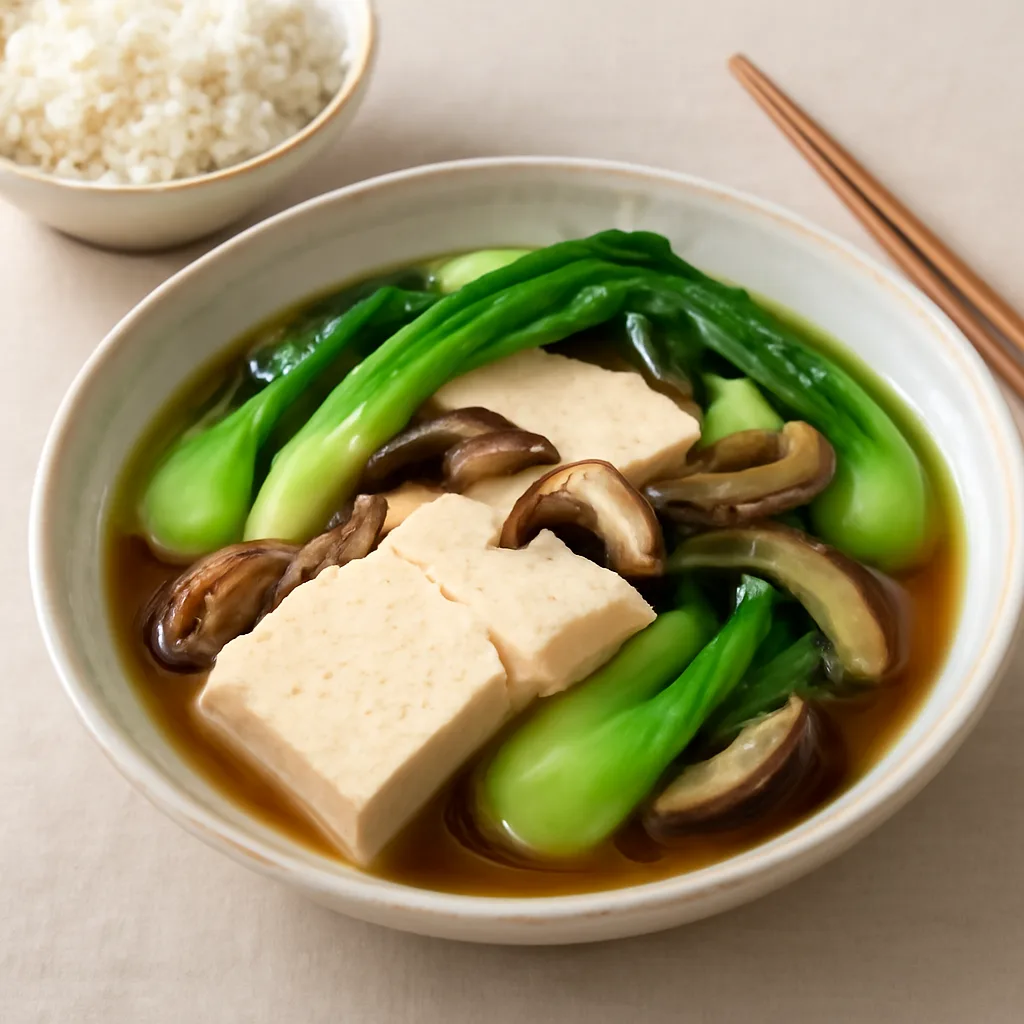
- Miso, mushrooms, and kombu-based umami flavors naturally suit tofu in broths. However, using very strong aromatics in large amounts can mask the nutty flavor of tofu, so moderate the amount when the tofu’s taste is important.
- Crisp cucumbers, blanched spinach, or sautéed mushrooms add textural contrast to the soft tofu and prevent monotony.
Points to consider when substituting
- If firmer tofu isn’t available for stews or braises, you can use regular tofu but cut it larger and reduce stirring. Silken tofu may be unsuitable for braises but can work in soups for a softer texture.
- Using firmer tofu instead of soft tofu for frying is fine, but extra-soft or silken tofu is not good for achieving a crispy exterior. If only soft tofu is available, topping with sauce or serving cold might be more practical than frying.
- In dishes with mashed tofu (sauces or fried fillings), finely chopped mushrooms, mashed legumes, or eggs can partially substitute, but their moisture and binding properties differ, so reduce moisture or adjust binding ingredients as needed.
- There are few substitutes that fully replace tofu’s mild base flavor and soft texture. The best alternative depends on which aspects are most important: protein texture, shape retention, or softness.
Ingredients commonly used together in actual dishes
Aggregated based on the co-occurrence count of representative ingredients in public dishes registered in CookPagoda.
Dishes that use this ingredient
Shows dishes where this ingredient is a representative ingredient, sorted by view count.